
Your car’s acceleration should be smooth and responsive, but what happens when it starts feeling sluggish? At Auto Repair UAE, we understand this isn’t just an inconvenience; it could be a sign of underlying issues that need immediate attention. Ignoring this problem can lead to more significant repairs and impact your driving safety. In this blog, we’ll dive into the common reasons behind sluggish acceleration and how our expert team can help address them before they escalate. Stay with us as we uncover crucial insights that can save you time, money, and stress on the road.
Why Is Your Car Sluggish When Accelerating?
Acceleration issues can be frustrating, especially when unsure of what’s causing them. Understanding the common causes can help you diagnose the problem faster and confidently get back on the road. Below, we explore the key reasons why your car might feel sluggish when accelerating.
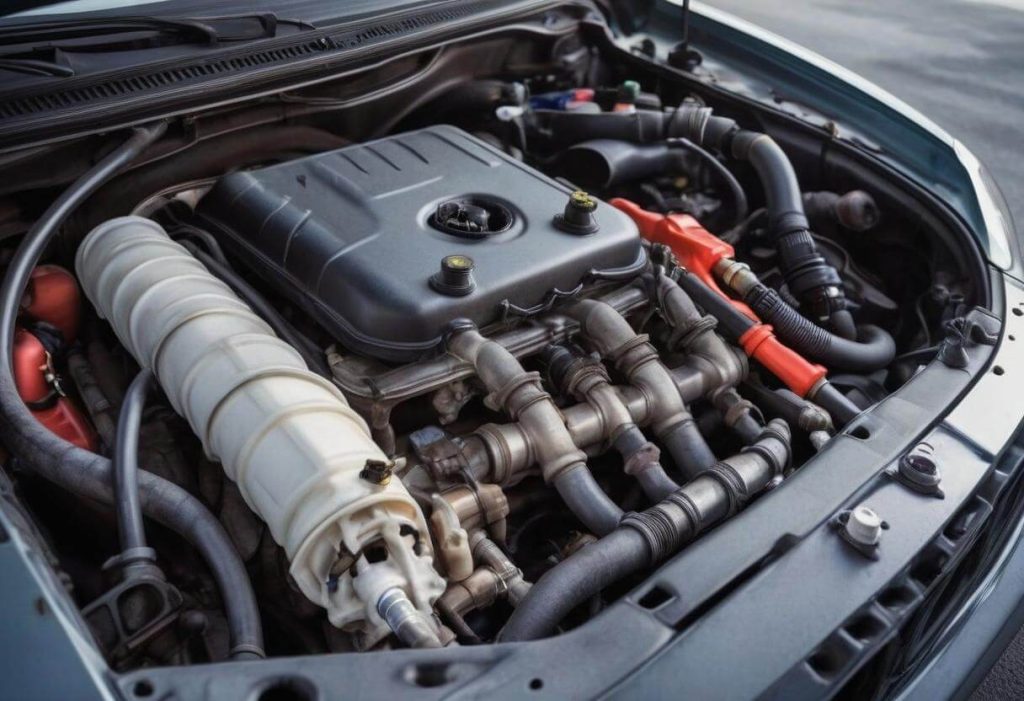
Fuel System Issues
A healthy fuel system is vital for smooth acceleration. When something goes wrong, it can dramatically affect your car’s performance.
- Clogged Fuel Injectors: Over time, dirt and debris can build up in your fuel injectors. This clogging reduces the amount of fuel reaching the engine, causing sluggish acceleration. Regular maintenance and cleaning of the injectors can prevent this issue.
- Fuel Pump Problems: If your fuel pump is failing, it may not be delivering enough fuel to the engine. This can result in poor acceleration and, in severe cases, engine stalling. Immediate attention is needed to avoid more serious damage.
Ignition System Problems
The ignition system is crucial for starting your car and maintaining its performance. Issues here can easily lead to sluggishness.
- Worn Spark Plugs: Spark plugs ignite the fuel-air mixture in your engine. If they’re worn out, misfires can occur, leading to reduced power and sluggish acceleration. Replacing spark plugs at regular intervals is essential.
- Faulty Ignition Coils: Ignition coils convert the battery’s voltage into the spark needed for ignition. When coils fail, the spark may weaken, resulting in sluggish performance. Checking and replacing faulty coils can restore your car’s acceleration.You can also read about Car Lock Repair services.
Transmission Troubles
Transmission problems are often linked to acceleration issues. Without a properly functioning transmission, your car can’t shift gears efficiently.
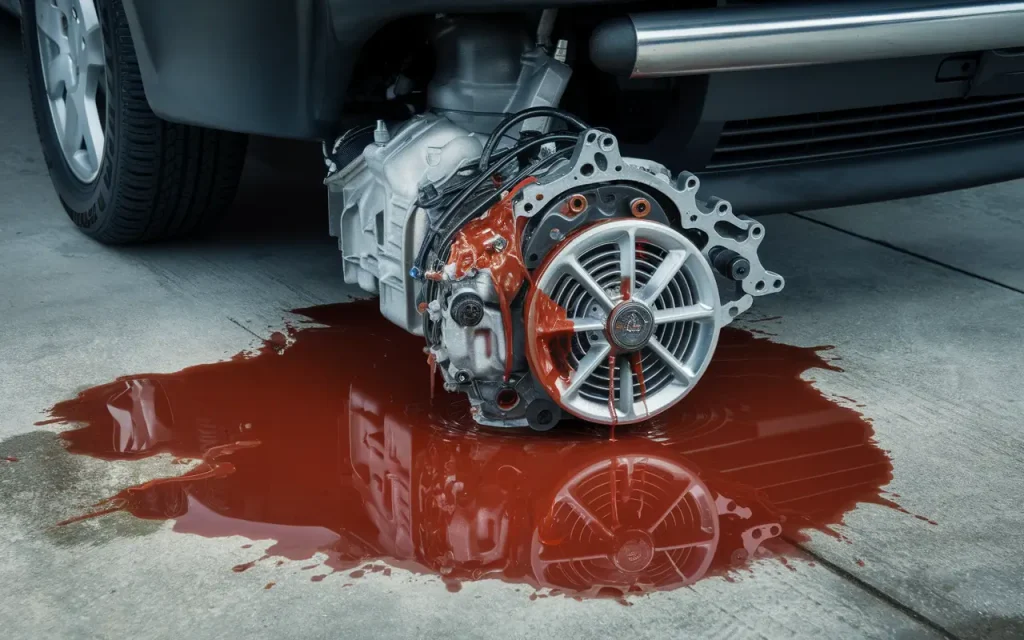
- Low Transmission Fluid: Transmission fluid is crucial for smooth gear changes. If the fluid level is low, it can cause delayed or jerky shifts, making your car feel sluggish when you accelerate. Regularly checking and topping off the fluid can prevent this.
- Worn Transmission Components: Over time, the internal parts of the transmission can wear down. This wear and tear can cause your car to struggle when accelerating. In some cases, a complete transmission service or repair may be required.
Exhaust System Blockages
The exhaust system plays a key role in your car’s overall performance. Blockages here can restrict the engine’s ability to expel gases, leading to sluggish acceleration.
- Clogged Catalytic Converter: The catalytic converter reduces harmful emissions from your exhaust. When it becomes clogged, it restricts exhaust flow, causing a noticeable drop in engine performance. This is often accompanied by a rotten egg smell or reduced fuel efficiency.
Air Filter Issues
Air is just as important as fuel in your car’s engine. A problem with the air intake system can seriously affect acceleration.
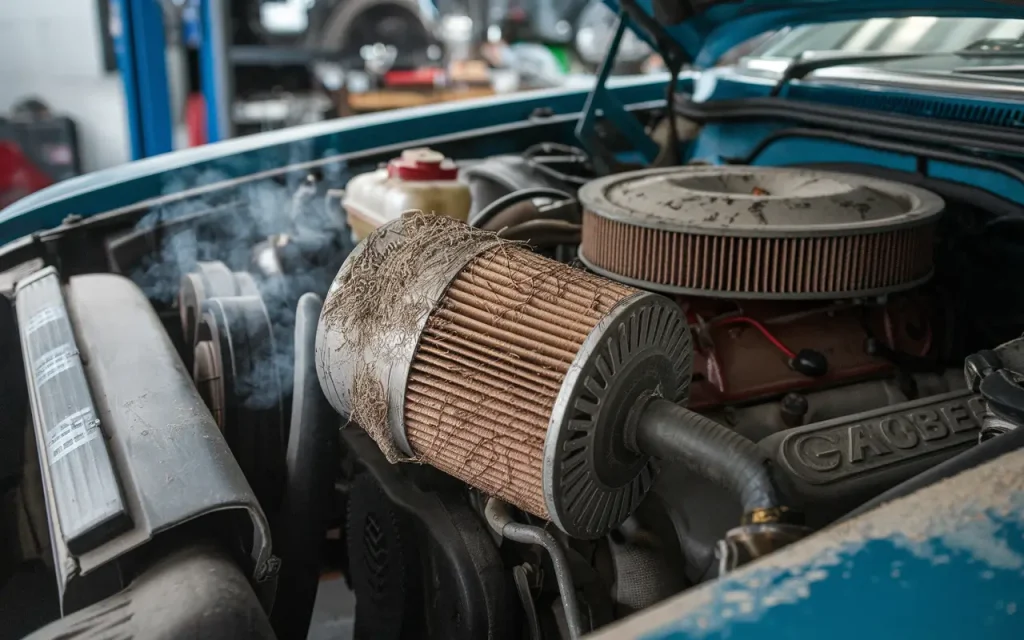
- Dirty or Clogged Air Filter: Your air filter prevents dirt and debris from entering the engine. When it’s clogged, it restricts airflow, which can cause sluggish acceleration. Replacing the air filter regularly can keep your engine running smoothly.
Tire-Related Problems
Tires are often overlooked when diagnosing acceleration issues, but they play a significant role in your car’s performance.
- Underinflated Tires: Low tire pressure increases rolling resistance, making it harder for your car to accelerate. Checking tire pressure regularly ensures optimal performance.
- Tire Wear and Alignment: Uneven tire wear or poor alignment can cause drag, affecting acceleration. Proper tire maintenance and alignment checks can prevent this.Please read about Car Tyre Puncture fixing.
Sluggish acceleration can be caused by a variety of factors, from fuel system issues to tire problems. Understanding these common causes can help you identify and fix the problem more quickly. If your car feels sluggish, don’t wait—get it checked out to avoid further complications. Regular maintenance is key to keeping your vehicle performing at its best.
External Factors Affecting Car Acceleration
Your car’s performance isn’t just influenced by internal components. Environmental and external factors also play a crucial role. These factors can lead to sluggish acceleration, even when everything else seems fine. Let’s explore how these elements might be affecting your vehicle.
Air Filter Problems
The air filter is often overlooked but plays a critical role in your car’s performance. A problem here can quickly lead to sluggish acceleration.
- Dirty or Clogged Air Filter: The air filter prevents dust, dirt, and debris from entering your engine. When it’s clogged, airflow is restricted. This lack of air makes your engine struggle to perform, resulting in sluggish acceleration. Replacing your air filter regularly can help maintain optimal engine performance.
Tire-Related Issues
Tires aren’t just about traction; they significantly influence your car’s ability to accelerate efficiently.
- Underinflated Tires: Low tire pressure increases rolling resistance, making it harder for your car to move forward smoothly. This added resistance can make your car feel sluggish when accelerating. Regularly checking and maintaining proper tire pressure is essential for smooth driving.
- Tire Wear and Alignment: Uneven tire wear or poor alignment doesn’t just affect your tires. It can cause drag, making your car work harder to accelerate. Keeping your tires properly aligned and replacing them when needed can prevent this issue.
Weather Conditions
Weather can have a surprising impact on how your car accelerates. External temperatures and conditions can directly affect performance.
- Cold Weather: Cold temperatures can thicken engine oil and reduce battery efficiency. This makes it harder for your car to accelerate smoothly. Additionally, cold air is denser, which can affect the air-fuel mixture, leading to sluggishness.
- Hot Weather: Excessive heat can cause engine components to overheat. This can result in reduced power and slower acceleration. High temperatures can also lead to fuel evaporation, affecting engine performance.
Fuel Quality
The quality of fuel you use has a direct impact on your car’s performance. Poor fuel can cause your car to feel sluggish.
- Low-Quality Fuel: Using low-grade or contaminated fuel can lead to incomplete combustion. This results in reduced power and sluggish acceleration. Always choose high-quality fuel to ensure your engine runs efficiently.
- Water in Fuel: Water contamination in your fuel tank can cause poor engine performance. It dilutes the fuel, reducing its effectiveness and causing sluggish acceleration. Regularly checking your fuel and avoiding cheap, low-quality options can prevent this issue.
External and environmental factors can greatly affect your car’s acceleration. From air filter issues to the quality of fuel, these elements are just as important as your car’s internal components. Addressing these factors can help maintain your vehicle’s performance and prevent sluggishness. Pay attention to these details to ensure a smooth and responsive driving experience. Please read more about Common Car AC Issues & Costs.
Engine Problems Causing Sluggish Acceleration
Engine-related issues can significantly impact your car’s acceleration. Even minor problems can cause noticeable sluggishness. Understanding these concerns is key to maintaining optimal performance. Let’s explore the common engine-related issues that could be slowing you down.
Timing Issues
Proper engine timing is essential for smooth acceleration. When the timing is off, your engine struggles to perform efficiently.
- Timing Belt or Chain Problems: The timing belt or chain ensures that your engine’s valves open and close at the correct times. If it’s worn or damaged, the engine’s timing can be thrown off. This leads to misfires and poor acceleration. Regular inspections and timely replacements are crucial.
Engine Sensor Failures
Modern engines rely heavily on sensors to adjust performance. When these sensors fail, your engine can’t operate at its best.
- Oxygen Sensor Malfunctions: The oxygen sensor monitors the air-fuel mixture in your engine. If it’s faulty, the mixture can become too rich or too lean. This imbalance leads to sluggish acceleration. Replacing a failing oxygen sensor can restore proper performance.
- Mass Air Flow (MAF) Sensor Issues: The MAF sensor measures the amount of air entering the engine. A malfunctioning MAF sensor can send incorrect data to the engine control unit, causing poor acceleration. Cleaning or replacing the sensor can resolve this problem.
Fuel Delivery Problems
Your engine needs a consistent supply of fuel to run efficiently. Interruptions in this supply can cause your car to feel sluggish.
- Fuel Injector Issues: Fuel injectors deliver fuel directly into the engine. If they’re clogged or malfunctioning, the engine won’t receive enough fuel. This results in poor acceleration. Regular maintenance can keep your injectors clean and functioning properly.
- Fuel Pump Failure: The fuel pump delivers fuel from the tank to the engine. If it fails, the engine might not get enough fuel to accelerate smoothly. Replacing a faulty fuel pump is essential to restore proper function.
Engine-related concerns can have a significant impact on your car’s acceleration. From timing issues to sensor failures, these problems can make your car feel sluggish. Addressing these issues promptly ensures that your vehicle remains responsive and efficient. Regular maintenance is key to preventing these problems and keeping your engine in top shape.

Recognizing When to Seek Professional Auto Repair
Sluggish acceleration can signal serious underlying issues. Knowing when to seek professional help is crucial for your vehicle’s health. At Auto Repair UAE, we stress the importance of addressing these problems early to avoid costly repairs. Here’s when you should bring your car to our experts:
- Persistent Sluggishness: If your car consistently struggles to accelerate, it’s time to consult a professional. Persistent sluggishness often indicates deeper issues that require expert diagnosis. Ignoring this can lead to significant engine damage, which could become expensive to repair.
- Unusual Noises or Smells: Strange noises or smells during driving are warning signs. Rattling sounds might point to exhaust or catalytic converter issues, while burning smells could indicate overheating or oil leaks. These symptoms require immediate professional attention to prevent further damage.
- Warning Lights on the Dashboard: Dashboard warning lights, especially the check engine light, signal that something is wrong. Even if your car seems fine, these lights should prompt a visit to Auto Repair UAE. We can quickly diagnose and fix issues before they become severe.
- Poor Fuel Efficiency: A sudden drop in fuel efficiency can be a sign of engine or fuel system problems. If your car is using more fuel than usual, it’s time for a professional assessment. Addressing these issues early can save you money and keep your car running smoothly.
- Delayed or Rough Shifting: Hesitation or rough shifting when changing gears often indicates transmission problems. These issues should be addressed by a professional mechanic immediately to avoid severe transmission damage, which could lead to more extensive and costly repairs.
Recognizing when to seek professional help can keep your car in top condition. At Auto Repair UAE, we’re ready to diagnose and resolve any issues causing sluggish acceleration. Don’t wait for small problems to escalate. Trust us to restore your vehicle’s performance and ensure a smooth, safe driving experience.
How to Prevent Sluggish Acceleration in the Future?
Maintaining your car’s performance requires regular attention. Preventing sluggish acceleration is key to ensuring your vehicle remains responsive. Here’s how you can avoid this issue in the future.
Regular Engine Maintenance
- Routine Oil Changes: Engine oil is crucial for reducing friction and preventing wear. To keep your engine running smoothly and prevent sluggishness, regular oil changes are essential. Follow the manufacturer’s recommended schedule.
- Replace Spark Plugs: Worn spark plugs can cause misfires and reduce power. Regularly replacing them ensures your engine performs efficiently.
Keep the Fuel System Clean
- Use Fuel Additives: Additives help keep fuel injectors clean, preventing clogs that can cause sluggish acceleration. Regular use of quality additives is recommended.
- Replace Fuel Filters: A clogged fuel filter restricts fuel flow. Replacing it regularly ensures a clean fuel system and optimal engine performance.
Maintain Proper Airflow
- Replace the Air Filter: A clean air filter allows proper airflow, which is essential for engine efficiency. Regularly replacing the air filter prevents sluggishness.
- Inspect the MAF Sensor: The MAF sensor controls the air-fuel mixture. Regularly cleaning or replacing it ensures accurate readings and smooth acceleration.
Check and Maintain the Transmission
- Change Transmission Fluid: Regular fluid changes keep the transmission operating smoothly, preventing delayed or rough shifting.
- Inspect for Wear: Regular inspections help identify and replace worn transmission components before they cause major issues.
Preventing sluggish acceleration is about consistent care and attention to your car’s key components. By following these maintenance tips, you can keep your vehicle running smoothly and avoid performance issues. At Auto Repair UAE, we’re here to help you maintain your car’s efficiency and reliability. Regular maintenance is the best way to ensure your vehicle stays in top condition. Please also read about How to Jump Start Your Car.
Sluggish acceleration can result from various issues like fuel system problems, worn spark plugs, clogged air filters, or transmission troubles. Addressing these concerns promptly with proper maintenance is key to keeping your car performing at its best. At Auto Repair UAE, our expert team is ready to diagnose and fix any issues affecting your vehicle’s acceleration. Don’t wait for minor problems to become major ones—schedule a car performance check with us today and ensure your car runs smoothly and efficiently.
FAQs About Sluggish Acceleration
- Why Does My Car Feel Sluggish When I Accelerate?
Sluggish acceleration can be caused by various issues, including clogged fuel injectors, dirty air filters, or worn spark plugs. These components play a crucial role in your engine’s performance, and when they’re compromised, your car struggles to accelerate smoothly. A thorough inspection can pinpoint the exact cause. - Can Transmission Problems Cause Sluggish Acceleration?
Yes, transmission issues can lead to sluggish acceleration. Problems like low transmission fluid or worn transmission components can make it difficult for your car to shift gears properly, resulting in slow or delayed acceleration. Regular transmission maintenance is key to preventing these issues. - How Does a Dirty Air Filter Affect Acceleration?
A dirty air filter restricts the airflow to your engine, which can cause a reduction in power and sluggish acceleration. The engine requires a balanced air-fuel mixture to run efficiently, and a clogged filter disrupts this balance. Replacing the air filter regularly ensures your engine gets the air it needs. - Is Poor Fuel Quality a Cause of Sluggish Acceleration?
Yes, using low-quality or contaminated fuel can lead to sluggish acceleration. Poor fuel quality can cause incomplete combustion, resulting in reduced engine power and responsiveness. Always choose high-quality fuel to maintain optimal engine performance. - What Are the Signs That I Need a Professional Check-Up for Sluggish Acceleration?
If you notice persistent sluggishness, unusual noises, or warning lights on your dashboard, it’s time to schedule a professional check-up. These signs indicate underlying issues that could worsen if not addressed. At Auto Repair UAE, we can diagnose and resolve these problems to restore your car’s performance.