Grand Cherokee
Ride equipment and drivetrainGeneration, engine, wheel size and fitted suspension matter. Mention towing use, height changes and the exact warning.
A 4WD warning, rising temperature, or steering that feels different after a desert trip? Start with the symptom. Book a free initial Jeep inspection at Auto Repair UAE in Al Quoz 4, Dubai, or arrange free pickup and delivery. Additional diagnostic work is priced before it starts.
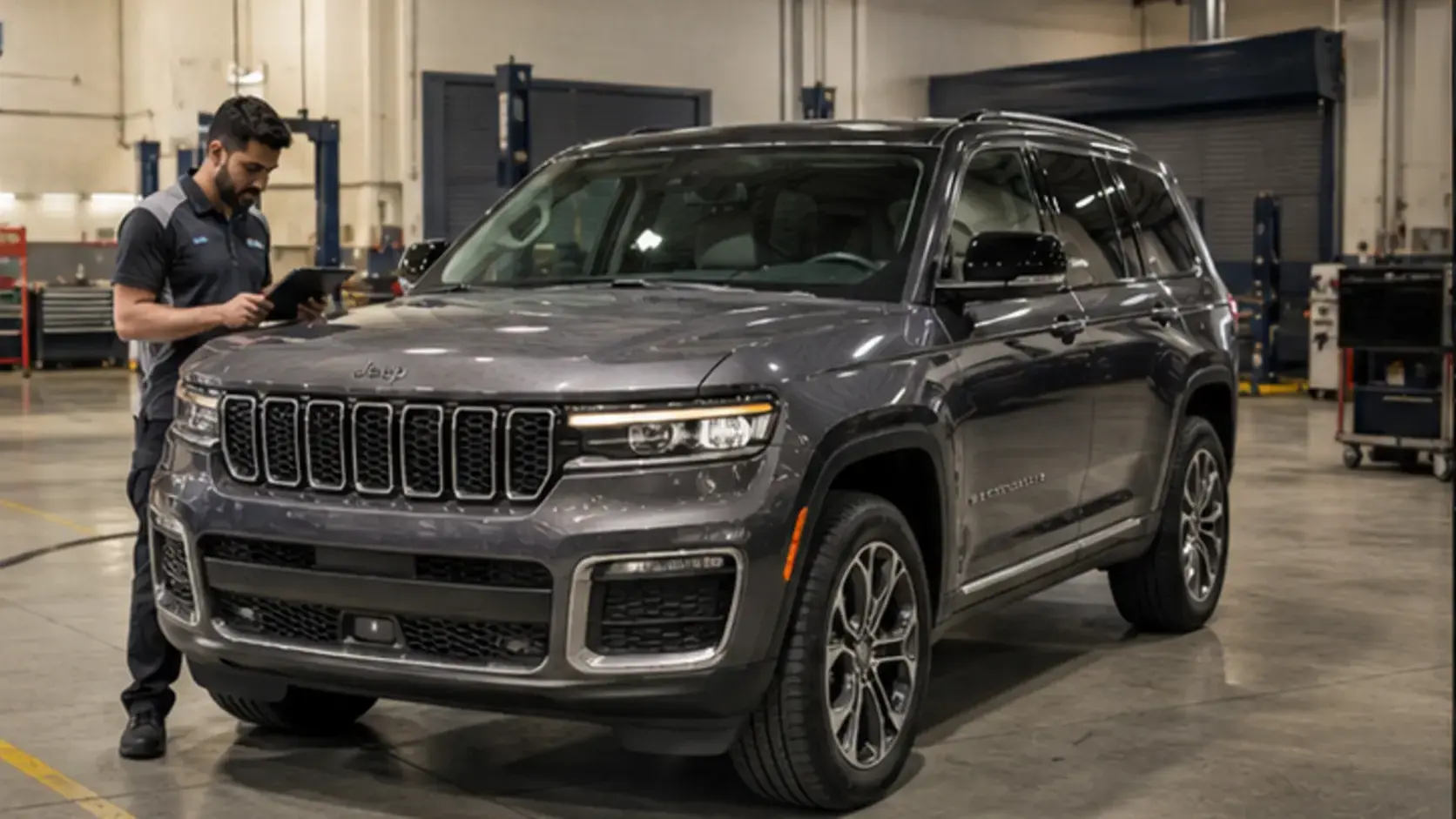
Use these estimated Dubai ranges as a practical starting point. The final amount depends on the Jeep model, fitted drivetrain, modifications, parts choice and inspection findings. Your written quotation will show the complete scope and VAT treatment before repairs begin.
Price basis: These planning amounts are not final VAT-inclusive offers. Confirm parts, installation labor, consumables, additional testing, VAT and the final payable total in the written estimate. Free initial inspection does not include unlimited diagnosis or dismantling.
| Jeep service | Estimated price | Typical inclusion |
|---|---|---|
| Workshop inspection | Free | Initial symptom review and visible-condition check at our Al Quoz 4 workshop. |
| Computer and fault diagnosis | AED 250–650 | Relevant scan, basic electrical checks and targeted testing for the reported fault. |
| Jeep minor service | AED 450–900 | Suitable engine oil and filter, standard checks and service reset where applicable. |
| Brake pad replacement | AED 650–1,400 per axle | Suitable pads, installation and brake inspection. Discs and sensors are separate if needed. |
| Wheel alignment | AED 150–350 | Geometry measurement and adjustment where components are sound and adjustable. |
| Suspension repair | AED 450–3,500+ | Repair of the confirmed joint, arm, damper, spring or related fault. Major assemblies are separate. |
| Transmission or 4WD diagnosis | AED 350–850 | Scan and targeted checks for engagement, shifting, vibration or four-wheel-drive warnings. |
Send the Jeep model and the service or symptom. We will provide the closest useful range and arrange a free workshop inspection, free pickup and delivery, or a separately paid dedicated on-site van inspection where suitable. The on-site fee is confirmed before booking.
Start with the model and concern. We can then confirm the year, engine, drive system and fitted equipment before choosing parts or planning deeper tests.
Generation, engine, wheel size and fitted suspension matter. Mention towing use, height changes and the exact warning.
Share relevant lift, tire, steering, bumper and winch changes. Recent impacts, sand or water exposure can help set the inspection priorities.
Confirm the model, wheelbase and towing setup. Vehicle weight, rolling condition and installed equipment affect suitable lifting and access.
Describe starting, shifting, AC, brake or suspension symptoms and when they appear. Confirm the fitted powertrain before selecting parts.
Imported specifications and production changes can affect components. Vehicle identification details may be requested when needed for accurate parts matching.
Off-road vehicles transmit forces through tires, wheels, steering, axles, shafts, suspension and frame mounts. A sound or vibration can travel. Diagnosis starts by mapping the condition rather than replacing the component closest to the driver.
The first inspection establishes safety, visible damage and a test sequence. Concealed impact damage, contaminated fluids or modified geometry may require staged access and later approval.
A cooling fault, suspension knock and steering pull need different tests. The inspection should identify the affected system before you pay for parts or adjustments.
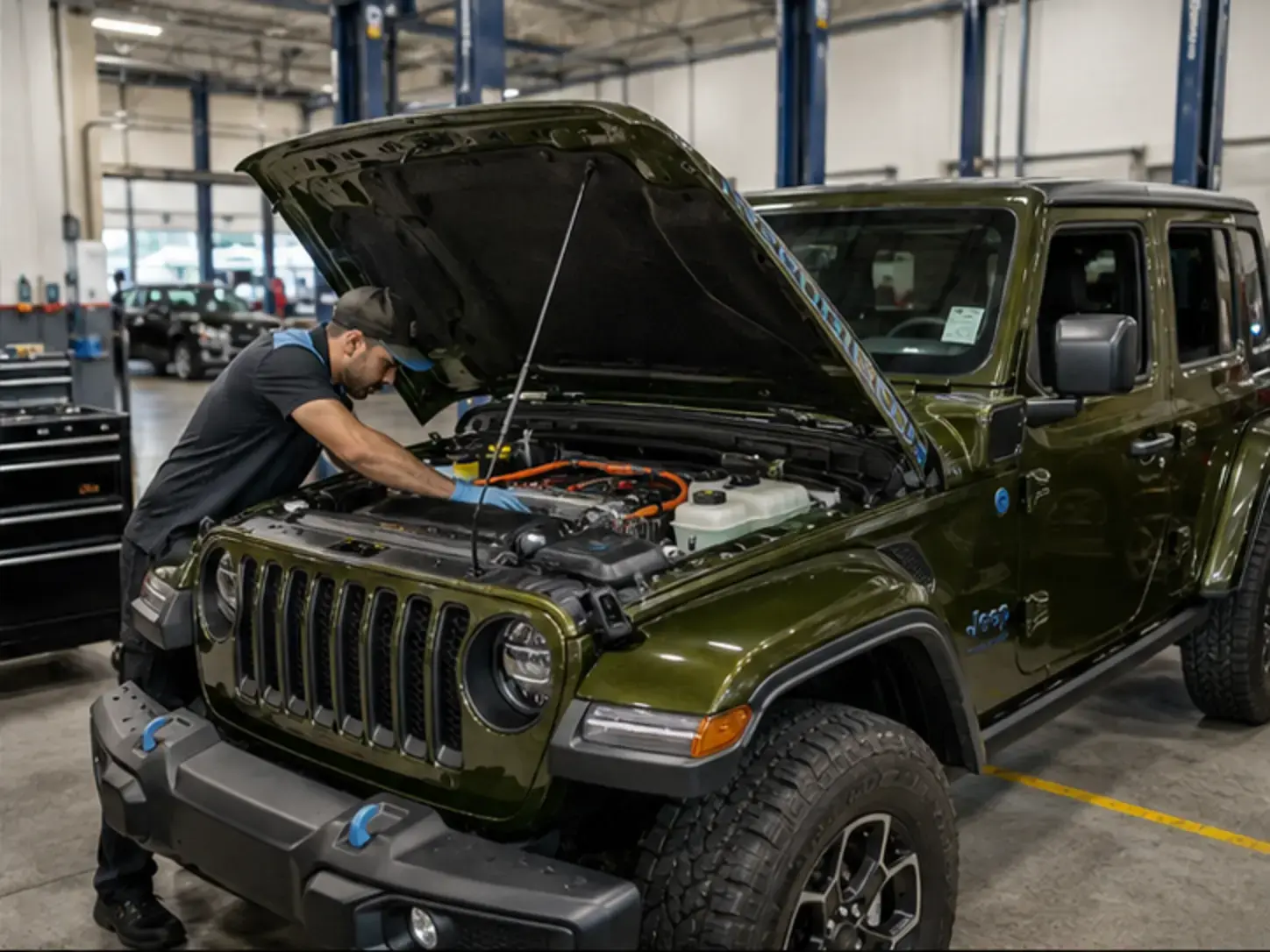
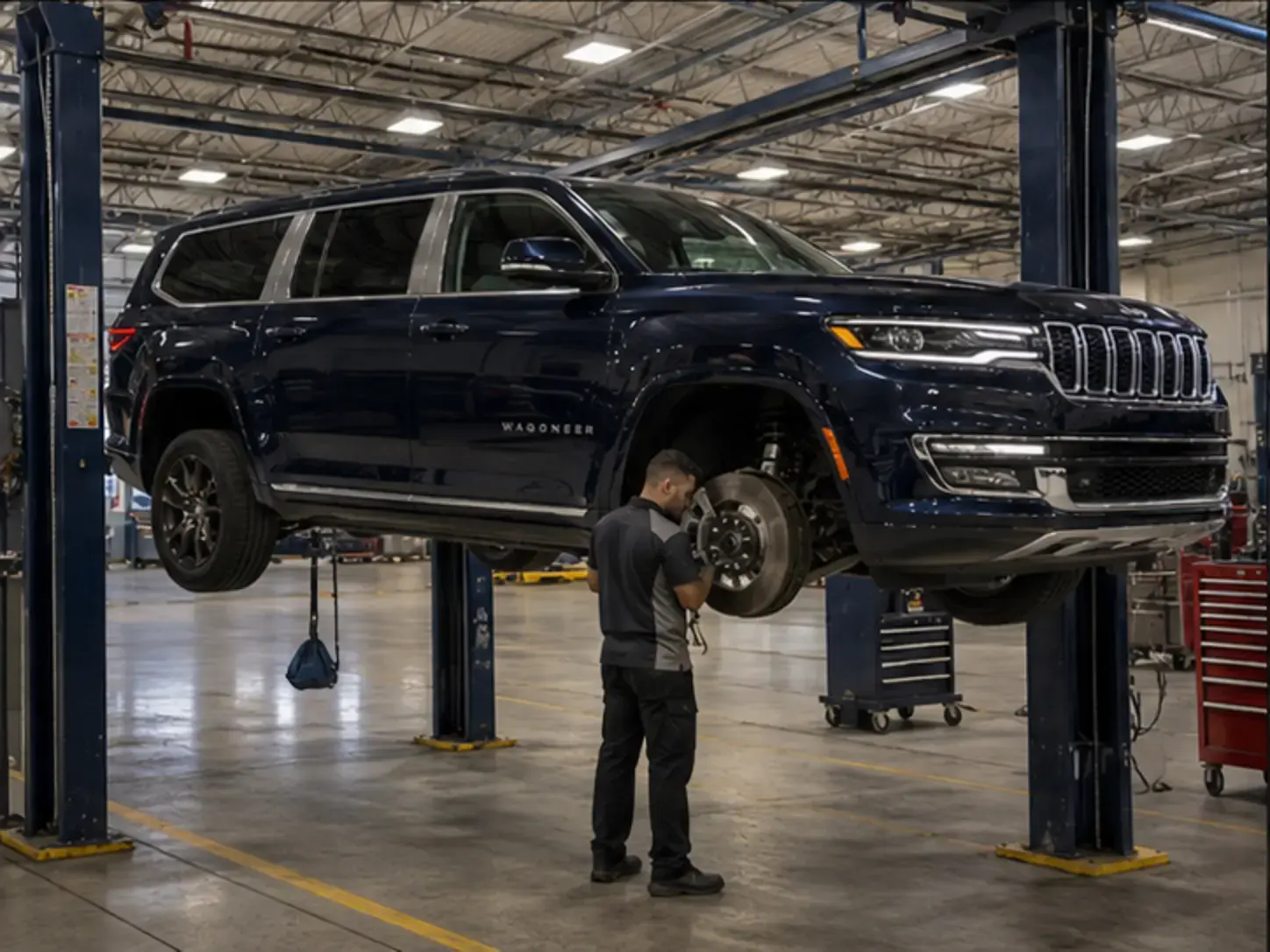
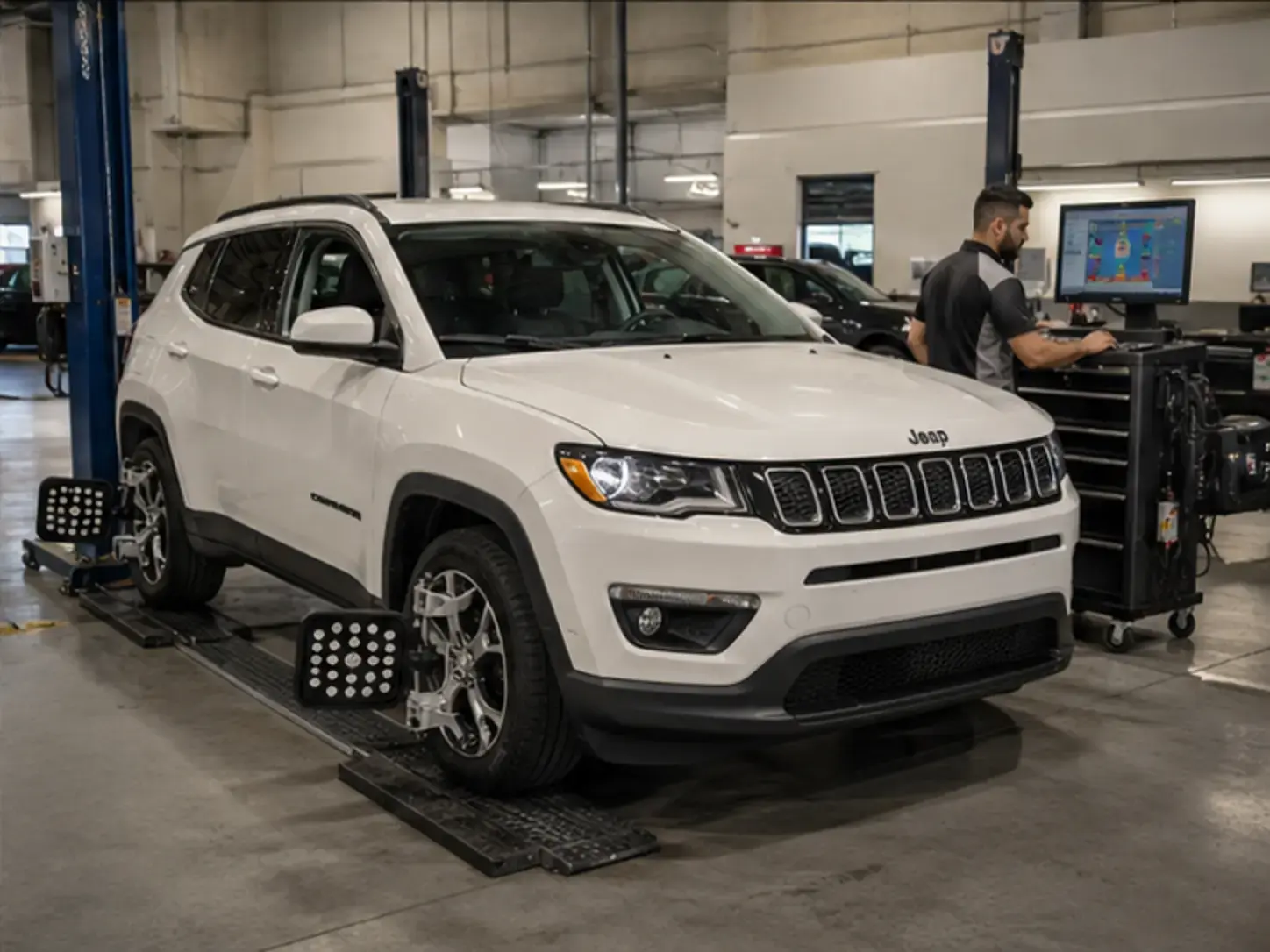
These typical job estimates are planning examples, not completed customer jobs. Each assumes the listed components and standard access. Your quotation depends on the fitted drivetrain, modifications, condition and parts availability.
Price basis: These planning amounts are not final VAT-inclusive offers. Confirm parts, installation labor, consumables, additional testing, VAT and the final payable total in the written estimate. Free initial inspection does not include unlimited diagnosis or dismantling.
Pressure testing, replacement of a suitable leaking hose assembly, coolant refill and temperature verification.
Planning total: AED 1,750Radiator, water pump, thermostat and internal-engine work are excluded unless separately confirmed.
Two OEM-equivalent front control arms, installation, joint inspection and wheel alignment.
Planning total: AED 2,650Modified suspension parts, seized hardware and steering components are quoted separately.
Correctly specified battery, installation, connection checks and charging-system verification.
Planning total: AED 1,050Parasitic-draw testing and control-module work are separate if the discharge returns.
Terrain and modification history guide testing, but the estimate should cite what was actually found on this vehicle.
| Reported Jeep condition | Evidence to record | Approval boundary |
|---|---|---|
| Wandering after an impact | Tyres, wheels, joint movement, track bar and control arms, bearings, ride height and alignment references. | Which damaged or worn item precedes any geometry adjustment? |
| Vibration after a lift installation | Tire runout, shaft and joint condition, operating angles, mounts, axle position and speed-specific behavior. | Is the correction component failure, installation geometry or a separate tire issue? |
| Overheating in low-speed sand | Airflow obstruction, fans, leakage, coolant circulation, engine and transmission temperatures and operating load. | What verified weakness remains after normal airflow is restored? |
| 4WD warning with failed engagement | Battery supply, switch command, sensors, wiring, actuator operation, fluid and mechanical transfer behavior. | Is the repair electrical, control-related or internal to the drive hardware? |
| Noise following a water crossing | Fluid condition where relevant, breathers, bearings, brakes, sensors, connectors and underbody impact evidence. | Which systems were exposed and which show actual contamination? |
| Pulling or vibration while braking | Tire pressures, pad and disc state, hub surfaces, bearings, caliper action and steering or suspension movement. | Does the scope identify that affected axle and connected chassis fault? |
Preventive attention should follow realistic exposure. It is not a license to replace every fluid or component after an ordinary drive.
If pressure is adjusted for sand, use a suitable gauge and restore the road setting before normal-speed driving. Inspect sidewalls and rims for damage during reinflation.
Share the pressure history when handling or warning behavior changed after the trip.
Remove packed sand and mud from radiators, condensers, wheels, brakes and underbody areas with appropriate care. Aggressive spraying can drive water into connectors or damage fins.
Report any submerged components, persistent odors or warning messages rather than assuming cleaning completed the inspection.
Skid plates can protect components while also hiding trapped debris, loose fasteners or impact marks. Listen for new vibration and photograph visible displacement.
Confirm removal and refitting scope before the workshop opens protected areas.
Lifted vehicles need coherent joints, control arms, track bars, bump stops, steering and driveline angles. Tire wear can reveal movement but does not identify the part alone.
Keep installation settings and alignment sheets so later changes have a comparison point.
Winches, lights, compressors, radios and cameras need protected feeds, suitable cable, sound grounds and controlled shutdown. List every device during a battery or network investigation.
A device may be isolated for testing without being blamed until current and circuit evidence supports it.
Record tire condition, fluid traces, steering center, brake feel, warning messages and new noises before washing away evidence. Stop when a serious condition affects control or temperature.
Keep inspection findings and repaired-part references with the vehicle history for future visits.
Most workshop concerns start during an ordinary commute. Weak AC, a slow start or a service reminder deserves the same careful attention as an off-road complaint.
If cooling improves once the Jeep is moving, report that pattern. Vent temperatures, condenser airflow, fan operation and refrigerant checks can help separate airflow problems from a leak or compressor fault. A recharge alone will not repair a leak.
Share the battery age, parking routine and any added lights, winch or dash camera. Check battery condition, charging performance and connections before replacement. If discharge continues, a separate parasitic-current investigation may be needed.
The year and engine determine the oil specification, filter and refill quantity. Follow the correct maintenance information and service history. A service reminder does not diagnose a warning light, oil-pressure concern or mechanical noise.
Describe whether the issue is delayed engagement, a harsh change or vibration under load. Transmission data, leaks, mounts and fitted driveline components need assessment. Do not assume a fluid change will cure internal damage or an electrical fault.
Use the Jeep service directory below for the affected system. If you are unsure, describe the symptom and let the inspection determine the next step.
Four stages prevent an unsafe vehicle from being driven into a test it should not perform.
Start with your Jeep model and main concern. We can request the year, vehicle identification details and relevant modification or driving history during follow-up.
Review brakes, steering, wheels, temperature, leakage and rolling condition before road arrival or recovery.
Compare physical damage, scan data and measurements across the relevant chassis, driveline or cooling system.
Complete written work and verify the concern without unnecessarily recreating a dangerous terrain or load event.
A useful estimate makes the repair decision clear. Stock and modified vehicles both need a defined parts specification, complete installation scope and a suitable final check.
Confirm the component reference and whether it suits the fitted lift, wheels, axle load and accessories. A standard replacement may not suit altered geometry. Discuss owner-supplied parts and responsibility before buying them.
Ask whether the amount includes access, installation, seals, fasteners, fluids, alignment and any necessary setup. List conditional work separately, especially damaged mounts, seized hardware or hidden impact damage.
A repairable hose, wiring fault or individual joint may not require an assembly. Internal engine, transmission or transfer-case damage needs a comparison of repair, rebuild and replacement scopes where feasible. Compare written warranty terms for the actual job.
Approve the complete payable amount before work starts. If extra damage is found, request an updated estimate. At collection, ask what was rechecked and keep alignment results or diagnostic notes when relevant.
Choose the system that matches the symptom. Each service page explains checks, repair choices, pricing factors, and booking options.
Cooling faults, weak airflow, leaks, and compressor diagnosis.
Collision inspection, structural checks, panels, paint, and recovery.
Battery testing, charging checks, registration, supply, and fitting.
Panel repair, paint correction, trim, bumpers, and body restoration.
Pads, discs, calipers, hydraulics, ABS, and parking brakes.
PDR, painted repair, crease correction, and panel assessment.
Overheating, leaks, warning lights, noise, rebuilds, and replacement.
Correct oil specification, filters, service intervals, and leak checks.
Bent wheels, cracks, vibration, refinishing, and replacement decisions.
Part identification, sourcing, compatibility, supply, and fitting.
Play, pulling, vibration, steering assistance, linkage, and rack faults.
Shocks, arms, bushings, springs, ride height, and handling problems.
Shift faults, leaks, diagnostics, servicing, rebuilding, and replacement.
Correct sizes, load ratings, fitting, balancing, and tire replacement.
Seat, leather, fabric, trim, headliner, and interior restoration.
Glass selection, sealing, sensor checks, fitting, and leak diagnosis.
Auto Repair UAE is in Al Quoz 4, Dubai. Send your Jeep model and the main symptom to arrange a workshop visit or free pickup and delivery. Confirm arrival details before traveling, especially if the vehicle is lifted, unusually wide or unable to move normally.
Recent alignment sheets, tire sizes, service invoices and modification records can save repeated checks. For a new problem after another repair, explain what changed and when it started.
Leave accessories and suspension settings as they were when the concern appeared unless safety requires a change. Remove valuables before collection. Tell the workshop about locks, alarms or other equipment that affects access.
Before you book: Choose a safe arrival method, approve any paid diagnostic scope and ask for a complete estimate before repair. Do not drive through a serious steering, braking or overheating problem.
Check the manual for the exact model year and market before selecting fluids, using a 4WD mode, arranging towing or adjusting maintenance plans. Imported models and 4xe variants may require different instructions.
Jeep owner manual resources provide a starting point. Select the correct vehicle information and ask for clarification if the equipment differs from your Jeep.
Planning prices include AED 250–650 for fault diagnosis and AED 450–900 for a minor service. Parts, engine, modifications and inspection findings affect the amount. Confirm VAT and the final payable total in writing before approving work.
The initial workshop inspection is free. Targeted testing or dismantling can involve a separate charge, explained before it begins. A dedicated on-site van inspection is separately paid, with the fee confirmed before booking.
Contact us with the model and concern. We will request relevant lift, wheel, steering and driveline details to confirm a suitable inspection. Modified geometry must be considered before ordering standard parts or carrying out alignment.
No. Battery supply, wiring, sensors, actuators and mechanical condition can produce different faults. Keep the exact dashboard message and describe whether four-wheel drive engages. A warning alone does not justify transfer-case replacement.
Stop safely and switch off the engine. Do not keep driving or repeatedly test it under load. Do not open a hot cooling-system cap. Contact the workshop to discuss suitable recovery before moving the vehicle.
High-voltage repair availability must be confirmed for your exact model and fault before booking or transport. A routine engine or 12-volt appointment does not include traction-battery, charging or hybrid propulsion repairs. Tell us the exact warning first.
Mention new steering movement, vibration, temperature changes, impacts, water exposure and tire-pressure adjustments. Do not recreate a dangerous condition for diagnosis. Report visible damage before washing away useful traces.
Contact Auto Repair UAE in Al Quoz 4, Dubai by phone or WhatsApp with the Jeep model and main concern. Free pickup and delivery are available. Tell us if the car cannot roll or has a serious steering, braking or temperature problem.
Send the Jeep model and the main service or symptom, then choose a workshop visit or pickup. We can request modification or drivetrain details later when they help diagnosis or parts matching.