Computer diagnosis
AED 150–300Initial scan, warning review and focused basic checks. Deeper wiring or mechanical testing is quoted separately if required.
Arrange Daihatsu repair in Dubai for Rocky, Terios, Gran Max and other supported models. We handle scheduled maintenance, overheating, engine performance, transmission behavior, brakes, suspension, electrical concerns and air conditioning. Send the model and a short description to begin.

Use these Dubai estimates to understand the likely starting budget before inspection. They cover common Daihatsu maintenance and repair work; model, engine, parts availability, access and the fault found can change the final quotation. Your written estimate confirms labour, parts, testing, VAT treatment and exclusions before work begins.
Initial scan, warning review and focused basic checks. Deeper wiring or mechanical testing is quoted separately if required.
Suitable engine oil, oil filter, level checks, visible leak review and service reset where supported.
Oil service with selected air, cabin and ignition items based on model, mileage and service history.
Brake pads, fitting and a basic brake-condition check. Discs, drums and hydraulic repairs are separate.
Cooling-performance checks and agreed routine service. Leak repair or failed components are quoted after testing.
Correct-capacity battery and installation. Charging faults or electrical drain diagnosis are not included.
Comparable work can be 65% to 70% lower than agency pricing when the parts and service scope are compared like for like. Estimates are not fixed offers and are confirmed for the exact vehicle.
Daihatsu model names can span generations, markets and powertrains. A Rocky crossover, older Terios, passenger MPV and Gran Max commercial vehicle do not share one service plan or parts list. The VIN and photographs of labels help the parts desk identify the starting point.
Imported or previously modified vehicles may contain non-standard components. Tell the workshop about engine swaps, suspension changes, converted bodies, added refrigeration equipment or electrical accessories before an estimate is prepared.
A lightly used family vehicle and a delivery van covering many stops each day place different demands on brakes, cooling, tyres, hinges, load support and charging. Mileage alone does not explain duty severity.
The technical centre should confirm whether information, tooling, lift access and part supply suit the requested operation. That check is especially important for unusual variants or vehicles with incomplete histories.
These scenes place newer vehicles inside practical service bays and connect engine condition, chassis wear and commercial-duty checks with the owner’s real use.
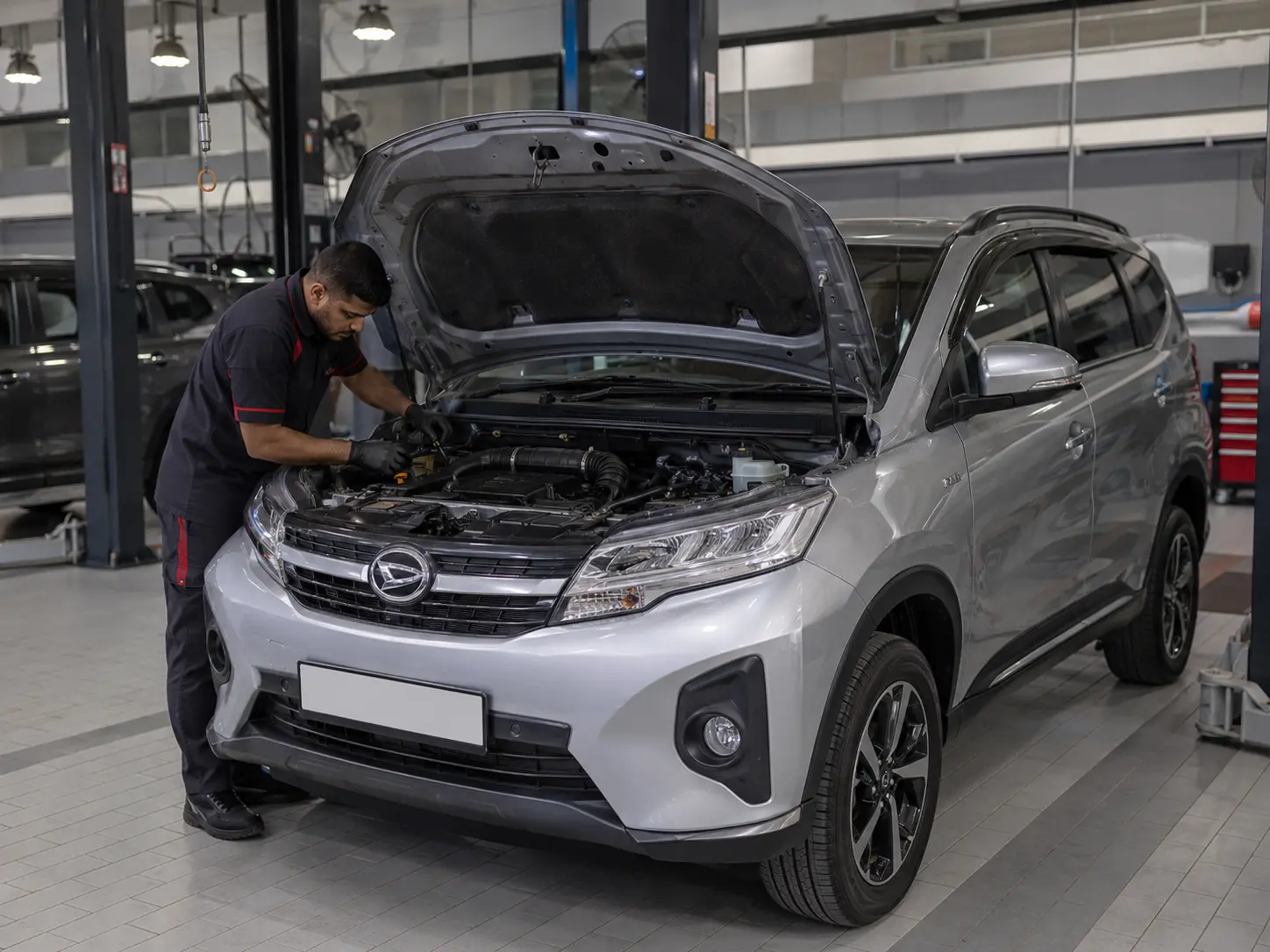
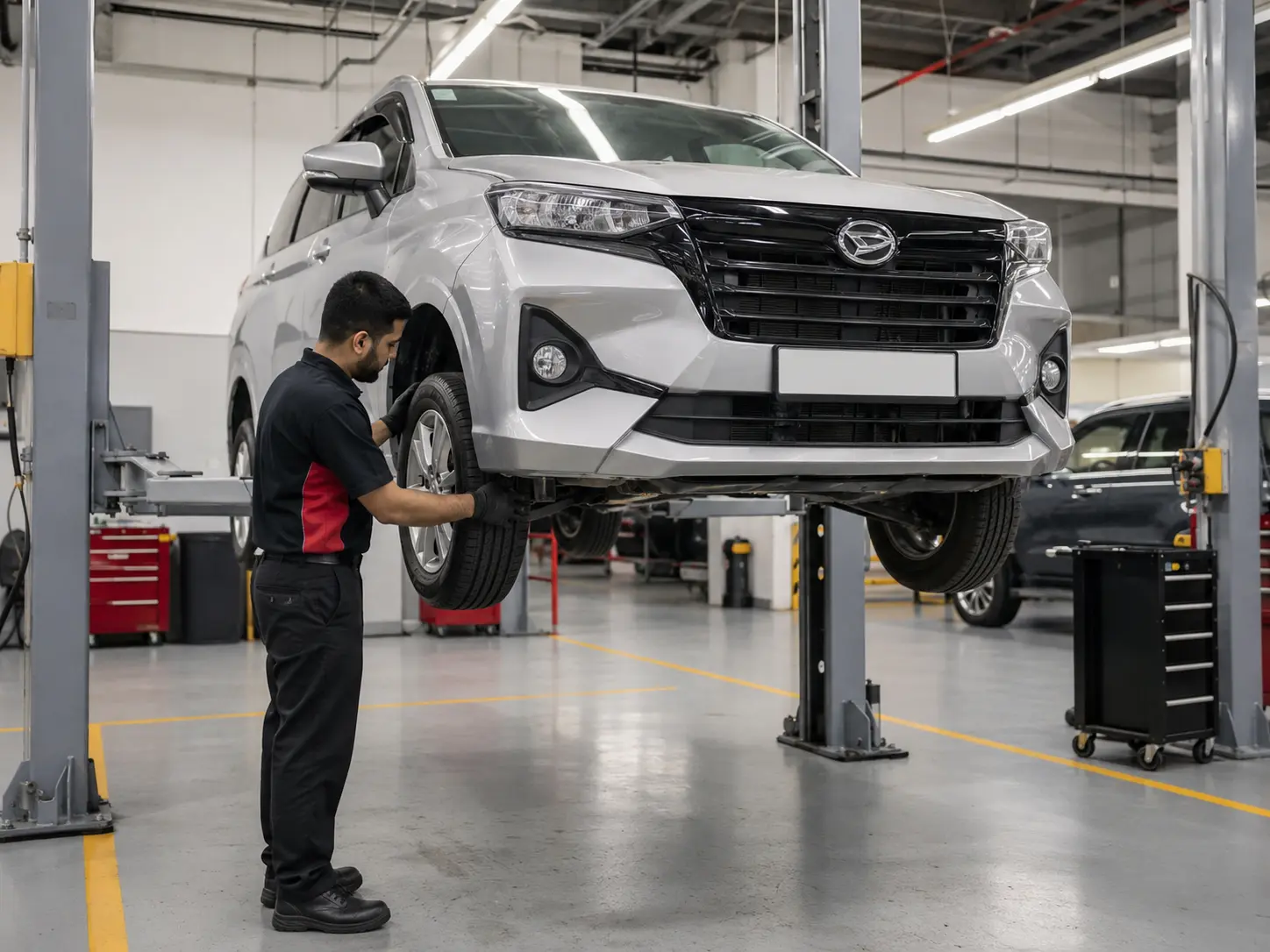
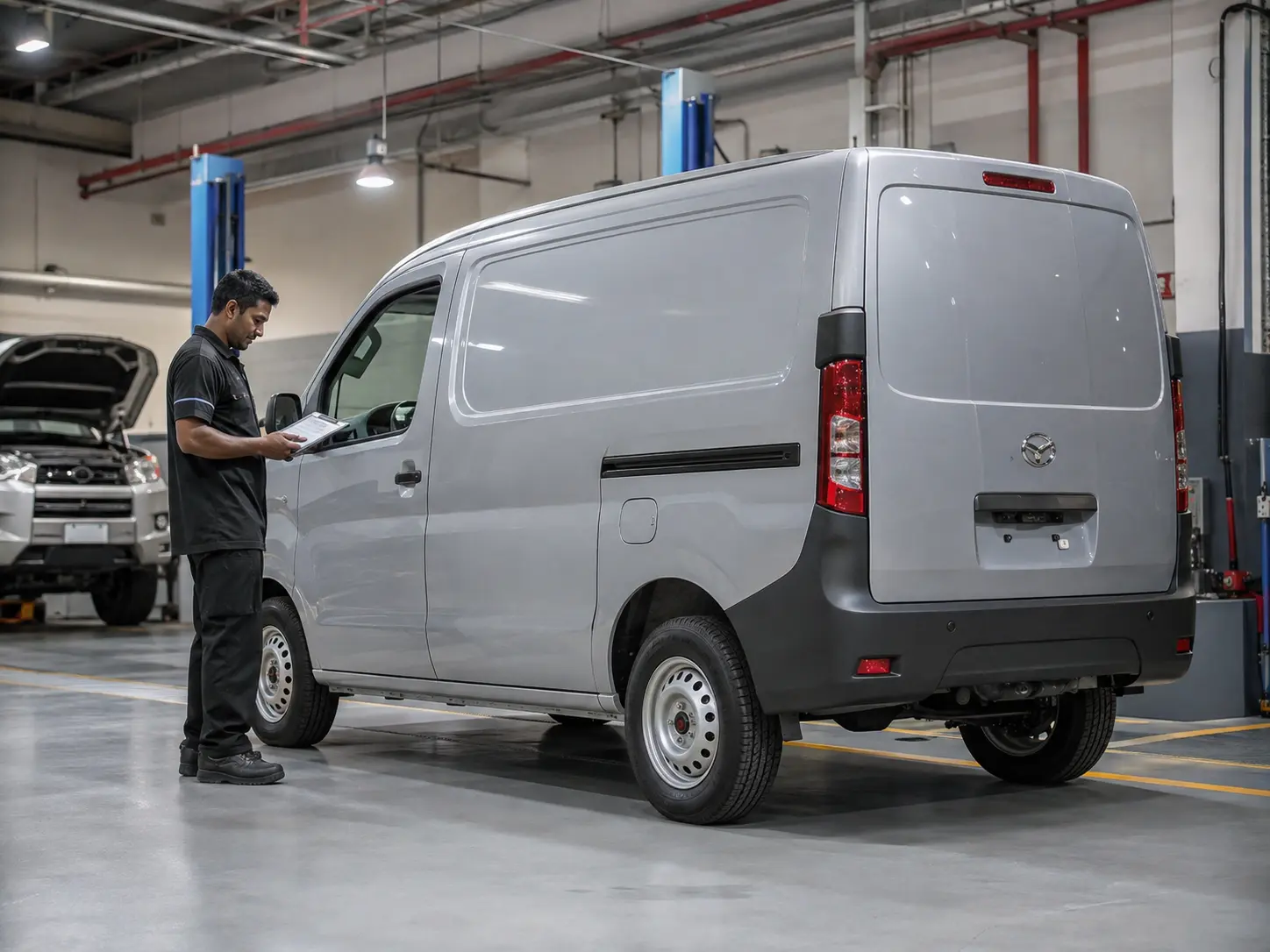
Send the model and a short description of the service or symptom. We can arrange a free workshop inspection in Al Quoz 4, free pickup and delivery, or discuss a dedicated on-site assessment when bringing the vehicle in is difficult.
Simple vehicle architecture still requires careful diagnosis. Heat, neglected fluids, wiring additions, worn mounts or incorrect previous parts can make one symptom resemble another. Record when the problem appears before choosing a repair category.
The initial visit should establish present condition and immediate risk. It cannot honestly guarantee that every concealed part, seized fastener or imported component is known before access begins.
The brand overview helps owners choose a sensible starting point. Detailed service pages carry the primary intent for individual repairs and prevent every Daihatsu enquiry from becoming the same generic package.
Choose a diagnostic review when history is missing, several warnings appear or the symptom crosses systems. Visual condition, codes and measurements should support a prioritized plan.
Open inspection serviceUse for overheating, oil or coolant loss, smoke, misfire and mechanical noise. External systems and maintenance condition should be checked before internal work is proposed.
Read the engine pathwayReport delayed drive, harsh shifts, slip, selection difficulty or noise. The route should separate clutch, linkage, mount, shaft, fluid and internal possibilities.
See transmission repairArrange prompt assessment for noise, vibration, pulling, warning lamps or altered pedal feel. The scope must identify the affected axle and related hydraulic or tyre condition.
Read the braking guideUse after knocks, uneven ride height, wandering or abnormal tyre wear. Damaged parts are addressed before alignment readings are treated as that final answer.
View suspension repairWeak cooling can be caused by low airflow, leakage, fan performance, control faults or compressor operation. Repeated refrigerant loss needs leak investigation.
Open AC repairA useful maintenance plan considers how the vehicle works each day. Commercial duty, crowded urban routes and long idle periods can shorten inspection intervals without proving that parts need replacement automatically.
Check for changes in coolant level, stains, odors and fan operation without opening a hot system. Record any top-up quantity and the correct fluid used.
If temperature rises, stop safely and avoid repeated driving tests. Overheating severity cannot be judged only by how far the vehicle still moves.
Tell the workshop the usual payload, body equipment and route. Sagging, tyre wear, brake heat and clutch behavior need interpretation against realistic duty.
Do not exceed rated limits or ask suspension repairs to compensate for overloading. Load security and tyre specifications remain owner responsibilities.
Repeated starts with little steady driving can affect battery charge, oil condition and moisture accumulation. Keep dates and mileage for fluid services rather than relying on a dashboard reset alone.
The appropriate interval depends on the correct schedule and actual operating pattern, not a universal promotional package.
Record size, pressure, age, damage and tread across all positions. A single replacement with a different specification can alter handling or driveline behavior.
After a curb or pothole strike, inspect tyre structure and wheel shape before requesting alignment by itself.
Keep photographs, packaging and reference numbers for filters, sensors, mounts, brake items and body-specific equipment. Similar appearance does not prove compatibility.
Agree the parts basis and return terms before a special-order item is purchased or owner-supplied.
Ask what was found, what remained serviceable and which post-repair check was completed. Test the original concern where practical before resuming heavy duty.
Keep the invoice and measurements for the next visit so an intermittent case can continue from existing evidence.
An estimate should distinguish verified repair, due maintenance, preventive advice and optional improvement. That distinction matters when an older or commercial vehicle presents several needs at once.
| Workshop finding | Evidence expected | Decision to confirm |
|---|---|---|
| Coolant loss with high temperature | Pressure result, leak location, fan and airflow behavior, fluid condition and engine checks where indicated. | Which cause is verified and what damage assessment remains? |
| Rough idle after warm-up | Repeatable condition, codes, ignition and fuel evidence, air leakage, compression context and supply voltage. | Is the quotation for the proven cause or an exploratory part? |
| Clutch slips under load | Road behavior, free play or hydraulic condition, leakage, mount state and access findings. | What related components become visible only after removal? |
| Knock with uneven tyre wear | Tyre condition, joint and bushing movement, strut or mount state, ride height and alignment readings. | Which worn hardware must be corrected before geometry? |
| Delivery van battery discharge | Battery capacity, charging performance, usage pattern, connections and parked-current test. | Does the remedy address weak storage, inadequate charging or abnormal draw? |
| AC cools only while moving | Vent temperatures, condenser airflow, fan command, pressures, leakage evidence and engine temperature. | Is road speed masking an airflow problem at idle? |
Useful information is more valuable than a long list regarding possible parts. Give the advisor observations that connect the vehicle’s identity, working conditions and maintenance history.
Send VIN and model details when the registration description is broad. Imported specifications may need photographs before parts or technical information can be checked.
List engine oil, coolant, transmission fluid, spark plugs, belts, battery, brake and AC work with dates and mileage where known.
For commercial vehicles, describe cargo, daily stops, idle time, highway distance and steep ramps. This helps prioritize cooling, brakes, clutch, tyres and charging.
Name the part or repair already tried and whether the symptom changed. Do not remove stored evidence or discard old references before the next diagnosis.
These are realistic planning examples, not fixed offers or claims about previously completed vehicles. Inspection, parts availability and the exact specification determine the final total.
Assumes normal access and no separate fault diagnosis.
Disc replacement and hydraulic repairs are excluded.
Leaks and failed components are quoted separately.
A four-stage path keeps an everyday vehicle available without rushing through diagnosis or parts approval.
Send VIN, year, engine, transmission, market, mileage and the vehicle’s passenger or commercial use.
Confirm the symptom conditions, check immediate safety and gather physical, scan or measured evidence.
Separate urgent control issues, reliability work, scheduled items and optional comfort requests.
Complete approved work, recheck the original complaint and advise any staged follow-up for real use.
Ask whether the part is original-equipment, equivalent aftermarket, used or owner-supplied, and confirm the exact reference. The written estimate should cover labour, consumables, tax, setup and any additional items that can only be assessed after disassembly.
For an imported or work-critical vehicle, agree timing and contingency without assuming instant stock or fixed completion. Warranty terms apply to the approved repair and supplied parts; they should be recorded for this invoice.
When the vehicle supports a business route, discuss a staged plan that keeps immediate road-safety decisions separate from later reliability or appearance work. A temporary operational priority must never hide an unsafe brake, tyre, steering, temperature or fluid condition.
These general answers set honest booking boundaries. Inspection results and parts confirmation determine the actual recommendation.
Rocky, Terios, Gran Max, passenger MPVs and other variants can be reviewed after VIN, specification and requested work are provided.
Parts depend on exact reference, market and supplier availability. Confirm the basis and timing before approving a special order.
Pull over promptly if the gauge climbs or coolant escapes. More driving can increase damage; request advice on safe vehicle recovery.
Their payload, stop-start use, idling and route can change brake, cooling, tyre, clutch and charging priorities.
Yes, an initial assessment can separate engagement, shifting, clutch, mount, shaft, fluid and control symptoms before internal work is proposed.
Condenser airflow, fan operation, refrigerant condition, compressor control, filters and engine temperature may be relevant.
Ask first. Reference, quality, condition, fitment responsibility, return rights and labour terms need written agreement.
Provide model, year, VIN if requested, mileage, exact symptom, warning photographs, service history and normal passenger or cargo use.
Send the model identity, mileage, operating duty, service history and the precise conditions that reveal the concern. The advisor can review capability, access and parts context before confirming the visit.