Independent Renault workshop

Renault repairin Dubai

Arrange Renault repair in Dubai for maintenance, warning lights, engine and cooling concerns, transmission behaviour, electrical faults, brakes, suspension and air conditioning. Our Al Quoz workshop begins with the model, powertrain, service history and symptom before a repair scope is proposed.

FCP, Al Quoz Industrial Area 4Independent multi-brand workshopFindings reviewed before approval
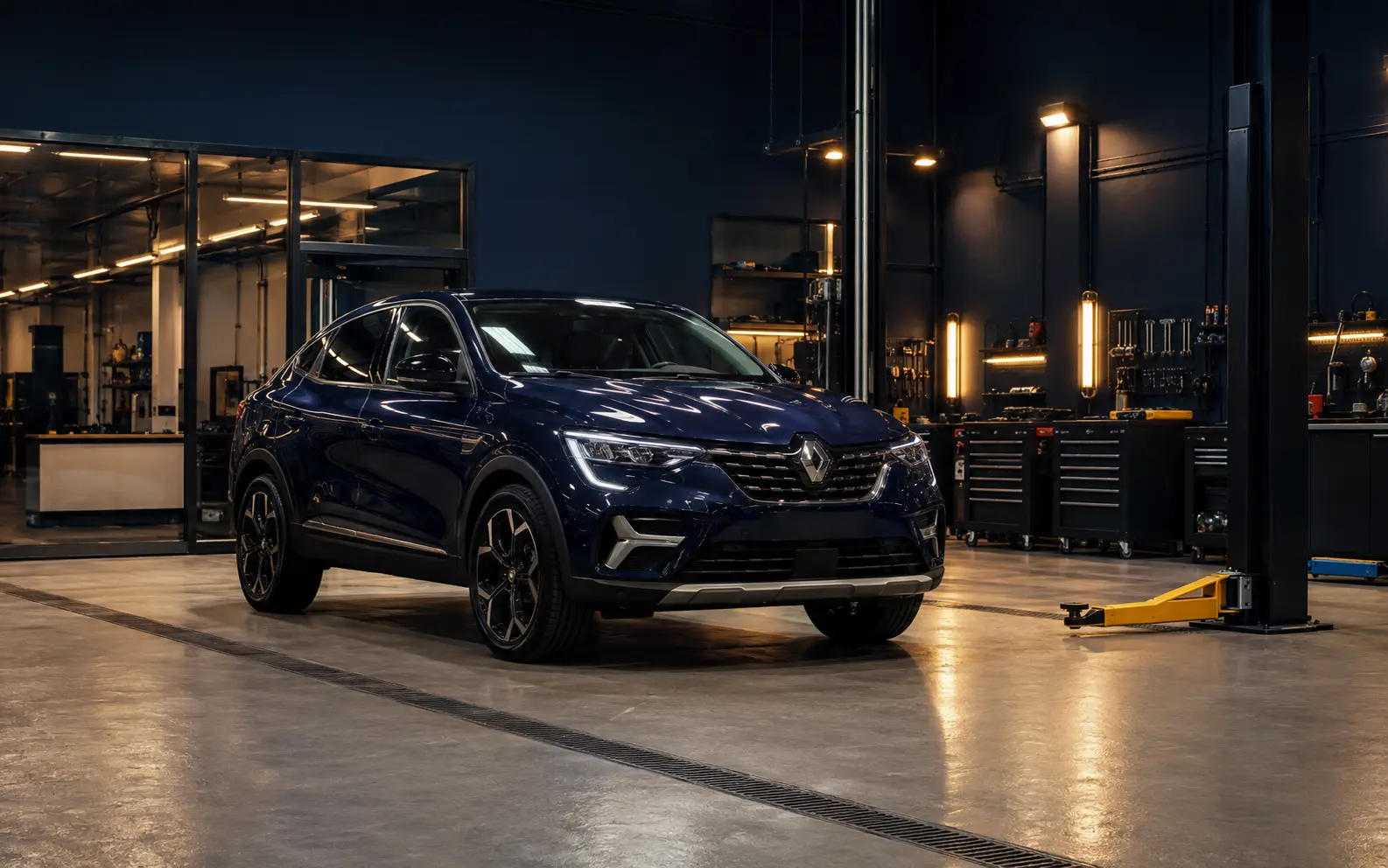
Current-generation Renault crossover inside a modern independent Dubai workshop
Send the symptom and historyModel, year, mileage, dashboard message, recent work and when the concern appears.
Maintenance dueUse the model schedule, mileage, age and recorded service history.
Warning displayedSend the exact message and note any reduced-power or starting behaviour.
Driveability changedRecord when the hesitation, shift, vibration, noise or temperature change occurs.
Estimate neededInspection defines the parts, labour, timing and exclusions to approve.
Start by what the car does

Choose a Renault repair route

A useful booking does not require the owner to name a failed component. Describe the observable change. The first inspection can then focus on the system most likely to provide evidence.

01

Warning lights and starting faults

Book diagnostics when a warning remains on, the engine cranks slowly, starting becomes intermittent, power is limited or several electrical messages appear together. Battery condition and power supply should be checked alongside fault data.

Explore computer diagnostics
02

Engine and cooling changes

Report overheating, coolant loss, oil leaks, smoke, rough running, hesitation, unusual noise or a drop in performance. Stop safely for severe temperature or oil-pressure warnings.

Explore engine repair
03

Transmission behaviour

Delayed engagement, harsh or uncertain shifts, shudder, warning messages and fluid leaks need separate checks. The transmission type, software, mounts, controls and mechanical condition can lead to different solutions.

Explore transmission repair
04

Brake and suspension concerns

Arrange inspection for grinding, a soft pedal, pulling, steering vibration, clunks, uneven ride height or tyre wear. Safety-related changes should be assessed before regular driving continues.

Explore brake repair
05

Weak AC cooling

Cooling loss can involve airflow, cabin filters, refrigerant leakage, sensors, electrical controls, fans or the compressor. A gas refill is not a complete answer when the system loses performance again.

Explore car AC repair
06

Battery and electrical supply

Slow cranking, repeated battery discharge and multiple warnings can begin with a battery, charging or connection problem. Test the supply before replacing an unrelated module.

Explore battery replacement
Service history matters

Build the maintenance plan

Renault maintenance should follow the schedule for the exact vehicle, not a universal package copied across every model.

Bring the VIN, mileage and previous invoices. They can prevent duplicated work and reveal overdue time-based items.

Engine oil and filter
Confirm the required specification and interval from the model information. Inspect for leaks, abnormal level changes and evidence of delayed servicing.
Timing system
Some Renault engines use a belt and others use a different arrangement. Replacement timing depends on the engine, age, mileage and history. Do not apply a single interval to every Renault.
Cooling system
Check coolant condition, level, leaks, hoses, thermostat behaviour and fan operation when history is incomplete or temperature behaviour changes.
Transmission service
Identify the transmission type and the applicable maintenance information. Fluid condition, leakage and shift behaviour should be reviewed before a generic flush is approved.
Brakes and tyres
Measure condition instead of relying on a dashboard reminder alone. Wear pattern can also reveal alignment, suspension or pressure concerns.
Battery and charging
Dubai heat and vehicle usage affect battery life. Test state of health, charging performance and connections before replacing a battery only because it is old.
Cabin comfort
Inspect airflow, filter condition and cooling performance. Odour, weak airflow and poor cooling are different symptoms and may not have the same cause.
Three workshop views

Match the check to the symptom

A Renault visit may begin with scan-assisted inspection, an AC and cooling assessment, or a chassis safety check. The booking brief decides where the first evidence should come from.

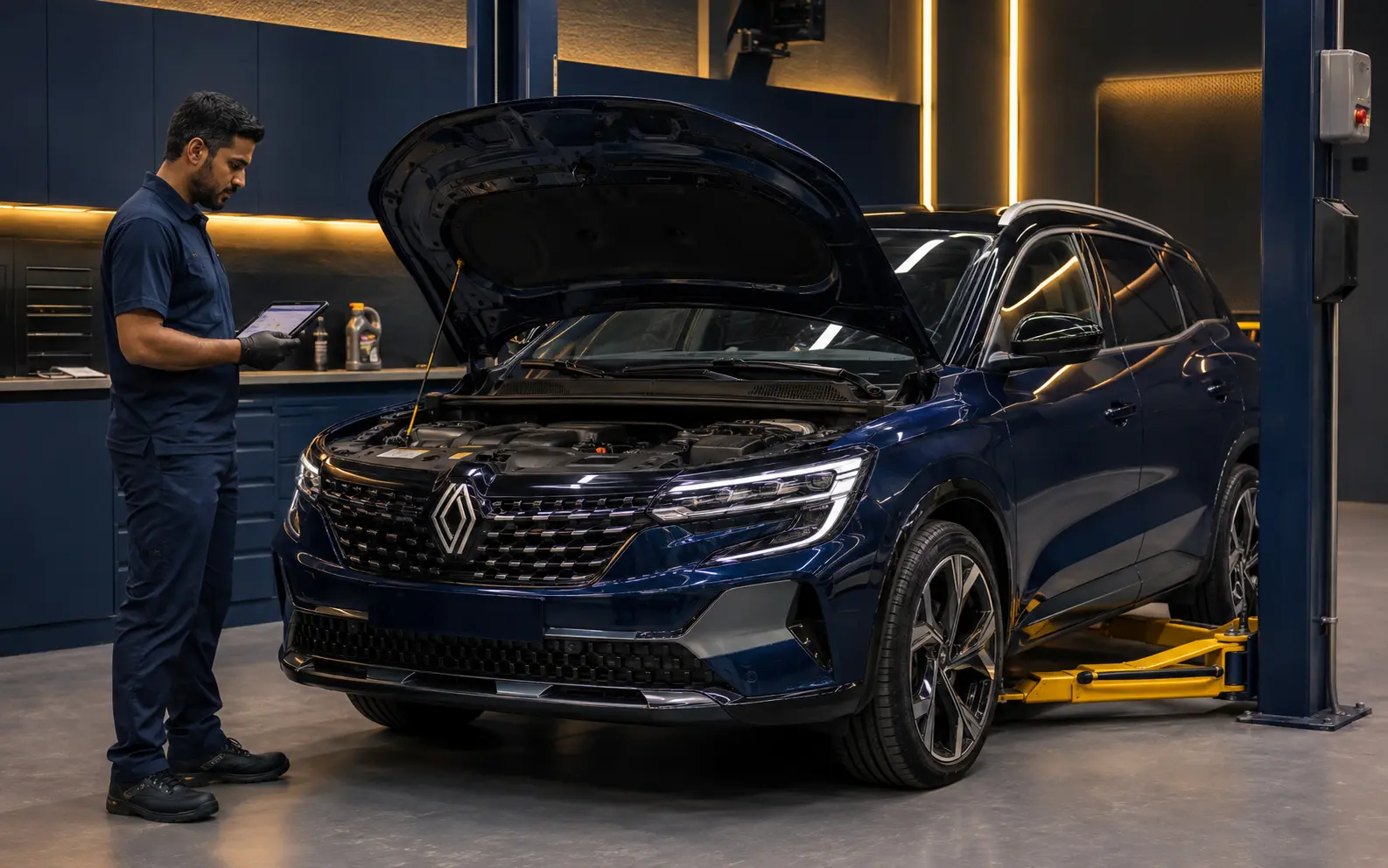
Technician carrying out a diagnostic inspection on a current Renault crossover
Diagnostic inspectionCombine the message, history, power supply and relevant live information.
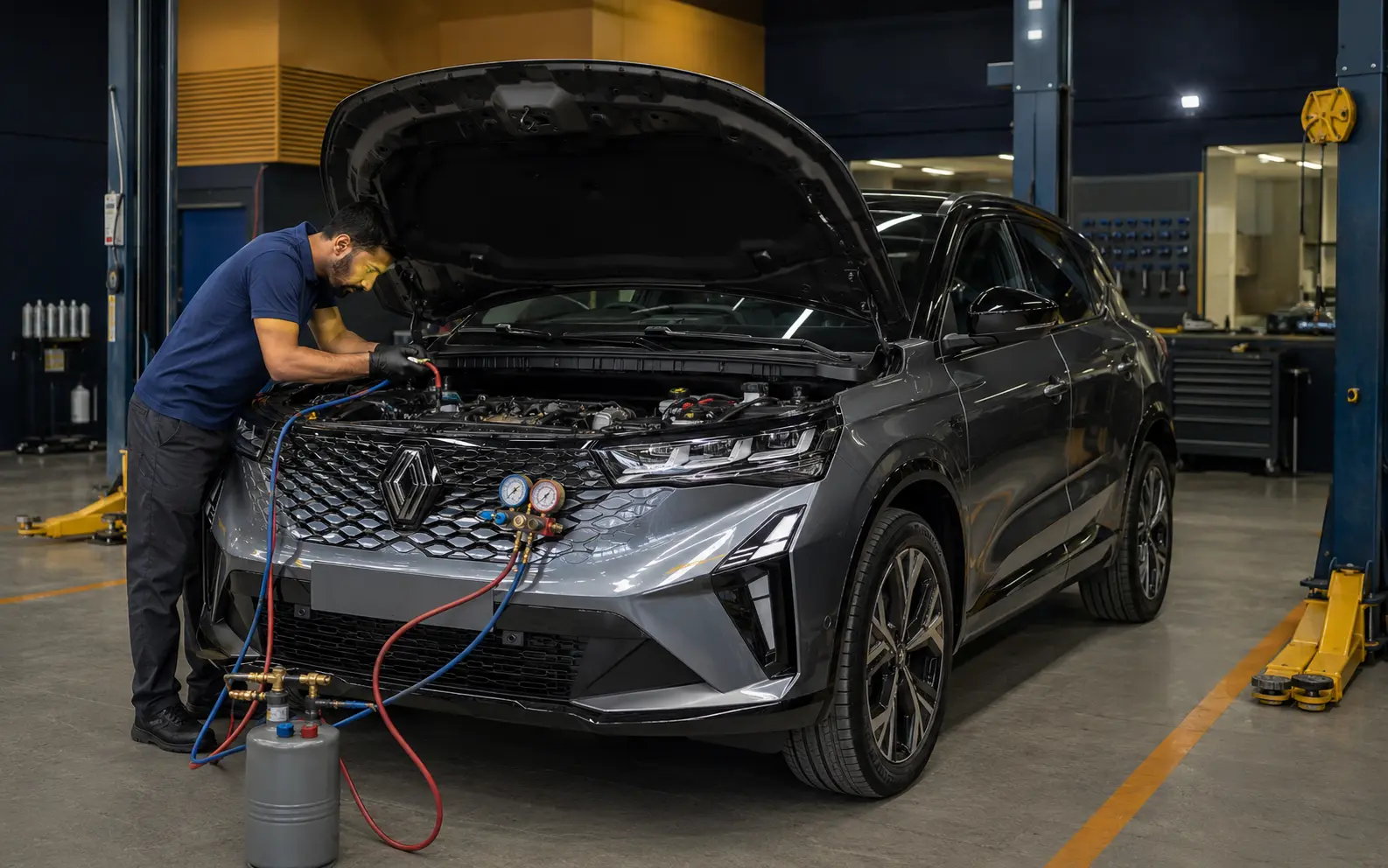
Technician inspecting the AC and cooling system of a current Renault crossover
AC and coolingSeparate weak cabin cooling, refrigerant loss and engine-temperature concerns.
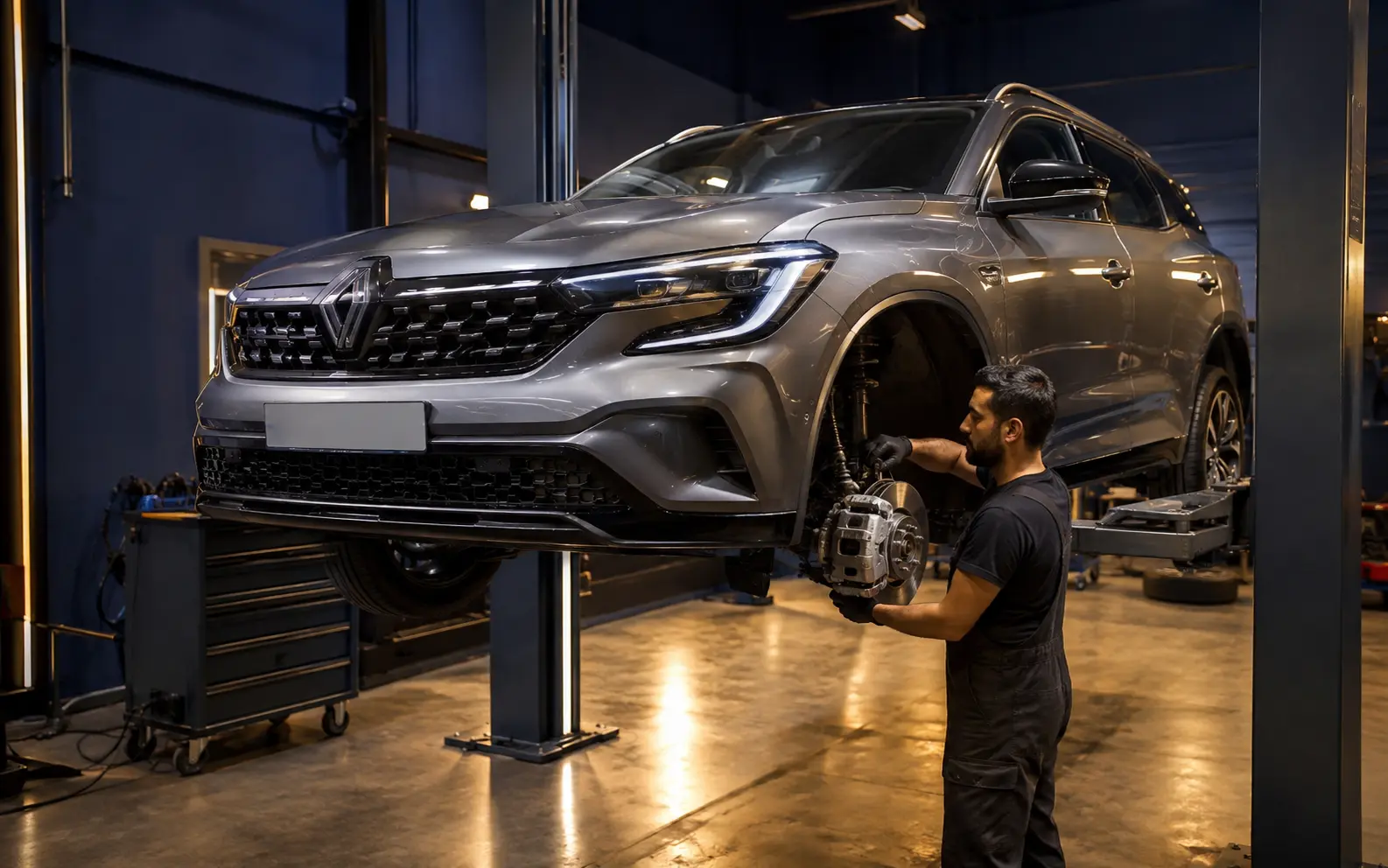
Technician inspecting the front brake and suspension of a current Renault crossover
Brake and suspensionInspect wear, damage, tyres and movement before approving parts or alignment.
From symptom to evidence

What a diagnostic visit should answer

A scan is useful when it is combined with the symptom, the freeze-frame information, live readings and physical inspection. It should narrow the investigation rather than turn every stored code into a parts list.

Owner reportsFirst checks may includeDecision after evidence
Engine warning and poor performanceRelevant fault data, intake and vacuum inspection, ignition or fuel evidence, sensor readings and mechanical condition where indicated.Repair the confirmed cause, clear the fault correctly and verify whether the symptom and data return.
Transmission warning or shudderTransmission identification, fluid leaks, mounts, fault data, temperature, adaptation information and repeatable road-test behaviour.Separate software, control, service, mounting and internal mechanical possibilities before approving major work.
Overheating in trafficCoolant level, pressure and leak evidence, fan operation, temperature data, airflow and prior cooling-system work.Address the verified fault and check for any consequence of overheating before normal use resumes.
Battery repeatedly goes flatBattery state, charging output, terminal condition, sleep current and evidence of an accessory or module remaining active.Decide whether the battery is the cause, the result of another problem, or one part of a wider repair.
AC cools only while movingAirflow, condenser condition, fan operation, pressures, temperature readings, refrigerant leakage and control commands.Repair the system causing the performance loss rather than repeatedly adding refrigerant without a leak decision.
Dubai ownership conditions

Service for the way you drive

Short trips, long idle periods, heavy traffic, outdoor parking and regular highway use do not affect a Renault in the same way. Explain the real use of the car when discussing maintenance and repeat faults.

Heat and cooling load

Weak cooling-system performance may become obvious first in traffic or during the hottest part of the day. Note whether the temperature changes at idle, during acceleration or only with the AC operating. Share any recent coolant top-up or leak repair.

For air conditioning, describe vent temperature, airflow strength, unusual noise and whether one side behaves differently. These details reduce the temptation to treat every concern as a simple refill.

Short-trip and low-mileage cars

Low annual mileage does not remove time-based maintenance. Repeated short journeys may leave the battery undercharged and can make some engine symptoms more noticeable. Long storage can also affect tyres, brakes, seals and fluids.

Tell the workshop how long the vehicle was parked and whether it required jump starting. This context belongs in the first diagnostic brief.

Family and commuter use

For a daily-use Renault, state any deadline before work begins, but allow inspection to define a realistic completion estimate. Parts availability and additional findings can change timing. Do not rely on a blanket promise that every repair finishes within a fixed number of hours.

Remove important belongings, child seats or cargo when access to the cabin, luggage area or electrical systems may be needed.

Used Renault history

If the car was recently purchased, ask for a baseline inspection and collect the available history. A service reminder reset does not prove that every required item was completed. Look for invoices, labels and condition evidence.

Separate immediate safety or drivability concerns from future maintenance so the first budget is understandable.

Model-specific booking

Send the exact Renault model

The Renault name alone does not define the engine, transmission, software, service parts or applicable maintenance plan. Include the model year and VIN where possible. Older and imported vehicles may need additional parts research before work is accepted.

This workshop page covers independent repair enquiries. It does not represent Renault, an authorised Renault service centre or a manufacturer warranty provider. If the car is within a manufacturer or dealer warranty, confirm the warranty route before approving independent work.

Parts choices need context

Ask whether the proposal uses an original, aftermarket, remanufactured, repaired or used part. Confirm compatibility, lead time, return conditions and the written terms for that specific job. A lower initial price is not the only factor when programming, calibration or repeat access may be required.

  • Duster and KoleosShare drivetrain, transmission behaviour, suspension noise, cooling history and any warning messages.
  • Captur and ArkanaConfirm model year, engine, transmission, service history and the exact dashboard message.
  • Megane and FluenceDescribe starting, electrical, AC, engine or transmission symptoms and when they are repeatable.
  • Symbol and LoganProvide mileage, timing-system history, cooling condition and any recent maintenance.
  • Kangoo and ExpressExplain commercial use, payload pattern, downtime constraints and the maintenance record.
  • Older Renault modelsConfirm parts availability and previous repairs before dismantling begins.
A better booking message

Send useful Renault details

Include the model, year, mileage, engine or transmission if known, current warning message, main symptom, when it occurs, whether the car can be driven safely and what work was completed recently. Photos or a short video may help describe a leak, sound or warning, but they do not replace workshop inspection.

Understand the estimate

What affects Renault repair cost

A useful estimate explains more than a total. The model, engine, transmission, diagnostic time, access, parts route and whether related damage is present can all change the final scope. Ask the workshop to separate inspection, confirmed work and optional or preventive items.

Diagnosis and access

Intermittent faults can require more time than an obvious failed part because the symptom must be reproduced and measured. Some components require removal of covers, trim or nearby systems before their condition is visible. Confirm what the initial inspection includes and when further diagnostic approval would be requested.

Parts and programming

Original, aftermarket, remanufactured and used parts can differ in price, availability and written terms. Some electronic or control components may require coding, configuration or calibration after installation. Ask whether those steps are included and whether the proposed part is returnable if the diagnosis changes.

Related work and fluids

A repair may disturb seals, fasteners, fluids or components that must be renewed for correct reassembly. The workshop should identify these items instead of presenting them as a surprise at handover. If damage is discovered after access, request photographs or another clear explanation before approving the expanded scope.

The lowest quote is not automatically the lowest final cost. Compare the confirmed fault, parts basis, included labour, testing, exclusions and written terms.

Keep a useful handover record

At collection, ask what was found, what was replaced or repaired, which checks were repeated and whether any warning remains. Confirm the next maintenance item and any follow-up inspection. Keep the invoice with the previous service history and note the mileage. If a replaced part has a job-specific warranty, retain the wording and understand what is excluded.

Drive the vehicle with attention to the original symptom. If it returns, record the conditions and contact the workshop promptly rather than clearing warnings or authorising another repair elsewhere without the original information. A clear history helps distinguish a repeat fault from a new problem.

Repair approval path

From booking to handover

Each step should produce a clear decision rather than a vague promise.

  1. 01

    Book the right check

    Use the symptom and history to agree the first inspection or maintenance route.

  2. 02

    Record the findings

    Separate verified faults, observations and tests that still need approval.

  3. 03

    Approve the scope

    Confirm parts basis, labour, timing, exclusions and what could change after access.

  4. 04

    Verify the result

    Repeat the relevant check, review warning status and record any follow-up advice.

Renault repair questions

Answers before you book

Final maintenance and repair decisions depend on the exact vehicle, records and workshop findings.

How often should I service my Renault?

Follow the maintenance information for the exact model, engine, age and use. The dashboard reminder and mileage are useful, but service history and time-based requirements also matter. Share the VIN and records when the schedule is uncertain.

Can a diagnostic scan identify every Renault fault?

No. A scan identifies information reported by control modules. Physical inspection, voltage checks, measurements, live data and symptom testing may still be needed to identify the cause.

Should every Renault timing belt follow one interval?

No. Timing-system type and maintenance requirements vary by engine and model. Confirm the applicable information and previous replacement history before approving work.

Why does my Renault AC cool poorly in traffic?

Possible causes include airflow, condenser condition, cooling-fan operation, refrigerant leakage, compressor performance, sensors or controls. Testing should identify which system loses performance.

Can I keep driving with a transmission warning?

Ask for advice based on the warning and behaviour. Stop driving if the car engages unpredictably, loses drive, leaks fluid, overheats or cannot be controlled safely. Recovery may be the safer route.

Do you provide authorised Renault dealer service?

No. Auto Repair UAE is an independent multi-brand workshop. Confirm manufacturer or dealer warranty requirements before authorising independent maintenance or repair.

How long will Renault repair take?

Timing depends on diagnosis, access, parts availability, approval and any additional finding. Ask for an estimate after the initial inspection rather than relying on a fixed website promise.

Where is the Renault repair workshop?

The workshop receives enquiries at FCP, Al Quoz Industrial Area 4, Dubai. Confirm the appointment and arrival instructions before travelling.

Start with the right information

Book Renault repair

Send the model, mileage, warning message and main symptom. The workshop can confirm the suitable first check and the information needed before arrival.