

Have you ever felt your car shudder or heard strange noises while driving? These could be early warning signs of bad drive shaft symptoms that you can’t afford to ignore! A drive shaft plays a crucial role in your vehicle’s operation, transferring power from the engine to the wheels to keep you moving smoothly and efficiently.
When a drive shaft starts to fail, it can cause serious issues affecting everything from your car’s performance to your safety on the road. Symptoms like vibrations, clunking noises, or difficulty steering may seem minor at first, but they’re often indicators of a bigger problem lurking beneath the surface.
Don’t wait until your vehicle leaves you stranded or causes an accident! Identifying and addressing bad drive shaft symptoms early can save you from costly repairs and potential danger.
In this blog, we’ll explore the causes, signs, and solutions for a bad drive shaft. From understanding common symptoms to diagnosing and preventing issues, this guide will help you stay informed and proactive about keeping your vehicle safe and reliable. Stay tuned as we dive into everything you need to know!
What is a Drive Shaft?
Ever wondered what keeps your car’s wheels turning smoothly? That’s the drive shaft in action! The drive shaft, which transfers power from the engine and transmission to the wheels, is an essential part of your car’s drivetrain. In essence, it ensures a smooth driving experience by bridging the gap between your car’s motion and power supply.
You won’t even be aware that the drive shaft is operating when it’s in good shape. However, when problems occur, bad drive shaft symptoms can become impossible to ignore. Vibrations, clunking noises, or a sudden loss of power are just a few warning signs that indicate trouble.
A faulty drive shaft disrupts the power flow to your wheels, leading to noticeable performance issues and even compromising your safety. Don’t wait until your vehicle becomes unsafe to drive! Recognizing and addressing bad drive shaft symptoms promptly can help avoid costly repairs and dangerous breakdowns.
Understanding the drive shaft’s role is the first step in identifying potential problems and keeping your car running smoothly. Let’s dive deeper into the causes, signs, and fixes for these issues in the sections ahead!
Common Causes of a Bad Drive Shaft
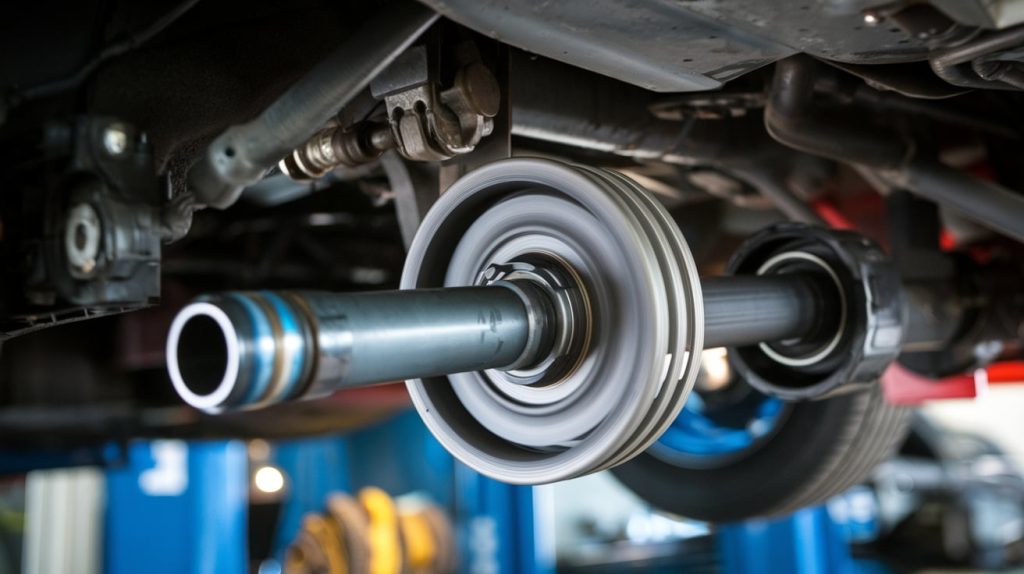
What leads to the frustrating and dangerous bad drive shaft symptoms? You can avoid unplanned malfunctions and expensive repairs by being aware of the underlying causes. The most frequent causes of a malfunctioning drive shaft are as follows:
-
Worn-Out Universal Joints (U-Joints):
The drive shaft is joined to the differential and transmission by universal joints or U-joints. Due to continuous motion and pressure, these parts may eventually wear out or seize, producing clunking noises or even total failure. Faulty U-joints are a primary cause of bad drive shaft symptoms and need immediate attention.
-
Improper Lubrication:
Excessive friction, heat, and ultimately damage might result from lubricating the drive shaft’s moving elements. Bearings and U-joints, for example, can deteriorate rapidly without adequate lubrication, leading to vibrations and decreased performance.
-
Physical Damage or Wear Over Time:
The drive shaft is subjected to potholes, road debris, and regular wear during daily driving. Bends, dents, or fractures in the drive shaft may result in damaged driveshaft components, leading to noticeable symptoms such as difficulty steering or power loss.
Don’t wait until your car’s performance worsens or your vehicle becomes unsafe to drive! Addressing these issues early can prevent the escalation of bad drive shaft symptoms into costly repairs or dangerous breakdowns. Regular inspections and maintenance are key to keeping your drive shaft in optimal condition.
Key Bad Drive Shaft Symptoms You Shouldn’t Ignore
Your car often gives warning signs before a major breakdown don’t let bad drive shaft symptoms catch you off guard! Early detection of these indicators can help you avoid dangerous situations and expensive repairs. Here are the key signs to watch for:
- Vibrations Under the Vehicle
- Excessive vibrations throughout the vehicle, particularly at higher speeds, are sometimes caused by a malfunctioning drive shaft.
- These vibrations are usually due to imbalanced or damaged drive shaft components, like worn-out U-joints or bearings.
- Don’t ignore these signs! Prolonged vibrations can damage other parts of your vehicle, including the transmission and differential.
- Unusual Clunking or Banging Noises
- If you hear loud clunking, banging, or rattling sounds, it’s often a result of faulty U-joints or misaligned parts.
- These noises indicate loose or failing connections in the drive shaft and should be inspected immediately.
- Difficulty Turning or Steering
- Struggling to make sharp turns or noticing stiffness while steering? This could signal bad drive shaft symptoms affecting the smooth transfer of power to the wheels.
- Ignoring this issue can lead to unsafe driving conditions, especially in tight or high-speed situations.
- Loss of Power to the Wheels
- A failing drive shaft may prevent power from reaching the wheels, causing the car to stall or lose acceleration.
- This symptom often accompanies other issues like vibrations or noises and requires urgent attention.
- Visible Damage to the Drive Shaft
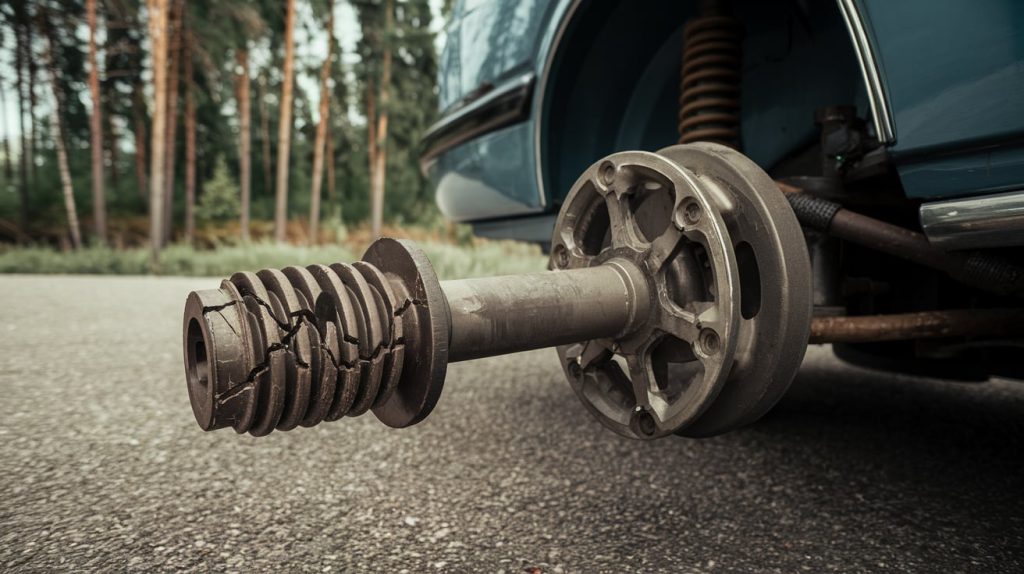
- Inspecting the drive shaft for cracks, dents, or bends can reveal obvious signs of damage.
- Such physical damage is a clear indicator of bad drive shaft symptoms that need immediate repair.
Get it sorted before your vehicle stops running! Addressing these bad drive shaft symptoms as soon as they appear can prevent further damage and ensure your safety on the road. Stay proactive and prioritize regular inspections to avoid unnecessary risks. Read about What Are Bad Thermostat Symptoms?
How Bad Drive Shaft Symptoms Affect Driving Performance
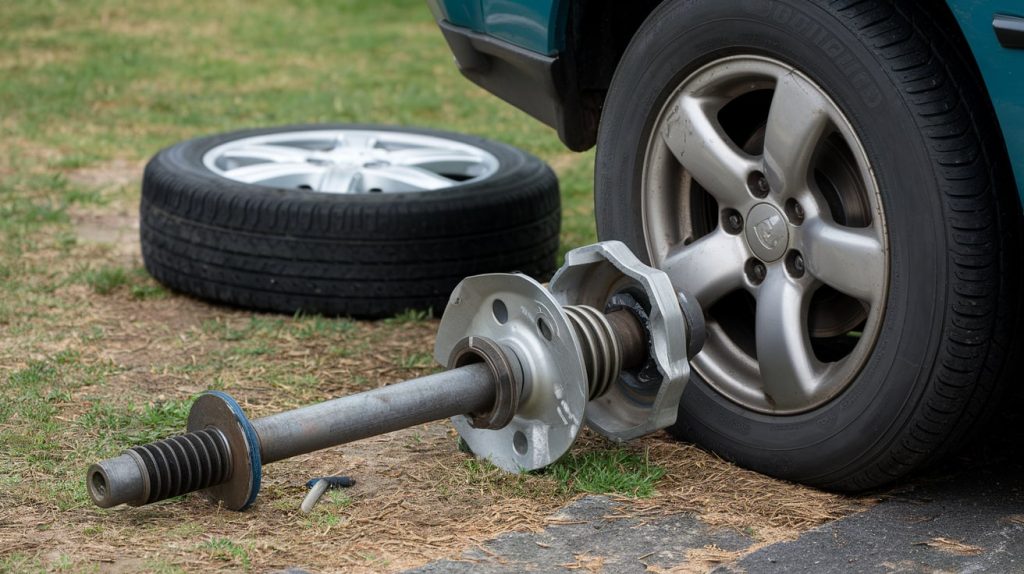
Your driving performance and safety may suffer if you ignore the symptoms of a damaged drive shaft. In order to guarantee efficient power transfer from the engine to the wheels, the drive shaft is essential. When it begins to malfunction, the repercussions are not only annoying but also hazardous.
- Compromised Handling: Particularly at higher speeds, vibrations from a malfunctioning drive shaft might make the car more difficult to manage. Additionally, you may have trouble steering, which makes it more difficult to avoid obstacles or negotiate tight curves. These driving dangers of a bad drive shaft are not just annoying; they can lead to accidents if left unaddressed.
- Loss of Power to the Wheels: Your automobile may lose acceleration or even stall if the drive shaft is unable to transfer power efficiently. Because unexpected power outages might result in collisions, this is particularly dangerous on crowded highways or intersections.
- Increased Risk of Breakdown: A failing drive shaft puts you in danger of becoming stranded in addition to impairing your car’s performance. Clunking sounds or continuous vibrations frequently develop into complete mechanical breakdowns.
Why wait? Bad drive shaft symptoms jeopardize your safety or leave you stranded! Address these issues promptly to ensure smooth driving, reliable performance, and peace of mind on the road.
How to Diagnose Bad Drive Shaft Symptoms?
Detecting bad drive shaft symptoms Early intervention is essential to averting later, more serious problems. Careful observation and a few fundamental techniques are needed to diagnose the problem. Here’s where to begin:
- Perform a Visual Inspection
- Look under your vehicle for signs of damage to the drive shaft, such as cracks, bends, or worn-out U-joints.
- Pay attention to any grease leaks, which could indicate lubrication problems. A thorough drive shaft inspection can often reveal visible damage.
- Listen for Unusual Noises
- Clunking, rattling, or banging noises while driving are common signs of a faulty drive shaft.
- These noises are often caused by damaged drive shaft components like loose U-joints or bearings.
- Test for Vibrations During Acceleration
- Drive your car at various speeds and note any excessive vibrations, especially during acceleration.
- Vibrations are a hallmark symptom of an imbalanced or misaligned drive shaft.
Consult a Professional Mechanic
While these steps can help in diagnosing bad drive shaft symptoms, a professional mechanic can perform advanced diagnostics, such as using vibration analyzers or inspecting drivetrain alignment. Don’t wait until your car’s performance deteriorates further! Get a professional drive shaft inspection to confirm the issue and take immediate action.
Taking these steps not only helps identify the problem but also prevents costly repairs and ensures your safety on the road. Have a look at When to Consider Car Starter Replacement in UAE?

Fixing Bad Drive Shaft Symptoms
Targeted repairs are necessary to address the symptoms of a bad drive shaft and restore the safety and performance of your vehicle. The most typical repair procedures and associated expenses in AED are as follows:
- Replace Worn-Out U-Joints or the Entire Drive Shaft
- Step: Inspect and replace faulty U-joints, which often cause clunking noises and vibrations.
- Cost: Replacing U-joints typically costs between AED 500 and AED 1,500, depending on the vehicle and part quality.
- Note: If the drive shaft is severely damaged, a complete replacement may be necessary, costing AED 1,500 to AED 3,500.
- Realign or Balance the Drive Shaft
- Step: Rebalance or realign the drive shaft to correct vibrations caused by misalignment or imbalance.
- Cost: Realigning or balancing generally costs AED 400 to AED 800.
- Tip: This process is essential for a smooth driving experience and avoiding further wear on drivetrain components.
- Lubricate or Tighten Loose Components
- Step: Apply fresh grease to U-joints or tighten loose drive shaft parts to prevent friction and wear.
- Cost: Lubrication or tightening is a budget-friendly solution, often costing around AED 200 to AED 500.
Don’t wait until your vehicle’s performance deteriorates further! Fixing bad drive shaft symptoms promptly prevents further damage and ensures safe, reliable driving.
Consult a trusted mechanic to determine the exact repairs needed and get back on the road with confidence.
Price Estimation for Fixing Bad Drive Shaft Symptoms in the UAE
The degree of damage and the type of repair needed determine how much it will cost to fix faulty drive shaft symptoms in the United Arab Emirates. An outline of typical maintenance services and their approximate costs is provided below:
| Service | Details | Estimated Cost (AED) |
| U-Joint Replacement | Fixes clunking noises and vibrations caused by worn-out U-joints. | 500–1,500 |
| Complete Drive Shaft Replacement | Required for severely damaged or unrepairable drive shafts. | 1,500–3,500 |
| Drive Shaft Balancing or Realignment | Resolves vibrations caused by misalignment or uneven weight distribution. | 400–800 |
| Lubrication or Tightening Components | Applies fresh grease and tightens loose connections to fix minor issues. | 200–500 |
| Diagnostic Inspection | Identifies the cause of bad drive shaft symptoms and recommends solutions. | 150–300 |
Note: Prices may vary based on vehicle make and model, part quality (OEM or aftermarket), and the garage you choose.
Don’t delay repairs! Act now to avoid higher costs and ensure your car’s safety and reliability. Consult a trusted UAE mechanic for accurate pricing tailored to your needs.
Preventing Bad Drive Shaft Symptoms
Proactive care and maintenance is the greatest method to prevent the inconvenience of faulty drive shaft symptoms. To maintain the best possible condition for your drive shaft, follow these easy yet efficient steps:
- Schedule Regular Inspections
- A competent mechanic’s routine inspections might identify small problems before they become serious ones. A comprehensive examination aids in spotting wear or damage to U-joints and other parts early on.
- Ensure Proper Lubrication
- Maintain enough lubrication on all of the drive shaft’s moving components, including the U-joints. Your drive shaft’s lifespan is increased, wear is decreased, and friction is decreased with proper lubrication.
- Avoid Overloading Your Vehicle
- Excessive load carrying accelerates wear and tear on the drive shaft and its parts by placing needless strain on the powertrain. To keep your car operating at its best, don’t go above its weight limitations.
Don’t delay until warning signs appear! Early detection of potential problems can save you from costly repairs and dangerous breakdowns.
Prioritizing regular maintenance and addressing minor issues promptly ensures a smooth, safe, and reliable driving experience. Stay proactive to avoid the stress of unexpected bad drive shaft symptoms on the road!
FAQs About Bad Drive Shaft Symptoms
- What are the most common bad drive shaft symptoms?
Excessive vibrations beneath the car, clunking or banging sounds, steering issues, loss of wheel power, and obvious drive shaft damage are the most typical signs of a broken drive shaft. To avoid more problems, these symptoms should be treated right away. - Can I drive with bad drive shaft symptoms?
Driving while experiencing symptoms of a faulty drive shaft is not advised because it can get worse quickly and result in a breakdown, loss of vehicle control, or more damage to drivetrain parts. - How can I prevent bad drive shaft symptoms?
The key is routine maintenance. Avoid overloading your car, make sure all moving parts are properly lubricated, and schedule regular checkups. Costly repairs can be avoided with early detection. - Can bad drive shaft symptoms cause accidents?
Yes, ignoring bad drive shaft symptoms can lead to compromised handling, steering difficulties, or even loss of power while driving, increasing the risk of accidents. - How long does it take to repair a drive shaft?
The repair time depends on the complexity of the issue. Minor repairs like lubrication or balancing may take a couple of hours while replacing the drive shaft could take 4–6 hours.
6 . Should I choose OEM or aftermarket parts for drive shaft repairs?
Although OEM parts are more costly, they are usually more dependable and last longer. Although they are less expensive, aftermarket parts can differ in quality. To determine which choice is best for your car, talk to your mechanic.
Don’t ignore the signs of a failing drive shaft! If you’re experiencing any symptoms, consult a professional mechanic in the UAE today to ensure your safety and vehicle reliability.
Act Fast to Address Bad Drive Shaft Symptoms
Identifying and addressing bad drive shaft symptoms is not just about ensuring a smooth ride it’s about protecting your safety and your wallet. These symptoms, which range from steering issues to clunking sounds and vibrations, are obvious indicators that there is a problem with your car’s drivetrain. Ignoring them can result in expensive repairs, serious damage, and even potentially hazardous roadside breakdowns.
Fix it today! Don’t wait until your car leaves you stranded or compromises your safety! Early repairs, prompt inspections, and routine maintenance can stop minor problems from becoming bigger ones. Regular drive shaft inspections by a qualified mechanic guarantee that your car stays in excellent condition.
Take action today! If you’ve noticed any bad drive shaft symptoms, schedule an inspection with a trusted mechanic immediately. Staying proactive about your vehicle’s health means safer drives, fewer surprises, and long-term reliability.
Don’t delay your car deserves the care it needs to keep you moving!