Body, structural, paint, and safety-system checks
Dodge accident repair in Dubai
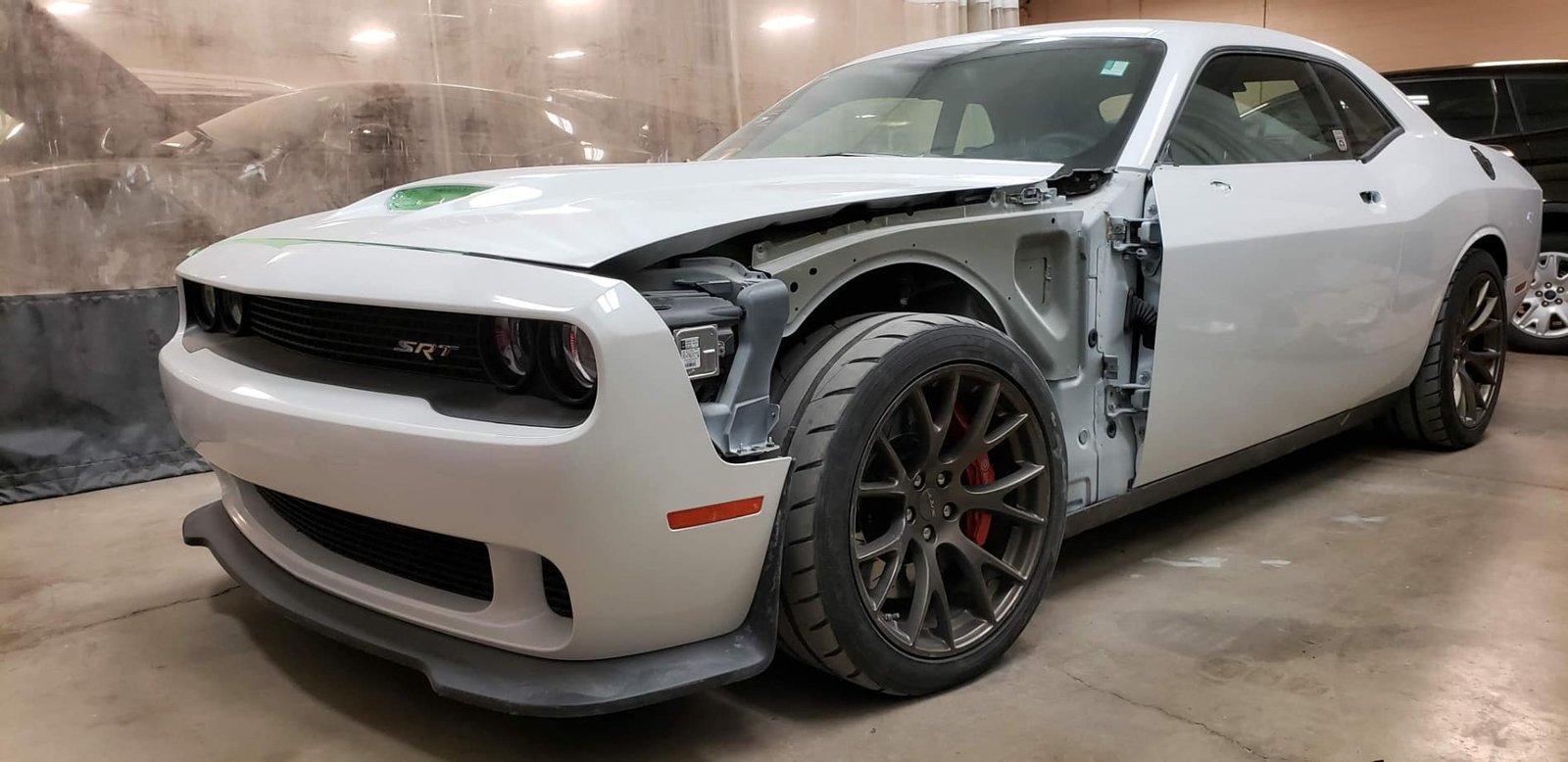
Restore collision damage with a repair plan based on the actual vehicle, not photographs alone. We assess exterior panels, structure, suspension, cooling, restraint systems, sensors, paint, and drivability before preparing a written estimate.
Safety comes before appearance
What to do after a Dodge collision
Move to a safe place when possible and follow the instructions of the authorities and insurer. Do not continue driving if steering, braking, wheel position, lighting, cooling, airbags, seat belts, glass, doors, fluid containment, or structural control may be affected.
Do not drive when control is uncertain
A wheel pushed backward, severe pulling, fluid leakage, scraping tire, unstable steering, brake warning, overheating, heavy smoke, loose body panel, or deployed restraint system requires transport. Driving can increase mechanical damage and create a safety risk.
Keep useful records
Photograph the vehicle, impact area, dashboard warnings, road position, and visible debris when safe. Keep police, recovery, estimate, and insurer documents together. These records support the repair discussion but do not replace physical inspection.
Protect the damaged vehicle
Keep broken glass, exposed wiring, open body seams, and damaged lamps away from water where practical. Do not force a jammed door, disconnect restraint components, or pull distorted panels without understanding the impact path.
One impact can affect several systems
How collision damage is assessed
The first inspection documents exterior damage, panel gaps, glass, lamps, wheels, tires, underbody areas, fluid leaks, steering position, warnings, and basic operation. We then decide what needs controlled dismantling or measurement.
Modern Dodge vehicles can carry parking sensors, cameras, radar, airbag sensors, seat-belt pretensioners, active grille components, cooling modules, wiring, and driver-assistance hardware behind ordinary trim. A bumper that looks repairable may hide broken brackets or sensor mounts. A wheel impact can affect suspension, hubs, steering, alignment, and subframe position.
The estimate is staged when hidden damage cannot be confirmed until trim, bumpers, lamps, suspension parts, or interior panels are removed. Findings are photographed and explained before the scope changes.
- Cosmetic
- Scratches, chips, shallow dents, trim, and finish damage without confirmed structural or mechanical effects.
- Panel and component
- Bumper, fender, hood, door, lamp, glass, cooling, suspension, or bolt-on parts requiring repair or replacement.
- Structural
- Impact involving rails, pillars, apron, floor, mounting points, subframes, or body dimensions that require measurement.
- Safety and electronics
- Airbags, belts, sensors, cameras, modules, wiring, calibration, and warning systems needing proper inspection and procedures.
Choose the correct repair method
Repair, replace, refinish, and calibrate
Panel repair
Metal or plastic repair can preserve an original component when damage location, stretching, cracking, corrosion, edge condition, and access allow a durable result. The estimate explains whether paintless dent repair, conventional repair, plastic repair, or refinishing is proposed.
Component replacement
Replacement is considered when a panel, lamp, glass, reinforcement, cooling component, suspension part, sensor mount, or safety item cannot be restored safely or economically. New, genuine, OEM-equivalent, aftermarket, or suitable used parts are identified clearly.
Paint and blending
Color code is only a starting point. Age, prior repairs, metallic or pearl orientation, adjacent panels, substrate, primer, and clear coat affect the match. The written scope names the panels being painted and any blend area.
Structural correction
Measured correction is used when body dimensions or mounting points are affected. Pulling, sectioning, welding, corrosion protection, seam sealing, and replacement methods depend on the location and condition of the damage.
Mechanical repair
Wheel impacts and front-end damage can involve suspension, steering, brakes, hubs, alignment, radiators, condensers, fans, mounts, and driveline components. Mechanical faults are separated from cosmetic work in the estimate.
Safety-system work
Airbag, belt, sensor, camera, and driver-assistance work must follow the fitted system. Fault clearing alone is not a repair. Required replacement, programming, aiming, calibration, and final warning checks are listed.
Estimated repair bands
Dodge accident repair prices in Dubai
These market-based ranges support early budgeting. Final cost depends on damage, dismantling findings, parts, material, paint area, structural work, electronics, calibration, and VAT treatment.
| Repair scope | Estimated total | Usually includes | May add cost |
|---|---|---|---|
| Minor dent or localized paint repair | AED 450 to 1,800 | Selected panel repair and localized finish where suitable | Edges, body lines, pearl paint, corrosion, or earlier filler |
| Bumper repair and repaint | AED 900 to 2,800 | Removal as needed, plastic repair, preparation, paint, and refitting | Reinforcement, brackets, sensors, lamps, or replacement bumper |
| Single panel replacement and paint | AED 1,800 to 5,500 | Selected bolt-on panel, fitting, preparation, and refinishing | Genuine part, blending, trim, glass, wiring, and alignment |
| Corner impact repair | AED 4,500 to 14,000 | Multiple panels or components, paint, fitting, and checks | Cooling, suspension, sensors, airbags, or hidden structure |
| Structural collision repair | AED 10,000 to 35,000+ | Measurement, approved correction or replacement, body work, and finish | Airbags, modules, major parts, drivetrain, and calibration |
Get a staged written estimate
Initial figures are revised only when dismantling or measurement reveals additional damage. Added work is explained before approval.
Our independent workshop price can be about 65% to 70% below agency pricing when parts, paint, calibration, and completed scope are equivalent.
A controlled repair sequence
How Dodge collision repair works
- 01
Initial review
Share the model, impact area, drivability, warnings, and photos. We arrange workshop access or pickup.
- 02
Inspect and measure
Visible, mechanical, electrical, restraint, and structural concerns are documented. Dismantling is proposed when necessary.
- 03
Approve the plan
The estimate identifies repair and replacement choices, parts, paint areas, calibration, exclusions, and VAT treatment.
- 04
Repair and refinish
Approved body, structural, mechanical, electrical, glass, and paint work is completed in the correct order.
- 05
Check and hand over
Panel fit, finish, lights, warnings, fluids, alignment, sensors, and road behavior are checked as applicable.
Know what the estimate contains
Parts and paint choices affect the total
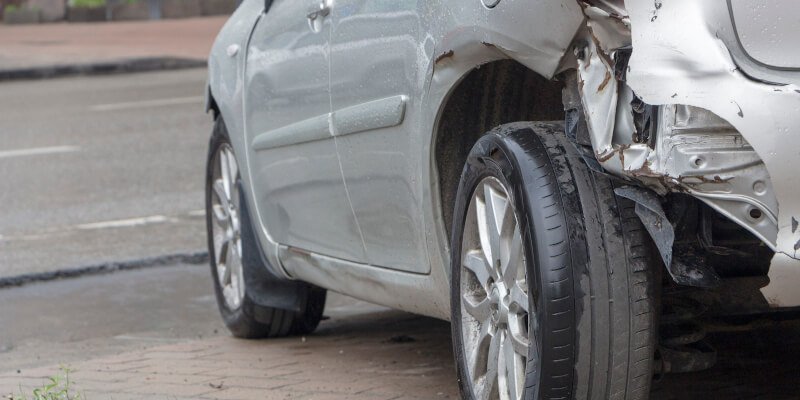
A replacement part price does not describe a complete collision repair. Freight, clips, brackets, seals, adhesives, corrosion protection, paint materials, blending, removal and refitting, coding, alignment, calibration, and testing may also apply.
Genuine parts can suit customers prioritizing original catalog supply. OEM-equivalent or quality aftermarket components may offer another route when specification and fit are confirmed. Suitable used parts can help with discontinued or expensive assemblies, but condition, color, previous repairs, mounting points, electronics, and return terms must be checked.
We identify the proposed route before approval. A used lamp is not described as new, a bare panel is not priced as a painted installed assembly, and cosmetic repair is not used to hide structural or safety damage.
Three realistic repair budgets
Typical Dodge accident repair estimates
These are planning estimates, not completed customer records. Inspection sets the final work.
Typical job estimate
2020 Dodge Charger
Work: repair and repaint a damaged front bumper, renew selected brackets, refit parking sensors, and complete panel-gap and warning checks.
Condition: assumes the reinforcement, lamps, cooling pack, and structure remain serviceable.
Estimated total: AED 2,200 to 3,800.
Typical job estimate
2019 Dodge Durango
Work: replace and refinish a front fender, repair an adjacent door edge, renew liner and clips, inspect wheel-area components, and align panels.
Condition: excludes suspension, pillar, or sensor damage found after removal.
Estimated total: AED 4,800 to 7,500.
Typical job estimate
2021 Dodge Challenger
Work: rear-corner repair with bumper replacement, quarter-panel metal repair, paint blending, lamp and parking-sensor checks, and final alignment review.
Condition: assumes no rail, floor, restraint, or differential damage.
Estimated total: AED 8,500 to 14,500.
Different bodies need different repair plans
Accident repair across Dodge models
We assess Charger, Challenger, Durango, Journey, Caravan, Neon, Dart, and other Dodge vehicles. Model year, trim, performance package, market specification, sensors, cameras, wheel size, paint code, and earlier repairs can change parts and procedures.
Performance models may use unique bumpers, cooling parts, brakes, wheels, suspension, underbody panels, and driver-assistance equipment. SUVs can hide damage behind large trim assemblies and may need careful tailgate, three-row restraint, rear cooling, and parking-system checks. Older vehicles can require a choice between new, aftermarket, used, or repairable parts where supply is limited.
The model is enough for first contact. VIN, paint code, insurer documents, or detailed photographs can be requested later when they help confirm the estimate.
Check the complete vehicle before collection
Quality checks after collision repair
A clean paint finish is important, but accident-repair quality also depends on fit, protection, mechanical operation, electrical function, and safe vehicle behavior. The final inspection follows the systems affected by the impact and approved repair.
Panel fit and exterior finish
Doors, hood, trunk or liftgate, bumper, lamps, moldings, seals, and repaired panels are checked for alignment and usable clearances. Painted areas are reviewed for color transition, gloss, surface texture, masking edges, contamination, overspray, and visible defects under suitable light.
Metallic and pearl colors can appear different with viewing angle and lighting, so the finish should be considered from more than one position. A repaired panel also needs correct clips, fasteners, liners, undertrays, badges, handles, and weather sealing where those items were included.
Mechanical and electrical function
Relevant lights, windows, locks, mirrors, parking sensors, cameras, warning messages, horn, washer system, cooling fans, and electrical connections are checked according to the repair area. Wheel, tire, suspension, steering, brake, alignment, and fluid checks are completed when the impact or repair involved those systems.
A cleared warning is not enough by itself. The system should complete appropriate functional checks, and any remaining fault or separate recommendation should be explained before handover.
Protection and road behavior
Repaired seams, bare metal, cavities, weld areas, underbody coatings, adhesives, and corrosion-protection materials need the correct finishing steps for the approved scope. Missing protection may not be obvious at collection but can affect durability later.
When the vehicle is safe and the work requires it, a road check can confirm steering position, tracking, noise, vibration, braking behavior, warning status, and drivability. The route and speed should suit the vehicle condition and repaired systems.
Insurance approval and workshop repair planning are related but separate decisions. An insurer may authorize a financial amount or selected items, while the physical vehicle still determines the safe repair method. Ask for differences between the workshop estimate and insurer authorization to be explained clearly. If you are paying directly, the same written scope remains useful because it separates immediate collision work from optional cosmetic improvements and unrelated maintenance. No additional repair should be treated as approved merely because the vehicle has already been dismantled.
At handover, compare the completed work with the written estimate. Confirm which panels were repaired or replaced, which parts and condition were used, where paint blending was performed, whether alignment or calibration was included, and whether any unrelated damage remains. Keep the estimate, parts information, repair photographs, insurer instructions, and collection notes together for future reference.
Fresh paint, adhesives, sealers, films, and coatings may have product-specific washing, curing, or care instructions. Follow the workshop guidance for the materials used. If a warning returns, a panel moves, water enters, a sensor behaves differently, or the vehicle develops new pulling, vibration, noise, or fluid loss, stop and arrange a prompt recheck rather than assuming it is normal after an accident.
Direct collision repair answers
Dodge accident repair FAQs
Collision damage may also require Dodge windscreen replacement or Dodge upholstery repair when glass, trim, seats, or cabin materials are affected.
Can you estimate collision damage from photos?
Photos support an initial discussion, but they cannot confirm hidden brackets, structure, suspension, restraint systems, sensors, corrosion, or earlier filler. The final estimate follows physical inspection.
Should I drive the Dodge after an accident?
Do not drive if steering, brakes, wheels, cooling, fluids, glass, lights, airbags, seat belts, doors, or structural control may be affected. Request pickup when safety is uncertain.
Do you repair panels or replace them?
Both routes are available. Material, stretching, cracks, corrosion, edge damage, safety function, finish quality, parts cost, and labor determine the suitable choice.
Can you match metallic or pearl paint?
Yes, the process uses the paint code, test preparation, panel condition, color evaluation, and controlled application. Adjacent blending may be recommended when needed for a consistent transition.
Are sensors and cameras checked?
Relevant sensors, mounts, wiring, warnings, aiming, programming, and calibration requirements are reviewed according to the fitted system and affected repair area.
How long does accident repair take?
A minor panel repair may take less time than multi-panel, structural, restraint, or parts-dependent work. Timing is confirmed after inspection and updated if hidden damage changes the plan.
Can you collect a damaged vehicle?
Free pickup and delivery is available. Describe the impact and whether the vehicle starts, selects gear, rolls, steers, brakes, leaks, or has deployed airbags so suitable transport can be arranged.
What should I send first?
Send the Dodge model, impact area, whether it can be driven safely, and a few clear photographs. Documents and technical details can follow when needed.
Restore safety, fit, and finish
Arrange your Dodge accident inspection
Book a free workshop inspection in Al Quoz 4 or request free pickup and delivery. We will assess the damage, explain repair and replacement choices, and prepare a written estimate before work begins.