Cracked leather and vinyl
Surface wear may respond to cleaning, preparation, controlled filling, texture work, and recoloring. Deep splits, missing material, or repeated flex damage often need a new panel rather than another surface coating.
Dodge interior repair · Al Quoz 4
Repair worn leather, split seams, damaged seat bolsters, sagging headliners, loose door trim, stained fabric, and tired cabin finishes. We inspect the material and affected panel before recommending a focused repair or retrim.
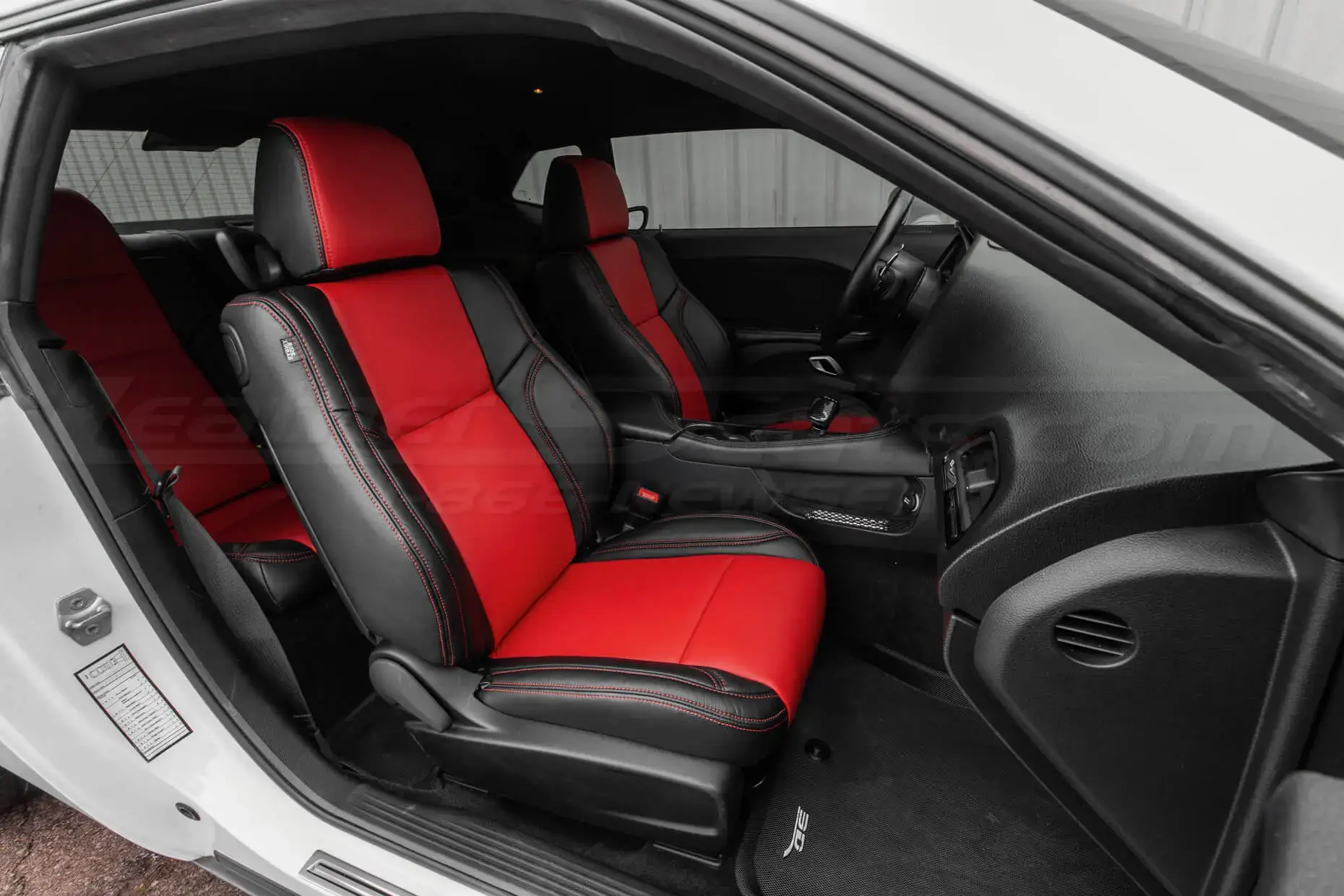
Start with the damaged area
A cabin repair should match the original grain, color, stitch layout, foam shape, and nearby wear as closely as the selected material permits. We look beyond the visible mark for weak seams, foam collapse, moisture, broken backing, loose clips, or trim movement.
Surface wear may respond to cleaning, preparation, controlled filling, texture work, and recoloring. Deep splits, missing material, or repeated flex damage often need a new panel rather than another surface coating.
Outer bolsters take repeated pressure during entry and exit. We assess the cover, stitching, foam support, frame edge, and any heating or occupancy components before deciding whether to repair or retrim the section.
Heat breaks down the foam backing behind headliner fabric. Injecting adhesive through the visible surface usually leaves stains and uneven areas. A durable repair normally requires removal, preparation, and fresh material.
Door inserts can lift because adhesive has failed, backing has warped, clips have broken, or moisture has entered. The trim and supporting panel are checked so the visible finish stays secure.
Small fabric or leather damage may be locally repaired when the surrounding material remains strong. Larger damage, stretched edges, or high-visibility positions may look better with a replacement insert or panel.
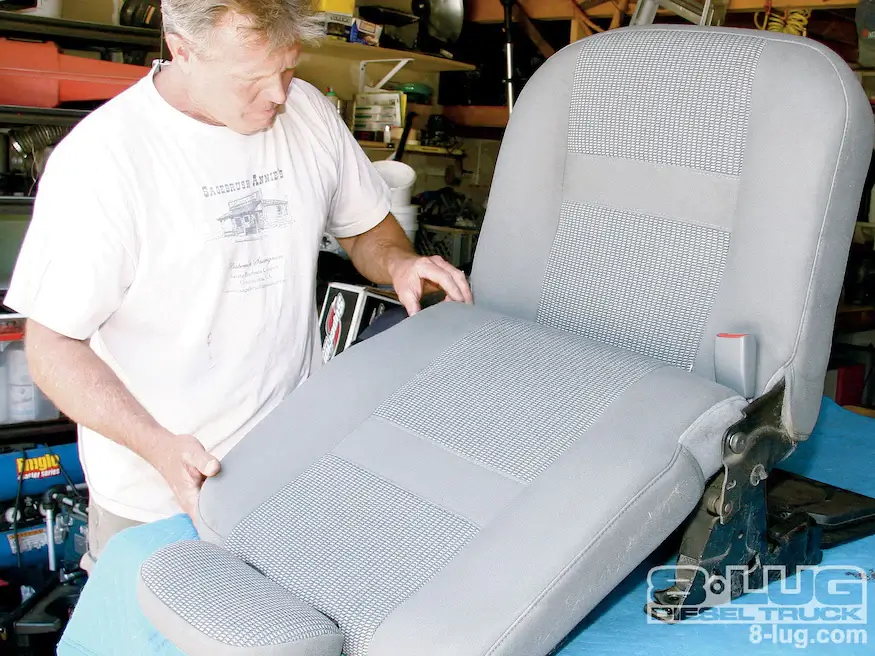
A seat can feel uncomfortable even when the cover looks acceptable. Foam can split, collapse, or shift around the frame. Rebuilding the support may be necessary before the cover is refitted.
Choose the least invasive sound repair
Not every worn seat needs a complete retrim. A focused repair can preserve more of the original cabin and control cost, but only when the material around the damage is stable. The finish should be judged under normal cabin light and against adjacent panels, not from a color swatch alone.
We explain the visible limitations before work begins. Older trim may have natural gloss, fading, or grain changes that cannot be copied perfectly. A broader panel repair can provide a more even result when the surrounding area has extensive wear.
Estimated complete costs
These market-based ranges include 5% VAT for the described scope. Material type, color matching, panel size, stitching, foam condition, removal time, seat electronics, and parts availability can change the final price.
| Repair | Estimated price | Typical inclusion | Main price factor |
|---|---|---|---|
| Small leather or vinyl surface repair | AED 420–945 | Cleaning, preparation, local repair, color work, and finishing | Depth, location, grain, and color blend |
| Split seam or small tear | AED 315–840 | Access, reinforcement where suitable, stitching, and refitting | Seam access and surrounding material strength |
| Seat bolster panel | AED 840–1,890 | Cover removal as required, matched replacement panel, stitching, and refitting | Material choice, piping, perforation, and pattern |
| Seat foam repair | AED 630–1,680 | Cover access, foam shaping or section rebuild, and reassembly | Extent of collapse and frame condition |
| Headliner replacement | AED 1,050–3,150 | Board removal, old foam cleanup, new lining, and installation | Vehicle size, sunroof, consoles, and trim removal |
| Door insert or armrest retrim | AED 525–1,575 | Panel removal, surface preparation, selected material, and refitting | Backing damage, shape, and material |
| Full front-seat retrim | AED 2,100–5,775 per seat | New cover material, pattern work, stitching, installation, and finishing | Leather grade, perforation, embroidery, and seat complexity |
Finish and function together
Dodge cabins may combine leather, vinyl, cloth, suede-style inserts, perforated panels, piping, contrast thread, molded plastics, and soft-touch surfaces. Each responds differently to heat, cleaners, flexing, and repair products. We select the method after identifying the actual material.
A match is assessed against a cleaned nearby area because dirt and dressing can make the original color appear darker. Grain and gloss matter as much as the color itself.
Ventilated or perforated panels need open holes and controlled adhesive. Heavy coatings can block the pattern or leave an obvious texture difference.
Seats with side airbags, occupancy sensors, heaters, ventilation, or wiring require careful removal and reassembly. We do not cover safety labels or alter deployment seams casually.
We also check whether the mark is truly upholstery damage. Dye transfer, conditioner buildup, surface contamination, and faded dressing can look like material failure. Cleaning a test area can prevent unnecessary recoloring.
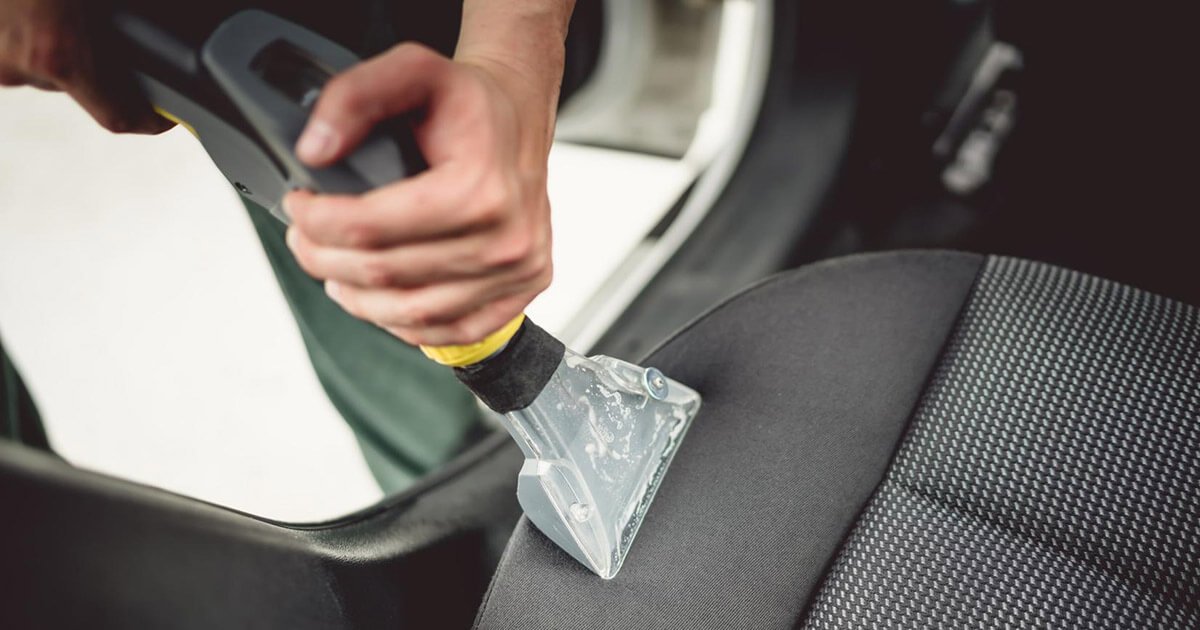
Liquid spills need more than a surface wipe when moisture has reached seams, foam, carpet, wiring, or the seat base. We check for trapped odor, staining, corrosion risk, and weakened backing before selecting cleaning or replacement. Aggressive household products can remove protective coatings, harden leather, fade thread, or leave gloss patches. A controlled test in a less visible area helps protect the surrounding finish.
After repair, gentle cleaning and protection suited to the actual material will help the finish age evenly. Strong solvents, silicone-heavy shine products, steam used without care, and repeated rubbing on one spot can shorten the life of a repaired surface. We explain practical aftercare and any curing period before the vehicle is returned.
A controlled cabin repair
Send the model, year, damaged area, and two or three clear photos for an initial repair direction.
We check material type, surrounding wear, foam, seams, backing, clips, and relevant seat functions.
Repair area, material, color approach, visible limitations, timing, and price are stated before approval.
The trim is prepared, repaired or retrimmed, then allowed the suitable setting or curing time.
Panels and seats are reassembled, surfaces cleaned, and affected controls checked before handover.
Small surface repairs may be completed within a day when capacity and materials allow. Headliners, custom stitching, several panels, and full retrims need more time. We confirm timing with the written scope.
Planning figures
These scenarios show realistic scope and cost. They are not presented as completed customer repairs.
Typical job estimate
Driver outer bolster panel replaced in matched automotive leather, weakened foam edge rebuilt, factory-style seam retained, and seat refitted.
AED 1,785 including VATTypical job estimate
Large headliner removed and retrimmed, old foam cleaned from the board, overhead openings finished, and all removed trim refitted.
AED 2,625 including VATTypical job estimate
Small passenger-seat tear reinforced and repaired, local color blended, surface finished, and nearby panel cleaned for a consistent appearance.
AED 735 including VATDodge cars and SUVs
We work on Charger, Challenger, Durango, Journey, Neon, Ram, and other Dodge cabins. The repair is planned around the installed trim rather than assuming every model year uses the same cover, thread, foam, or electrical layout.
For accident-related interior damage, broken trim mounts, airbag deployment areas, glass contamination, and water entry must be separated from ordinary upholstery wear. Visit our Dodge accident repair page for broader collision work, or see the Dodge repair Dubai hub for mechanical services.
Our workshop is in Al Quoz 4. Free pickup and delivery is available across Dubai, and a dedicated on-site inspection may be arranged when an initial mobile assessment is useful. Workshop inspection is free. On-site inspection arrangements remain separate and depend on location and availability.
Restore the damaged area
Send the model, year, one full-cabin photo, and close views of the damaged area. We will explain the likely repair level and arrange inspection.
Questions before interior repair
Small surface repairs are estimated at AED 420–945, seam or tear repairs at AED 315–840, a bolster panel at AED 840–1,890, and foam work at AED 630–1,680. The exact material and access determine the written price.
Often, yes. A focused panel replacement can preserve serviceable original trim and control cost. The surrounding material must be strong enough, and a suitable color, grain, perforation, and stitch match must be available.
Light cracking and color loss may respond to preparation, repair, texture work, and recoloring. Deep splits, weak material, missing surface, or repeated flex damage usually need a new panel for a dependable result.
Many headliners need one to two working days when the correct material and workshop capacity are available. Large vehicles, sunroofs, overhead consoles, damaged boards, and trim repairs can extend the work.
We aim for a close practical match, but age, fading, gloss, grain, previous products, and natural material variation can remain visible. We explain likely limitations before approval and may recommend a larger blend area when it improves consistency.
Upholstery work can be completed around heated and ventilated seats, but the installed elements, perforation, wiring, sensors, and cover construction must be checked first. Any separate electrical fault is quoted clearly.
Yes. We can assess loose door inserts, worn armrests, lifted material, damaged backing, and broken trim points. The quote states whether the work is a local repair, new covering, backing repair, or part replacement.
Send the Dodge model, year, a wider photo showing the complete seat or panel, and close photos of the damage. Include your preferred visit or pickup details. That is enough to begin.