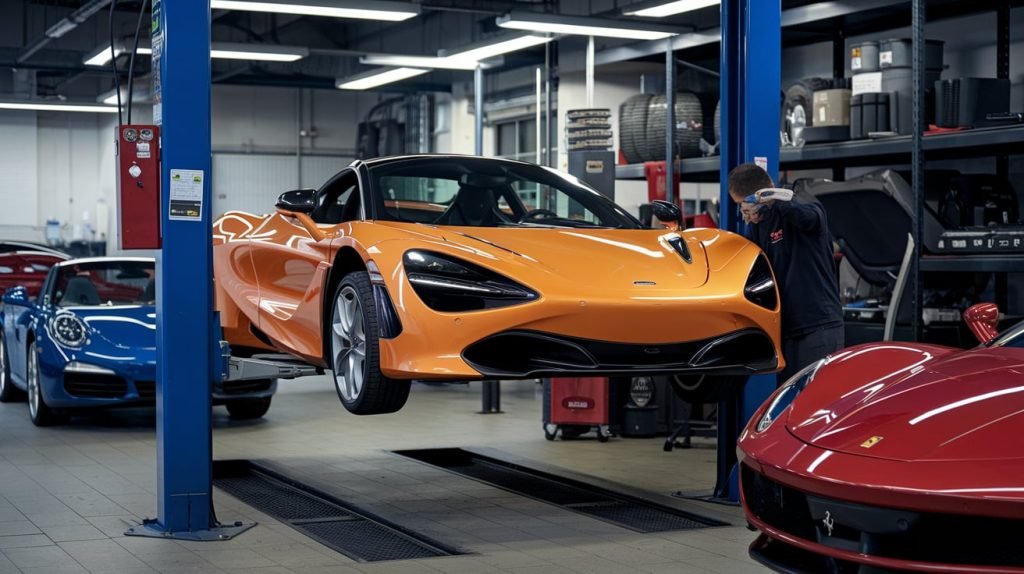
Maintenance decisions for McLaren owners
A missed service on a McLaren is not only an oil-change problem. Heat cycles, low annual mileage, battery condition, tire age, cooling performance, hydraulic systems, and stored faults can change what the car needs. The useful question is not “Who can reset the reminder?” It is “What should be inspected, measured, recorded, and replaced for this model and use?”
A 7,000 km weekend car and a 30,000 km daily-driven car do not need identical decisions. Time-based work still matters on the low-mileage car, while the high-use car reaches mileage items sooner.

What Makes McLaren Maintenance Different
Low ride height, tightly packaged components, high thermal loads, model-specific lifting points, carbon-fiber structures, active chassis systems, and electronic controls leave little room for careless work. Even a routine inspection requires the correct lifting method and attention to underbody panels, fluid leaks, cooling circuits, tires, and stored system messages.
Correct fluids and filters
The invoice should name the oil grade and approval, filter, drain hardware, and quantity used. “Premium oil” is not a specification.
Model-aware inspection
Sports Series, Super Series, GT, and Artura systems differ. The year, VIN, engine, and service history should guide the checklist.
Diagnostic record
Stored faults, battery events, service messages, and relevant live data help separate a current defect from old history.
McLaren Service Checklist
| Area | What should be checked | Evidence to request |
|---|---|---|
| Engine oil service | Correct oil specification and quantity, filter, sealing hardware, leaks, level procedure, and service reset | Parts and fluid listed on the invoice, plus confirmed final level |
| Cooling system | Coolant condition, visible leaks, hoses, radiators, fans, caps, and temperature data where relevant | Leak location or test result before parts are quoted |
| Brakes | Pad thickness, disc condition, fluid condition, hoses, calipers, parking brake, and warning data | Measured pad and disc condition rather than “low” alone |
| Tires and wheels | Pressure, tread depth, age, cracking, flat spotting, damage, wheel condition, and alignment clues | Four-corner readings and tire date codes |
| Battery and electronics | 12V battery state, charging behavior, terminals, stored low-voltage faults, lights, locks, and controls | Battery result and recorded diagnostic faults |
| Chassis and underbody | Suspension joints, dampers, hydraulic leaks where fitted, steering, lift system, panels, and lifting-point condition | Photos or measured play for any recommended work |
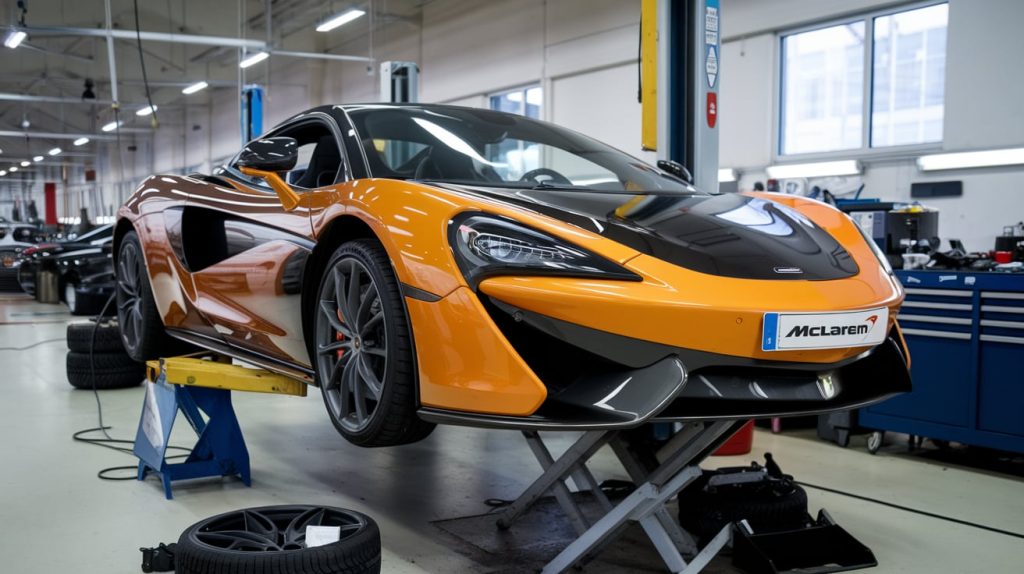
Annual Service or Mileage Service
Use the service schedule for the exact vehicle as the controlling reference. Then apply the real operating pattern. A car driven only on weekends still ages by time. Brake fluid absorbs moisture, tires age, batteries discharge, seals sit, and fuel may remain in the tank.
A car covering high mileage reaches oil, filter, brake, tire, and other wear decisions sooner. Track use, repeated short trips, long idling, storage, dust exposure, and sustained heat may justify additional inspection between scheduled visits.
Low annual mileage
Do not skip the calendar-based inspection. Check battery health, tire age and flat spots, fluid condition, leaks, and signs of long storage.
Daily road use
Track mileage, brake and tire wear, cooling condition, filters, alignment, and service due points. Stop-start traffic changes the operating load.
Track or high-load use
Arrange pre-event and post-event checks for fluids, brakes, tires, wheel fasteners, leaks, and heat-related condition. Follow model instructions.
McLaren Service Cost in Dubai
These are workshop ranges for planning, not a substitute for a VIN-based estimate. Model, oil quantity, parts choice, access, brake type, fault history, and additional due items change the total. The estimate should separate scheduled maintenance from fault diagnosis and repair.
| Service or check | Typical workshop range | Scope |
|---|---|---|
| Oil and filter service | AED 1,200 to 2,200 | Specified engine oil, filter, sealing parts, basic inspection, level procedure, and service reset |
| Annual inspection service | AED 1,800 to 3,500 | Oil service plus broader brake, tire, cooling, battery, underbody, and diagnostic checks |
| Brake fluid service | AED 450 to 850 | Compatible fluid replacement and controlled bleeding, subject to model requirements |
| Diagnostic assessment | AED 350 to 900+ | Fault scan, data review, focused testing, and estimate; longer intermittent faults cost more |
| Wheel alignment check and adjustment | AED 550 to 1,200 | Measurement and adjustment where no damaged or seized parts prevent correction |
McLaren Systems That Need More Than a Visual Check
Engine lubrication and cooling
Oil level must be checked by the procedure specified for the model. Temperature, running condition, vehicle position, and the dashboard level routine can matter. Overfilling is not a harmless precaution. The workshop should use the specified quantity as a starting point and verify the final level correctly.
Cooling inspection should cover accessible radiators, fan operation, hoses, expansion components, dried coolant traces, and relevant temperature data. A small leak can leave residue without creating a puddle. If the car has overheated or displayed a coolant warning, pressure or system testing may be required before approving parts.
Brakes, tires, and wheel condition
Pad thickness alone does not describe the brake system. Disc condition, surface damage, cracks or heat evidence, fluid age, hoses, caliper operation, and dashboard data can change the decision. Where carbon-ceramic brakes are fitted, inspection and replacement criteria differ from conventional iron discs. The correct wheel-handling and fastener procedures matter.
Tire tread can look adequate while age, cracking, shoulder wear, puncture repairs, or flat spotting makes replacement sensible. Match the tire size, load and speed specification, axle pairing, and manufacturer guidance. Alignment should be measured when the steering wheel is off-center, wear is uneven, the car pulls, or suspension work has been completed.
Suspension, lift, and hydraulic systems
A warning or uneven stance does not identify a pump or damper by itself. Technicians may need to inspect fluid condition and leaks, read pressure or position data, operate the system, and check wiring or sensors. Replacing the most expensive assembly first is not a diagnostic plan.
Transmission and driveline
Harsh engagement, shift warnings, noises, leaks, or behavior that changes with temperature should be documented before the car is dismantled. Codes, fluid evidence where serviceable, adaptation values, mounts, wiring, and road-test behavior help separate a control issue from an internal mechanical concern.
Genuine, OEM, Aftermarket, and Reconditioned Parts
Part choice should be discussed item by item. A genuine branded component may be the clearest route when calibration, fit, supersession, or documentation matters. An OEM-supplier part may be suitable when its specification and application can be verified. Aftermarket parts vary widely, so a familiar brand name alone is not proof of correct fit or performance.
| Part route | When it may make sense | Question to resolve |
|---|---|---|
| Genuine McLaren part | Model-specific fit, control compatibility, documented supersession, or owner preference | Is the exact part number confirmed by VIN? |
| Verified OEM supplier | A service item with traceable manufacturer and matching specification | Is it truly the same application, not only the same brand? |
| Aftermarket part | A non-critical item with a clear specification, support, and known fit | What changes in fit, life, calibration, or warranty? |
| Reconditioned assembly | An expensive repairable component with a documented rebuild scope and test result | Which internal parts were replaced, how was it tested, and what coverage applies? |
Do not accept an invoice that says only “filter,” “oil,” or “sensor.” Part numbers, quantities, specifications, and coverage make later maintenance possible. They also help resolve a concern if the same system develops a fault after service.
How to Compare McLaren Service Quotes
Put quotes side by side by scope, not only total price. One may include diagnostic scanning, underbody removal, fluid quantity, drain hardware, brake measurements, battery testing, and a written condition report. Another may include only oil and a filter. Those are different services.
- Confirm the same model, VIN, mileage, and service due items were used.
- Compare fluid approval, quantity, filters, seals, and named part routes.
- Check whether labor includes access panels, final level checks, resets, and verification.
- Separate optional observations from work required now.
- Ask how additional faults will be authorized before costs increase.
- Confirm tax treatment, collection timing, and how replaced parts are handled.
Buying a Used McLaren With Service History Gaps
A missing stamp is not repaired by performing one oil change. Build a baseline. Verify the VIN, mileage trail, invoices, diagnostic history, tire dates, brake condition, battery events, fluids, leaks, accident evidence, underbody condition, and whether model campaigns or recalls require attention.
Prioritize safety and damage prevention first. Tires, brakes, active leaks, cooling faults, oil-pressure concerns, and serious warning messages come before cosmetic work or performance upgrades. Then complete overdue time and mileage items. Keep uncertain items in a monitored list with a specific recheck point.
Before buying, use an independent pre-purchase inspection rather than relying on a fresh service stamp. A routine service confirms that maintenance was performed today. It does not prove the condition of every system, the quality of previous accident repairs, or the accuracy of the seller’s history.
Prepare for the Service Appointment
Send the VIN and a dashboard photo before the booking. Add the current mileage, last service date, annual mileage, storage pattern, modifications, track use, tire age if known, and every symptom that occurs outside routine maintenance. A short video can help with an intermittent sound, but record it only when the car is parked safely.
Remove valuables and identify any wheel-lock key, charger, tire inflator, or removable trim that the technician may need. Do not clear warnings or disconnect the battery before the visit. Stored information can show whether a concern began after low voltage, high temperature, refueling, or a previous repair.
Agree on the authorization process. The workshop should contact you before exceeding the approved scope. Ask whether replaced parts will be retained for inspection, whether photos will be supplied, and which observations are urgent, due soon, or suitable to monitor.
Information that improves the first estimate
- VIN, model, year, and current mileage
- Last invoice and service history
- Exact dashboard message or fault code
- Cold, hot, idle, acceleration, or storage-related symptom
- Road, track, short-trip, or long-distance use
- Known modifications and previous repairs
A precise description does not replace inspection, but it lets the workshop reserve suitable time, equipment, fluids, and likely service parts. That reduces delays and prevents a routine booking from becoming an unplanned diagnostic job after the car arrives.
Choose the Right Service Level
| Your situation | Best next step | Do not pay for yet |
|---|---|---|
| Service due, no symptoms | VIN-based scheduled maintenance and inspection | Fault parts without a recorded defect |
| Warning message or performance change | Diagnosis before or alongside maintenance | A service reset presented as a repair |
| Used McLaren with incomplete history | Baseline inspection, scan, fluid and wear review, then prioritized plan | A full replacement list without condition evidence |
| Car stored for months | Battery, tire, fluid, leak, brake, and startup-condition checks | Performance upgrades before reliability is established |
| Preparing for track use | Model-specific safety and condition inspection before and after the event | Road-only assumptions about fluid and wear condition |
What Technicians Should Inspect Before Recommending Parts
Ask for measured pad thickness, tire tread and age, battery result, leak source, fault-code status, and the reason a fluid or part is due. If a dashboard message is present, maintenance and diagnosis must be separated. Resetting the reminder will not repair a sensor, hydraulic, electrical, cooling, or engine fault.
For intermittent concerns, note whether the issue occurs cold, hot, after storage, under boost, during lift-system use, or only after refueling. That context can save hours of testing.
Repair, Replace, Monitor, or Walk Away
- Repair now when the defect affects safe operation, lubrication, cooling, brakes, tires, steering, fuel, or continued mechanical damage.
- Replace a wear item when measurement, age, damage, or the model schedule supports it.
- Monitor when a condition is documented, stable, within limits, and has a clear recheck point.
- Ask for a second assessment when expensive work is based only on a code, no measurements are provided, or several parts are proposed as guesses.
- Walk away from an upgrade when maintenance history, cooling condition, tires, brakes, or warning faults are unresolved. Reliability comes first.
Service Planning for Dubai Use and Storage
Heat does not rewrite the manufacturer’s schedule, but it changes what deserves attention during inspection. Cooling fans, radiator faces, hose condition, battery state, tire pressure, air-conditioning load, and signs of heat-damaged wiring matter. Sand and dust can also load filters and hide small fluid traces on underbody panels.
Storage creates a different pattern. Use the battery-maintenance method specified for the vehicle, keep the tires at the recommended pressure, and avoid improvised lifting or long periods with an unsuitable charger attached. Before returning a stored car to regular use, check for warning messages, fluid leaks, tire flat spots, brake condition, and evidence of pests or moisture around accessible wiring and intakes.
Short trips can be demanding even when annual mileage looks low. The engine and fluids may not remain at operating temperature for long, the battery may not recover fully, and repeated heat cycles continue. Tell the workshop how the car is used. Mileage alone cannot describe its service needs or current mechanical condition.
Model Differences Matter
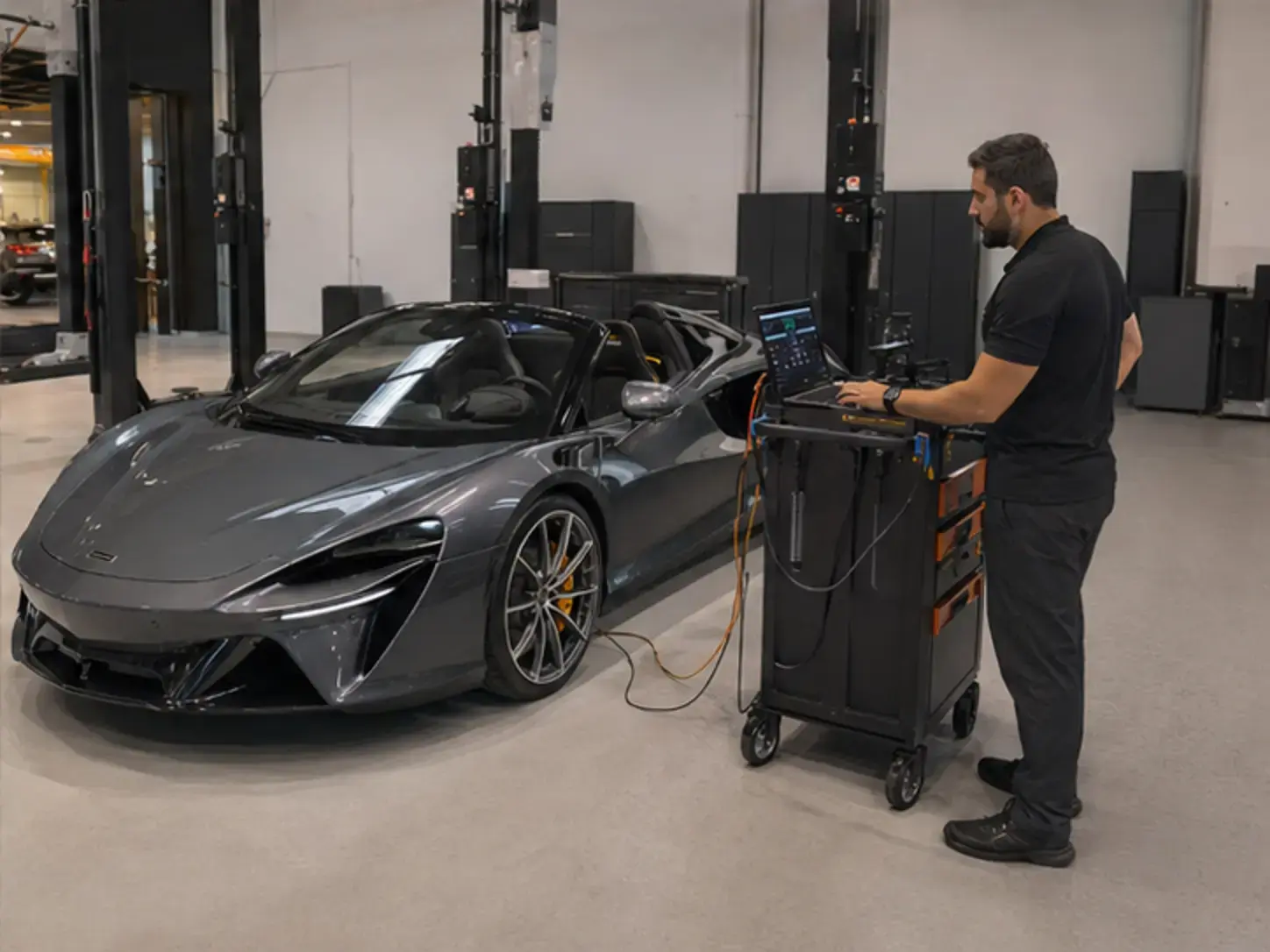
A 570S, 650S, 720S, GT, 750S, and Artura should not receive a copied checklist with only the model name changed. Engine generation, hybrid equipment, suspension and lift systems, brake hardware, fluid specifications, service access, and software procedures vary.
Provide the VIN and current mileage before the estimate. For the Artura or any high-voltage hybrid concern, use trained personnel and the correct isolation procedures. A standard 12V battery test does not assess the high-voltage traction battery.
Keep a Service Record That Protects Future Decisions
Save the invoice, mileage, date, parts list, oil specification and quantity, measurements, diagnostic report, alignment sheet, and photos of monitored items. This record helps the next technician distinguish a new condition from an old one. It also gives a future buyer something more useful than a stamped box with no scope.
Before Leaving the Workshop
Walk around the car before collection. Confirm that the service message has been handled correctly, no new warning is present, the final fluid levels were checked by the specified procedure, and removed panels or trim are secure. Review the invoice while the vehicle is still at the workshop. The parts and fluid descriptions should match the estimate.
Ask the advisor to separate completed work from observations. “Monitor at the next service” should include a measurable condition and a date or mileage for the next check. “Requires attention” should explain whether the concern affects safety, can cause further damage, or is simply a maintenance item approaching its limit.
Collection checklist
- Final mileage and service date recorded
- Oil and fluid specifications listed
- Fault codes and diagnostic work explained
- Tire pressures and wheel work confirmed
- Any removed service panels checked
- Next service point and monitored items written down
If the car developed a symptom immediately after service, note the exact condition and contact the workshop before another business clears data or changes parts. A direct comparison with the pre-service scan, measurements, and invoice is more useful than starting again with no history.
For specific maintenance routes, see our McLaren oil-change service and inspection details, McLaren brake inspection and repair options, and McLaren suspension diagnosis in Dubai. If a warning lamp is present, use the check engine light decision guide before approving guessed parts.
McLaren Service Questions
How often should a McLaren be serviced?
Follow the schedule for the exact model, year, and market, using both time and mileage limits. Low mileage does not remove calendar-based checks. Verify the next due point in the vehicle information and service record.
Does a low-mileage McLaren still need annual checks?
Yes. Battery condition, tire age, fluid condition, leaks, seals, brakes, and storage effects continue to change while mileage remains low.
Can maintenance fix a dashboard warning?
Only if the warning is caused by a due maintenance item and the underlying requirement is completed. Fault warnings need diagnosis. Clearing or resetting a message does not repair a defect.
Should I approve every item on an inspection list?
No. Separate urgent safety or damage risks from due maintenance, wear approaching a limit, and items that can be monitored. Ask for measurements and a recheck interval.
What information is needed for a McLaren service quote?
Send the VIN, model, year, mileage, service history, dashboard messages, current symptoms, annual use, storage pattern, and whether the car has track use or modifications.
Can any lift be used for a McLaren?
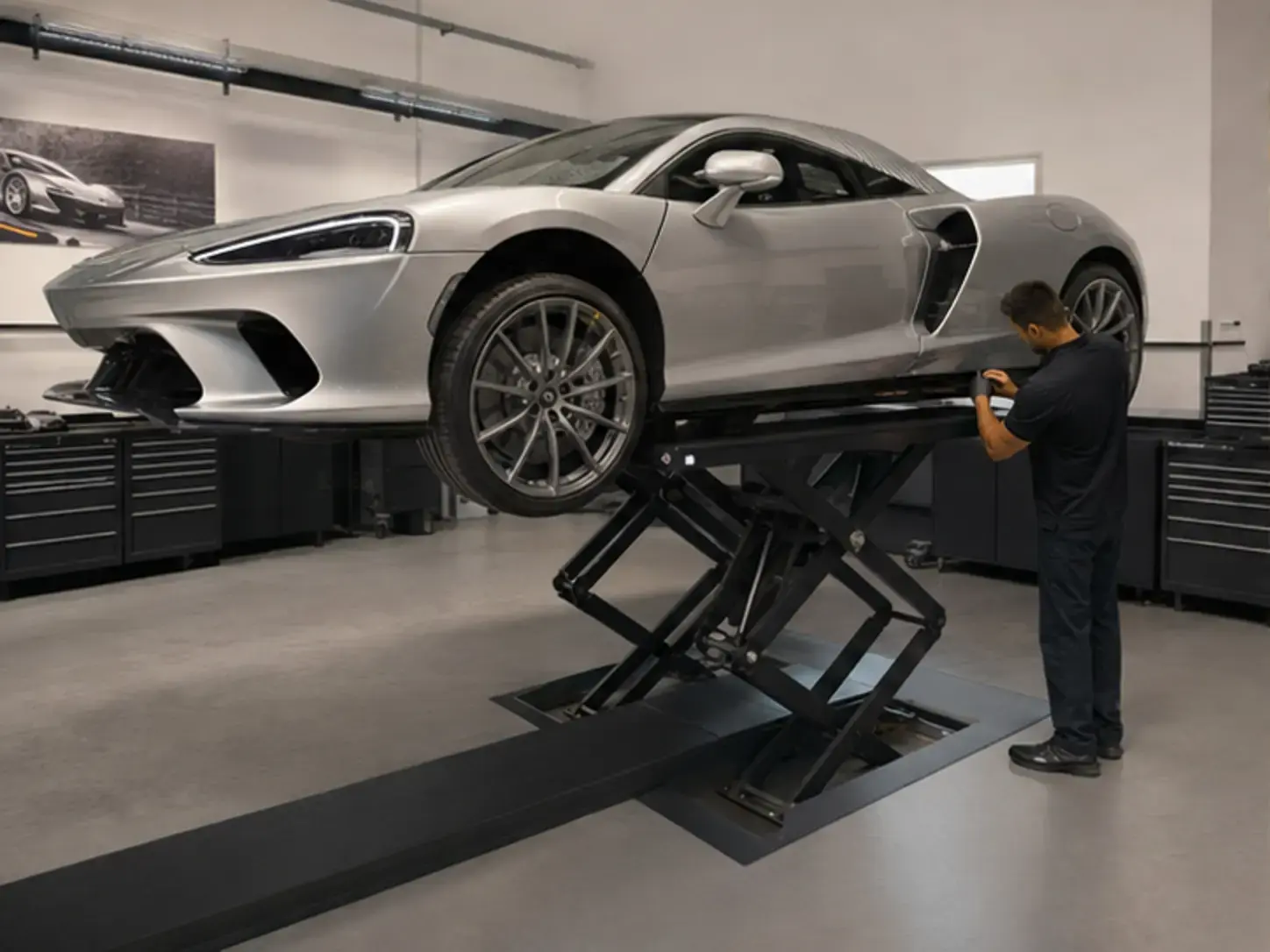
The workshop should use the model’s specified lifting points and suitable equipment. Low clearance, underbody panels, and structural materials make placement important.
Should I service the car before selling it?
If service is due, completing it with a detailed record can resolve uncertainty for the buyer. Do not hide active faults with a reset. Diagnose and disclose unresolved conditions.
Book McLaren Service in Al Quoz 4
Send the VIN, mileage, service history, and any warning message. We will define the maintenance scope before parts are approved.