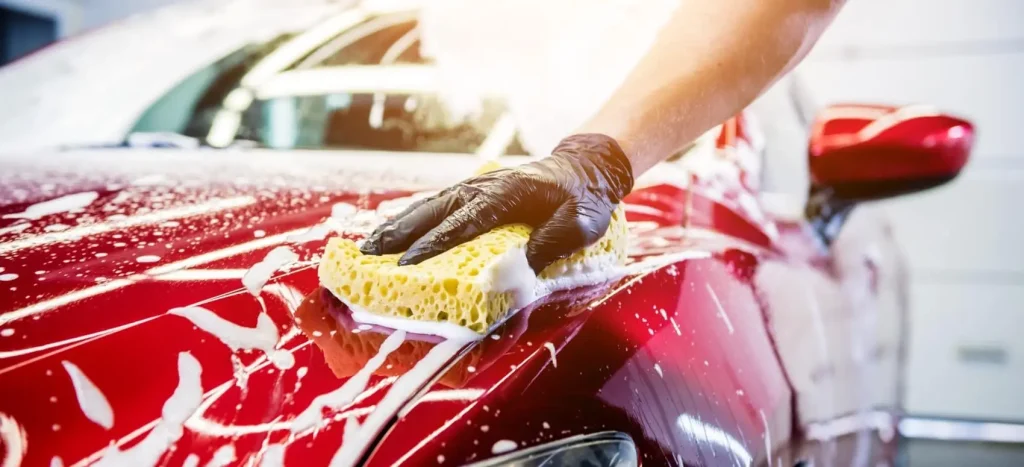
How often should you wash a car in Dubai?
Wash when dust, bird droppings, insect residue, tree sap, road film, or salt begins to sit on the surface, rather than following one rigid calendar. For many daily drivers, an exterior wash every one to two weeks is practical. A vehicle parked outside, driven near construction, or exposed to coastal spray may need attention sooner. A garaged weekend car may need less frequent washing.
The method matters more than the number of washes. Clean water, a paint-safe shampoo, separate wheel tools, low-friction contact, and clean drying towels protect the finish. A rushed wash with a dirty sponge can add swirls every week while still leaving the car technically “clean.”
Choose the wash by what is on the vehicle
Dust does not always need the same process as oily road film. Bird droppings should not wait for the next scheduled wash because they can mark the clear coat, especially when the panel is hot. Sand needs careful rinsing before contact. Interior spills need extraction or material-specific cleaning, not more dashboard dressing.
Loose dust and sand
Start with a thorough rinse or safe touchless pre-wash. Do not drag dry dust across the paint with a cloth. Pay attention to badges, trim edges, wiper areas, and wheel arches.
Road film and oily residue
Use a paint-safe pre-cleaner and shampoo with controlled contact. Heavy degreaser on exterior trim or paint can stain, dry, or strip protection.
Bonded contamination
Tar, sap, overspray, and rough deposits may require targeted decontamination. Washing harder is not the answer. Test the product and protect the finish afterward.
One useful rule: if removing the dirt requires pressure from your hand, stop and change the chemical or process. More force usually means more paint damage.
Car-wash services compared by result and risk
| Service | Best use | Main limitation | Typical Dubai price |
|---|---|---|---|
| Exterior hand wash | Routine body, glass, wheels, and drying | Quality depends on mitts, towels, and wash technique | AED 40 to AED 100 |
| Exterior and interior clean | Routine wash plus vacuum and surface wipe | Does not remove deep stains or odors | AED 80 to AED 180 |
| Steam or detailed interior cleaning | Seats, carpets, crevices, and material-specific soil | Needs drying time and care around electronics | AED 250 to AED 700 |
| Waterless or rinseless wash | Light contamination where water use is restricted | Unsuitable for thick sand, mud, or heavy grit without safe pre-removal | AED 50 to AED 150 |
| Decontamination wash | Tar, iron deposits, sap, rough paint, or coating preparation | Not the same as polishing or scratch removal | AED 180 to AED 450 |
Ranges vary with vehicle size, contamination, location, materials, and what the package includes. Confirm whether wheels, wheel arches, vacuuming, mat cleaning, stain treatment, drying, and VAT are included. An SUV with sand packed into trim and arches needs more time than a lightly dusty compact car.
What a paint-safe wash should look like
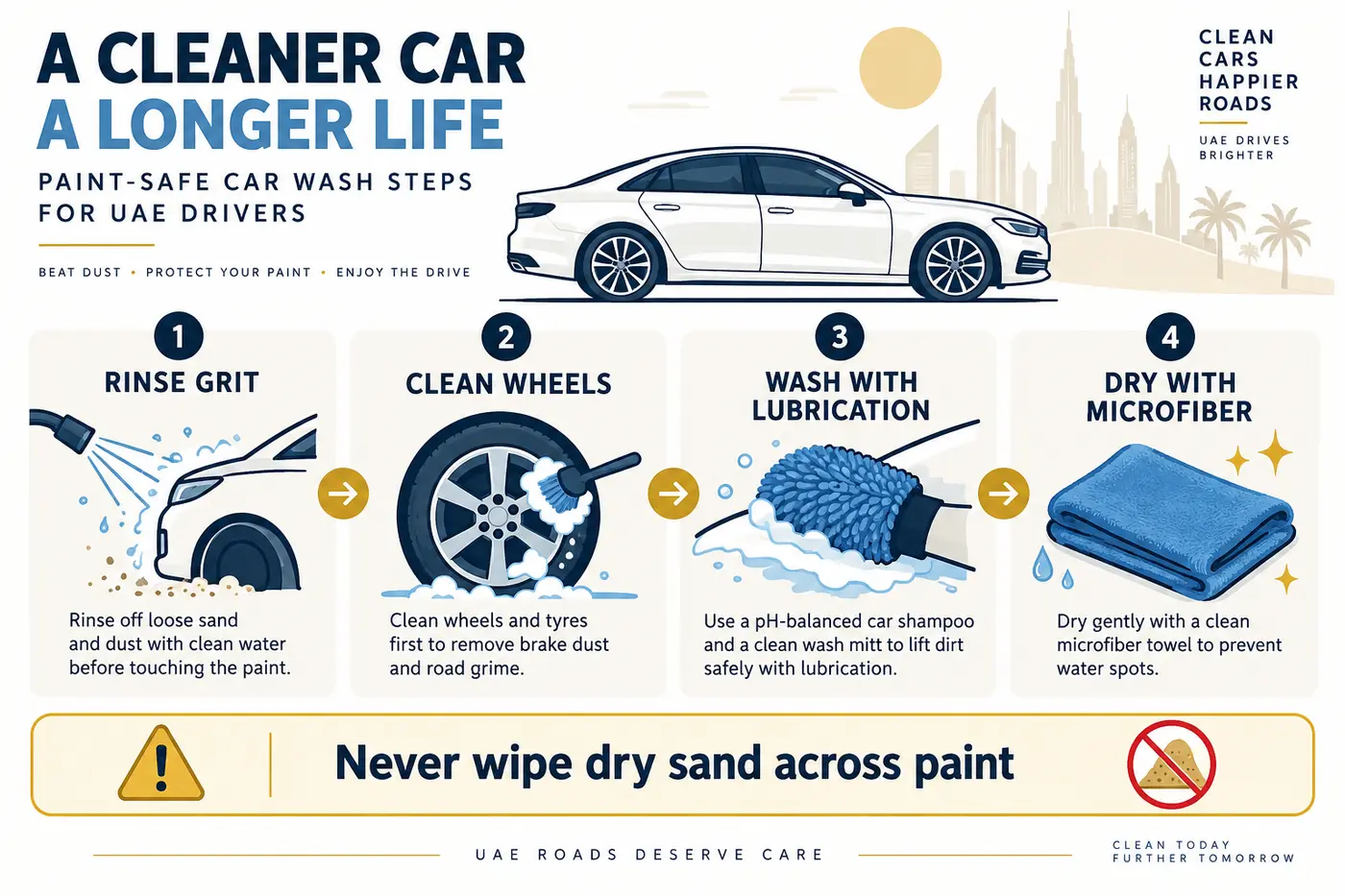
Before contact
- Work on cool panels out of direct sun
- Rinse loose grit from top to bottom
- Use a separate wheel bucket and tools
- Check towels and mitts for trapped debris
During and after contact
- Use lubrication from a suitable shampoo
- Clean in controlled sections without heavy pressure
- Rinse product before it dries
- Dry with clean microfiber or filtered air
Automatic brush washes trade control for speed. Some modern systems are maintained well, while worn or contaminated brushes can mark soft paint. Touchless systems reduce physical contact but may rely on stronger chemistry and may not remove bonded film. Hand washing is not automatically safer either. A dropped mitt, shared wheel sponge, or dirty drying blade can do plenty of damage.
If the paint already has swirls, oxidation, water spots, or scratches, washing cannot correct them. Cleaning should come first, followed by an inspection under proper lighting. Polishing removes or refines a small amount of clear coat and should be chosen for a measured defect, not sold as part of every wash.
When not to buy the largest cleaning package
Do not pay for polishing when the vehicle only needs a safe maintenance wash. Do not buy ceramic coating before contamination and paint defects have been assessed. Do not approve aggressive stain treatment until the material, dye stability, and hidden test area have been checked. More services on the invoice do not guarantee a better result.
A simple exterior wash may be enough when the paint is protected and only lightly dusty. A rinseless method can work for light soil when used with enough clean towels and lubrication. But thick sand, dried mud, or gritty wheel contamination needs removal before any towel crosses the surface.
Dirt that should be removed without delay
Bird droppings, insect remains, tree sap, cement dust, paint overspray, and some industrial fallout can bond to or chemically affect the surface. Rinse or soften contamination before touching it. Scraping a dry deposit with a fingernail or plastic card can leave a permanent mark.
After driving through standing water, mud, a construction area, or coastal spray, inspect wheel arches, lower panels, brakes, sensors, cameras, and drainage channels. Washing does not replace a mechanical inspection after deep-water exposure. Water can reach bearings, connectors, modules, filters, and interior insulation without leaving obvious dirt on the body.
Car Wash Frequency for Different Dubai Driving Patterns
A calendar is a starting point, not a paint inspection. A daily commuter parked outside may need an exterior wash every 7 to 14 days. A garaged car used on weekends can often wait longer. Wash sooner after bird droppings, insect residue, wet construction dust, tree sap, coastal spray or road chemicals settle on the surface.
After a sandstorm, do not wipe the body with a dry cloth. Loose particles act like abrasive grit. Rinse them away first, then use a lubricated wash method. If water access is limited, wait until a safe rinseless or professional process can remove the grit without dragging it across the clear coat.
Hand, Touchless, Rinseless and Waterless Washing
Hand wash
Hand washing gives control around trim, badges, wheels and lower panels. It is only paint-safe when the mitts, buckets and towels are clean. A dirty sponge can create swirls faster than an automatic brush.
Touchless wash
Touchless equipment limits physical contact. It may use stronger chemistry to loosen road film, and it can leave bonded contamination behind. Check whether the product is suitable for existing wax, sealant or coating.
Rinseless wash
A rinseless wash uses a lubricating solution with controlled towel contact and little runoff. It suits light or moderate dirt when enough clean towels are used. Thick mud and heavy sand still need pre-removal.
Waterless wash
Waterless products can handle light dust and isolated marks. They are not a safe shortcut for gritty panels. The towel must be folded to expose a clean face after each pass.
When Is a Waterless Car Wash Safe?
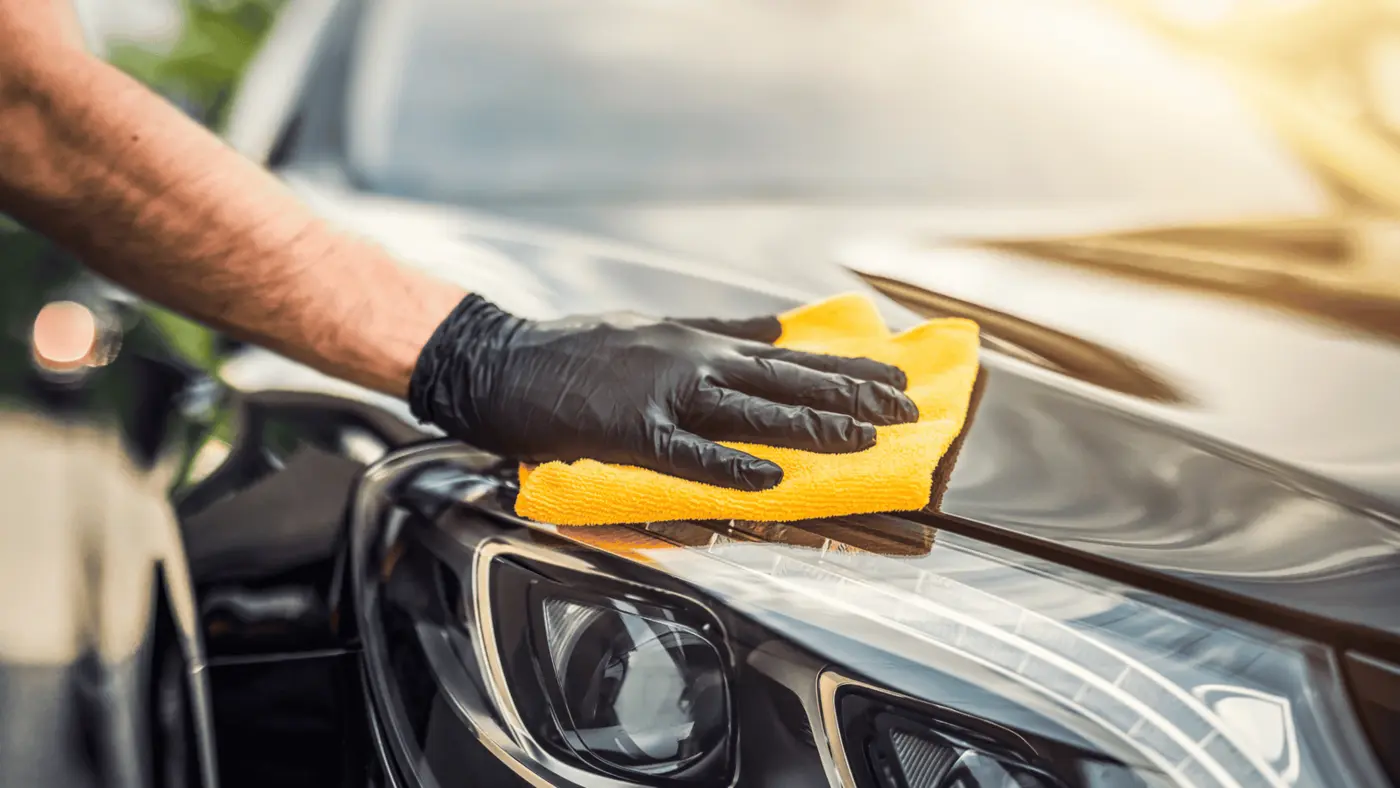
Use it when the panel has light dust, fingerprints or a fresh isolated mark and the product provides enough lubrication. Work on a cool surface. Spray enough solution to surround the dirt, allow the product to soften it, wipe in one direction with minimal pressure, and change towel faces often.
Do not use a waterless method when you can feel grit, when the vehicle has dried mud, or when sand is packed into handles and trim. A pre-rinse is the cheaper choice compared with correcting wash scratches later.
This is a clear “when not to buy” boundary. Paying for a waterless package because it sounds eco-friendly makes little sense if the condition of the vehicle requires water for safe soil removal.
DIY Car Wash or Professional Service
DIY washing is reasonable when you have shade, clean water, suitable shampoo, separate wheel equipment and enough microfiber towels. It gives you control, and for a lightly dirty car it may be all you need.
Professional service becomes useful when contamination is bonded, the interior needs extraction, the vehicle has delicate trim, access to water is restricted, or you cannot dry the car before mineral deposits form. Ask about the process rather than choosing by package name.
- Choose DIYLight soil, safe workspace, correct tools and enough time.
- Choose a routine washDust and road film without stains, odors or bonded deposits.
- Choose detailingMaterial-specific stains, contamination or measured paint correction.
- Pause and inspectPeeling clear coat, fresh paint, damaged seals or electrical faults.
Interior Cleaning Depends on the Material and Stain
One chemical should not be used across leather, coated leather, fabric, Alcantara-style microfiber, piano-black trim, screens and headliners. Start by identifying the material and the problem. Vacuum loose particles before wiping. Test cleaners in a hidden area. Use moisture sparingly around switches, seat controls, speakers and electrical connectors.
| Area | Suitable first step | What can go wrong |
|---|---|---|
| Leather or coated leather | Vacuum seams, then use a compatible cleaner on a towel or soft brush | Strong solvent can change sheen, color or protective coating |
| Fabric seats and carpets | Vacuum, identify the stain and use controlled extraction | Over-wetting can leave odor, tide marks or slow drying |
| Headliner | Light surface cleaning with minimal moisture | Saturation can weaken adhesive and cause sagging |
| Screens and gloss trim | Clean microfiber with a product approved for that surface | Household glass cleaner or rough towels can mark coatings |
| Seat switches and modules | Detail around controls without flooding gaps | Liquid can enter connectors and create electrical faults |

Drying, Water Spots and Paint Protection
Allowing water to evaporate on a hot panel can leave mineral deposits. Rinse thoroughly and dry with a clean, absorbent microfiber towel or filtered air. Do not use a household squeegee or a towel that has touched wheels.
Fresh water spots may respond to a suitable mineral-removal product. Etched marks need inspection before polishing. Wax, sealant and ceramic coating can make maintenance easier, but none makes paint scratch-proof. Coating maintenance still requires safe washing and compatible products.
Do not approve machine polishing just because the car has water spots. Chemical decontamination or spot treatment may solve the problem with less clear-coat removal.
Cameras, Sensors and Engine-Bay Washing Need Care
Clean windscreens, mirrors, headlights, number plates, parking cameras and radar covers support visibility and driver-assistance systems. Use a soft towel and avoid products that leave an oily film. If a warning remains after the sensor surface is clean, washing is not a diagnosis. The sensor may be misaligned, damaged or affected by a wiring fault.
Engine-bay cleaning carries different risks. High-pressure water can enter intakes, coils, fuse boxes, connectors and damaged seals. A controlled process uses appropriate cleaner, low moisture, protection for sensitive areas and complete drying. An existing misfire or warning light should be diagnosed before the bay is washed.
What a Car Wash Quote Should Include
A package name such as “premium” does not define the work. Ask for the included areas and the condition limits. Prices on this guide are planning ranges and can change with vehicle size, contamination, material, location and drying time.
- Exterior scopeBody, glass, wheels, arches, door jambs and drying.
- Interior scopeVacuum, mats, trim, seats, stain treatment and odor work.
- ProductsPaint-safe shampoo, wheel cleaner and material-specific interior products.
- ExclusionsPolishing, coating, deep stains, pet hair, mold and paint repair unless listed.
- TimingExpected work time plus drying time for extracted interiors.
- Final checkStreak-free glass, dry crevices, clean cameras and no product residue.
For a car wash near me in Dubai, distance should not be the only filter. Check whether the provider can explain its wash method, prevent wheel tools from touching paint, handle the vehicle’s materials and state what the quoted price includes. Our workshop location is in Al Quoz 4.
Car Washing and Car Polishing Have Different Jobs
Washing removes loose and bonded contamination. Polishing refines defects by abrading a measured amount of clear coat. If your concern is swirls, oxidation or scratches, read our car polishing guide for Dubai. This page owns the routine cleaning, washing-method and car-wash price intent.
A clean panel should be inspected under suitable light before correction is proposed. Some apparent scratches are transferred material. Some stains are mineral deposits. Others have penetrated the paint and cannot be safely polished away. Diagnosis prevents unnecessary correction.
Matte Paint, Wraps, PPF and Coatings Need Different Care
A wash method that suits factory gloss paint may not suit every finish. Matte and satin paint should not be polished to remove marks because polishing can create a permanent glossy patch. Use products approved for the finish and avoid waxes or dressings that change its appearance. If a stain remains, inspect it before rubbing harder.
Vinyl wraps can lift at damaged edges when a pressure washer is held too close. Direct the spray away from seams and use moderate pressure. Paint protection film also needs attention around exposed edges, stone chips and areas that have started to lift. Aggressive chemicals can stain or weaken some films.
Ceramic coatings do not make a vehicle maintenance-free. They can reduce how strongly dirt sticks and make drying easier, but they still collect mineral deposits, traffic film and contamination. Use a compatible shampoo and follow the coating installer’s maintenance instructions. If water behavior changes, first rule out surface contamination before paying for a new coating.
Gloss paint
Use paint-safe shampoo and inspect defects only after cleaning. Correct scratches separately.
Matte or satin finish
Avoid polishing and gloss-enhancing products. Treat stains with finish-approved chemicals.
Vinyl wrap or PPF
Protect edges, avoid close high-pressure spray and check lifted or damaged areas.
Ceramic coating
Use compatible wash products and remove mineral deposits before judging coating failure.
Wash Water, Runoff and Responsible Cleaning
Wash water can carry detergent, oil residue, brake dust, metals and road contamination. It should not be treated as clean rainwater. The US EPA guidance on transportation wash water explains why contaminated runoff and stormwater need separate controls. Local site rules and drainage arrangements still govern what is permitted in Dubai.
A professional site should control where water flows, keep sludge out of drains and use products appropriate to its treatment system. At home, use the least product required, prevent chemical runoff from entering storm drains, and do not wash oily mechanical contamination onto the road. Water-saving claims should be judged alongside the cleaning method. Using less water is not useful if gritty paint is scratched or concentrated chemicals are released without control.
For product selection, the EPA Safer Choice program provides a framework for identifying ingredients that meet defined safety criteria. It does not mean every listed product is suitable for every automotive material. Always check the vehicle surface and the product instructions.
What to Inspect Before Accepting the Car
Look at the vehicle in more than one lighting angle. A wet panel or heavy dressing can hide residue and uneven cleaning. Check glass from inside and outside, then inspect mirrors, lamps and cameras for streaks. Open doors and look for trapped water around jambs, seals and badges.
- PaintNo fresh straight-line scratches, towel marks, dried shampoo or missed lower-panel film.
- WheelsNo wheel chemical left around lug holes, calipers or valve stems.
- GlassNo oily haze that becomes visible at night or in direct sun.
- InteriorNo wet switches, soaked seams, strong residue or unfinished stain treatment.
- CrevicesDoor handles, mirror bases, fuel door and boot channels are dry enough not to drip later.
- Driver-assistance areasCameras and sensor covers are clean, with no wax or dressing film.
If a stain, scratch or odor remains, ask what was attempted and what the next step would remove. A wash provider should not promise that more aggressive polishing, extraction or chemical treatment is risk-free. The next service needs a defined defect and a material-safe method.
Choose the Time of Day as Carefully as the Product
Hot body panels shorten working time. Shampoo can dry before it is rinsed, and hard-water droplets can leave marks before drying begins. Early morning, shade or a controlled indoor bay gives the process more time. If a panel feels hot, cool it with water before applying cleaner, but avoid sudden temperature change on very hot glass.
Wind creates another problem. It carries fresh dust onto wet paint and towels. Washing beside an active construction area or during blowing sand can undo the rinse before contact begins. Waiting for better conditions is often safer than buying more chemicals or pressing harder with the mitt.
After interior extraction, allow enough ventilation and drying time before closing the vehicle for long parking. Trapped moisture can leave odor and condensation. Floor mats and seat seams should feel dry, not merely look clean.
A practical wash plan between services
- Keep a clean microfiber towel and suitable spot cleaner for bird droppings
- Do not use household dish detergent as routine car shampoo
- Clean windscreen edges, cameras, lamps, mirrors, and number plates
- Wash wheels with tools that never touch the bodywork
- Replace towels that feel rough or hold trapped grit
- Open doors after washing and dry jambs, seals, and trapped water
If water continues to bead, that only shows surface tension. It does not prove the paint is clean or that a coating remains healthy. Feel, lighting, contamination, and the protection product’s maintenance instructions provide better clues.
Car-wash questions
Can washing too often damage paint?
Frequency alone is not the main risk. Dirty tools, poor rinsing, strong chemicals, and rough drying create most wash-related marks. A careful maintenance wash can be performed whenever contamination requires it.
Is a waterless wash safe on sand?
Not on heavy grit without safe pre-removal. Encapsulation products can handle light dust when used correctly, but thick sand should be rinsed or otherwise removed before wiping.
Should an engine bay be pressure washed?
High-pressure water around intakes, connectors, ignition parts, control modules, and damaged seals can cause faults. Engine-bay cleaning needs controlled products, protection, and drying appropriate to the vehicle.
Does a car wash remove scratches?
No. Washing removes contamination. Some marks look less obvious when clean, but correcting scratches or swirls may require measured polishing or paint repair.
How long should a full wash take?
A routine exterior wash may take 30 to 60 minutes. Interior cleaning, stain treatment, decontamination, large vehicles, and drying can extend the work to several hours.
Care and environmental sources
Choose the cleaning process after checking the surface
Use this guide to compare wash methods and paint-safe care. When you are ready for a workshop quote, book a car wash in Dubai and tell us whether you need exterior cleaning, interior cleaning or both.