Cold while moving only
Cooling improves at speed but becomes weak in traffic, often pointing toward condenser airflow, fan operation, or high-side pressure.
Restore strong cabin cooling without guessing at the failed part. We test vent temperature, refrigerant pressures, compressor control, condenser airflow, sensors, valves, leaks, and climate electronics before recommending repair. Service is available at our Al Quoz 4 workshop with careful low-clearance handling.

Weak cooling does not always mean the system only needs refrigerant. The cause can be airflow, heat rejection, compressor control, a pressure sensor, an expansion device, an electrical fault, or a leak. The behavior you notice helps us choose the first checks.
Cooling improves at speed but becomes weak in traffic, often pointing toward condenser airflow, fan operation, or high-side pressure.
The system may have low charge, compressor-control trouble, a major leak, or a climate request that is not being carried out.
Temperature sensors, blend control, actuator operation, or refrigerant distribution can create unequal left and right vent temperatures.
Clicking, scraping, blower noise, damp odors, or reduced airflow needs a different inspection from a simple cooling complaint.
Weak cooling, slow cooldown, odor, uneven temperature, or reduced airflow can usually be assessed without treating the car as unsafe. Switch the system off if a new mechanical noise starts and tell us exactly when it occurs.
Stop driving if AC operation is followed by smoke, a burning smell, belt noise, overheating, fluid loss, or an electrical warning that affects vehicle operation. A seized pulley or compressor can damage the drive belt and related components.
The appropriate service depends on the measured fault. We do not present a refrigerant top-up as a complete repair when the system has a leak or control problem.
These market-based ranges support early budgeting. The final estimate depends on the model, refrigerant type, access, leak location, parts choice, contamination, electrical diagnosis, and the amount of dismantling required.
Book measured diagnosis before adding refrigerant or replacing the compressor.
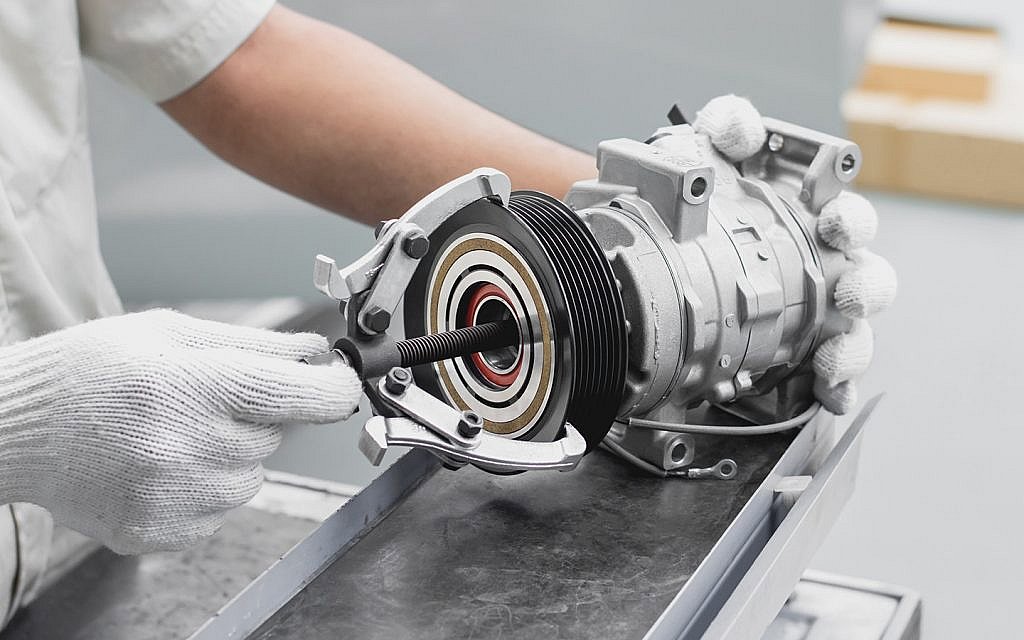
Vent temperature alone cannot identify the failed part. We compare center and side vent temperatures, ambient temperature, low-side and high-side pressure behavior, compressor command, condenser airflow, and refrigerant-line temperatures. Scan data helps show sensor values and whether the climate-control system is requesting compressor operation.
A system with low charge may cool briefly and then weaken. A restricted expansion device can create misleading pressure readings. Poor condenser airflow can drive high-side pressure upward in traffic. An electrical fault can stop a healthy compressor from being commanded. Reading these clues together avoids expensive parts replacement based only on one symptom.
Tell us when cooling becomes weak, which vents are affected, and whether noise or odor is present.
We check temperatures, pressures, airflow, electrical commands, visible condition, and relevant faults.
Leak testing or circuit diagnosis is added when the first measurements point to it.
You receive the proposed repair, parts choice, refrigerant work, timing, and total before work begins.
The system is repaired, evacuated and charged where required, then tested in suitable operating conditions.
These are planning scenarios, not claims about completed customer repairs. A physical inspection is needed before a final price.
AC diagnosis, electronic leak test, replacement of accessible leaking seals, evacuation, specified recharge, and performance check.
Estimated total AED 1,800 to 3,600
Condenser replacement following pressure and leak confirmation, refrigerant service, seal replacement, and final cooling test.
Estimated total AED 5,500 to 9,500
Compressor-control diagnosis followed by compressor replacement, correct oil balance, system recharge, fault clearing, and verification.
Estimated total AED 9,000 to 16,000
Refrigerant does not normally disappear through routine use. If the system is low, a leak must be considered. Common areas include condenser damage, service valves, hose connections, seals, pressure sensors, compressor seals, and the evaporator. A large leak may be obvious, while a slow leak can require careful testing over time.
Detection methods must suit the system and fault. Electronic detection, ultraviolet evidence where appropriate, pressure holding, visible oil traces, and component inspection each provide different information. A vacuum test alone does not prove that every system will remain sealed under operating pressure and heat.
After repairing a confirmed leak, we replace disturbed seals, apply the correct vacuum process, add the specified refrigerant mass, and verify temperature and pressure behavior. If contamination or compressor damage is present, the estimate may include cleaning, flushing where appropriate, receiver-drier work, or replacement of affected parts.
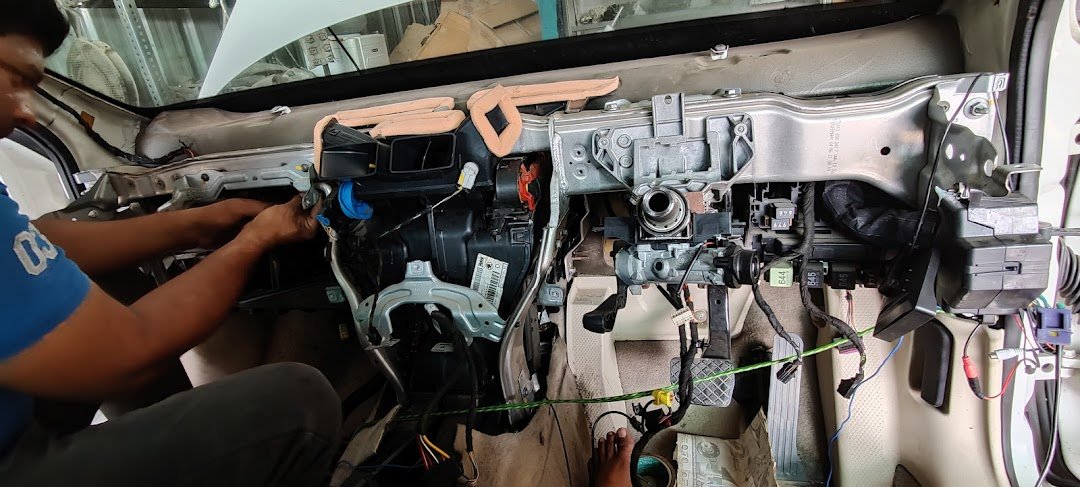
A McLaren parked in direct sun starts with substantial heat stored in the glass, trim, seats, and body. Initial outlet temperature, blower speed, recirculation operation, condenser airflow, and engine-bay heat all affect how quickly the cabin becomes comfortable.
The system may be working but starting from a severe heat load. We compare performance with ambient conditions and check whether recirculation, airflow, and condenser cooling are functioning correctly before declaring a fault.
Clean cabin filters and unobstructed vents help airflow, but they cannot compensate for incorrect refrigerant charge or weak compressor operation.
If cooling is strong while moving and weak at idle, condenser fan performance and high-side pressure deserve attention. Continued operation at abnormal pressure can stress the compressor and system seals.
Engine cooling and AC heat rejection interact, so overheating or cooling-fan warnings must be treated as more than a comfort issue.
System layout, refrigerant specification, compressor control, service access, climate electronics, and hybrid boundaries vary by model. We check the fitted configuration rather than assuming every McLaren uses the same AC service procedure.
See our McLaren repair Dubai page for wider workshop support. If an engine-temperature issue appears with the AC concern, our McLaren engine repair page explains the related diagnostic route.
Hybrid models require additional care around high-voltage components and electric compressor systems. We first identify the vehicle configuration and keep work within the equipment and service capability available for that model.
Two cars with the same cooling symptom can need very different work. The estimate becomes reliable only after the workshop connects the symptom to measurements, confirms the affected component, and checks whether access or related damage changes the repair route. These are the main decisions that shape the final scope.
Availability can range from genuine McLaren components to suitable OEM or high-quality aftermarket parts for selected items. The written estimate should identify the proposed choice rather than using a vague parts allowance. For used or refurbished components, condition, compatibility, warranty position, and any programming requirement must be clear before approval. We will not substitute a different grade without discussing the effect on price and timing.
Confirm whether the figure includes diagnosis, refrigerant recovery, leak testing, seals, oil, refrigerant, labor, programming, consumables, VAT, and the final road or workshop performance check. Also ask what happens if dismantling reveals a second leak or damaged connector. A staged estimate can be appropriate for a difficult fault, but the trigger for the next stage and its likely cost should be agreed first.
Our workshop is in Al Quoz 4, Dubai. Bring the car for a free inspection or arrange free pickup and delivery with suitable low-clearance transport planning. A dedicated on-site inspection can be arranged when an initial mobile assessment is useful. Any applicable on-site fee is confirmed before dispatch.
Weak condenser airflow or abnormal high-side pressure is a common possibility, although charge level and compressor control must also be measured.
No. Airflow, compressor control, sensors, valves, fans, electrical faults, and internal restrictions can all reduce cooling.
We first assess the system. If charge is low, the estimate should address the leak risk rather than treating repeated refilling as a repair.
Diagnosis and a straightforward recharge may be completed the same day, subject to capacity. Leak repair, parts sourcing, or interior access can take longer.
Possible causes include temperature sensors, blend control, actuator faults, airflow differences, or refrigerant-distribution problems.
Yes. Internal compressor failure can spread debris or contaminate oil, which may require additional cleaning and component replacement.
Free pickup and delivery can be arranged with access and vehicle condition discussed first so suitable transport can be planned.
A dedicated on-site inspection can be arranged for an initial assessment. Workshop equipment is normally required for full recovery, pressure testing, repair, and recharge.
Send your model and the cooling problem. We will arrange a workshop inspection, pickup, or suitable initial assessment. Low-voltage or electrical symptoms may instead require McLaren battery replacement.