Paintless dent repair
Best for suitable shallow dents where the factory paint is unbroken. The panel is carefully worked back into shape without filler or repainting. It can preserve the original finish and usually involves less workshop time.
Restore dents, creases and parking damage with the least invasive method that suits the panel, paint and access behind the damage. Our Volkswagen repair workshop in Dubai can coordinate related checks.
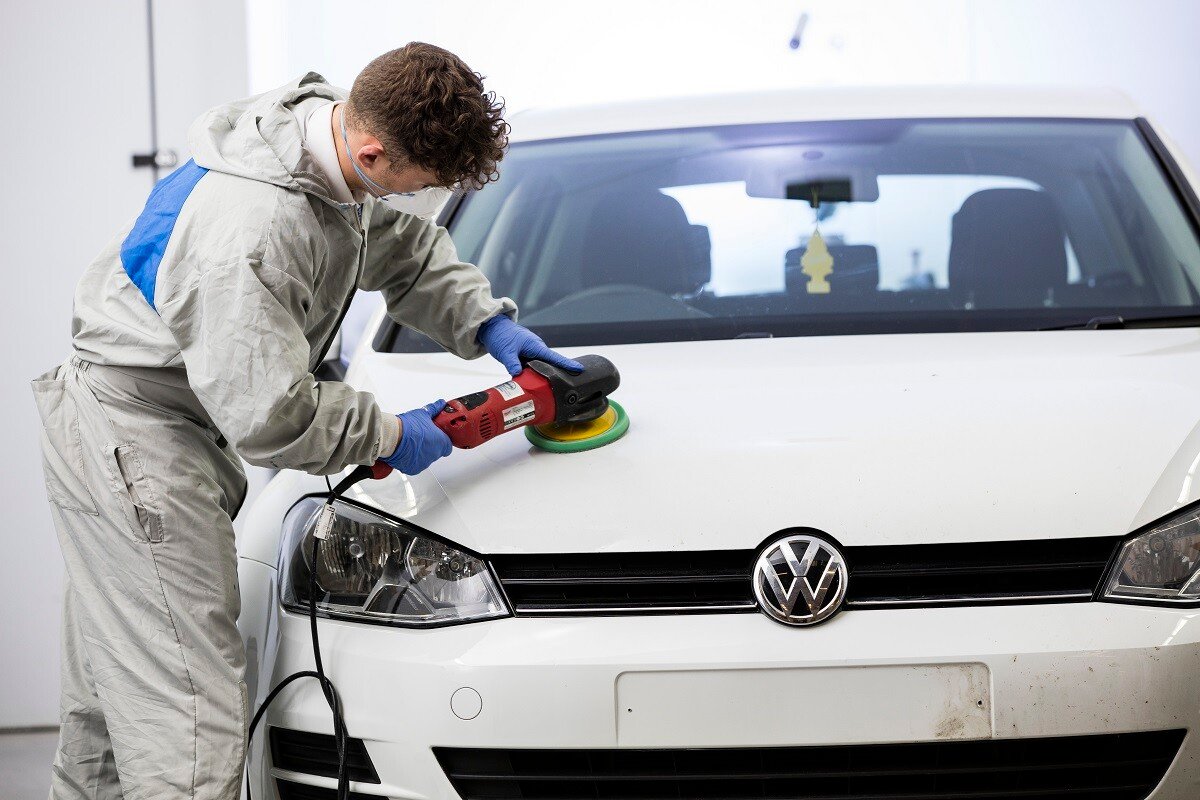
A shallow door ding is not repaired in the same way as a sharp crease across a body line. We first identify whether the original paint is intact, whether the metal has stretched, and whether tools can reach the rear of the panel. This keeps the quote focused on the work your Volkswagen actually needs.
Best for suitable shallow dents where the factory paint is unbroken. The panel is carefully worked back into shape without filler or repainting. It can preserve the original finish and usually involves less workshop time.
Suitable when a dent has chipped paint, formed a sharper crease, or cannot be reached cleanly from behind. The damaged area is reshaped, prepared and refinished with controlled blending.
Used for deep impact damage, stretched metal, torn edges or panels whose mounting points are affected. Wider collision damage is handled through our Volkswagen accident repair service. We compare safe repair against replacement before you approve the work.
Paintless dent removal is most suitable when the paint remains flexible and unbroken, the dent is not on a severely stretched edge, and access is available behind the panel. Aluminum panels, reinforced sections, double skins and previous filler can change the approach. We check these points before quoting so a low-cost method is not promised where it cannot produce a clean result.
Photos help us understand the location and general size. Reflections can hide sharp creases, cracked clear coat or previous repairs, so the free workshop inspection confirms the method and price.
These are market-based estimates for common Volkswagen body dents. Prices vary with the panel material, dent position, paint damage, access, previous repair work and the finish required. Your written quote confirms labor, materials and the complete estimated total before work begins.
| Damage and repair | Estimated total | Usually includes |
|---|---|---|
| Small accessible door ding, paint intact | AED 250 to 500 | Inspection, paintless reshaping and finish check |
| Medium dent or crease, paint intact | AED 450 to 900 | Panel access, controlled reshaping and reflection check |
| Dent with local paint damage | AED 700 to 1,500 | Reshaping, preparation, local refinishing and polishing |
| Large or complex panel dent | AED 1,200 to 2,800 | Panel repair, preparation, paint and alignment checks |
| Panel replacement and refinishing | AED 1,800 to 5,500+ | Estimated panel, fitting, paint and quality checks |
VAT treatment and any replacement parts are stated on the written quote. Sensor calibration, trim replacement, corrosion repair and damage found after disassembly are separate only when required and approved.
Door-edge impacts often leave small round dents or short vertical creases. We inspect the reinforcement bars, window mechanism and access holes before selecting paintless repair or local refinishing.
Curved wheel arches can stretch quickly and may include paint scuffs. Impact-related wheel damage can be inspected through our Volkswagen rim repair service. The repair must restore the arch line and maintain clearance around the tire and liner.
Wide shallow dents may respond to controlled paintless methods. Sharp impacts, bracing points and aluminum construction need a closer inspection before tools are applied.
We check latch alignment, camera wiring, powered lift mechanisms and water sealing as well as the visible outer skin.
A plastic bumper may be reshaped when mounts and the surface remain serviceable. Larger panel and paint work can be completed at our Volkswagen body shop in Dubai. Cracks, torn tabs or sensor damage may make repair or replacement more suitable.
A body-line crease needs careful metal control to restore the intended contour. Paint condition and metal stretch determine whether repainting is necessary.
Volkswagen Golf, GTI, Jetta, Passat, Polo, Tiguan, Touareg, T-Roc, Teramont and Arteon panels differ in material, reinforcement and trim access. We use the model and inspection findings to prepare the repair plan.
The visible dent is only one part of the decision. We inspect adjacent panel gaps, clips, trims, seals and sensor areas so the repaired section fits and functions properly. For paintless work, lighting and reflection boards reveal small high and low points that ordinary workshop light can miss.
When paint is required, preparation matters. The surface is cleaned, damaged paint is removed as needed, the panel is shaped, and repair materials are applied in controlled layers. Color is matched to the vehicle, then blended when the finish requires it. Final polishing is completed only after the coating has cured enough for the next step.
Do not assume every dent is only cosmetic. Stop driving and arrange pickup when a tire rubs the damaged panel, a door will not latch, the hood cannot lock, a sharp edge is exposed, a light is broken, glass is loose, or a warning appears after impact. Damage near an airbag sensor, radar unit, camera, wheel arch or structural pillar needs inspection before normal use.
For cosmetic damage with no safety symptoms, you can normally request an inspection at the workshop. Free pickup and delivery are available. A dedicated on-site inspection can also be arranged; any on-site fee is kept separate from the free workshop inspection.
These estimates show how location and paint condition change the total. They are not claims about completed customer vehicles. The final price depends on the physical inspection and chosen repair method.
AED 400
One accessible shallow front-door dent with factory paint intact, paintless reshaping and a final reflection check.
AED 950
Fender shaping, surface preparation, local paintwork and finish polishing where the impact has marked the paint.
AED 1,450
Tailgate trim removal, panel reshaping, paint blending, reassembly and checks of the latch and reversing camera area.
No. Paintless dent repair needs intact paint, manageable metal stretch and suitable tool access. Sharp creases, cracked paint, panel edges and previous filler may require conventional repair and refinishing.
A small suitable paintless dent may be completed within a few hours. Painted repairs need preparation and curing time, while complex panels or parts orders take longer. We provide an estimated completion time after inspection.
When painting is needed, the color and finish are matched to the vehicle and blended where appropriate. Age, fading, previous paintwork and metallic or pearl finishes affect the amount of blending required.
Suitable aluminum panels can be repaired, but aluminum behaves differently from steel and can stretch or harden around an impact. Inspection determines whether repair or replacement is the safer and cleaner choice.
Visible body damage and poor paintwork can affect buyer confidence. A clean repair with correct panel shape, gaps and color is more useful than masking the damage with a rushed low-cost finish.
Yes. Photos from straight on and from both sides help us understand the location and size. The free workshop inspection confirms paint condition, depth, access and the final estimated total.
Yes. Free pickup and delivery are available in the confirmed service area. Tell us the vehicle location and whether it can be driven safely so the suitable collection method can be arranged.
It can be assessed during the same visit. Plastic deformation, paint scuffs, cracks, broken mounts and parking sensors require different work, so the written quote separates the necessary items.
A stable shallow dent with intact paint may remain cosmetic, but waiting is not always neutral. Cracked paint can allow moisture to reach bare metal. A bent edge can disturb a seal. A deformed wheel arch can contact the liner or tire. Damage near a sensor can affect its position even when the bumper still looks acceptable.
Early inspection helps separate cosmetic damage from functional damage. If the panel is safe and the paint is protected, you can decide when to schedule the appearance repair. If the dent exposes metal, affects closure, traps water or changes clearance, earlier repair helps prevent corrosion and secondary wear.
Paintless work preserves the factory coating and avoids new paint materials, but it is not the right choice for every dent. Conventional repair allows the workshop to correct sharper damage and restore areas where the coating has failed. The quality depends on accurate shaping and thin, controlled preparation, not on hiding a deep dent under excessive filler.
Repair normally retains more of the original vehicle and can reduce parts cost. Replacement is considered when the panel is torn, sharply folded, heavily stretched, corroded, previously weakened or unsafe to restore. Bolt-on panels can offer a clearer replacement path than welded structural sections. We compare both totals when both choices are practical.
Metallic and pearl colors may need a wider blend to avoid a visible shade boundary. Older paint can have sun fade or earlier repair variation. A dent close to another scratch may make it sensible to prepare a larger controlled area once rather than pay for two separate paint operations.
Good inspection light reveals the true crease and paint condition. We can compare repair methods while you see the affected panel and explain what each price includes. If driving is inconvenient, free pickup and delivery are available. A dedicated on-site assessment can be arranged when useful, with any visit fee explained separately.
You do not need a chassis number or technical diagnosis to make contact. The model and a short description are enough. We request detailed identification only if a trim, sensor, molding or replacement panel must be matched.
Photos support planning, but the workshop inspection sets the repair method.
Two dents with the same visible diameter can require different work. An open door skin may provide a controlled path for paintless tools, while a reinforced section can require trim removal, glue-pull techniques or conventional repair. We protect wiring, sound insulation, vapor barriers and window components during access. Trim is removed only when it improves the result or prevents damage.
Modern Volkswagen bumpers and body panels may sit close to parking sensors, cameras, radar mounts and lighting. A cosmetic mark does not automatically mean those parts are damaged, but their position and operation should be checked after an impact. If a mount is bent or a sensor warning is present, the quote separates that work from the surface repair so you can see the full scope.
Panel gaps provide useful clues. A dent near a door hinge, latch, hood edge or tailgate opening can affect alignment even when the paint looks acceptable. We check opening and closing, edge clearance and seal contact. Restoring the visible skin without correcting a shifted mounting point would leave the job incomplete.
Previous bodywork also changes the method. Paintless tools can disturb old filler or weak paint, and color matching may need to account for an earlier blend. We explain this risk before work begins. The goal is a durable repair with a natural contour, consistent finish and working trim, not simply a dent that looks smaller from one angle.
Share the Volkswagen model and a short description of the dent. We will arrange a free workshop inspection, explain the repair choices and provide an estimated total before work begins.