Seat bolster wear
Entry bolsters can lose color, crack, stretch or split. A local repair may suit surface wear, while damaged foam, seams or perforated panels require deeper work.
Leather, Alcantara and cabin restoration
Repair worn leather, damaged Alcantara, torn stitching, collapsed seat foam, sagging headliners and marked cabin trim with a plan suited to the original material. Our Al Quoz 4 workshop assesses color, grain, perforation, stitching, backing and connected seat functions before recommending cleaning, local restoration, panel replacement or retrimming. You receive an estimated AED scope and finish expectations before approval, with free inspection, pickup and delivery, plus dedicated on-site assessment options across Dubai.
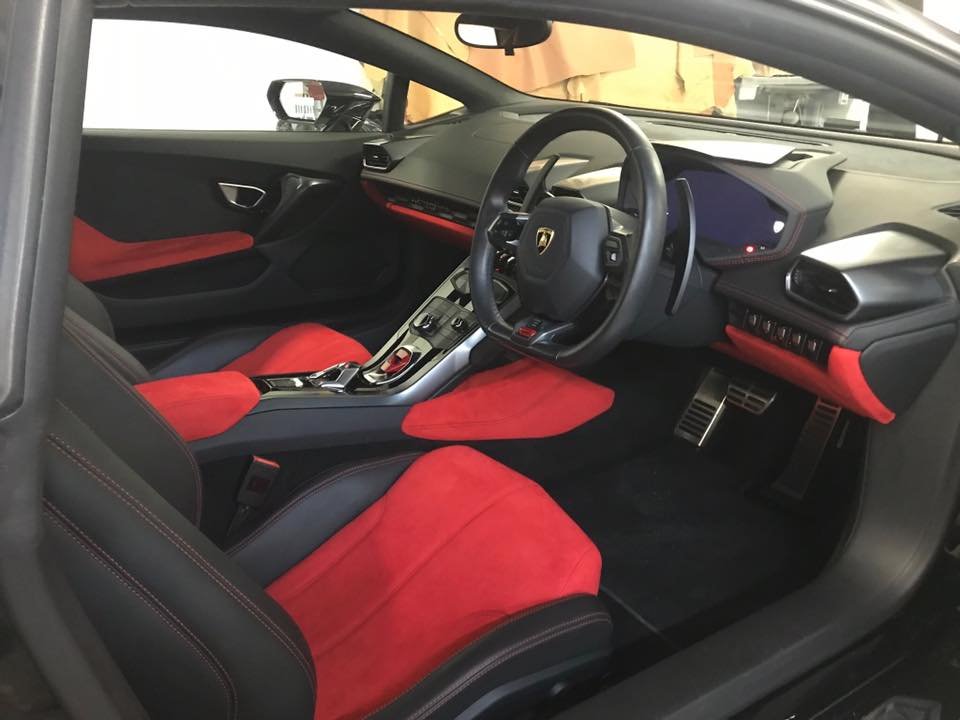
Start with the damaged area
Leather, Alcantara, stitching, foam, trim coatings, headliners and switches age in different ways. The repair should preserve the original character while addressing the visible damage and the condition underneath.
Entry bolsters can lose color, crack, stretch or split. A local repair may suit surface wear, while damaged foam, seams or perforated panels require deeper work.
Heat can weaken backing foam and adhesive, causing sagging fabric. Airbag areas, sensors, lighting and fragile trims need controlled removal and refitting.
Cleaning, color restoration or local refinishing may improve suitable surfaces. Dye transfer, sunscreen, deep cuts and previous coatings change the treatment.
Repair options by material
We inspect the material, color, grain, stitching, foam and surrounding panels before recommending cleaning, localized repair, panel replacement or broader retrimming.
Suitable products remove surface contamination without aggressive shine or residue. Conditioning cannot repair a split, missing finish or collapsed foam.
Worn color can be prepared and refinished when the surface remains repairable. Matching considers hue, sheen, grain and adjacent aging.
A torn or deeply damaged insert may need a replacement panel, matched thread and careful seam reconstruction. Perforation and decorative stitching affect labor.
Flattened or marked microfiber needs material-specific cleaning. Severe wear, burns or contamination can require a matched insert or complete panel.
Collapsed bolsters and cushions are shaped and supported before the cover is refitted. Occupancy sensors, heating and ventilation must remain protected.
Roof fabric, pillars, door inserts, console panels and selected trim can be repaired or retrimmed according to access and material availability.
Estimated restoration costs
These market-based estimates include 5% VAT. Material source, color matching, perforation, stitching, seat functions, removal time and the size of the damaged area affect the final quote.
| Interior work | Estimated total | Typical inclusion | Main price factor |
|---|---|---|---|
| Leather cleaning and protection | AED 840 to 1,575 | Seat and selected cabin leather treatment | Interior size and contamination |
| Local bolster color repair | AED 1,050 to 2,100 | Preparation, color matching and local refinishing | Cracking and previous coatings |
| Single leather panel replacement | AED 1,575 to 3,675 | Matched material, stitching and panel fitting | Perforation, grain and access |
| Seat foam and bolster repair | AED 1,260 to 3,150 | Seat removal where needed, foam shaping and refitting | Seat electronics and damage depth |
| Headliner retrim | AED 3,150 to 6,300 | Roof trim removal, new lining and refitting | Model, pillars, lighting and material |
| Complete cabin retrim | AED 18,900 to 52,500+ | Custom material planning and broad interior work | Design, material and component count |
Send the model and a few photos of the damaged area in daylight. We can advise whether cleaning, local repair or retrimming is the likely route.
Four layers, one finish
A photo starts the conversation. The workshop inspection then separates surface wear from structural damage so the repair improves the appearance without hiding a failed seam, foam support or backing layer.
We check staining, color loss, hardened coating, cracking, shine and previous repair products to see whether careful cleaning or refinishing is suitable.
Grain, perforation, stretched leather, open stitching, cuts and adjacent panels are compared so a local repair does not become an obvious patch.
Foam shape, backing, adhesive and mounting edges are checked. Damaged support is repaired before the visible cover is refinished or replaced.
Seat wiring, occupancy sensors, airbags, heating, ventilation, lighting and fragile trim are protected when removal or deeper work is required.
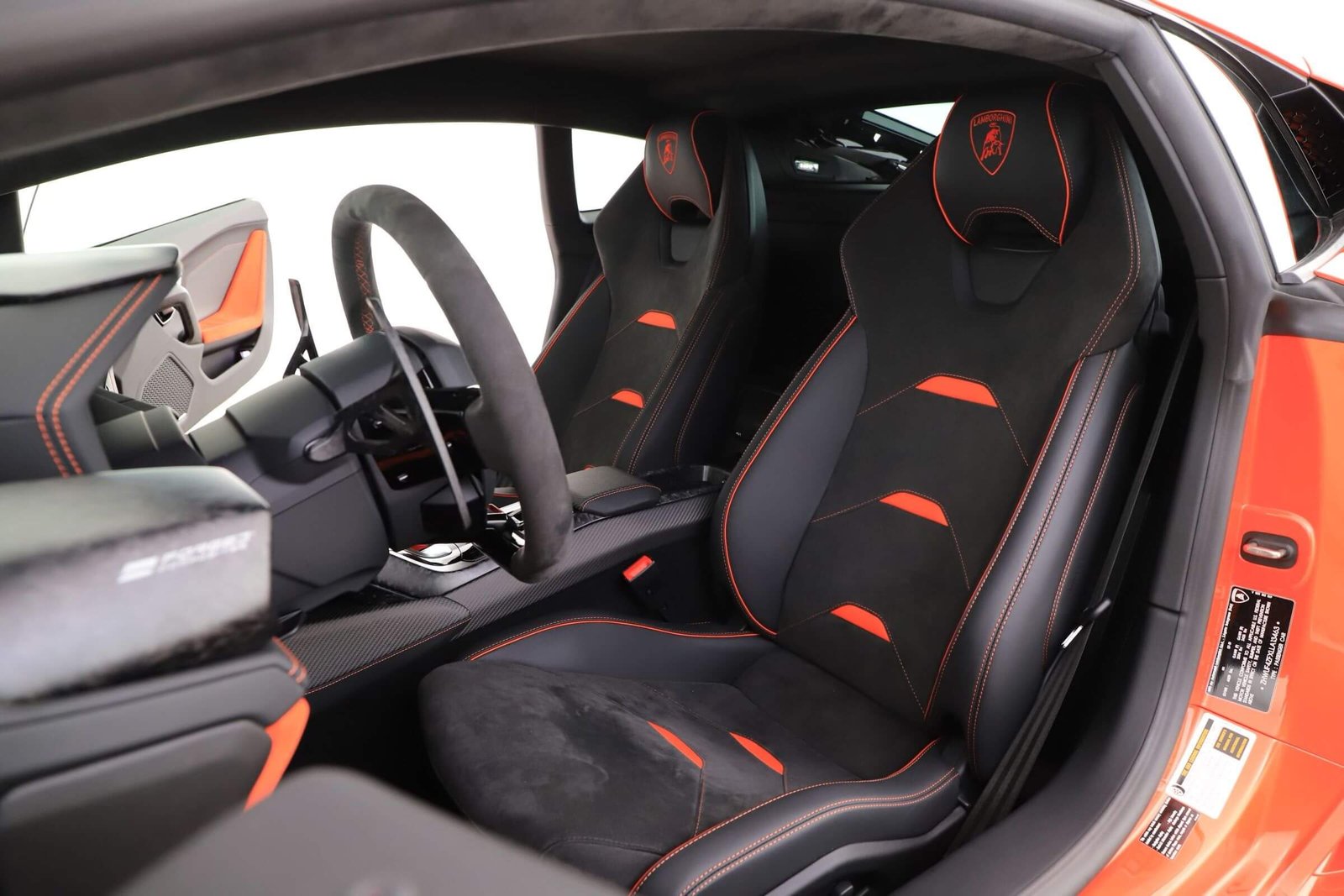
The estimate identifies the exact area, cleaning or repair method, proposed material or coating, removal needs, stitching, color and expected finish. For custom work, piping, perforation and pattern are approved before material is cut.
Choose the appropriate level
These services solve different conditions. Cleaning removes contamination, restoration renews a repairable finish, panel repair replaces localized damage, and retrimming changes or renews a wider area.
| Condition | Suitable route | Expected result | Important limitation |
|---|---|---|---|
| Surface dirt or light dye transfer | Material-safe cleaning | Cleaner surface with original material retained | Deep finish loss may remain visible |
| Color wear without deep structural damage | Local preparation and refinishing | Closer color and sheen with wear protected | Severe cracks cannot be filled indefinitely |
| Split seam or damaged insert | Stitching or panel replacement | Localized structural repair with matched material | Exact grain and aged color may require careful blending |
| Collapsed foam beneath intact cover | Foam repair and cover refit | Improved shape and support | Cover damage may add panel work |
| Widespread sagging or custom design request | Full panel, headliner or cabin retrim | Broader renewed or personalized finish | More time, material approval and dismantling |
Typical interior budgets
These are realistic planning scenarios, not claims about completed customer cars. Material inspection and color matching confirm the final total.
Typical job estimate
Repair driver-seat outer bolster color wear, prepare the leather, match the finish and protect the repaired area where the grain layer remains serviceable.
AED 1,260 to 1,890 including 5% VAT
Deep cracking or damaged foam would need a wider repair.
Typical job estimate
Replace one damaged perforated leather seat panel using matched material and stitching while protecting heating and ventilation functions.
AED 2,625 to 4,200 including 5% VAT
Material availability and perforation pattern affect the total.
Typical job estimate
Remove and retrim a sagging headliner and affected roof-edge pieces, then refit lighting and trim after adhesive curing.
AED 4,200 to 6,825 including 5% VAT
Fragile clips or additional pillar damage would be separate.
Controlled interior work
Interior areas we restore
A Lamborghini cabin combines several surfaces and functions. The design plan should respect original color relationships and avoid repairing one panel in isolation when adjacent wear affects the result.
Leather, Alcantara, perforated inserts, piping, contrast stitching, foam shape, back panels and selected controls can be included according to condition.
Headliners, sun visors, pillars and roof-edge trim require careful access around lighting, airbags, seals and mounting clips.
Door inserts, armrests, console side panels, gear or control surrounds and selected soft-touch surfaces can be restored or retrimmed.
Rims, hand grips, shift areas and frequently touched trim need compatible materials and a finish that does not become slippery or overly glossy.
Carpet stains, worn binding, mats, luggage trim and selected floor panels can be cleaned, repaired or replaced.
A broader redesign can use approved color samples, piping, quilting or stitching. Materials and pattern are confirmed before production.

Details decide the result
Black leather is not one universal color, and even factory panels change with age and use. A professional-looking repair must account for the way adjacent surfaces now appear.
Color is checked in useful lighting, but sheen is equally important. A correct hue with an overly glossy finish will still look repaired. Grain, perforation spacing, thread thickness and stitch direction also influence the visual match.
New material may look cleaner and tighter than older surrounding panels. For some jobs, controlled blending or treating the paired area creates a more balanced result. We explain this before work rather than promising that every aged material can become indistinguishable.
Aftercare matters. Avoid harsh household cleaners, silicone shine products, wet wipes with alcohol and abrasive brushes. Use the recommended care approach and blot spills promptly.
Models and interior specifications
Interior construction varies by model, trim and customization. We support Huracán, Aventador, Gallardo, Murciélago, Urus, Revuelto and other suitable Lamborghini interiors after inspection.
Compact sport seats, bolsters, Alcantara, leather, headliners and high-touch trim need access-aware local work and careful color matching.
Complex seat shapes, carbon trim, contrast stitching and limited-production specifications may require additional material identification.
A larger cabin can include ventilated seating, perforated leather, rear-seat panels, broad headliners, door trim and family-use staining or wear.
Protect the restored cabin
The handover advice depends on the coating, adhesive or new material used. Respect curing time before intensive cleaning, seat covers or heavy use.
Blot liquids instead of rubbing them deeper into perforation or stitching. Use a material-safe cleaner only after the recommended curing period.
Household degreasers, bleach, solvent, alcohol wipes and heavy silicone dressings can discolor or harden premium interior finishes.
A windshield shade and covered parking can reduce cabin temperature and slow adhesive, foam and finish aging.
Metal rivets, keys, tools and rough fasteners can cut entry bolsters quickly, especially on tightly shaped sport seats.
Use soft tools around perforation, stitching and Alcantara. Aggressive brushing can raise fibers or damage an aging finish.
A small seam opening, loose edge or returning headliner sag is easier to assess before it spreads across a larger panel.
Interior restoration answers
Review what can be restored, when material replacement is needed, and how inspection, timing and pickup work.
Yes, when the surface remains structurally suitable. Deep cracks, splits, stretched perforation or damaged foam may require panel or support repair first.
We compare color, sheen and grain with the surrounding material. Aging can make an exact invisible match difficult, so the expected finish is discussed.
Yes. Cleaning can improve suitable contamination or flattened fibers, while burns, tears and severe wear may require panel replacement.
Often yes. The adjacent seat condition and color difference are reviewed so a local repair does not appear isolated.
Yes. The roof lining and affected trim are removed as needed, prepared, retrimmed and refitted around lighting, sensors and airbags.
Small local work may take one or two days. Panel replacement, headliners, material ordering and complete retrims can take longer.
Yes, the initial workshop inspection is free. Extensive dismantling or design work is quoted before it begins.
Yes, free pickup and delivery are available across Dubai. Timing is arranged around the interior work and curing period.
A dedicated on-site inspection can be arranged for suitable cases. Most repair, removal and retrimming work is completed in Al Quoz 4.
The workshop is in Al Quoz 4, Dubai. Send the model and photos of the affected area to start.
Restore the cabin carefully
Send the Lamborghini model and clear photos of the damaged trim. We will explain the likely repair level and estimated cost before materials or work are approved.