Heavy at parking speed
Possible areas include electric steering assistance, power supply, steering-angle data, a hydraulic pump or fluid fault where fitted, rack binding, column joints, low tire pressure, or excessive front-end load.
Dodge steering workshop in Al Quoz 4
Trace heavy steering, play, noise, pulling, vibration, leaks, and steering warnings to the rack, column, assistance system, joints, suspension, tires, or alignment.
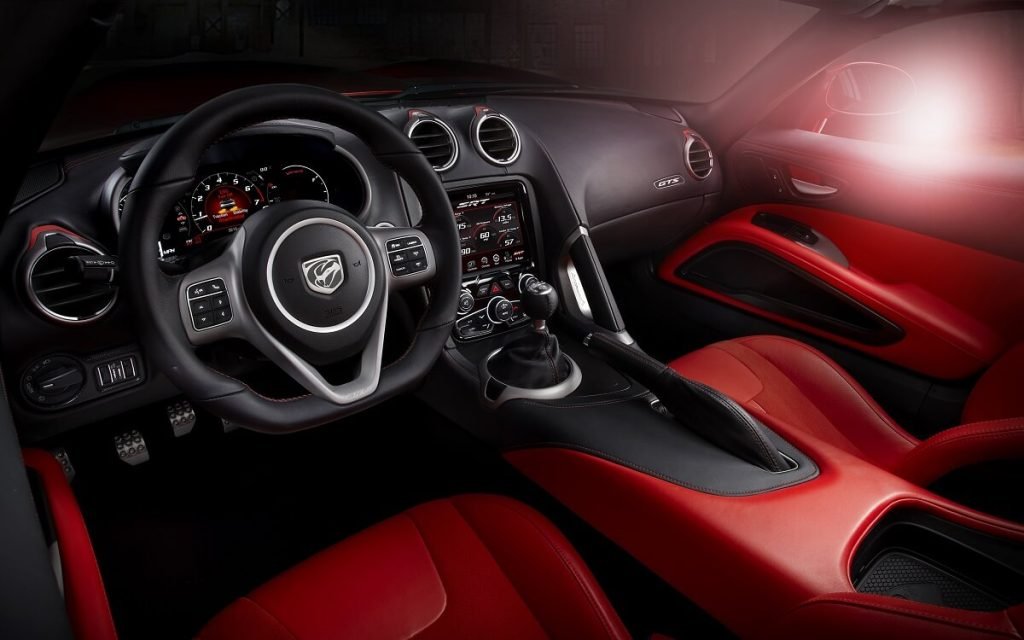
The same feeling can have different causes
This guide narrows the first checks without treating a symptom as a confirmed diagnosis. Steering faults can overlap with tires, wheel bearings, brakes, suspension, alignment, or electronic assistance.
Possible areas include electric steering assistance, power supply, steering-angle data, a hydraulic pump or fluid fault where fitted, rack binding, column joints, low tire pressure, or excessive front-end load.
Rack mounts, inner and outer tie rods, ball joints, control-arm bushes, wheel bearings, tire condition, pressure, and alignment are checked. Free play must be located before adjustment is considered.
Steering joints, rack movement, tie rods, strut mounts, ball joints, stabilizer parts, CV joints, and loose hardware can produce similar sounds. The location and load condition matter.
Tire pressure, tire construction, brake drag, alignment, ride height, worn bushes, road crown, and steering position are compared. Alignment alone will not repair loose or damaged parts.
Wheel balance, bent wheels, tires, hubs, bearings, brake vibration, suspension movement, driveline effects, and steering linkage can transmit shake through the wheel.
Battery voltage, charging condition, fuses, wiring, connectors, control modules, motor operation, sensors, coding, and stored faults may need testing before a rack or column is condemned.
Decide whether to drive or arrange pickup
Stop and seek advice if steering effort changes suddenly, the wheel does not respond predictably, a joint appears disconnected, fluid is pouring out, the steering locks or catches, a wheel sits at an abnormal angle, or the vehicle cannot hold a safe direction. A red warning combined with lost assistance also needs prompt assessment.
Heavy steering does not always mean the wheels cannot turn, but the effort and unpredictability can make an emergency maneuver unsafe. Continued driving with loose tie rods, severe rack play, damaged ball joints, or a failing column joint can allow the condition to worsen without much warning.
Prices by confirmed system
These estimates vary by model, steering type, access, programming, parts choice, and related suspension damage. Inspection confirms the useful repair scope.
| Steering work | Estimated total | Typical scope |
|---|---|---|
| Initial steering inspection | Free | Symptom review, visible front-end checks, warnings, and basic play assessment |
| Steering diagnosis | AED 350 to 950 | Targeted scan, electrical, hydraulic, play, or road testing |
| Outer tie-rod end | AED 650 to 1,400 each | Suitable joint, fitting, safety check, and alignment need review |
| Inner tie rod | AED 850 to 1,800 each | Confirmed inner joint work, boot inspection, fitting, and checks |
| Steering column joint or component | AED 1,200 to 4,500 | Confirmed component, labor, centering, and system checks |
| Steering rack repair | AED 2,500 to 6,500 | Repairable rack scope, removal and fitting, fluid or electronic checks |
| Steering rack replacement | AED 4,500 to 12,000+ | Correct rack, installation, setup or coding where required, and testing |
| Wheel alignment | AED 250 to 550 | Geometry adjustment after faults are repaired and tires are suitable |
New genuine, OEM-equivalent, professionally rebuilt, or used options may exist. Availability, warranty, programming, and condition differ. Our equivalent repair can be 65% to 70% lower than agency pricing.
Locate movement before ordering parts
The check begins with the exact driving condition: parked, low-speed turn, straight road, braking, bumps, acceleration, or higher speed. We compare steering effort in both directions, wheel centering, return-to-center behavior, warning status, noise, and where vibration is felt.
With the vehicle safely supported, we inspect rack mounting, inner and outer tie rods, boots, leaks, column connections, ball joints, control-arm bushes, strut mounts, wheel bearings, tires, and visible damage. Movement is loaded in a controlled way so the source can be seen or felt rather than guessed.
Electronic systems may require a full scan, battery and charging test, live data, wiring checks, and calibration review. Hydraulic systems can require fluid-level, contamination, hose, pump, pressure, and leak checks. The fitted system determines the test plan.
Tire evidence is recorded before any geometry change. Edge wear, feathering, mismatched construction, pressure differences, impact damage, and wheel offset can change how a Dodge follows grooves or road crown. Rotating or replacing unsuitable tires may be necessary before an alignment result can be judged fairly.
We also compare steering behavior with braking and acceleration. A vehicle that pulls only under braking may have a brake or suspension issue, while movement under power can involve driveline or bush compliance. A constant off-center wheel after previous repairs may point toward geometry or installation, but the rack must not be centered by hiding unequal tie-rod adjustment.
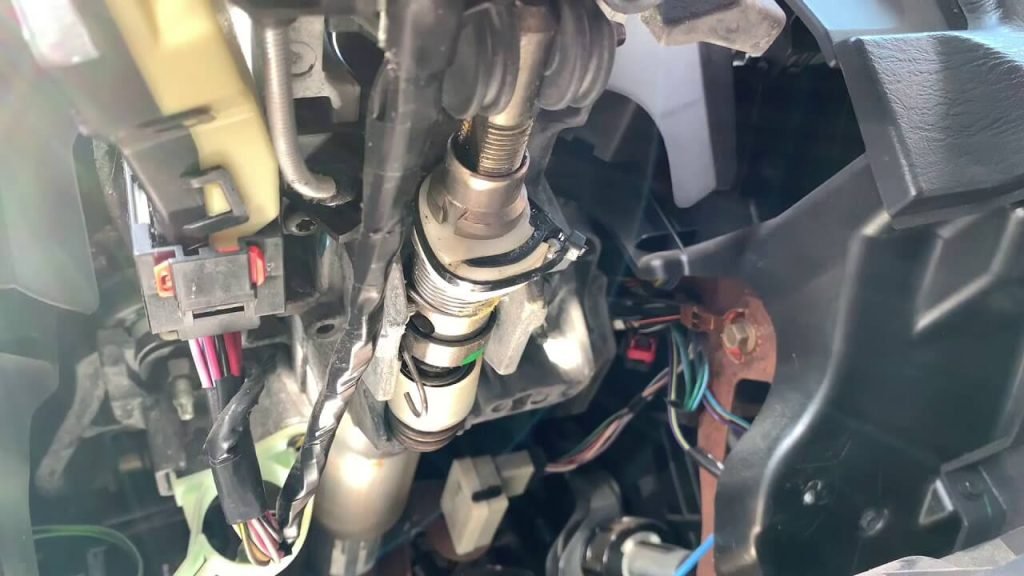
Choose the least invasive complete repair
Suitable when a confirmed tie rod, coupling, bush, mount, hose, sensor, or related component is the cause and the rack or column remains serviceable.
Repair or replacement is considered when internal play, binding, leakage, motor failure, damaged gears, or an unavailable subcomponent makes smaller work unreliable.
Alignment is completed after looseness, damage, tire problems, and ride-height issues are addressed. It sets geometry but cannot secure a worn joint.
A used rack can reduce initial cost but its wear, storage, part history, and electronic compatibility may be uncertain. A rebuilt unit depends on core condition and rebuild quality. A new unit costs more but may offer the clearest parts warranty. We explain the route available for the exact Dodge before approval.
Two completed repair records
These records show how similar steering complaints can lead to different repairs. Current pricing remains subject to inspection and parts availability.
Complaint: loose steering feel and a knock over small bumps.
Findings: movement at one inner tie rod, worn outer joint on the same side, rack mount secure, no rack leakage, and front tires still usable.
Work: inner and outer tie-rod replacement, boot and rack review, controlled tightening, steering centering, alignment, and road verification.
Total: AED 2,650.
Result: free play removed, steering centered, and no remaining knock during the checked route.
Complaint: intermittent heavy steering after startup with a warning message.
Findings: low system voltage during cranking, stored steering-assistance faults, no mechanical rack binding, and charging output below the expected stabilized range.
Work: battery and charging-system repair, fault clearing, steering-angle and assistance checks, repeated cold-start test, and road verification.
Total: AED 1,950.
Result: assistance remained consistent after the electrical cause was corrected, avoiding unnecessary rack replacement.
Passenger cars and SUVs
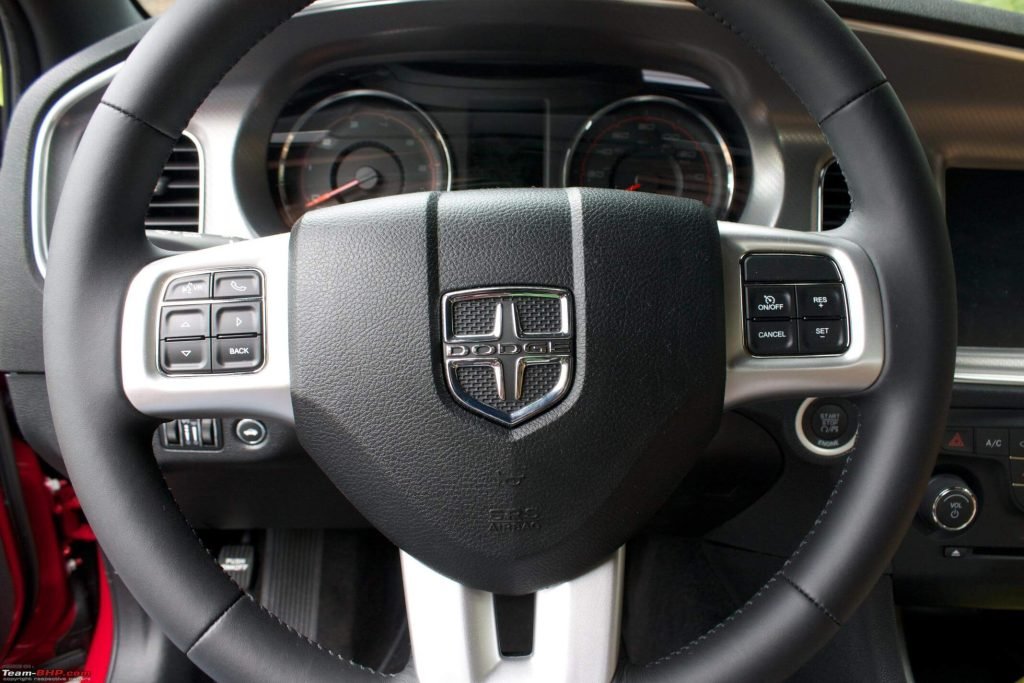
The model badge does not identify every rack, column, motor, or calibration. VIN and installed part information help prevent a fitment mistake.
From symptom to centered road test
Effort, noise, play, pull, vibration, warning status, and driving condition are recorded.
Steering, assistance, suspension, tires, hubs, brakes, and alignment influences are checked.
The quote identifies the failed area, parts choice, related work, setup, and alignment need.
Fasteners, leaks, warnings, steering center, assistance, and road behavior are checked.
Steering questions
Lost electric or hydraulic assistance, voltage faults, a pump or fluid problem, rack binding, column joints, tire pressure, or another front-end fault can increase effort.
Only when geometry is the cause and the tires and components are serviceable. Brake drag, tires, worn joints, ride height, or road crown can also cause pull.
Some racks are repairable, depending on damage, electronics, internal wear, parts availability, and rebuild quality. We compare repair and replacement routes after inspection.
Tire or wheel imbalance, bent wheels, hubs, bearings, brake vibration, suspension movement, driveline effects, or steering linkage can transmit vibration.
Some component replacements require coding, calibration, steering-angle setup, or model-specific procedures. The exact requirement depends on the installed system.
Small perceived movement still needs inspection. Sudden, severe, or increasing play can indicate a safety-critical joint or mounting fault, so arrange prompt advice.
Yes, the initial workshop inspection is free. Advanced electronic, hydraulic, or geometry testing is explained before paid work begins.
Dodge steering repair in Dubai
Send the model, year, warning message, and when the steering problem occurs. We will arrange the workshop visit or pickup. Wheel damage or speed-related vibration should follow the Dodge rim repair assessment. Knocks, unstable handling, or ride-height concerns should use Dodge suspension repair.