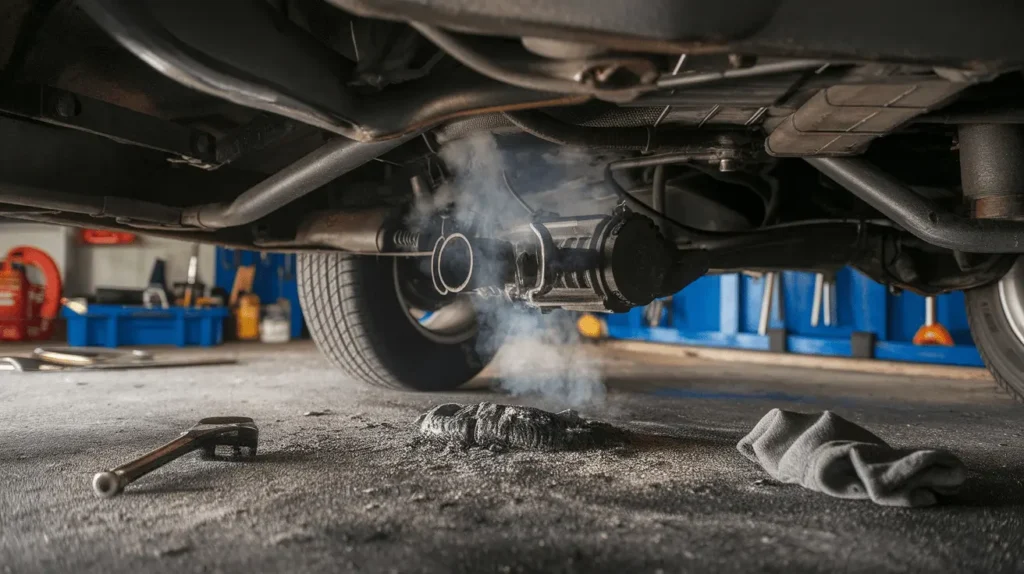
Gearbox repair should not begin with a rebuild quote. It should begin with the symptom, a diagnostic scan, a road test when safe, fluid and leak checks, and gearbox-specific measurements. Some problems are external, electrical, hydraulic, or software-related. Others involve worn clutches, bearings, gears, valve bodies, mechatronics, or torque converters. The correct response depends on what the car is doing now.
Gearbox repair warning signs and the next step
| Symptom | Possible causes | How serious | Next step |
|---|---|---|---|
| Delay when selecting Drive or Reverse | Low fluid, pressure loss, valve-body fault, clutch wear, adaptation issue | Moderate to urgent if worsening | Avoid repeated shifting and book diagnosis |
| Engine revs rise but speed does not | Clutch or band slip, pressure fault, low fluid, internal wear | Urgent | Stop driving if slip is strong or repeated |
| Harsh or jerky shifts | Fluid condition, solenoid, mount, software, mechatronic, internal wear | Needs prompt testing | Record when it occurs and arrange inspection |
| Grinding or metallic noise | Bearing, gear, synchronizer, differential, or lubrication damage | High | Stop and recover the vehicle |
| Transmission warning or limp mode | Control, pressure, temperature, sensor, electrical, or mechanical fault | Varies, often urgent | Do not clear codes before a full scan |
| Red or brown fluid under the car | Pan, seal, cooler line, connector sleeve, or housing leak | Urgent if active | Check the level only by the specified procedure |
| Shudder at takeoff or lockup | Clutch, dual-mass flywheel, torque converter, mount, or fluid issue | Needs diagnosis | Avoid hard acceleration and towing |
Why delaying gearbox repair can change the repair
A small leak does not destroy a gearbox by itself. Continuing to drive after the fluid level falls can. A faulty solenoid may initially cause an inconsistent shift. Repeated clutch slip caused by incorrect pressure can then create heat and friction material that circulates through the unit.
The important question is not simply how long the symptom has existed. It is whether the gearbox is slipping, overheating, losing lubrication, producing debris, or applying components at the wrong time. Ten careful kilometers with a stable minor symptom may cause less harm than one hard acceleration while the gearbox is slipping badly.
Can you safely drive with a gearbox problem
Stop and recover
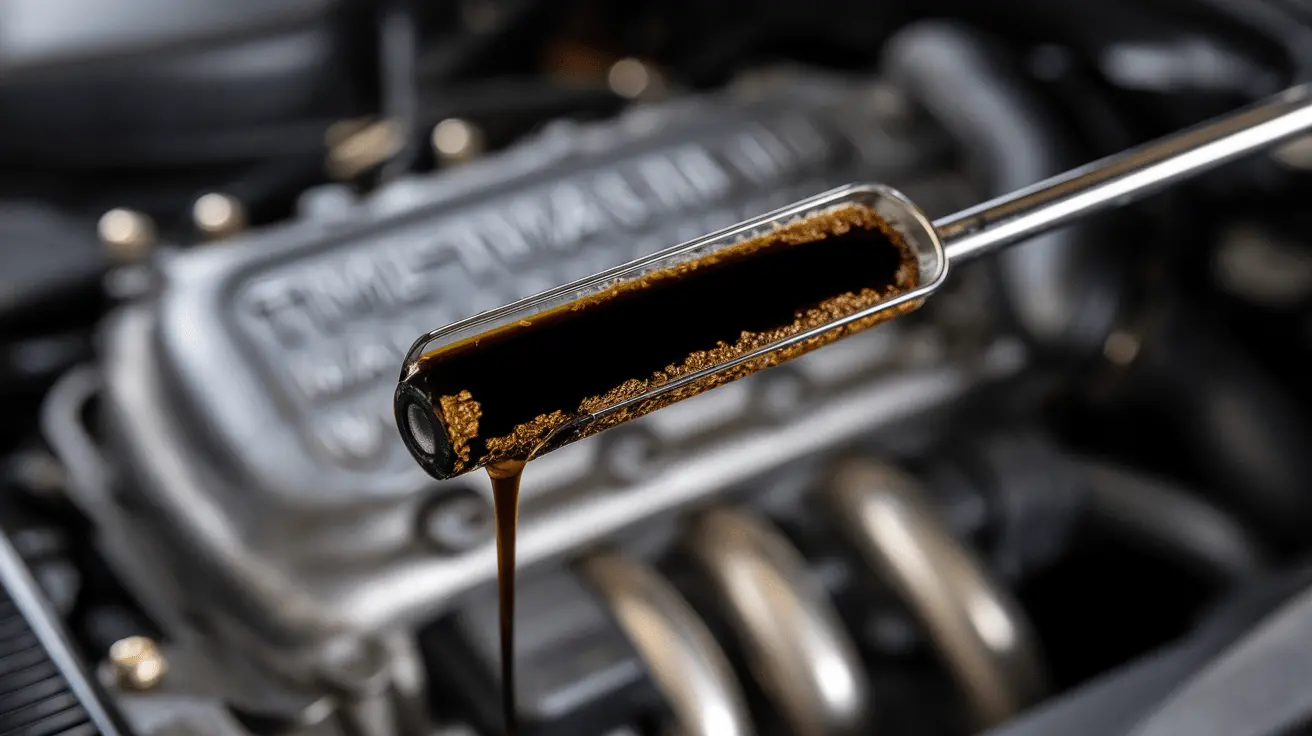
No drive, severe slip, grinding, active fluid loss, burning smell, overheating, unexpected gear selection, or a red warning. Continuing may be unsafe and may multiply damage.
Drive only for inspection
A mild, stable shift change with normal drive engagement, no leak, no warning, and no burning smell may permit a short gentle trip. Avoid highways, towing, hard acceleration, and heavy traffic.
Monitor briefly
A single unusual shift after a weak battery, recent repair, or software event may not prove gearbox damage. Record the conditions, scan the car, and do not ignore repetition.
What a proper gearbox diagnosis includes
- Confirm the complaint. Note hot or cold behavior, speed, gear, throttle, warning messages, recent work, battery events, and whether the problem is intermittent.
- Scan every relevant module. Read current, stored, pending, and communication faults before clearing anything. Engine, ABS, battery, and network faults can affect shifting.
- Check fluid and leaks correctly. Many modern units have temperature-dependent level procedures and no simple dipstick. The specified fluid matters.
- Inspect mounts and driveline parts. Engine mounts, gearbox mounts, CV joints, prop shafts, differentials, and transfer cases can imitate a gearbox clunk or vibration.
- Road-test with live data when safe. Compare commanded gear, actual ratio, input and output speed, clutch slip, pressure commands, temperature, and adaptation behavior where supported.
- Use directed mechanical tests. Pressure testing, pan inspection, fluid analysis, electrical checks, or removal should follow evidence rather than guesswork.
Common gearbox misdiagnoses
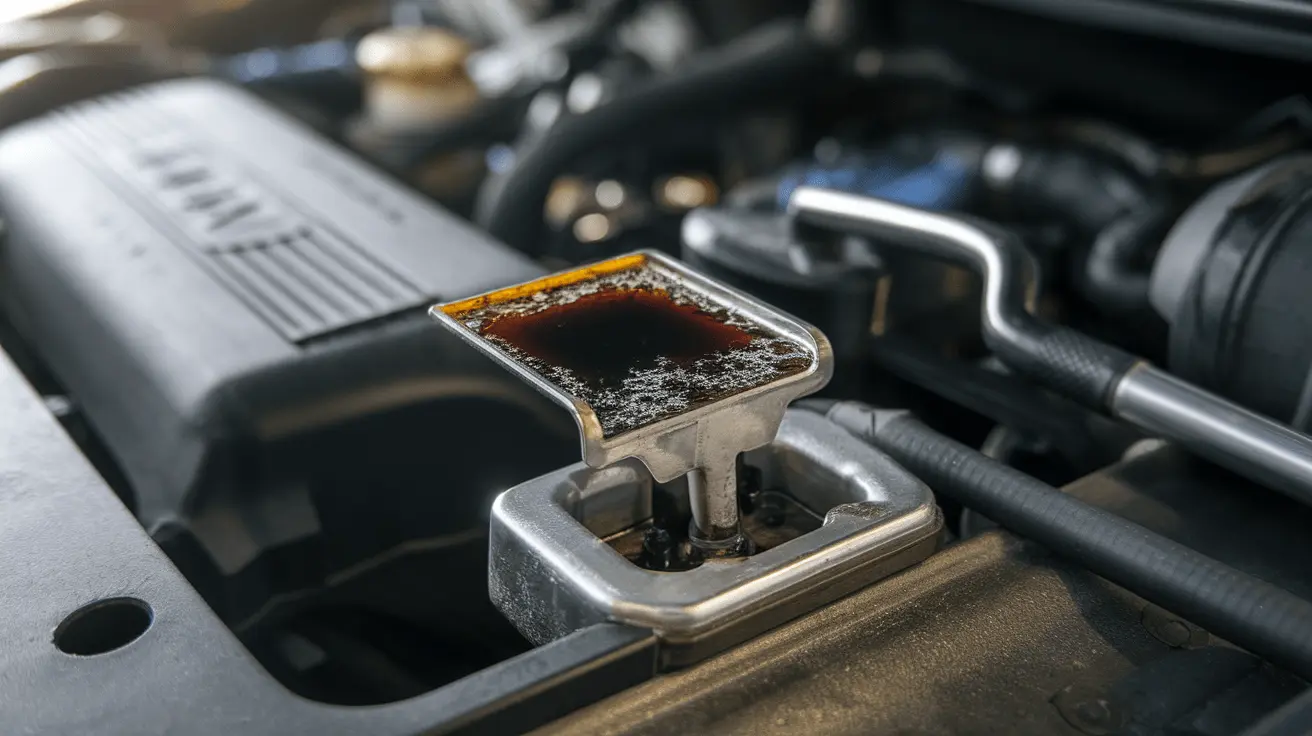
A harsh shift does not automatically mean the gearbox needs rebuilding. Low system voltage, a failing engine mount, an engine misfire, incorrect tire sizes on an AWD vehicle, damaged driveshaft components, or a network communication problem can change how the drivetrain feels.
- Battery or charging fault: Low voltage may trigger control faults or poor actuator operation.
- Engine performance problem: Uneven torque can feel like a shift shock.
- Mount failure: Excess movement turns normal torque changes into a heavy clunk.
- Transfer case or differential: Binding or bearing noise may be blamed on the transmission.
- Software or adaptation: Relevant only after hardware, fluid, voltage, and service information are considered.
Clearing adaptations is not a universal repair. It can hide useful evidence or temporarily alter behavior without fixing the cause.
Gearbox repair cost in the UAE
These are practical Auto Repair UAE estimate ranges. The final price depends on gearbox type, vehicle model, fault depth, parts choice, programming, fluid quantity, and what is found after inspection. VAT and additional work should be confirmed in the written estimate.
| Work | Estimated price | Usually includes | Important limits |
|---|---|---|---|
| Diagnostic assessment | AED 350 to 950 | Scan, symptom review, basic checks, and road test when safe | Pressure tests or dismantling may be separate |
| Fluid and filter or pan service | AED 650 to 1,800 | Specified fluid, filter or service pan where applicable, level procedure | Does not repair worn internal parts |
| Leak or connector repair | AED 450 to 2,500 | Accessible seal, sleeve, line, gasket, or pan work | Price changes sharply if gearbox removal is required |
| Sensor or solenoid repair | AED 900 to 4,500 | Directed component work, fluid corrections, and relearn as required | Some solenoids are part of a valve body or mechatronic unit |
| Valve body or mechatronic repair | AED 1,800 to 7,500 | Repair or replacement according to test results | Coding, calibration, and internal damage can change scope |
| Torque converter or clutch work | AED 3,500 to 9,500 | Unit removal, component repair, fluid, and associated labor | Dual-clutch, CVT, and conventional automatic designs differ |
| Gearbox rebuild | AED 6,500 to 18,000+ | Strip, inspect, replace approved internal wear parts, reassemble, test | Hard parts, electronics, and rare units may be extra |
| Replacement gearbox | AED 8,500 to 28,000+ | Used, rebuilt, or new unit installation depending on approval | Unit history, coding, shipping, and availability affect total |
Repair, rebuild, or replace the gearbox
Targeted repair
Best when testing isolates an accessible leak, sensor, wiring, solenoid, mount, control, or service-related problem and the gearbox has no evidence of widespread internal damage.
Rebuild
Useful when the original unit is rebuildable, internal wear is confirmed, parts and technical knowledge are available, and the casing and essential hard parts remain serviceable.
Replacement
Consider when damage is extensive, the casing or hard parts are unusable, the previous rebuild failed, parts are unavailable, or a verified replacement offers a better cost and time outcome.
Ask for the diagnosis, exact scope, parts category, exclusions, programming needs, estimated time, and written warranty terms before approval. A low quote is not cheaper if it excludes the work required to make the unit operate correctly in the vehicle.
Different gearboxes fail in different ways
Conventional automatics may develop torque-converter, valve-body, solenoid, clutch-pack, seal, pump, or pressure faults. Dual-clutch gearboxes can have clutch, actuator, mechatronic, bearing, or flywheel concerns. CVTs require the correct fluid and can suffer belt, chain, pulley, bearing, valve-body, or control problems.
Automated manuals use a manual-style gearbox with controlled clutch and shift actuators. Manual gearboxes can grind because of clutch release, synchronizer, linkage, bearing, or lubricant problems. The symptom “jerking” means little until the transmission design is identified.
Should you change gearbox fluid when symptoms appear
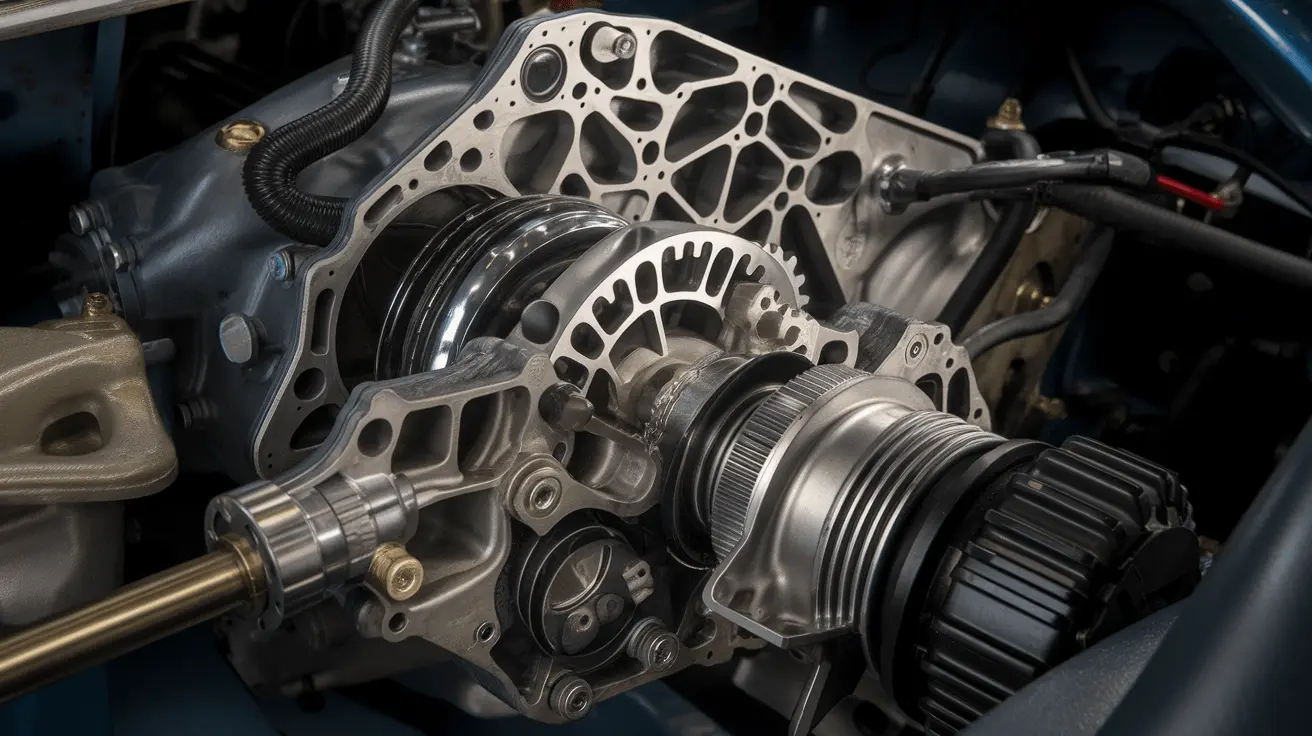
A fluid service can help when it is due, the fluid is incorrect or degraded, the level is wrong, or a serviceable filter is restricted. It cannot rebuild worn clutches, repair a cracked housing, replace damaged bearings, or cure every valve-body problem.
Do not use a universal mileage interval for every car. Follow the exact model, gearbox code, duty, service history, and manufacturer procedure. “Lifetime fluid” wording does not mean fluid condition should never be inspected when symptoms, leaks, overheating, contamination, or severe use are present.
DIY checks and workshop checks
| You can check safely | Leave to a workshop |
|---|---|
| Record warning messages without clearing them | Temperature-dependent fluid level and pressure tests |
| Note whether the fault occurs hot, cold, uphill, or after traffic | Working beneath the vehicle and tracing active leaks |
| Look for fluid on the parking surface | Live-data road testing, adaptation analysis, and actuator tests |
| Check the service history and exact gearbox code | Mechatronic, valve-body, clutch, torque-converter, or internal repair |
| Confirm all four tires match the approved size on AWD vehicles | Programming, coding, relearn procedures, and post-repair validation |
How to prevent avoidable gearbox damage
- Use only the specified fluid and level procedure.
- Repair active leaks before the level becomes unsafe.
- Do not tow more weight than the vehicle permits.
- Use the correct towing and recovery method.
- Maintain the engine cooling system where it also supports transmission cooling.
- Keep approved matching tires on AWD vehicles.
- Investigate repeated limp mode instead of clearing codes.
- Confirm required adaptations, coding, and software steps after relevant repairs.
- Follow model-specific service information instead of a universal fluid interval.
When not to approve gearbox repair
- Do not approve a rebuild based only on one generic fault code.
- Do not pay for a fluid change described as a guaranteed cure for mechanical slip.
- Do not accept a replacement unit without its condition, source, compatibility, included parts, and warranty terms.
- Do not authorize repeated part swapping when the workshop cannot show test results.
- Do not choose the cheapest estimate until removal labor, fluid, programming, seals, cooler work, and tax are compared.
- Do not keep driving because the warning disappeared after restarting the car.
What to tell the technician
Good information can shorten diagnosis. Share the make, model, year, mileage, VIN when requested, gearbox type if known, service history, recent battery or engine work, warning messages, leak location, and exactly when the symptom appears. A video of the dashboard warning or sound may help, but do not record while driving.
For commercial workshop information, see our car transmission repair service in Dubai. If poor acceleration occurs without clear shift slip, compare the patterns in our guide to why a car feels sluggish.
What gearbox fault codes can and cannot prove
A transmission fault code identifies the condition the control system detected, not automatically the failed part. A ratio code may result from low pressure, clutch slip, a speed-sensor signal, wiring, fluid level, or internal wear. A solenoid code can indicate an electrical circuit fault, a hydraulic response problem, or a command that did not produce the expected result.
Record the codes
Save current, stored, pending, and communication faults from every relevant module before clearing anything. Freeze-frame data may show temperature, voltage, speed, and selected gear when the event occurred.
Compare live data
Review commanded gear, actual ratio, input and output speed, clutch slip, temperature, voltage, and pressure commands while safely reproducing the complaint.
Confirm physically
Use wiring tests, correct fluid-level checks, leak inspection, pressure measurements, pan inspection, or component testing to confirm the scope.
Do not buy a valve body, mechatronic assembly, or complete transmission because a generic scanner displayed a component name. The estimate should explain how the fault code, live data, physical checks, and symptom support the same conclusion.
How mileage and service history change the decision
Mileage alone does not decide whether to repair, rebuild, or replace a gearbox. A well-maintained high-mileage unit with one accessible leak may be a better repair candidate than a lower-mileage unit driven while slipping or filled with the wrong fluid. Ask what failed, what damage spread, and what reliable service history exists.
| Vehicle situation | What deserves attention | Decision path |
|---|---|---|
| Low mileage with a sudden warning | Battery voltage, wiring, sensors, software, fluid loss, and applicable campaigns | Test external and control causes before internal work |
| High mileage with stable shifting | Leaks, fluid specification, previous service, temperature, and measured wear | Do not rebuild only because of mileage |
| Unknown history after purchase | Gearbox code, fluid condition, faults, adaptations, leaks, and road behavior | Establish a baseline before flushing or major work |
| Repeated repairs without results | Original complaint, invoices, fitted parts, coding, cooler contamination, and tests | Pause part replacement and obtain documented diagnosis |
| Strong slip with debris in the pan | Clutch, bearing, gear, pump, valve-body, and converter damage | Compare a full rebuild with verified replacement options |
Model year and gearbox code matter. Cars with the same badge can use different transmissions, fluids, software, filters, clutch designs, and procedures. Use the VIN and unit identification before ordering parts. A used unit that fits physically may still require compatible electronics, coding, adaptations, or transferred components.
How Dubai driving conditions affect gearbox diagnosis
Slow traffic, high ambient temperature, steep parking ramps, repeated low-speed maneuvering, towing, and sand can increase heat or load, but they do not prove that heat caused the fault. Useful evidence includes measured gearbox temperature, fluid condition, cooling performance, symptom timing, and whether the complaint appears after a predictable drive cycle.
A dual-clutch unit that shudders after prolonged crawling requires different checks from a conventional automatic that slips during an upshift. A CVT that becomes noisy under steady acceleration needs unit-specific data. An SUV that binds in tight turns may have a transfer-case or tire-circumference issue rather than internal gearbox damage.
What a complete gearbox estimate should show
A written estimate should allow options to be compared line by line. “Gearbox repair” is not a sufficient scope. Ask for the unit type, diagnosed fault, parts category, labor operations, fluid specification and quantity, programming, cooler work, seals, mounts, taxes, completion time, and warranty terms. If dismantling is needed before a final price, the estimate should state the inspection charge and approval point.
| Estimate item | What should be stated | Why it changes cost |
|---|---|---|
| Diagnostic stage | Included scan, road test, leak checks, pressure tests, and dismantling limits | A basic scan is not a mechanical diagnosis |
| Parts | New, remanufactured, used, OEM-equivalent, or repaired components | Source, availability, and expected life differ |
| Fluid and filter | Specification, amount, pan or filter, seals, and level procedure | Some units use costly fluid and integrated pans |
| Programming | Coding, software, initialization, calibration, or adaptation work | A fitted unit may not operate correctly without setup |
| Related systems | Cooler, mounts, lines, flywheel, converter, or transfer components | Contamination or related faults can damage repaired parts |
| Warranty | Time, mileage, covered parts, labor, exclusions, and follow-up | A headline warranty may exclude the actual risk |
VAT and any inspection-to-repair credit should be clear. If internal parts cannot be quoted until the unit is opened, approve a maximum diagnostic or strip-down amount first. This prevents open-ended work while allowing evidence to be collected.
How to compare a rebuild with a used gearbox
A rebuild keeps the original housing and renews approved worn or damaged parts after dismantling and measurement. Its value depends on parts availability, cleanliness, machining needs, technician capability, and usable hard parts. A used replacement can reduce repair time, but its mileage, storage, history, fluid condition, compatibility, and previous damage may be uncertain.
Choose a rebuild when
The original unit is rebuildable, the failure is understood, quality parts are available, and contamination control and testing are included.
Consider a used unit when
The exact code is verified, its source and condition are credible, setup is included, and the written warranty provides useful labor coverage.
Walk away when
The seller cannot identify the unit, explain the diagnosis, state what is included, or define how a failed repair will be handled.
Compare the complete installed cost. Removal labor, converter or clutch work, cooler cleaning, fluid, filters, seals, coding, adaptations, transport, and tax can remove the apparent saving. For an older vehicle, compare the final cost with the car’s overall condition, pending work, and ownership plan.
Post-repair checks before accepting the vehicle
- Confirm the original symptom. The condition that led to repair should be shown to be resolved where safe.
- Check for leaks. Inspect the pan, lines, seals, connectors, and disturbed areas.
- Verify fluid level. The final level must follow the specified temperature and operating procedure.
- Scan relevant modules. Confirm active faults are addressed and document unrelated stored faults.
- Complete required setup. Coding, initialization, calibration, or adaptations should follow the vehicle procedure.
- Road-test relevant conditions. Check engagement, shifts, slip, noise, temperature, and the original drive cycle.
- Review the invoice. Match parts, fluid, labor, warranty, and follow-up to the approved scope.
- Ask about rechecks. Some repairs need an early leak inspection or data review.
A cleared warning light is not proof of a completed repair. The vehicle should engage predictably, remain free of active leaks, complete required setup, and pass relevant road and data checks. Keep the scan report and invoice as the repair baseline.
What gearbox repair means and when it is justified
Gearbox repair is work that corrects a verified transmission fault without automatically replacing or rebuilding the complete unit. The correct scope may involve a leak, wiring circuit, sensor, solenoid, valve body, mechatronic assembly, torque converter, clutch, bearing, gear, seal, software setup, or a related drivetrain component. A scan code alone does not identify which part must be replaced. The workshop should connect the driver’s complaint with fluid condition, leaks, live data, electrical measurements, road behavior, and mechanical evidence. Targeted repair is justified when testing isolates a serviceable fault and the remaining gearbox shows no evidence of widespread damage. Rebuilding becomes reasonable when internal wear is confirmed but the housing and essential hard parts remain usable. Replacement makes more sense when damage is extensive, parts are unavailable, compatibility is verified, and the complete installed cost provides a better outcome. The estimate should explain why the selected option fits the evidence.
How to read a gearbox repair quote in Dubai
A useful gearbox repair quote should identify the transmission, confirmed fault, diagnostic work, parts condition, labor, fluid specification, filter or pan, seals, programming, adaptations, cooler cleaning, VAT treatment, exclusions, and warranty terms. Compare complete installed totals rather than the headline price. A used gearbox quote can look cheaper while excluding fluid, coding, a torque converter, delivery, removal labor, or a failed-unit labor warranty. A rebuild quote may remain provisional until dismantling reveals the condition of hard parts. In that situation, approve a defined inspection or strip-down amount and require a revised total before additional work begins. Dubai heat and traffic can expose temperature-related behavior, but they do not prove the gearbox has failed. Ask whether the road test and live-data review reproduced the complaint hot and cold. If the workshop cannot connect the recommended work to measured findings, pause approval and request the evidence.
Gearbox repair decision path
External or control fault
Repair the verified leak, wiring, sensor, solenoid, mount, software, or related drivetrain issue. Confirm the original symptom afterward.
Internal damage with usable housing
Compare a measured rebuild with remanufactured and compatible replacement options. Include fluid, setup, cooling-system work, and warranty scope.
Severe or uncertain damage
Stop driving. Approve only defined diagnostic work until the unit condition, replacement source, complete price, and post-repair tests are documented.
Key takeaway
Gearbox repair should match evidence. Stop driving when the vehicle loses drive, slips badly, grinds, overheats, leaks heavily, or selects gears unpredictably. For milder symptoms, arrange testing before approving fluid service, a mechatronic unit, a rebuild, or replacement. The best repair is the smallest complete repair that addresses the verified cause and prevents the same damage from returning.
Book gearbox diagnosis in Al Quoz 4
Bring the symptom, warning message, and service history. We can inspect the gearbox, scan the vehicle, check leaks and fluid condition, road-test when safe, and explain repair choices before work is approved.
If the vibration or clunk appears to come from beneath the vehicle rather than inside the transmission, compare our guide to bad drive shaft symptoms and diagnosis.
Gearbox repair FAQs
How long can I drive with a slipping gearbox?
Do not plan a distance. Strong or repeated slip can quickly create heat and clutch damage. Stop driving and arrange recovery if engine speed rises without matching acceleration or drive becomes unreliable.
Can a gearbox fluid change fix jerking?
Only when the verified cause relates to level, condition, specification, or a serviceable filter. Jerking can also come from mounts, engine torque problems, solenoids, mechatronics, clutches, internal wear, or software. Diagnose first.
Does a gearbox warning always mean replacement?
No. A warning can be triggered by electrical, temperature, pressure, sensor, ratio, communication, or internal faults. Preserve the fault codes and test the system before choosing repair, rebuild, or replacement.
Is a used gearbox a good option?
It can be when the unit is compatible, its source and condition are credible, installation requirements are understood, and the written warranty is useful. Compare it with a rebuild of your original unit and a remanufactured option.
What is the difference between gearbox repair and rebuilding?
A targeted repair addresses identified components without renewing the complete unit. A rebuild removes and dismantles the gearbox, measures internal parts, replaces approved worn or damaged items, and reassembles and tests the unit.
Why does the problem happen only when hot?
Temperature changes fluid viscosity, clearances, electrical resistance, pressure behavior, and clutch control. Hot-only symptoms are valuable diagnostic evidence and should be reproduced with live data when safe.
Can a weak battery cause gearbox faults?
Low voltage can cause control, communication, or actuator faults, especially during starting. It does not explain every gearbox symptom. Check battery and charging condition alongside stored faults and mechanical behavior.
Should gearbox adaptations be reset?
Only when the repair procedure or diagnostic evidence requires it. A reset is not a substitute for repairing low fluid, worn clutches, pressure loss, electrical faults, or damaged components.
Sources and technical references
- ZF Aftermarket transmission fluids, oil-change kits, and technical information
- NHTSA recall lookup for US-market and imported vehicles
Vehicle-specific workshop information, the exact transmission manufacturer’s procedure, and applicable manufacturer campaigns take priority over general guidance.