Practical ownership guide for Dubai
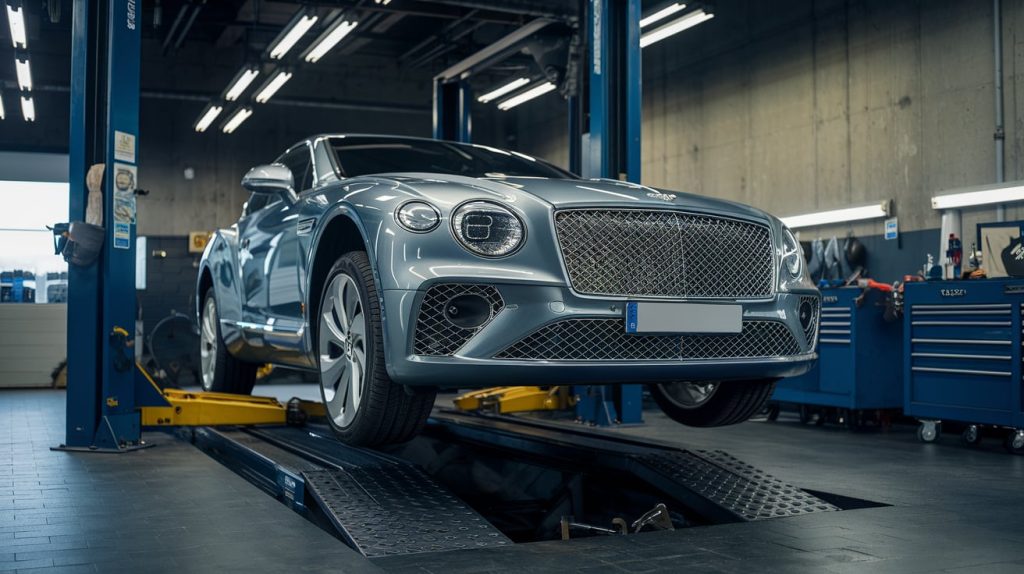
A useful Bentley service plan starts with the exact model, production year, mileage, service history and operating pattern. It separates scheduled maintenance from fault diagnosis, then records what was inspected, replaced and still needs attention.
The short answer
What Bentley service should cover
Bentley service should follow the schedule and specifications for the exact vehicle, while also checking condition that mileage alone cannot describe. A clear visit records fluids and filters due, tyres and brakes, battery and charging condition, leaks, cooling, suspension, warning messages and previous repairs. Any fault found outside the planned maintenance scope should be diagnosed and approved separately.
The phrase “major service” can mean different work at different garages. Ask for the itemised scope rather than relying on the package name. The estimate should identify the engine oil and filter, other filters, fluid checks or changes, spark plugs where applicable, inspections, diagnostic work and the conditions that could add labour or parts.
Scheduled work and repair work also need separate decisions. An oil service does not diagnose an oil-pressure warning. Replacing brake pads does not explain a vibration if disc condition, wheel runout or suspension play has not been checked. A battery test is different from tracing an intermittent module or network fault. Keeping these decisions separate makes the invoice easier to understand and gives the next technician a useful record.
Bentley publishes ownership and maintenance information through its official service and maintenance hub. Use the literature and service information applicable to the model and market. A general online checklist should never replace the correct schedule for the car in front of the workshop.
Four questions before approval
Build the service plan around the vehicle
A workshop can prepare more accurately when the booking explains what is due, how the car is used and whether a separate complaint needs diagnosis.
Confirm the exact model, production date, engine, market and documented maintenance due. Do not copy an interval from a different generation.
Invoices and part numbers prevent repeat work and expose gaps that a service-stamp summary may not show.
New noise, warning, fluid loss, tyre wear, battery behaviour or ride-height change should be written as a separate complaint.
Separate required maintenance, diagnosed repair, monitoring advice and optional cosmetic work on the estimate.
If the vehicle has changed ownership and the history is incomplete, start with identity, current condition and safety-critical items. Avoid a blanket replacement list based only on age. The workshop can document what is known, what was checked and what evidence is still missing, then propose a staged plan.
Model and generation matter
One Bentley checklist does not fit every Bentley
Performance, comfort and roof systems
Engine, transmission, braking, suspension and electrical checks depend on the generation and specification. A GTC also brings roof operation, seals, drainage and related body electronics into the condition discussion.
Chassis and rear-cabin equipment
Ride quality, tyre condition, braking, battery state and comfort systems can be affected by equipment level and how the car is used. Record intermittent rear-cabin or seat concerns before the visit.
SUV load and ride-height context
Wheel and tyre specification, load, towing use where applicable, air suspension, brakes and underbody condition can change what a noise or uneven stance means.
Age, storage and parts planning
Low annual mileage can hide age-related battery, tyre, seal, hose, fluid and corrosion concerns. Parts identification and access may need more preparation before dismantling.
Separate low and high voltage
A weak 12-volt supply can create warnings, but charging and high-voltage concerns have different safety procedures. The eligible workshop scope should be confirmed before arrival.
Document the current configuration
Non-standard wheels, suspension, exhaust, software, entertainment equipment or a different source market can change specifications, diagnosis and parts fitment.
Condition checks with a purpose
What the main systems can tell you
| Area | What the owner may notice | What service can check | When it becomes a repair |
|---|---|---|---|
| Engine and cooling | Fluid top-up, smell, noise, temperature change, warning or rough running | Levels, condition, leaks, belts, hoses, cooling operation and service items due | Pressure loss, warning, performance fault or mechanical evidence needs diagnosis |
| Transmission and driveline | Delay, harsh shift, vibration, leakage or change under load | Visible condition, fault memory and road behaviour when safe | Fluid, control, mounts and internal condition require a defined diagnostic scope |
| Brakes and tyres | Noise, vibration, pull, warning, pressure loss or uneven wear | Friction material, discs, fluid, tyres, wheels and basic suspension condition | Measured wear, damage, leakage or control fault becomes a separate repair |
| Suspension and steering | Uneven height, rough ride, knock, wandering or steering change | Ride height, visible leaks, joints, bushes, dampers, springs, tyres and faults | A specific component, air leak, control issue or geometry cause is confirmed |
| Battery and electronics | Slow start, warnings, lost settings, intermittent feature or battery drain | Battery state, charging, terminals, sleep behaviour and stored faults | Current draw, wiring, module communication or coding needs targeted diagnosis |
| AC and cabin | Poor cooling, weak airflow, odour, noise or control problem | Vent performance, filters, blower, visible leaks and control operation | Refrigerant leakage, compressor, actuator, wiring or module fault is identified |
A specific engine symptom can be routed to the workshop’s Bentley engine repair assessment. Ride-height changes, knocking and uneven tyre wear belong in a Bentley suspension inspection rather than being added to routine maintenance without diagnosis.
Low mileage still has a condition
Storage changes the maintenance questions
A Bentley that covers few kilometres can still develop problems through time, heat, humidity, battery discharge and long stationary periods. Tyres age even when tread remains. Brakes can corrode or drag. Seals and hoses can harden. Fluids absorb moisture or deteriorate according to their own requirements. A low odometer reading is useful context, not proof that nothing is due.
Tell the workshop whether the car is stored indoors, connected to a battery maintainer, started without being driven, moved only over short distances or left through long gaps. Frequent short starts may not restore battery charge or bring fluids fully to operating condition. A maintainer must also suit the vehicle and be connected correctly.
Before returning a stored car to regular use, check for visible leaks, tyre pressure and condition, warning messages, battery behaviour, brake feel and evidence of pests or moisture. Do not mask a low battery with repeated jump-starts if the cause has not been checked.
Between workshop visits
Owner checks that support the service record
Pressure, damage and age
Use the vehicle information for the correct pressure and load condition. Note repeated pressure loss, sidewall damage, vibration and uneven wear. A tread-depth check does not describe tyre age or internal damage.
Record every top-up
Write down the product, quantity, mileage and reason for an oil or coolant top-up. Repeated loss needs diagnosis. Do not mix products because their colour looks similar.
Notice the pattern
Slow cranking, lost settings, several warnings after start or repeated discharge can point to battery, charging, connection or sleep-current concerns. Note when it occurs.
Photograph the exact message
A dashboard photo preserves wording and symbols that may disappear after restart. Record speed, temperature and driving condition at the time.
Do not normalise a gradual change
A developing vibration, longer pedal, new knock or increasing steering correction can be easy to accept over time. Report the change before the next routine service.
Protect finishes and components
Use products and methods suitable for the paint, leather, trim and wheels. Aggressive chemicals or high-pressure water in sensitive areas can create damage that detailing will not reverse.
Choose the route deliberately
Independent workshop or authorised Bentley centre
The decision depends on the vehicle, the job and any active coverage. An authorised Bentley centre may be required for warranty decisions, campaigns, recalls, restricted security access, factory-backed updates or work that depends on manufacturer systems. Confirm those conditions before an independent workshop changes the vehicle.
An independent workshop can be considered for eligible maintenance, inspection and repair when it can identify the car, access appropriate information, source the agreed parts and complete the required checks. Ask how the workshop will document the service, which diagnostic functions it can support and what falls outside its capability.
Do not choose solely by a “dealer alternative” slogan or a percentage saving. Compare the written scope, parts, fluids, access, labour, testing and records. If service history affects vehicle value or a future sale, keep invoices that name the work and products rather than only a package title. Bentley’s own ownership information notes the role of service history in supporting vehicle value, which makes record quality part of the maintenance decision.
Price follows scope
What changes Bentley service cost in Dubai
A useful estimate identifies the vehicle and work. A broad price range without those details can hide exclusions.
Engine, generation, wheel and brake equipment, suspension, hybrid hardware and fitted options change parts and labour.
Clear records can separate scheduled work from repeated or already completed items. Missing history may require more inspection.
Brand, part number, quantity, included hardware, availability and supplier terms affect the quote.
Leaks, damaged fasteners, previous repairs, warning diagnosis, calibration and testing should be approved outside the base service.
Ask whether the estimate includes VAT, diagnostic time, environmental or disposal charges, road testing, software procedures and collection. Warranty terms should identify the covered part or labour, time or mileage limit, exclusions and reporting process. Do not assume one warranty statement applies to every line on the invoice.
Evidence before replacement
How to review workshop findings before you approve repairs
A maintenance visit can uncover work that was not part of the booking. That is normal. What matters is whether the recommendation is supported by a measurement, a fault record, a leak location, a road-test result or another observation you can understand. Ask the advisor to separate the original service scope from every additional finding.
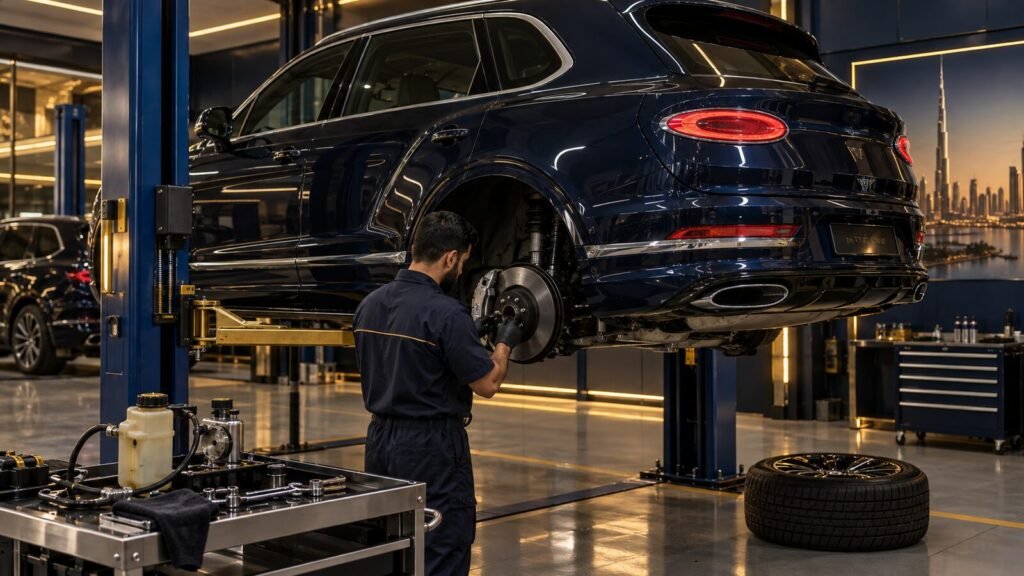
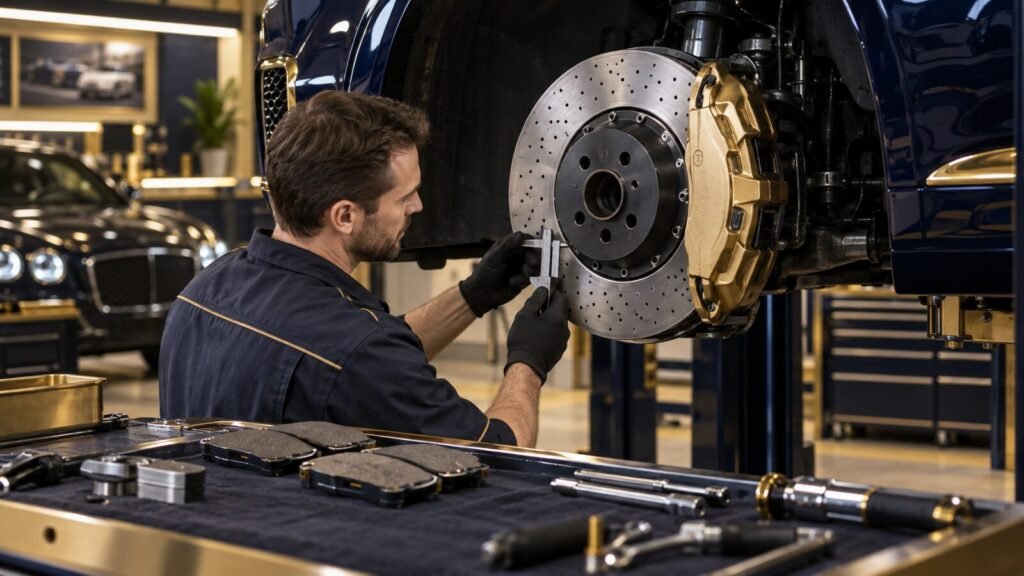
For brakes, request the measured pad and disc condition rather than accepting a noise description alone. A squeal can come from friction material, contamination, wear indicators, trapped debris or the relationship between the pad and disc surfaces. Vibration also needs context. The technician may need to consider disc condition, wheel mounting, tyre problems, suspension play and when the vibration occurs.
Tyre replacement decisions should include size, load and speed rating, age, tread condition, damage and wear pattern. Uneven wear can point to pressure, alignment, wheel or suspension concerns. Replacing the tyre may address the worn component, but it does not automatically explain why the pattern developed.
Use four questions for each added item
- What was found? Get the location, symptom, measurement or stored fault.
- Why does it matter now? Ask whether it affects safety, drivability, further damage, reliability or only convenience.
- What is the proposed scope? Confirm parts, labor, fluids, calibration, testing and related work.
- What can wait? Ask what should be monitored and what evidence would change the priority.
This approach is useful when a quote contains several recommendations. It keeps urgent work visible without turning every advisory note into a same-day repair. It also gives you a record if you choose to stage the work over more than one visit.
Do not authorize dismantling simply to obtain a fixed price unless the estimate explains why access is required and what happens if you decline after inspection. For an intermittent electrical concern, agree on the initial diagnostic time and the point at which the workshop will contact you. Open-ended diagnosis can be necessary, but it should not be open-ended approval.
Dubai driving changes the conversation
Plan around heat, traffic, short trips and seasonal storage
Dubai use is not one pattern. A daily commute through slow traffic creates different heat and battery demands from weekend motorway driving. Short journeys can leave the charging system with little time to recover after starting, especially when climate control, seat systems and cabin electronics are used throughout the trip. Long periods of parking bring a different set of questions about battery support, tyre pressure and fluid leaks.
Share the real pattern with the workshop. Include the length of a typical journey, weeks when the car sits, repeated low-voltage messages, coolant or oil top-ups, and whether the concern appears only after heat soak. A symptom that occurs after the car has been parked in the sun may not appear during a cold workshop check. A photo, short video or exact dashboard message can narrow the test conditions without pretending it proves the cause.
Dust and sand also make inspection useful, but they do not justify replacing every filter early by default. Check condition and follow the applicable schedule. The same restraint applies to fluids. Product colour is not a specification, and a generic top-up may be incompatible even when it looks similar. Use the vehicle information and documented product requirement.
If the car overheats, shows an oil-pressure warning, loses braking assistance, develops smoke, has a tyre failure or becomes difficult to steer, stop when it is safe and seek recovery advice. Continuing to the appointment can turn a contained fault into a larger repair. Routine Bentley maintenance is important, but it is not a substitute for immediate fault assessment.
The invoice should help the next visit
What to confirm at collection

Before leaving, compare the final invoice with the approved estimate. Confirm the oil and fluid specifications used, part brands and numbers where relevant, measured brake and tyre observations, fault codes or warnings addressed, remaining advisories and the next maintenance date or mileage basis.
Operate the controls connected with the work. Check that warning lights complete their normal start sequence, the clock and settings are correct, no trim or wheel damage appeared and personal items are present. If the original complaint was intermittent, ask what evidence was found and what to record if it returns. A statement that the symptom could not be reproduced is more useful when it includes the conditions and checks attempted.
Prepare a clear booking
Send the model, history and main concern
Share the year, VIN, mileage, recent invoices and any warning or symptom. The workshop can confirm whether the request belongs in scheduled maintenance, diagnosis or an authorised-centre route.
Owner questions
Bentley service questions
Use the exact vehicle schedule and a written workshop scope for the final decision.
How often should a Bentley be serviced
Follow the schedule and time or mileage requirements for the exact model, year and market. Check the owner literature or Bentley service information rather than applying a universal interval from another model.
Does low mileage mean my Bentley needs less maintenance
Not automatically. Time, storage, battery discharge, tyre age, seals, corrosion and fluid condition can matter even when mileage is low. The plan should combine the schedule with current condition.
What is included in a major Bentley service
The phrase is not a complete scope. Ask for an itemised list covering fluids, filters, plugs where applicable, inspections, diagnostic work and any condition-based items that need separate approval.
Can an independent workshop maintain a Bentley
An independent workshop may handle eligible work when it has the information, equipment, parts route and capability for that vehicle. Warranty, recall, campaign, restricted security or factory-system work may require an authorised centre.
Should I approve repairs found during a service
Ask for the finding, evidence, consequence, proposed repair and price. Separate safety or drivability work from preventative advice and optional cosmetic items, then approve the scope you understand.
Why does the workshop need the VIN
The VIN helps identify the production specification and supports parts, fluid, procedure and campaign checks. It reduces reliance on a model name that may cover several generations and configurations.
Should a warning light wait until the next service
Do not assume it can wait. Photograph the message and call for advice. Stop driving if the warning concerns oil pressure, overheating, braking, steering, smoke or another condition that reduces control or risks further damage.
What records should I keep after service
Keep the itemised invoice, parts and fluid details, measured observations, diagnostic report where provided, warranty terms and next service basis. These records support future maintenance and explain the car’s history.