Diagnostics and warning lights
Warning lights or starting trouble
Record fault codes, battery supply and operating conditions before choosing further tests.
Explore this serviceBook Lexus maintenance, diagnostics and repair in Al Quoz 4, Dubai. Tell us your model and the main problem. We start with a free initial workshop inspection and explain the estimate before paid work begins. Free pickup and delivery are available by arrangement.
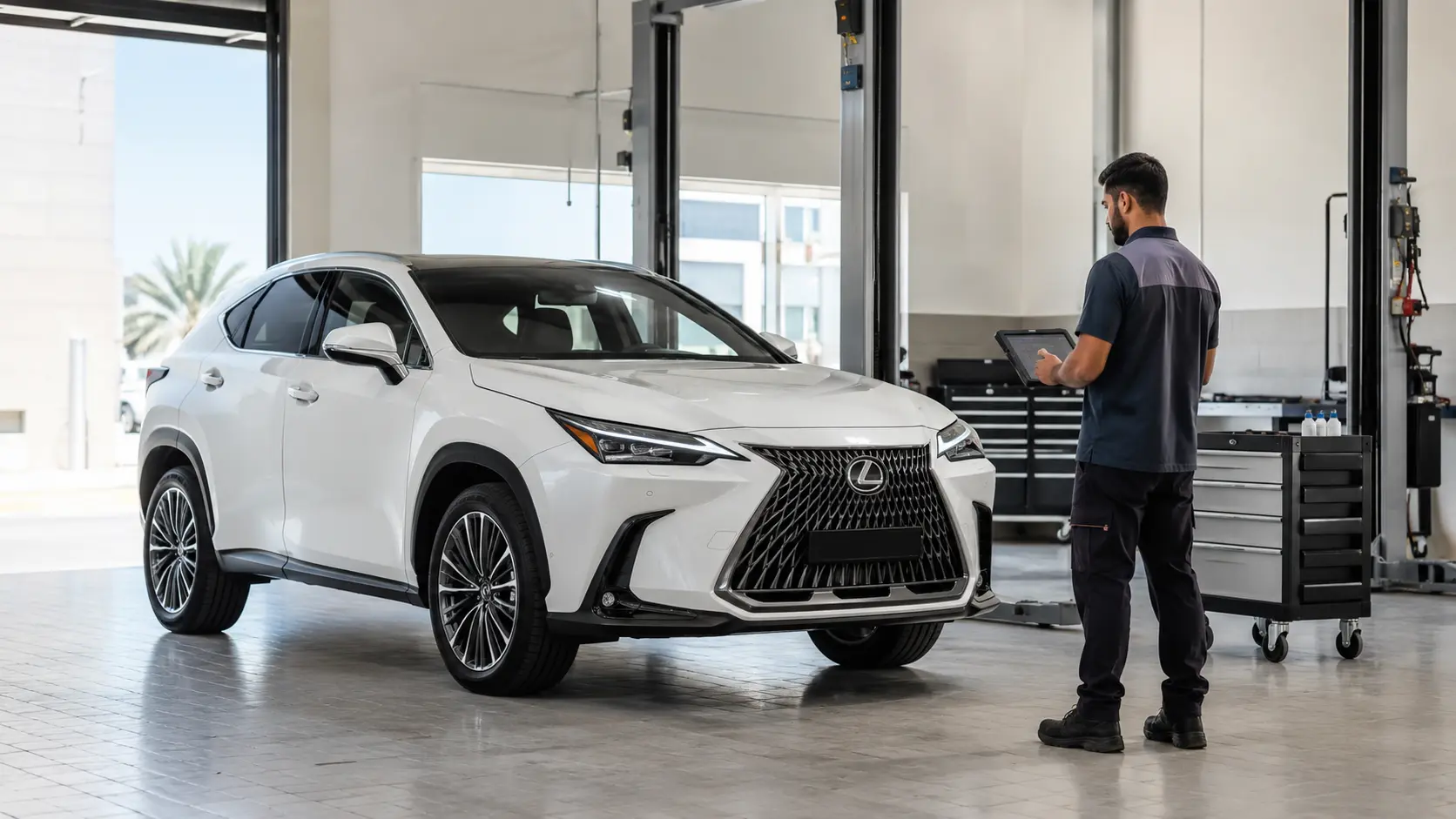
Lexus owners often describe a change in smoothness, quietness or comfort before a major warning appears. Those observations are useful when they are connected to repeatable conditions.
The first Lexus approval should cover the agreed inspection. A later repair proposal should explain the finding, supporting evidence, parts basis and anything that remains uncertain.
Start with the main problem. We inspect your Lexus, explain the findings and confirm the work before you approve a repair.
Warning lights or starting trouble
Record fault codes, battery supply and operating conditions before choosing further tests.
Explore this serviceLeaks, rough running or overheating
Check engine operation, fluid leaks and cooling performance to identify the repair scope.
Explore this serviceShifting concerns or vibration
Inspect transmission behavior, mounts and driveline components before recommending internal repairs.
Explore this serviceBrake noise or an unsettled ride
Check brake wear, suspension movement and tire condition against the reported symptom.
Explore this serviceWeak starting or electrical faults
Test the 12-volt supply and charging system. High-voltage work requires a separate capability check.
Explore this serviceWeak cooling or uneven airflow
Check airflow, leaks, controls and compressor operation before recommending an AC repair.
Explore this serviceAED 450 to 850
Planning range for engine oil, oil filter and standard checks. Oil specification, capacity and additional items affect the quote.
AED 950 to 1,800
Scheduled oil and filters with wider inspections. Spark plugs, transmission fluids and additional overdue items are priced according to the model schedule.
AED 250 to 650
Relevant scanning and initial targeted checks. Extended tracing, programming and dismantling are separate.
AED 1,200 to 2,500
Planning range for applicable replacement parts and installation. Parts category, model and related damage affect the price.
AED 250 to 650
Vent temperature, airflow, pressure and relevant control checks. Refrigerant, leak repairs and failed components are additional.
AED 450 to 1,100
Compatible replacement and standard installation after testing. Battery specification, access and required setup affect the total.
These AED ranges are planning estimates, not fixed offers. The written quote confirms parts, labor, exclusions, VAT treatment and the payable total. Hybrid traction-battery and EV propulsion repairs require a separate confirmed scope.
Planning examples, not completed customer jobs or fixed offers. VAT treatment and the final total are confirmed in writing.
AED 1,250
Engine oil and filter, air and cabin filters, standard checks and service reset where supported. Spark plugs, additional fluids and fault repairs require a separate quote.
AED 1,650
Front pad-and-disc replacement with the parts category confirmed in the quote, hardware checks and a final functional check. Caliper repairs and rear brakes are excluded.
AED 450
Vent-temperature, airflow, pressure and fan/control checks with written findings. Refrigerant and all repairs are quoted separately after the cause is identified.
Your model badge is the starting point. Model year, market specification and powertrain determine the right checks and parts.
Share the engine details, service history and when the symptom appears, such as at idle, under load or after warming up.
Send the exact warning message. A 12-volt supply fault and a high-voltage battery concern need different diagnostic routes.
For RZ charging or propulsion concerns, confirm the workshop can handle the requested high-voltage procedure before booking.
Match parts to the VIN and specification. Your estimate should identify the part type, availability, coding or calibration needs, and written terms. Keep the part references and invoice with the service history.
Useful Lexus maintenance is based on the actual vehicle, its history and how it is used. These planning notes help owners prepare a better workshop brief.
Use the maintenance information for the exact model year and powertrain. A gasoline ES, hybrid NX, LX 700h and electric RZ have different inspection and fluid considerations. Bring the service history and any previous recommendations so the workshop can separate due work from items already completed.
Battery conversations need clear terminology. The 12-volt battery supports computers and starting or wake-up functions. A hybrid traction battery and an electric-vehicle battery are different systems with separate safety requirements. Ask which battery was tested and what measurement supports the recommendation.
Dubai heat makes cabin cooling and heat rejection important, but a weak system still needs diagnosis. Check airflow, filter condition, leakage evidence, fan operation and compressor control as applicable. A temporary improvement after refrigerant addition does not explain why refrigerant was lost.
Tires influence ride comfort, noise, steering and efficiency. Record size, pressure, age and wear. Replacing suspension parts will not correct an out-of-round tire, and alignment alone will not cure a worn joint. A combined condition report makes the next decision clearer.
For imported or less common Lexus specifications, provide the VIN when requested. Model names can hide market, engine, brake and electronic differences. Parts should be matched by verified reference rather than appearance. Agree the source, lead time and written terms before a special order is placed.
Ask for a post-repair explanation in plain language. It should state the original symptom, the finding, the work completed and what was checked again. If an optional item was deferred, record the condition and monitoring advice without presenting every observation as an emergency.
Hybrid cooling, brake and suspension checks, and EV diagnostics require different procedures. The inspection follows the exact vehicle and the reported concern.
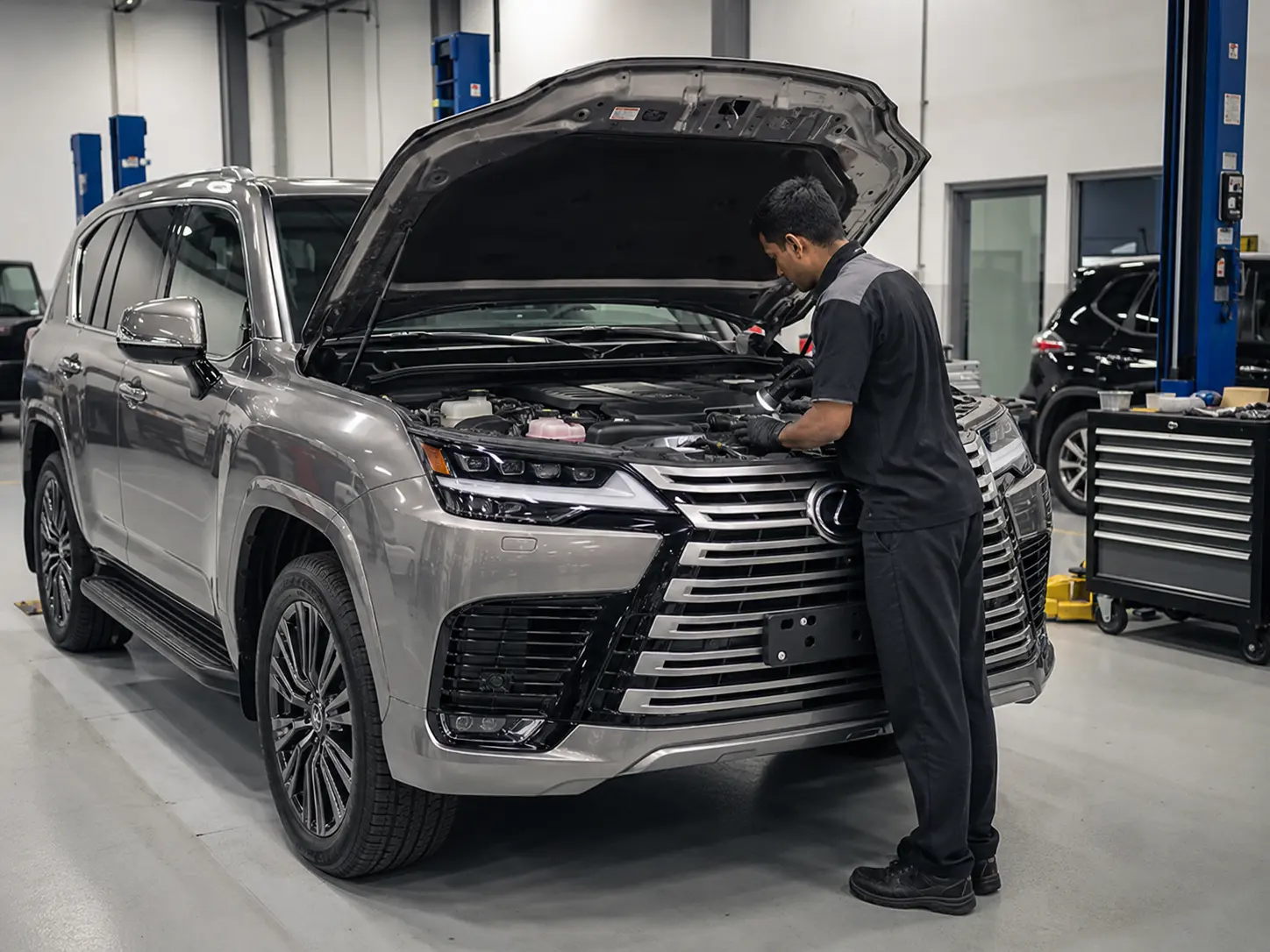
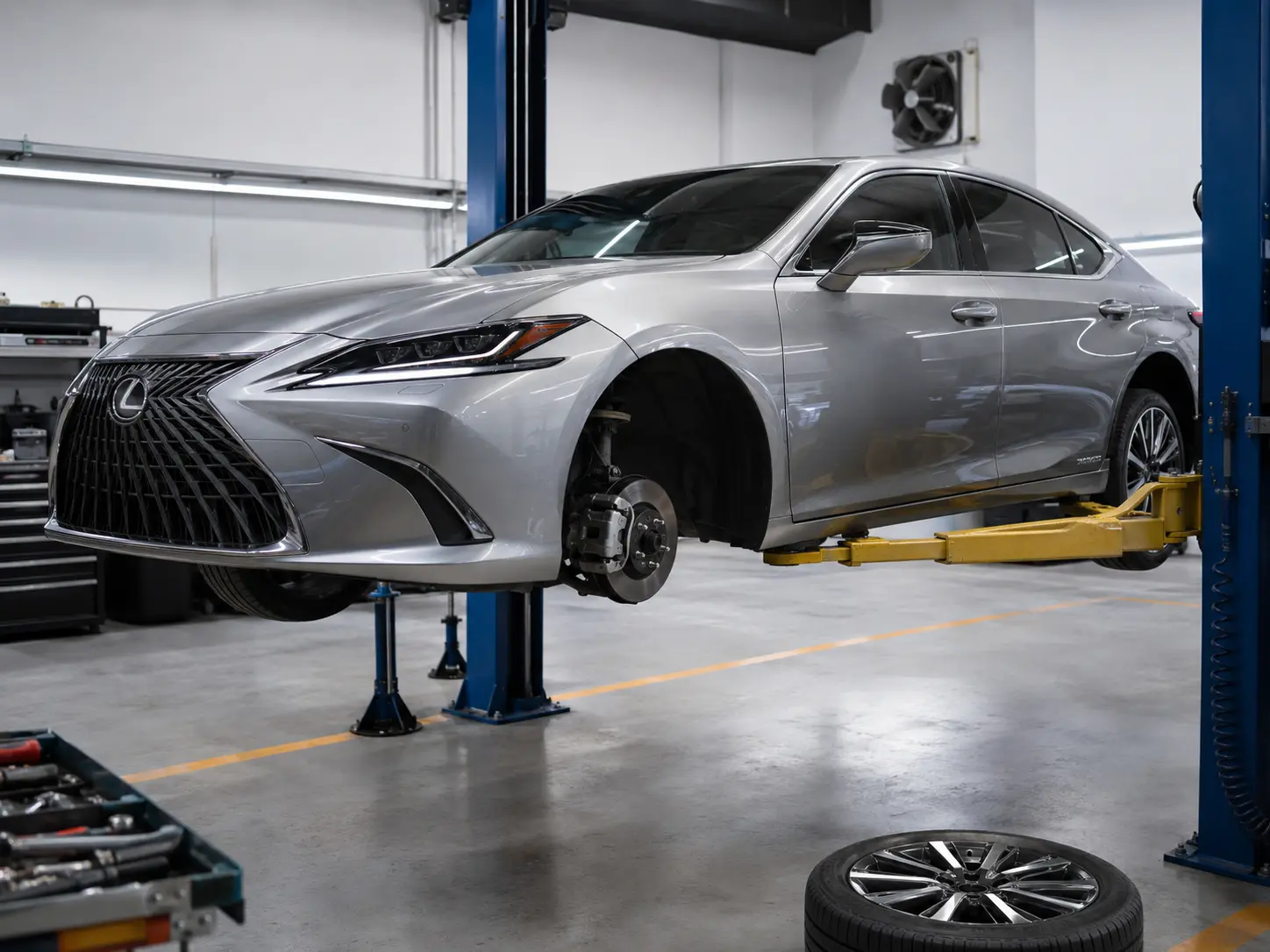
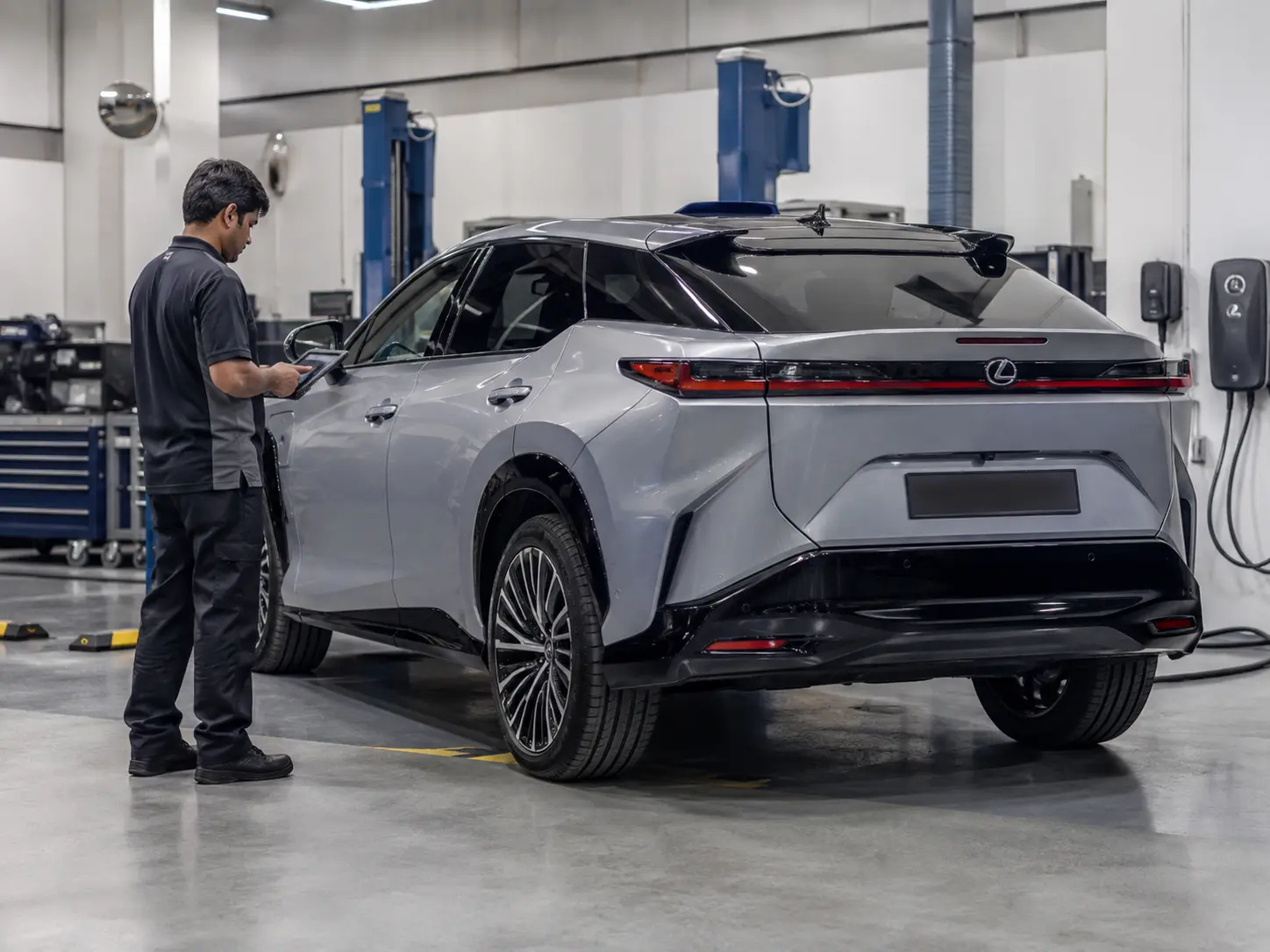
Stop safely and arrange assistance for overheating, an oil-pressure warning, major fluid loss, smoke, uncertain braking or steering, or a vehicle that cannot retain drive. Do not open orange-cabled systems or attempt high-voltage repairs. Describe the warning before collection so the arrival plan matches the vehicle.
A Lexus estimate is easier to approve when it distinguishes safety concerns, due maintenance, confirmed repairs and comfort improvements.
| Reported or found condition | Evidence to record | Decision to confirm |
|---|---|---|
| Weak battery reserve | Measured state, charging output, terminal and ground condition, storage pattern and current draw if indicated. | Replace or repair only the confirmed supply issue, then rescan dependent systems. |
| Hybrid system message | Exact warning, low-voltage state, model information and accepted high-voltage diagnostic scope. | Confirm capability and isolation requirements before deeper battery or propulsion work. |
| Uneven tire wear | Tyre age, pressure, tread pattern, wheel damage, suspension play and ride-height condition. | Repair mechanical causes before alignment and agree which tires or wheels require action. |
| Cooling loss | Vent temperature, airflow, pressure or leak evidence, compressor command and heat-rejection condition. | Address the verified cause instead of repeating an unsupported refrigerant top-up. |
| Engine fluid leak | Fluid identity, cleaned source, current level, pressure or temperature behavior and previous work. | Repair the source and verify after operation before expanding to unrelated components. |
Each Lexus stage should answer a different question, from safe arrival to final verification. This keeps approvals clear when the evidence changes the expected scope.
Explain what feels different and the temperature, road, load or parking conditions that reveal it.
Identify gasoline, hybrid or electric architecture before the inspection is scheduled.
Separate safety, due maintenance, confirmed repair and optional comfort observations.
Agree parts, timing and exclusions, then repeat the relevant functional checks after work.
Arrange Lexus repair at our Al Quoz 4 workshop in Dubai. Send your model and main concern so we can plan the inspection and arrival.
Book a free initial workshop inspection. Any advanced paid testing is explained before it begins.
Available across Dubai by arrangement. Tell us if your Lexus cannot start, roll, steer or brake normally.
The fee is confirmed before dispatch. Lift access and specialized checks may require a workshop visit.
Bring the information that helps us match the service to your Lexus.
Have the model year, VIN, mileage and service history ready. Check the owner manual for your exact vehicle.
Review model and powertrain details from Lexus UAE.
Explore Lexus UAE modelsSee our service coverage for Japanese vehicles.
Japanese car repair servicesThese answers explain Lexus booking and diagnostic boundaries. The final recommendation depends on the actual vehicle, the confirmed workshop scope and the findings.
Start with your Lexus model and the service or main problem. Add a warning photo if available. We request service history, VIN and other details only when needed.
Initial assessment depends on the exact model and message. High-voltage battery or propulsion work requires specific equipment, safety procedures and workshop acceptance.
No. The low-voltage battery supports vehicle electronics, while the traction battery serves the hybrid or electric drive system. Ask which system was tested.
Possible causes include airflow, refrigerant loss, fan operation, controls, sensors or compressor performance. The actual system needs testing before repair.
Yes, subject to model scope. Tires, wheels, brakes, suspension, mounts and driveline condition may need to be considered together.
The estimate should identify the proposed part basis and compatibility. Availability, calibration needs and written terms should be clear before ordering.
Ask the workshop to separate immediate safety or reliability work from due maintenance and optional comfort items. Approvals can then be staged.
Auto Repair UAE receives Lexus repair inquiries at Al Quoz 4, Dubai. Confirm the appointment before arrival.
The initial workshop inspection is free. Free pickup and delivery are available by arrangement. Advanced diagnostics and on-site inspections are separate services with fees confirmed before they begin.
Minor service is estimated at AED 450 to 850, while major service is estimated at AED 950 to 1,800 for the listed scope. Model, parts and due items affect the final written quote.
Send your Lexus model and the service or main problem. We will arrange the free initial workshop inspection, discuss arrival or pickup, and explain any paid testing before it begins.