Chip assessment
Suitable for a small, clean impact that has not spread and does not compromise a sensor area or the windscreen edge. The inspection checks depth, size, contamination, and position.
Estimated chip-repair range per repairable impact.
Replace cracked, shattered, leaking, or badly damaged windscreen glass with the correct fit, safe bonding, and careful final checks. Free workshop inspection, free pickup and delivery, and dedicated on-site assessment are available.

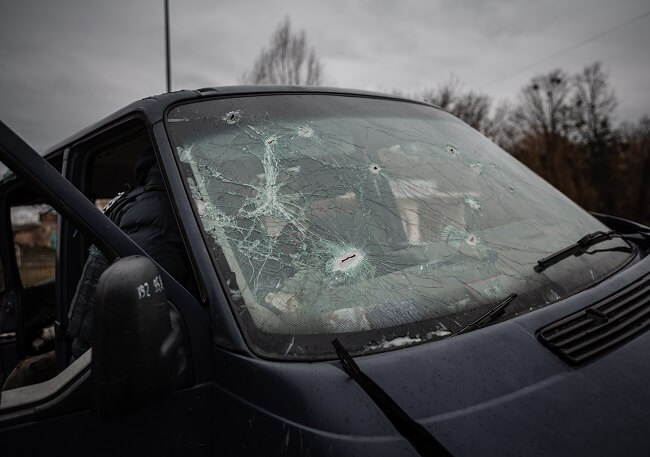
A small surface chip may sometimes be repairable. A spreading crack, edge damage, shattered glass, severe pitting, poor visibility, or damage within the driver’s critical viewing area usually needs replacement. We inspect the glass and surrounding frame before recommending the practical option.
Suitable for a small, clean impact that has not spread and does not compromise a sensor area or the windscreen edge. The inspection checks depth, size, contamination, and position.
Estimated chip-repair range per repairable impact.
For common sedans and SUVs without complex camera calibration. The estimate includes glass removal, standard adhesive, fitting, basic trim refit, cleanup, and a leak check.
Estimated complete fitted range. Glass brand and moldings affect the total.
For windscreens with a camera bracket, rain sensor, acoustic layer, head-up display, heating, antenna, or special tint. Calibration may be required after installation.
Estimated fitted range before any separately required calibration.
These are market-based estimates in AED. The final quote varies by model, glass specification, sensor equipment, moldings, availability, frame condition, and calibration requirements. VAT treatment and every included item will be shown on the written quote.

A crack can spread with heat, vibration, a door closing, or a sudden temperature change. Damage close to the edge can weaken the glass where it bonds to the body. A badly fitted windscreen may also leak, create wind noise, damage trim, or interfere with cameras and rain sensors.
The correct windscreen may need an exact camera mount, mirror base, rain or light sensor window, antenna, heating element, acoustic layer, solar coating, tint band, or head-up display layer. Two windscreens that look similar can work differently once installed.
We can begin with the vehicle model and a short description. A VIN or clear photo of the glass markings may be requested later when it helps confirm the exact part.
Old adhesive must be cut out without unnecessary damage. The pinchweld, trims, clips, moldings, and drainage area are checked. Rust, previous poor bonding, damaged clips, or missing trim can add work or parts.
The written quote separates glass, moldings, fitting materials, calibration when required, and any condition-related work discovered after removal.
| Service | Typical estimated total | Usually includes | Main price variables |
|---|---|---|---|
| Small chip repair | AED 150–300 | Assessment, resin repair where suitable, curing, surface finish | Chip size, depth, position, contamination |
| Standard sedan windscreen | AED 650–1,200 | Glass, adhesive, removal, fitting, cleanup, leak check | Glass brand, molding, stock, previous fitting |
| Standard SUV windscreen | AED 850–1,600 | Glass, fitting materials, removal, installation, final check | Glass area, trim, sensor provision, accessibility |
| Acoustic or sensor windscreen | AED 1,200–2,800 | Correct specified glass and fitting; sensor transfer where suitable | Acoustic layer, heating, antenna, sensor brackets |
| ADAS or head-up display glass | AED 1,800–4,500+ | Specified glass and installation | Camera bracket, HUD layer, OEM-equivalent choice, calibration |
| Camera calibration when required | AED 450–1,200 | Static or dynamic calibration appropriate to supported system | Vehicle system, targets, fault condition, prerequisite repairs |
A lower glass-only figure should not be compared with a complete fitted quote. Ask whether adhesive, moldings, clips, sensor transfer, calibration, cleanup, VAT, pickup, and delivery are included.
Tell us the model and whether the glass is chipped, cracked, leaking, or shattered. A photo is helpful but optional.
We identify the required glass features, check availability, inspect the car, and provide a written estimate.
The damaged glass is removed, the bonding area is prepared, and the replacement is installed with suitable materials.
We inspect the seal, trim, glass position, relevant sensors, and cleanliness before explaining safe drive-away guidance.
These three estimates show how vehicle equipment and glass specification affect the total. They are planning references, not completed customer records. Your written quote follows an inspection and part match.
Work: Standard front windscreen replacement, old adhesive removal, new automotive glass adhesive, trim refit, cleanup, and leak inspection.
Condition: Long crack from a stone impact. No camera calibration included.
Work: Sensor-compatible windscreen, molding, installation materials, rain-sensor transfer, trim refit, and final water check.
Condition: Edge crack with damaged outer molding. Calibration is not included in this estimate.
Work: Acoustic camera windscreen replacement, sensor and mirror equipment transfer, safe bonding, and camera calibration.
Condition: Crack through the camera viewing area. Correct bracket and acoustic specification required.
Vehicle-maker branded glass can be preferred for exact branding or a specific complex specification. It may cost more and availability can vary.
A reputable equivalent can provide the required fit and equipment provision without vehicle-maker branding. The exact manufacturer and specification should be stated in the quote.
A budget option may suit simpler applications when fit, clarity, curvature, tint, sensor areas, and safety markings are appropriate. We do not assume every aftermarket part fits every car.
The best choice depends on the vehicle, available specification, ownership plan, and equipment fitted to the glass. Price alone does not show optical quality, correct sensor provision, or the complete installation scope.
Moisture may enter through a damaged seal, body seam, roof drain, or a previously fitted windscreen. We identify the likely path instead of assuming the glass is always responsible.
Noise can follow incorrect positioning, loose trim, a missing molding, or another body seal. Road testing and inspection help separate glass-related noise from door and roof sources.
A replacement can change the camera’s view or mounting relationship. If the vehicle requires calibration, warning checks and the correct calibration process are included in the planned scope.
Waves or distortion in the driver’s view can be distracting. Glass quality, curvature, laminated layers, and head-up display compatibility must match the application.
Aged moldings and clips may break during removal or may already be damaged. We identify visible condition and include required replacements in the estimate when known.
Corrosion can prevent a reliable bond. Minor surface preparation differs from structural rust repair, so unexpected corrosion is documented before additional work proceeds.
We assess Japanese, Korean, European, American, Chinese, luxury, performance, hybrid, and electric vehicles. Common requests include Toyota, Nissan, Lexus, Honda, Hyundai, Kia, Ford, Chevrolet, GMC, Jeep, Land Rover, Range Rover, Mercedes-Benz, BMW, Audi, Porsche, Volkswagen, Volvo, Tesla, BYD, Geely, and other makes.
Brand and model names are only a starting point. Model year, body version, source market, camera equipment, head-up display, heating, antenna, and acoustic glass can change the correct part. You can contact us with the model and problem first. We request extra details only when needed to match glass or plan calibration.
For related glass damage, see our car window tinting service. If a collision also damaged the frame or body, review our collision repair service.
Many straightforward replacements can be completed within several hours, but timing depends on glass availability, trim condition, adhesive curing requirements, and calibration. We confirm the expected handover time with the quote. Do not drive before the stated safe drive-away time.
A small chip may be repairable when its size, depth, location, and cleanliness are suitable. Long cracks, edge damage, severe pitting, shattered glass, and damage that affects safety or camera operation generally require replacement.
Calibration may be required when a forward-facing driver-assistance camera views through or mounts near the windscreen. Requirements differ by vehicle and system. We check the installed equipment and state calibration separately in the quote when needed.
The replacement should match the necessary specification, including tint, shade band, acoustic layer, heating, antenna, rain-sensor area, camera bracket, and head-up display provision where fitted. A model name alone is not always enough to select it.
Yes. Free pickup and delivery are available. We also provide dedicated on-site inspections with a mobile assessment van. An on-site visit does not mean every repair can be completed at the vehicle’s location.
We inspect the glass bond, moldings, visible frame area, and likely water path. Leaks may also come from roof drains, body seams, doors, or previous repairs. The quote follows the identified source and required access.
Start with the vehicle model and a short description of the damage. A photo can help. We may later request the model year, VIN, glass markings, or equipment details if they are needed to match a specific windscreen.
Our workshop is in Al Quoz 4, Dubai. Call or WhatsApp before arrival so we can check the glass specification and availability.
A useful quote identifies the glass type and the complete fitting scope. It should not leave you guessing whether the price covers only the loose glass or the finished job. For a straightforward vehicle, the quote normally identifies the replacement windscreen, bonding materials, removal, fitting, basic trim refitting, cleanup, and final inspection. When moldings, clips, sensors, cameras, or calibration affect the job, they should be listed clearly.
Glass availability can also change the timing. A common standard windscreen may be available quickly, while a specific acoustic, heated, head-up display, imported-market, or camera-equipped version may require a supplier check. We confirm the intended glass before removal so the vehicle is not opened unnecessarily.
If previous fitting work has damaged the trim, pinchweld, sensor bracket, or body opening, the technician may find an additional requirement after the old glass is removed. We document the condition and explain any change before continuing beyond the approved scope.
Automotive adhesive needs time to reach the strength required for safe use. The correct wait depends on the product, temperature, humidity, and installation. Follow the technician’s stated time rather than assuming the car is ready as soon as the glass is positioned.
Avoid slamming doors immediately after fitting because a sudden pressure change can disturb a fresh bond. Leave any temporary retention tape in place for the period advised. The tape supports moldings while the adhesive settles and is not a substitute for the structural bond.
During the first drives, notice unusual wind noise, loose trim, moisture, or a visible change around the glass edge. Water appearing inside does not always prove that the windscreen bond is leaking, but it should be checked promptly so the source can be traced.
Do not direct a high-pressure washer at the new glass edge until the advised curing period has passed. Normal Dubai heat does not remove the need to respect the adhesive instructions.
Check that the rain sensor, mirror equipment, head-up display, heating, and driver-assistance functions behave normally when those features are fitted. A camera warning, unusual lane-assistance behavior, or calibration message needs attention.
Calibration confirms the camera relationship after glass installation. It does not repair unrelated warning faults, damaged brackets, unsuitable tires, alignment problems, or other conditions that prevent a successful procedure.
Yes. Dubai temperatures, strong air-conditioning, direct sun, vibration, and body movement can extend existing damage. A small crack near the edge deserves quick assessment because the edge supports the glass bond.
Very light marks may sometimes be improved, but deep scratches can distort vision if aggressively polished. Wiper scratches, sand abrasion, and scoring are inspected for depth and viewing position before recommending polishing or replacement.
Insurance coverage and approval depend on the customer’s policy and claim terms. We can provide a service estimate and relevant job details, but the insurer decides claim acceptance, excess, approved glass, and authorization requirements.
A windscreen contributes to visibility, weather sealing, and the vehicle body system. The correct decision considers damage position, structural condition, equipment, part quality, fitting method, and final checks together. Our goal is to give you a clear choice and complete estimated cost before the work proceeds.
Tell us your vehicle model and whether the glass is chipped, cracked, leaking, or shattered. We will confirm the next step, glass availability, and a useful written estimate.