Stop and arrange transport
Loss of braking, unsafe steering, overheating, rapid fluid loss or severe vibration needs a safe stop. Call before moving the car; don’t recreate the fault for a video.
Ariel service · Al Quoz 4, Dubai
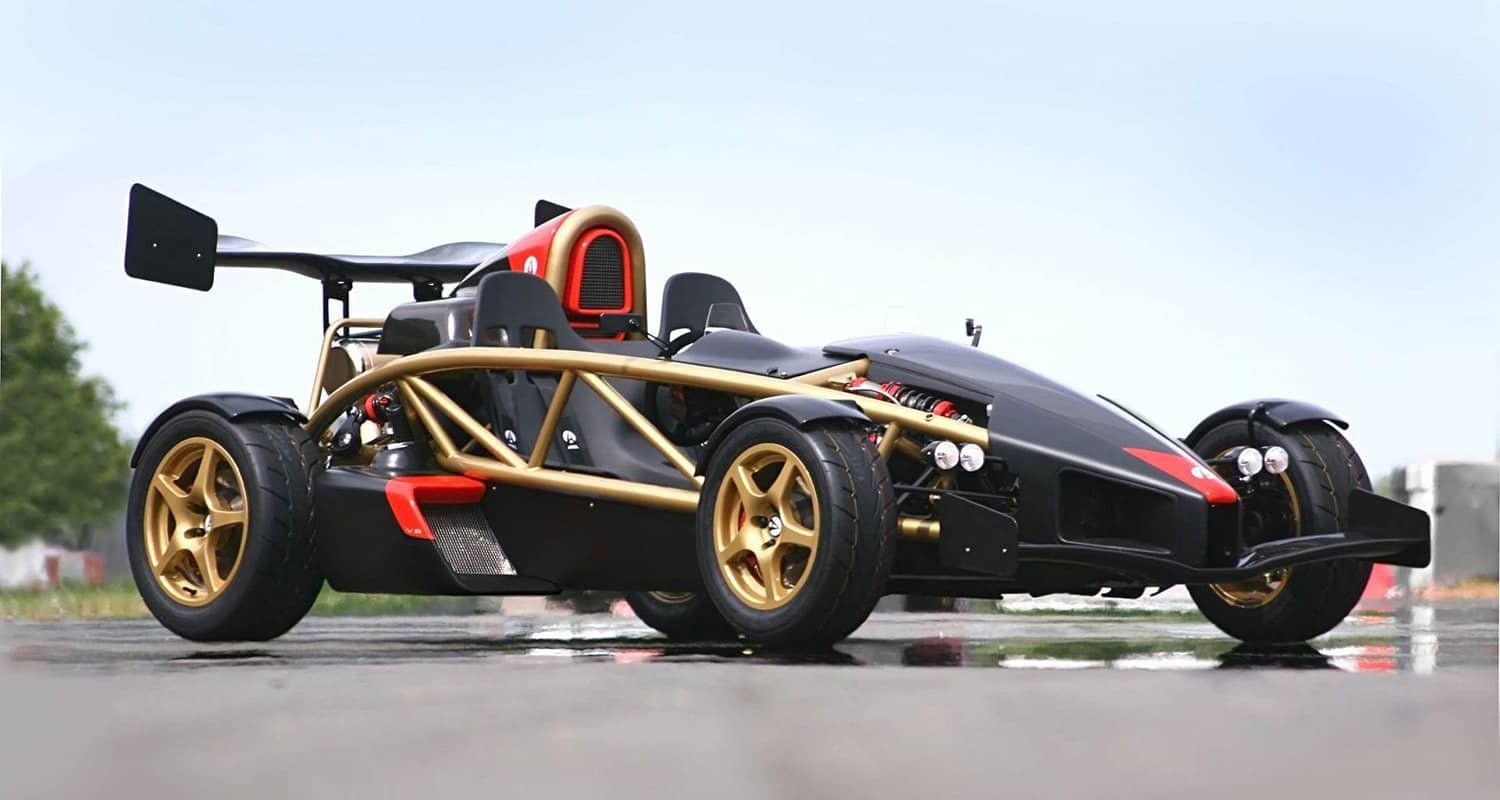
New vibration, a different brake feel or rising temperature in your Atom or Nomad? We start with the symptom and the way you use the car, then check what needs attention. Arrange an initial inspection in Al Quoz 4 before committing to repair parts.
Oil-and-filter service estimate AED 650 to 1,250, excluding VAT. View repair prices and inclusions
Loss of braking, unsafe steering, overheating, rapid fluid loss or severe vibration needs a safe stop. Call before moving the car; don’t recreate the fault for a video.
For a starting issue, noise or mild handling change, tell us when it began and whether the car was stored, used on track or driven over rough ground. We’ll discuss the next check.
Tell us whether the car rolls, steers and brakes, and mention low clearance or a locked wheel. Suitable loading equipment must be agreed before collection.
Budget estimates exclude VAT. Parts and labor are included only as described below. These are planning allowances, not fixed offers. Your written quote will show any applicable VAT, additional charges and the final total before paid work starts.
| Work | Estimated AED | Included and separate items |
|---|---|---|
| Initial condition review | Free | Visual condition and symptom review. Scanning, fault tracing and dismantling are separate. |
| Paid fault diagnosis | Quoted before testing | Agree on a fixed price for the first test stage and a stop point. The quote names the system and checks. Extra tracing or dismantling needs separate approval; no automatic repair credit is assumed. |
| Oil-and-filter service | 650 to 1,250 | Oil, filter, labor and agreed condition checks for the installed engine. Additional scheduled fluids, filters, plugs and repairs are separate. |
| Brake-fluid service | 450 to 750 | Applicable brake fluid, replacement labor and system checks. Leak repairs, hoses and calipers are separate. |
| Wheel-alignment setup | 750 to 1,450 | Condition checks, measurements and agreed wheel-angle adjustments using suitable vehicle data. Parts, seized adjusters and competition setup are separate. |
| Brake pads per axle | 1,200 to 2,800 | Compatible pads, fitting and checks. Discs, calipers and specialist compounds are separate. |
| Accessible cooling repair | 650 to 3,200 | Planning allowance for an identified hose, seal or accessible cooling component, fitting and necessary coolant. Diagnosis is separately quoted unless included in writing. Major damage and fabrication are separate. |
An oil-and-filter service is not automatically a full annual service. Ariel’s official Atom service-kit guidance distinguishes interim and annual contents, with differences by model and transmission. We compare the due work with your car’s service information.
Your quote separates diagnostic work, repair labor, parts, freight and VAT. Parts lead time and workshop time are listed separately when known, so you can decide whether to book the repair or wait for parts first.
Services and practical outcomes
Tell us the model and fitted equipment so we can agree on suitable work before the vehicle arrives.
Test the battery, supply, grounds and fitted controls, with scanning where supported. The aim is to identify the failed circuit or component instead of replacing parts from a warning alone.
Inspection and diagnosticsRelate leakage, pressure, temperature and mechanical checks to the installed engine. A hose or seal repair should be compared with larger work only after the cause is known.
Engine repair optionsAssess engagement, clutch operation, mounts, shafts and gearbox condition. The fitted transmission and Ariel installation determine fluid, access and parts requirements.
Transmission inspectionMeasure pads and discs and inspect hoses, hydraulics and attachments. The quote identifies the axle, fitted brake package and checks needed after replacement.
Brake repair optionsInspect joints, dampers, springs and tires before changing wheel angles. Geometry means those angles and their relationship to the car. Worn parts need attention before alignment.
Suspension inspectionMatch oil, filters, fluids and checks to the engine, history and road, track or rough-surface use. Repairs, performance changes and specialist tests are separate from routine maintenance.
Service optionsTypical job estimates
These planning estimates show how common Ariel work may be quoted. They are not records of completed customer repairs or fixed offers. The listed work includes service or fitting labor. All three examples exclude VAT and freight. Your written quote lists the delivered parts cost and applicable parts/labor warranty. Different equipment or damage changes the work needed.
Typical job estimate
Engine oil and filter replacement, fluid checks, brake inspection, tire checks and a general mechanical inspection.
Estimated total: AED 850
Separate: additional filters, spark plugs, gearbox fluids, fault tracing and repair parts. Assumes routine access and no unresolved warning.
Typical job estimate
Front brake pad replacement, brake-fluid service, disc and caliper checks, and a controlled final test.
Estimated total: AED 1,650
Assumes a compatible standard pad set and serviceable discs, calipers and hoses. Replacement discs, caliper repairs and specialist compounds are separate.
Typical job estimate
Suspension-joint inspection, ride-height measurements, four-wheel geometry adjustment and steering alignment checks.
Estimated total: AED 1,250
Assumes serviceable joints and adjusters, with suitable reference data. Parts, seized adjusters, individual wheel-load balancing and bespoke track development are separate.
Model-specific planning
Low clearance, exposed components and a light chassis make loading, support points and setup history important. Mention new steering feel, braking changes, a recent impact or a modification.
Generation and installed powertrain determine the service procedure. Do not assume a donor-engine part or fluid automatically suits the complete Ariel installation.
Tell us about dust, mud, rough terrain, impacts or prolonged heat. These conditions guide checks of filters, cooling, joints, tires, guards and attachments.
Ariel describes the Nomad’s road and off-road design. Options and generations vary, so confirm the equipment on your own vehicle.
For other makes, see our British car repair services. Ariel Ace motorcycles and other products are outside the Atom and Nomad services described here.
Convenience with suitable handling
Arrange an initial condition review in Al Quoz 4. Scanning, extended tests or dismantling may need a paid test plan agreed before work starts.
A service-van visit may help identify the next step before moving the car. Confirm the available checks and any visit charge before dispatch. It cannot replace every workshop procedure.
Share the location and whether the car rolls, steers and brakes. Low clearance or a locked wheel needs a suitable loading plan. Do not move an unsafe car just to reach the workshop.
Make the repair decision after diagnosis
A serviceable hose, seal, wire, joint or supporting component may allow a focused repair. Confirm the cause and the final check before considering a larger assembly.
Some engines, gearboxes or serviceable dampers may be rebuildable. Suitability depends on measurements, parts, specialist capability and a defined test process. Agree on that approach before dismantling.
Compare the installed cost and availability when damage is extensive or a repair is impractical. A physically similar part can differ in fit, load, geometry or control requirements.
Do not approve a new engine, gearbox or setup change from a noise or code alone. Ask what finding supports the recommendation, what alternatives were ruled out and which extra findings could change the price.
Independent workshop in Al Quoz 4
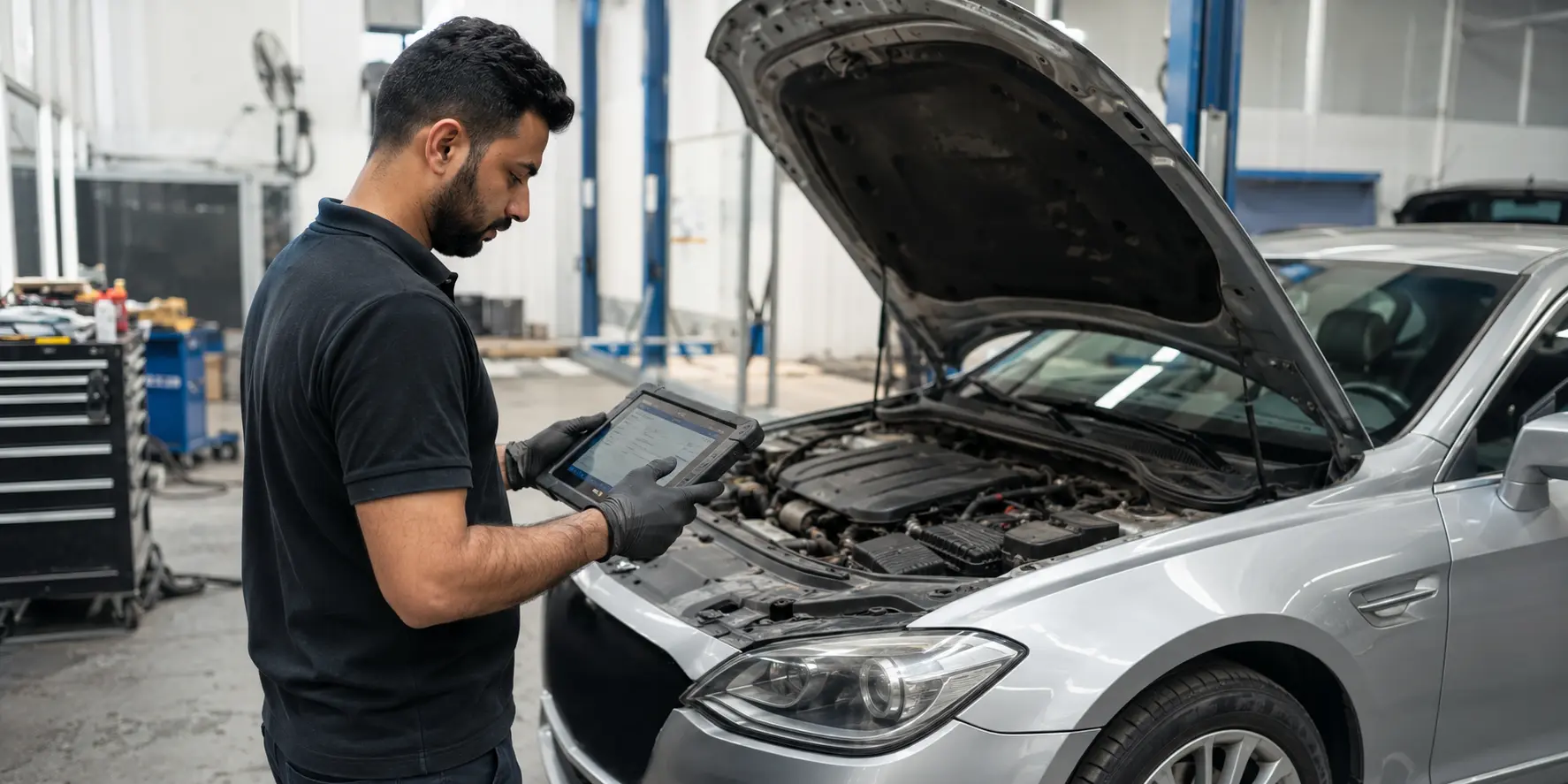
An unusual car shouldn’t mean an unclear booking. Tell us what you need, and we’ll establish whether the proposed checks, equipment and available parts suit your Atom or Nomad before arranging transport.
Our workshop standards explain approval and handover. We’re an independent workshop. Competition certification and manufacturer-only work need a separately confirmed provider.
Parts and specialist work
We identify the fitted part and check the service information before recommending a replacement. Manufacturer-controlled access, fabrication, structural work or specialist calibration must be confirmed separately; referral may be needed.
Your quote should distinguish parts lead time from workshop time. Confirm new, repaired, remanufactured or customer-supplied parts, their fitment responsibilities and the written warranty terms. We do not assume a rare component is in stock.

Useful context, fewer assumptions
Discuss battery condition, fuel, tires, fluid leaks and brake operation before performance testing. A service reminder alone does not describe the condition after a long period parked.
Report overheating, pressure changes, impacts or a new vibration. Preserve any existing data log and setup sheet. Condition inspection is separate from bespoke motorsport setup or event certification.
Dust, debris and impacts can affect airflow, exposed lines, guards, joints and tires. State what changed and when. Do not alter damper or alignment settings just to hide a new symptom.
You can share a warning photo or safe-to-capture video if you already have one. Do not crawl under an unsupported car or recreate a dangerous fault to collect information.
From first message to collection
Start with Atom or Nomad and the symptom. We request vehicle identity, access or modification details only when they affect the job.
The free condition review establishes the next suitable step. Paid tests or dismantling require an agreed test plan and charge.
Review findings, parts availability, labor, freight, VAT and final total, exclusions and expected timing. Additional work needs approval.
Keep the invoice, part and fluid details, relevant measurements, settings where supplied and any recheck instructions. Ask what was verified and whether a test was limited.
Book your inspection
Send your Ariel model and the service or symptom. Arrange a free initial workshop inspection or free pickup and delivery. For a separate on-site visit, confirm the available checks and any charge before dispatch.
Before you book
Send the model and service or symptom. We may request photos, build details or collection information later. Confirm acceptance of specialist work before transporting the vehicle.
Planning ranges are AED 650 to AED 1,250 for a minor service, AED 450 to AED 750 for brake-fluid service, and AED 1,200 to AED 2,800 per axle for brake pads. Your quote confirms fitted components, labor, exclusions and final total including any VAT. The displayed planning ranges exclude VAT.
The initial workshop condition review is free. Detailed scanning, fault tracing, dismantling and specialist tests may need separate paid approval. Confirm any diagnostic charge and whether it is credited against a repair.
We check the fitted part and available suppliers. Price, compatibility and lead time must be confirmed before ordering; rare or manufacturer-specific items are not assumed to be available.
A condition inspection can be discussed. Bespoke motorsport setup, fabrication, competition compliance or event-specific preparation needs a separately confirmed capability and agreed work. An inspection is not a guarantee against a later failure.
Stop safely if braking, steering or wheel condition is uncertain. Arrange suitable transport rather than driving to the workshop. Overheating, rapid fluid loss or severe vibration also needs advice before movement.
Free pickup and delivery across Dubai can be arranged with suitable loading confirmed first. Tell us about low clearance or a car that cannot roll or steer. An on-site assessment is a separate option; agree on its checks and any visit charge before dispatch.
Timing depends on the findings, parts lead time and accepted work. Confirm the expected completion time and written terms for the selected parts and labor before approval. No universal duration is promised.