Models and materials
Body repairs for current and earlier Maserati models
We assess Ghibli, Quattroporte, Levante, Grecale, GranTurismo, GranCabrio, MC20, and earlier Maserati models. The badge alone does not determine the repair. Construction, trim, cameras, sensors, lighting, paint finish, and previous work can differ by year and market.
Ghibli and Quattroporte
Long doors, shaped body lines, aluminum components on some applications, parking sensors, cameras, and premium paint finishes require careful access and alignment. Door dents may affect reinforcement, window operation, handles, trim, and seals. Front or rear impacts can extend beyond the bumper cover into mounts, lamps, wiring, or cooling components.
Levante and Grecale
SUV body repair may involve wheel-arch trims, lower cladding, tailgate equipment, radar zones, cameras, and larger painted surfaces. A curb or side impact can also affect the wheel, tire, alignment, or suspension. Those mechanical checks remain separate from the paint finish and are included only when the condition requires them.
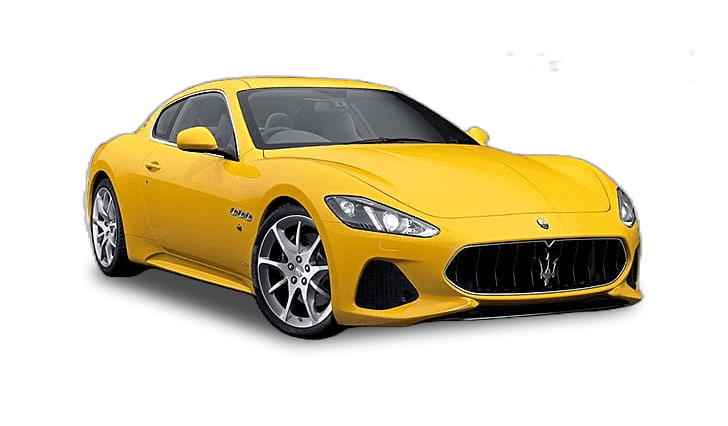
GranTurismo, GranCabrio, and MC20
Low bodywork, wide panels, special materials, complex cooling paths, and limited-production parts can increase preparation and sourcing time. Convertible sealing areas and high-performance aerodynamic parts need careful inspection. We confirm any specialist tooling, material, or calibration requirement before promising the final scope.
For repaired doors, fenders, quarter panels, and bumpers, the surrounding systems also deserve attention. A door repair can affect handle operation, window travel, mirror wiring, soft-close equipment, seals, and blind-spot components. A front bumper repair can involve parking sensors, camera views, radar mounting, air guides, grilles, and cooling clearance. Rear damage may involve boot operation, lamps, exhaust trim, parking aids, and the floor behind the bumper. These checks are not automatically treated as extra repairs. They help identify which functions need to be included in the approved work and which remain unaffected. This keeps the estimate focused while reducing the chance that a cosmetic handover hides a loose trim, warning message, leak, rubbing part, or poor panel fit.