Urban delivery
Record stop frequency, idle time, short-trip pattern, AC load and whether the symptom appears after repeated starts. Low-speed airflow, charging reserve and exhaust aftertreatment conditions may matter.
Commercial vehicle intake and repair planning
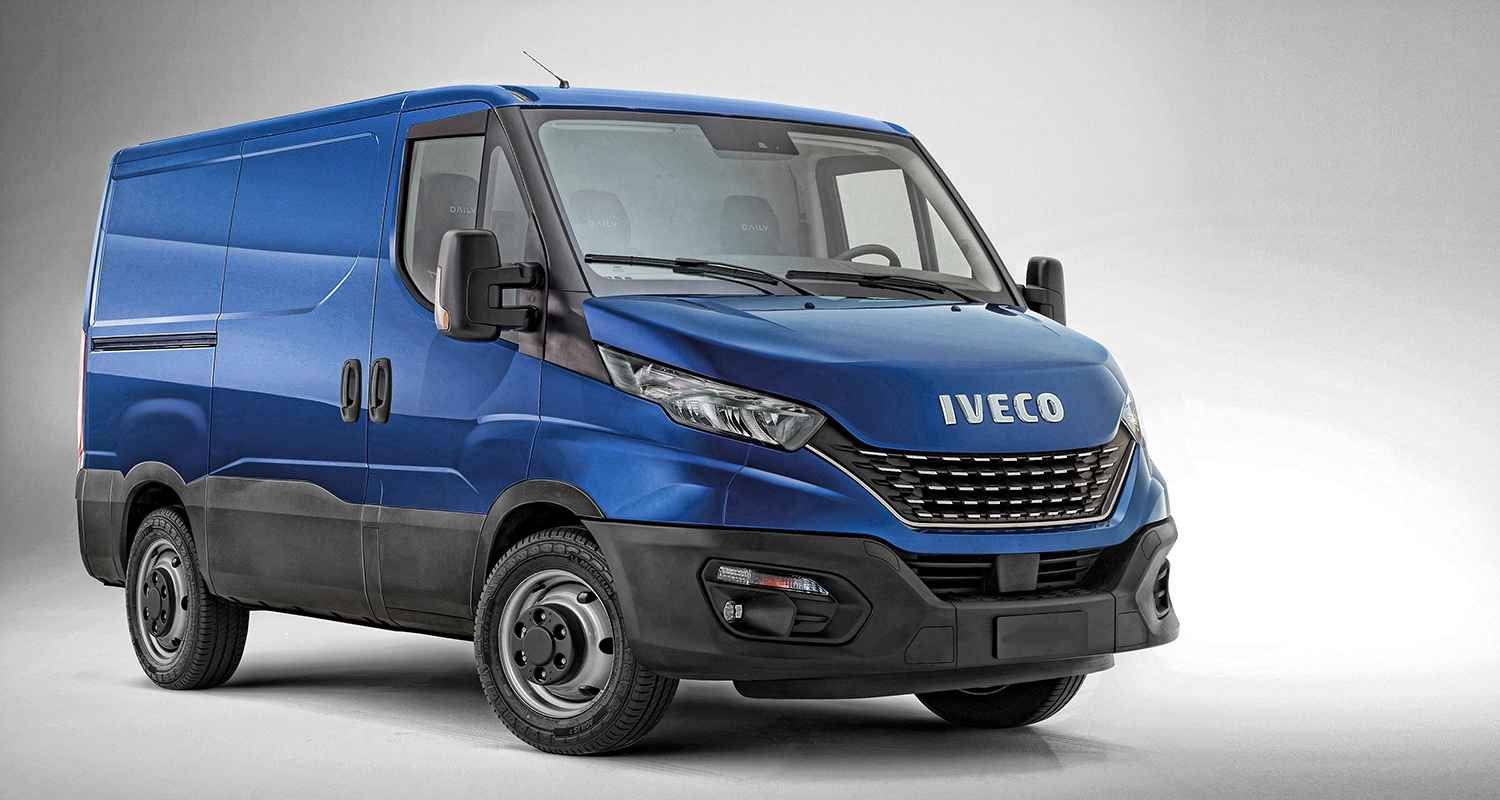
Assessment-led repair and maintenance planning for eligible IVECO Daily vans and chassis cabs, with vehicle dimensions, body equipment, load condition and workshop access confirmed before arrival.

The operating job changes the diagnosis
A delivery van that develops a temperature warning in traffic presents a different case from a chassis cab carrying equipment or a vehicle that only vibrates under load. The first record should describe the duty cycle rather than only naming a warning lamp.
Record stop frequency, idle time, short-trip pattern, AC load and whether the symptom appears after repeated starts. Low-speed airflow, charging reserve and exhaust aftertreatment conditions may matter.
Note road speed, engine speed, gradient, payload and how long the vehicle has been moving before the change appears. Temperature and boost evidence should be preserved.
List refrigeration, lift, crane, hydraulic equipment, inverter, auxiliary battery or power take-off. The base vehicle and added system need separate responsibility.
State parking duration, battery support, fuel age, prior jump starts and the last complete journey. A starting complaint may follow storage rather than daily operation.
Send a photograph of the registration card, the complete vehicle from each side, the dashboard with ignition on and the body-equipment plate where one exists. Include the approximate loaded height and weight if the vehicle is not in standard van form. These details allow a safe access decision before workshop space or lifting equipment is promised.
Model and mission boundaries
IVECO lists Daily, Eurocargo, S-Way and T-Way in its Africa and Middle East range. Those names span light commercial vehicles through medium and heavy trucks. They cannot be treated as one workshop category.
A vehicle can be road-legal and still exceed workshop access or equipment limits. Confirmation protects the driver from an unnecessary trip and prevents an immobilised commercial vehicle from blocking a repair bay while specialist support is arranged.
Drive, recover or stop
A vehicle that starts normally, retains fluids, has normal steering and braking, and shows no severe temperature, oil-pressure or charging warning may be suitable for a short workshop journey. The driver should still describe the message and receive confirmation.
Reduce load where practical and do not use a customer delivery as a diagnostic road test. If the symptom depends on payload, record that fact and discuss a safe reproduction plan.
Symptoms translated into checks
One code or sound does not establish the failed component. The operating condition decides what evidence should be captured before anything is cleared or dismantled.
Record battery age, standing time, jump-start result, starter sound, lamp behaviour and recent electrical work. Battery capacity, cable voltage drop, ground paths, control authorization and the starter require different tests.
Note payload, engine speed, warning message, smoke, boost behaviour and whether power returns after restart. Air, fuel, turbo control, exhaust restriction, cooling and mechanical condition may overlap.
Preserve coolant evidence and report fan activity, AC use, load and whether the temperature falls at road speed. Repeated topping-up can hide the leak pattern.
State whether the vehicle is cold or warm, selected position, delay, slope and load. Supply voltage, fluid condition, controls, mounts, driveline and internal operation should be separated.
Describe pedal feel, warning sequence, load, road surface and recent wheel work. Tyres, friction parts, hydraulics, wheel-speed information and axle condition may all affect the result.
List parked duration and every added device, including tracker, refrigeration, camera or inverter. Charging performance and current draw must be measured before another battery is treated as the complete repair.
If pressure, leakage or compression evidence points inside the engine, the engine repair process explains why disassembly should follow a measured mechanical case. A shift complaint that remains after external checks can use the same evidence-led approach described for transmission repair.
Diesel and aftertreatment evidence
Diesel combustion, air control, fuel delivery, exhaust temperature, sensors, wiring and aftertreatment operation affect one another. The fault history, live values and physical condition need to be read in the order the event developed.
Frequent short trips, long idle periods and repeated aborted journeys can change exhaust temperature history. State whether the vehicle normally reaches sustained road speed and whether the warning followed a change in route or load.
Note the last refuelling point, quantity, visible contamination concerns and whether the problem began immediately afterwards. Do not drain or add treatment without agreeing how a sample will be preserved.
A later warning may be a consequence of the first event. Capture the sequence, reduced-power state and any countdown before cycling the ignition or disconnecting the battery.
A forced procedure is not a universal answer. Oil level, temperature control, stored faults and filter condition must support the procedure, and the area must be suitable for elevated exhaust temperature.
Maintenance tied to the vehicle record
The VIN, model year, engine, gearbox, axle arrangement, fitted body and operating schedule determine the useful maintenance conversation. A generic minor or major package cannot prove the correct materials for every IVECO.
Parts and approval control
Commercial-vehicle parts may vary by build date, wheelbase, axle rating, engine code, gearbox, braking configuration and body preparation. A similar photograph is not a complete application check.
Ask which VIN, installed reference, measurement or supplier confirmation supports the selected part. The quotation should distinguish confirmed parts from items that can only be assessed after access.
Availability, special-order conditions, seals, fluids, fasteners and setup work can affect downtime. These variables should be visible before the vehicle is dismantled.
A commercial repair decision
Confirm VIN, registration, dimensions, body, load, movement condition and requested operation before allocating a bay.
Save messages, photographs, fluid evidence and the precise duty condition that produced the complaint.
Define the system, initial labour allocation and any condition that requires a loaded or extended verification.
Photograph concealed damage or a different part reference. The job should not expand without a revised approval.
Use the relevant road, pressure, charging, temperature or function check and record any condition that could not be reproduced.
The invoice should name parts, specifications, measurements, exclusions and follow-up observations for the next service decision.
Cost and downtime variables
The first price may cover inspection only. Vehicle size, body obstruction, loaded condition, diagnostic depth, parts application and commercial-truck capability can change both labour and timing.
Ask whether the vehicle must be empty, whether body equipment blocks the suspected area and whether a road test can legally and safely reproduce the issue. If a fleet authorisation limit applies, provide it before work begins and name the person allowed to approve additional scope.
A useful estimate separates assessment, confirmed repair, conditional materials, outside specialist work and verification. It also states storage or collection expectations if the vehicle cannot remain after diagnosis. These boundaries matter when a commercial asset is needed for scheduled work.
Do not compare estimates only by the first part name. Check whether fluids, seals, body access, programming, calibration, recovery and the final function test are included. A lower figure can refer to a narrower task rather than the same repair.
Fleet information that prevents delay
Commercial vehicles often arrive with a driver who did not witness the first fault and an office contact who must approve cost. The booking should connect those two people before the vehicle is dismantled.
Ask the driver to describe the first event in their own words. Record route, load, speed, warning order, sound, smell and what changed after stopping. Do not reduce the report to a fault-code label.
Name the person who can approve diagnostic time, parts, outside support and additional work. Provide the purchase-order or authorisation process before a decision is waiting in the workshop.
State the next scheduled route and whether another vehicle is available. This helps distinguish an urgent safe-return decision from work that can wait for a verified part.
Identify who will collect the vehicle and receive the technical explanation. The driver should know any load, observation, running-in or follow-up condition recorded after repair.
For repeat vehicles, keep one file per VIN rather than one general fleet note. Record batteries, tyres, fluid specifications, body equipment, breakdown events and recurring complaints against the correct unit. Similar-looking vans can have different wheelbases, engines, electrical additions and maintenance histories.
When a complaint cannot be reproduced, agree what the driver should record on the next event. A photograph, operating temperature, route point and load description can be more useful than replacing a part to avoid returning the vehicle without an answer.
Direct booking answers
No. Daily vans and some light commercial configurations may be considered after dimensions, weight, body and repair scope are reviewed. Medium and heavy trucks need separate facility and capability confirmation.
Send the VIN, registration, model, year, dimensions, body type, approximate weight, warning photographs, movement condition and requested work.
An assessment can be planned for an eligible vehicle. The operating event, codes, live values, air, fuel, exhaust, electrical and mechanical evidence determine the repair direction.
A photograph can help identify the area. Final selection should use the VIN, installed reference, build information and supplier application because commercial configurations vary.
Not automatically. Refrigeration, lifts, cranes, hydraulics and conversions can belong to another manufacturer and require a separate scope.
Stop if temperature remains abnormal, fluid is escaping, steam appears or the engine runs differently. Share the vehicle size and condition so suitable recovery can be discussed.
Prepare the commercial vehicle intake
Include dimensions, approximate weight, load condition, dashboard photographs and whether the vehicle can move safely.