Independent Isuzu workshop · Al Quoz 4
Isuzu Repair and Service in Dubai
Hard starting, rising temperature, or power loss during a delivery? Book Isuzu pickup and SUV service at Auto Repair UAE in Al Quoz 4, Dubai. Start with the model and problem. For N-Series and F-Series trucks, call first so we can confirm vehicle access, equipment and the proposed job.
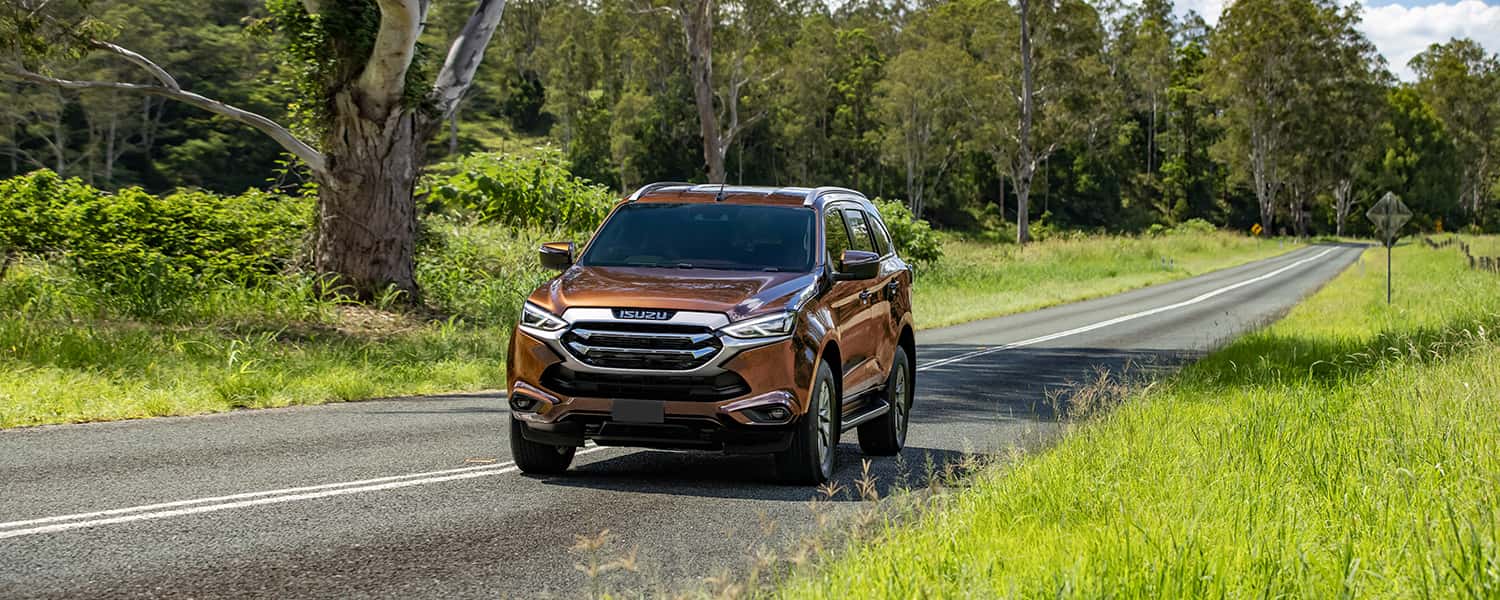
Start with the vehicle problem
Common Isuzu Problems We Repair in Dubai
Tell us whether the vehicle is a D-Max, MU-X or commercial Isuzu and describe the symptom. We begin with a free workshop inspection and provide clear repair choices.
Starting trouble or reduced power
Battery, charging, fuel delivery, air, boost, sensors, wiring, emissions equipment and engine condition are checked before parts are quoted.
Overheating or coolant loss
Fans, hoses, radiators, thermostats, pumps and engine sealing need prompt checks. Stop driving if temperature rises.
Transmission, clutch or 4WD faults
Shift quality, fluid, mounts, clutch wear, switches, actuators, shafts and differentials need system-specific testing.
Brake, steering or suspension wear
Load and road use can expose worn pads, rotors, bushings, joints, shocks, bearings, tires and alignment faults.
Passenger and commercial services
Isuzu Repair and Maintenance Services
Book maintenance and repair for Isuzu pickups and SUVs. Commercial truck work is assessed separately and accepted only after vehicle size, access, equipment and the requested operation are confirmed.
Computer diagnostics
System scans, warnings, live data and focused electrical or mechanical tests.
Engine and cooling
Starting faults, smoke, overheating, leaks, radiators, pumps and internal concerns.
Transmission and clutch
Automatic shifts, manual clutch wear, mounts, sensors, controls and internal faults.
4WD and driveline
Transfer operation, actuators, shafts, joints, hubs, differentials and vibration.
Brakes and suspension
Pads, rotors, fluid, bushings, links, shocks, bearings, steering and alignment.
AC, electrical and maintenance
Cabin cooling, battery, charging, wiring, oil, filters, fluids and scheduled items.
Estimated complete-job guidance
Estimated Isuzu Repair Prices in Dubai
These nonbinding planning ranges apply to common D-Max and MU-X work, not N-Series or F-Series truck repairs. The quote confirms the engine, parts grade, access, included labor and materials. VAT treatment and the final payable total must be confirmed before approval.
| Isuzu service | Estimated price | Typical scope | Main variables |
|---|---|---|---|
| Oil and filter service | AED 400 to 850 | Specified engine oil, filter, labor and level checks | Engine, capacity and scheduled items |
| Computer diagnostic assessment | AED 250 to 600 | Relevant scans and initial testing; extended tracing extra | Fault type and access |
| Front brake pads | AED 650 to 1,200 | Front-axle pads, installation and braking inspection | Model, grade and rotor condition |
| AC assessment and basic service | AED 350 to 800 | Performance and leak checks; refrigerant service only when appropriate | Leak repair, compressor and other parts excluded |
| Clutch replacement | AED 1,900 to 4,200 | Matched clutch parts and labor | Model, flywheel and access |
| Cooling-system repair | AED 700 to 2,200 | Allowance for one confirmed cooling repair, not all listed components | Quote specifies component, coolant, labor and exclusions |
| 4WD diagnostic | AED 450 to 950 | Scan, operating and physical checks | Actuator, wiring or driveline faults |
| Major engine repair | AED 5,000 to 15,000+ | Confirmed internal repair scope | Damage, machining and parts |
The workshop inspection is free. Advanced diagnostics and dismantling are priced separately when needed. The written estimate separates included work from optional items and any further testing. Truck pricing requires a vehicle-specific scope.
Free pickup and delivery are available
A dedicated van is available for on-site inspection. Mobile inspection fees depend on location and assessment needs.
Three cost examples
Three Typical Isuzu Job Estimates
These are planning examples, not completed customer jobs or fixed offers. Estimates include the stated parts, materials, labor and checks. Confirm VAT treatment and the payable total in the written quote.
2020 Isuzu D-Max
Work: Engine warning diagnosis, boost-hose leak confirmation, hose replacement and road verification.
Condition: Includes the matched hose and installation; turbocharger, injector and unrelated wiring repairs are excluded.
AED 920 total
2019 Isuzu MU-X
Work: Front brake pad replacement, rotor measurement and braking inspection.
Condition: Includes front-axle pads and installation. Rotors, caliper repairs, seized hardware and brake-fluid service are excluded.
AED 840 total
2021 Isuzu D-Max
Work: AC diagnosis, leak check, refrigerant service and fan verification.
Condition: Includes suitable refrigerant service after checks. Leak repairs, fan replacement and compressor replacement are excluded.
AED 650 total
Confirm the physical scope first
Isuzu Models and Vehicle Types We Service
Isuzu covers pickups and commercial trucks with very different height, length, weight, lifting and bay requirements. A brand name alone cannot confirm that a workshop can receive the vehicle safely.
D-Max pickups
The official UAE range includes D-Max single-cab, flatbed and crew-cab configurations, including two-wheel and four-wheel-drive variants. Send the cab, body, fuel, gearbox, drive type, accessories and normal load before booking.
- VIN and model year
- Cab and body style
- Approximate current load
- Vehicle height with accessories
MU-X, Trooper and other light vehicles
Passenger or SUV models may be imports or earlier vehicles. Source market, VIN, engine, transmission, drive type and parts history need review because the official UAE commercial range does not define every privately imported application.
- Source market and registration
- Exact engine and gearbox
- Wheel and tire setup
- Previous repair documents
N-Series and F-Series commercial trucks
The UAE range includes N-Series light-duty and F-Series medium-duty trucks. These require prior confirmation of gross vehicle type, body, dimensions, load, access and equipment. Do not arrive without the workshop confirming that the specific truck and job are within scope.
- Full model code and body type
- Length, height and current load
- Air or hydraulic system condition
- Safe unloading or recovery plan
The route is part of the evidence
Common Isuzu Problems by Daily Use
Temperature, smoke, shift behavior, vibration and braking can change with payload, idle time, road speed and terrain. The empty vehicle may not reproduce a load-related concern.
Describe the last normal trip and the first abnormal one
State the start location, route, load, stops, idle time, speed, inclines, off-road use, ambient conditions and refueling. Record when the warning, sound, smoke, temperature rise or power loss began and what happened after stopping.
If the vehicle serves a fleet, attach the driver report and recent job card. A dispatcher may know the schedule while the driver remembers the symptom. Both views can be useful.
Symptom-led inspection
How We Diagnose Isuzu Problems
The following routes show what evidence matters before a repair is proposed.
Hard starting or no start
Record cranking speed, battery and jump-start history, fuel level, recent refueling, temperature and warning lights. Low-voltage supply, fuel delivery, air, control, compression and mechanical timing do not produce identical evidence.
Diesel smoke or reduced power
Note smoke color, temperature, load, road speed, engine speed and whether power returns after a restart. Air restriction, boost control, fuel, exhaust aftertreatment where fitted, sensors, wiring and mechanical condition require different tests. Do not approve a turbocharger from smoke alone.
Rising temperature or coolant loss
Capture gauge behavior, warning text, load, AC use, fan activity and visible residue. Leakage, pressure, airflow, circulation, control and internal engine possibilities are separated. Repeated top-ups can hide the rate and source of loss.
Shift, clutch or driveline behavior
State manual or automatic transmission, gear, temperature, load, selected drive mode and service history. Fluid condition may matter, but a fluid change is not a complete diagnosis for slipping, delayed drive, clutch judder or driveline vibration.
Four-wheel-drive warning or binding
Record selected mode, surface, tire sizes, recent battery work and whether the wheels can roll freely. Switches, actuators, wheel data, wiring, transfer components, joints and differentials can overlap. Avoid forcing repeated mode changes under load.
Brake, steering or suspension change
Separate pedal feel, pulling, noise, vibration, steering effort, body movement and tire wear. Load distribution, tires, wheels, joints, bushes, dampers, hydraulics and alignment evidence are reviewed together.
A diagnostic scan can support these checks, but a code remains a detected condition. The computer diagnostic process explains how fault status and live information are compared with voltage, pressure, temperature, movement and mechanical tests.
A transport decision can come first
When Your Isuzu Should Be Recovered
A disabled pickup or truck also needs a recovery method suited to its size, weight, body and current load.
Stop for lubrication or temperature risk
Do not continue after a severe oil-pressure warning, rapid temperature rise, steam, major coolant loss or a harsh internal mechanical sound. Switching the engine off early can preserve evidence and may reduce additional damage.
Stop for reduced vehicle control
Do not continue with major brake loss, loose steering, a collapsed tire, a wheel or hub concern, or severe driveline binding. Share photographs and the exact location before transport is arranged.
State the truck dimensions and load
Recovery equipment must account for height, length, axle and gross weight, body overhang, low equipment, wheel state and cargo. An ordinary car transporter may not suit a commercial truck.
Protect driveline and body equipment
Four-wheel-drive state, transmission condition, parking brake, propeller shafts, air systems and body attachments may affect loading. Follow vehicle-specific information rather than improvising a tow.
How Isuzu Power and DPF Faults Are Confirmed
Hard starting, smoke and reduced power can have different causes. The fitted emissions equipment also varies by model, year and market.
Identify → Test → DecideCapture the driving condition
Does it crank slowly, start then stop, or lose power under load? Note temperature, smoke, warning text and whether the problem changes after restarting.
For a DPF or exhaust message, keep the complete wording and recent journey pattern. A warning alone does not establish that forced regeneration is appropriate.
Check the relevant systems
Compare scan data with battery voltage, fuel pressure where relevant, air and boost readings, temperature, exhaust information and physical checks.
Report wrong fuel, contamination or recent refueling. Stop the engine if a serious fuel leak is visible.
Approve the confirmed repair
Review the finding before replacing an injector, pump, sensor or turbocharger. Parts may need matched references, seals, clean handling and setup.
The engine repair process explains how testing guides internal engine and fuel-system decisions.
Keep refueling receipts, driver reports, route information and earlier job cards together. They help show whether the issue followed one trip or affects several vehicles.
Application and availability
How Isuzu Repair Parts Are Matched
Commercial use makes downtime important, but ordering by a broad model name can create a longer delay when the component does not fit.
Vehicle and engine reference
Use the VIN, model code, build information, engine, transmission, drive type and source market. A D-Max cab or N-Series badge alone may not define every component.
Installed component reference
Compare readable numbers, connectors, mounting, dimensions, gear ratio or calibration where access allows. Body builders may add systems not listed in the base chassis data.
Part condition and supply
State new, remanufactured, used or customer supplied, with availability, return conditions and applicable warranty terms before approval.
Related material and labor
List fluids, seals, fasteners, filters, cleaning, setup and access labor. Concealed damage should return for a new decision.
Programming or calibration
Confirm whether coding, injector data, adaptation, alignment or another specialist operation applies and is available for the exact vehicle.
Verification under a safe condition
Define the pressure, scan, temperature, road or loaded test that is safe and relevant. A workshop road test is not a substitute for an unauthorized commercial load.
When parts availability controls uptime, the estimate can separate diagnosis, ordering, installation and final verification. If the vehicle can be released safely while a part is sourced, that should be a documented decision rather than an assumption. Special-order and non-returnable items should be visible before payment or dismantling.
A service record for working vehicles
Isuzu Maintenance by Mileage and Use
Use the applicable schedule and vehicle information. Load, dust, idle time, route and body equipment can change which inspections deserve earlier attention.
A fleet record should also show who reported the problem, which route it occurred on and whether the vehicle was loaded. This makes repeat events easier to compare and prevents a routine service note from being mistaken for a completed diagnosis.
For substantial engine, transmission or multi-system work, the major repair planning guide explains staged dismantling, parts and verification approvals when the full condition is not visible at intake.
Protect the repair decision and uptime
How Isuzu Repair Service Works
- Step 1
Confirm vehicle class
Start with your Isuzu model and concern. For commercial trucks, share body type, dimensions and current load so access and transport can be confirmed.
- Step 2
Describe the duty event
Include route, load, idle time, temperature, smoke, warning, noise and recent work.
- Step 3
Confirm workshop and transport fit
The vehicle size, weight, control and fluid condition determine safe arrival and access.
- Step 4
Inspect the relevant system
Electronic evidence is compared with physical and measured tests for the complaint.
- Step 5
Approve parts and labor
The estimate states application, availability, setup, exclusions and conditional work.
- Step 6
Record verification
The handover identifies the safe function test and any remaining operational restriction.
Fleet and body equipment boundaries
Isuzu Chassis and Body Equipment Checks
A box, refrigeration unit, lift, crane, hydraulic system, tank or electrical body can add weight, wiring, power take-off loads and its own service requirements. The base vehicle and added equipment may need different providers.
Identify the body builder
Send the body plate, installation documents and equipment model where available. State which system displays the warning and whether the engine or chassis behavior changes when the equipment operates.
Describe shared power and controls
Declare additional batteries, alternator changes, inverters, hydraulic drives, power take-off equipment and interlocks. A voltage or communication symptom can appear in the cab while beginning in an added circuit.
Separate authorization
The job card should state whether diagnosis covers the Isuzu chassis, the body equipment or only an interface between them. Work outside the workshop’s scope should not be implied by a general vehicle booking.
Plan a safe function test
Testing a lift, hydraulic body or refrigerated system needs suitable space, load state and operator knowledge. The handover should record what was operated and what could not be tested.
For a fleet, keep vehicle number, VIN, driver report and job card connected. If the driver changes, the symptom description should remain available to the technician. If the vehicle is returned to service with a monitoring instruction, the dispatcher needs the exact warning, load and stop condition that should trigger another inspection.
Downtime estimates should also separate parts availability from workshop labor. A vehicle should not be dismantled merely to wait for an unconfirmed commercial component when a safe, non-invasive identification step can be completed first.
Choose an Isuzu repair that matches the confirmed fault
Repair an external cause
A split boost hose, leaking coolant connection or wiring problem may need a targeted repair. Reduced power or smoke does not prove a failed turbocharger. Check the air, fuel, boost and control systems before ordering a major assembly.
Assess cleaning or regeneration
Where a diesel particulate filter is fitted, first confirm the exact warning and applicable procedure. A regeneration request is not permission to force a cycle. Sensor faults, underlying engine problems or unsuitable conditions may require a different response.
Compare rebuild and replacement
Confirmed internal engine or gearbox damage needs a cost comparison that includes dismantling, machining, parts, fluids, labor and testing. Match replacement units by application and state whether they are new, remanufactured or used. Additional findings require a revised approval.
Cleaning cannot repair a physically damaged filter, and replacing a filter without addressing its underlying cause may leave the problem unresolved. The written scope should explain why the selected route fits the findings.
Keep cabin cooling separate from engine overheating

Warm air from the vents and a rising temperature gauge need different checks, even when airflow affects both.
AC warms up in traffic
Check vent temperature, airflow, refrigerant containment, pressure and electrical control. Tell us whether cooling improves on the highway or airflow drops at every speed.
The temperature gauge rises
Check leakage, circulation, fan operation and temperature behavior. Stop safely for overheating. A coolant top-up alone does not identify the cause.
Photograph a warning while parked and note when it occurs. Leave refrigerant handling, pressurized cooling tests and electrical probing to the workshop. Never open a hot cooling system.
Isuzu repair near you in Al Quoz 4
Auto Repair UAE is an independent workshop in Al Quoz 4, Dubai. Start with your D-Max or MU-X model and what needs attention. For a working pickup, mention whether the concern appears empty, loaded or after extended idling.
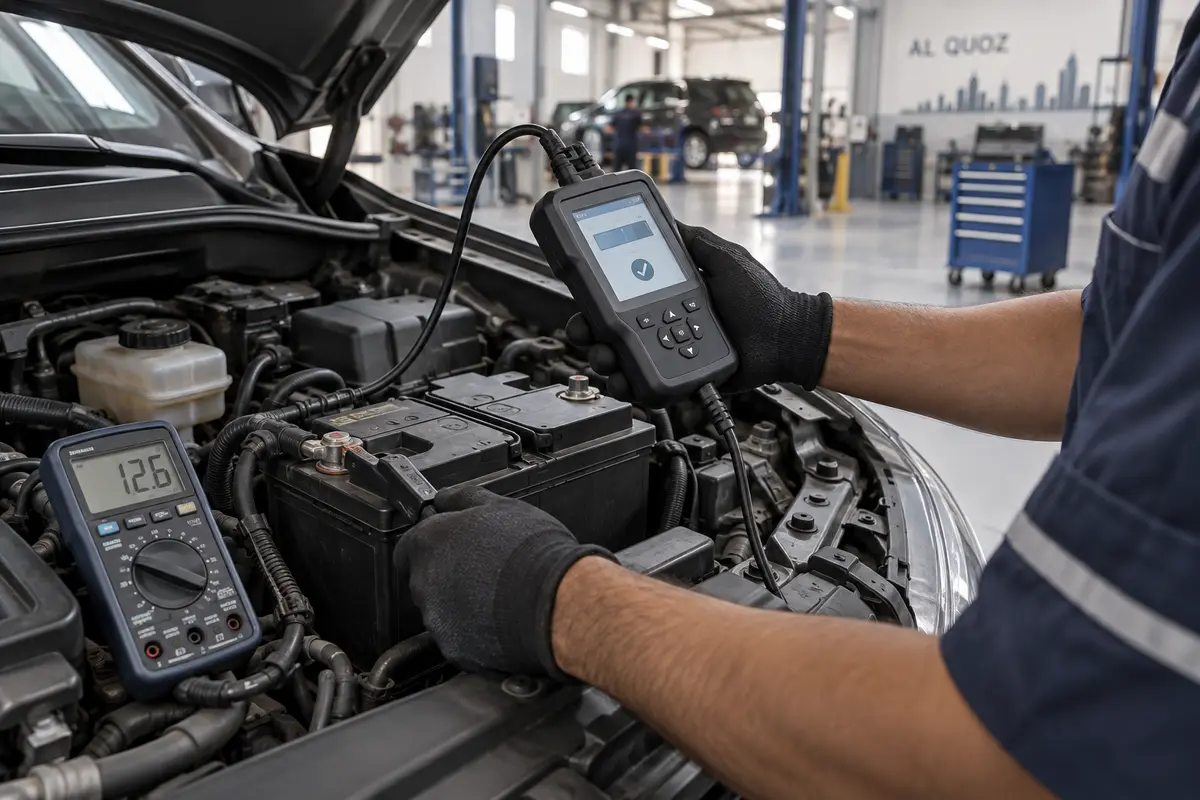
The handover should identify what was repaired, how it was checked and any monitoring instruction. Fleet owners should keep this with the vehicle number and driver report.
Isuzu owner and maintenance references
Match manufacturer information to your engine, source market and fitted equipment. A generic pickup package does not define a commercial truck service.
Direct answers
Isuzu repair questions before booking
Do you assess Isuzu D-Max pickups?
Yes. Start with the D-Max model and problem to arrange the initial inspection. Mention modifications, unusual loads or a vehicle that cannot move safely. Technical details can follow when the assessment requires them.
Can an N-Series or F-Series truck arrive without confirmation?
No. Commercial trucks require prior confirmation of full model code, body, length, height, weight, current load, system condition and required equipment. The workshop may not be able to accept every truck or job.
Does diesel smoke mean the injectors are faulty?
No. Smoke color and operating condition help direct testing, but air, boost, fuel, exhaust systems where fitted, electrical control and mechanical condition can produce different evidence.
Can you diagnose a four-wheel-drive warning?
The concern can be assessed after the drive system, selected mode, surface, tires and warning history are identified. Supply, switches, sensors, actuators, wiring and mechanical parts may all be relevant.
Should I drive an overheating Isuzu to the workshop?
Do not continue with a severe temperature warning, steam, rapid coolant loss or a strong mechanical noise. Share the vehicle type, location and condition so safe transport can be discussed.
What should I send before the appointment?
Start with the model and a short description of the problem. A warning photo helps. For trucks, include body type, dimensions and current load. VIN, mileage, engine hours and repair history can follow when needed.
Book Isuzu Repair in Al Quoz 4
Tell us your Isuzu model and the service or problem. Technical details can follow when needed.
Confirm vehicle access, current load and the job scope before arrival.
Ask about free initial workshop inspection and free pickup and delivery.