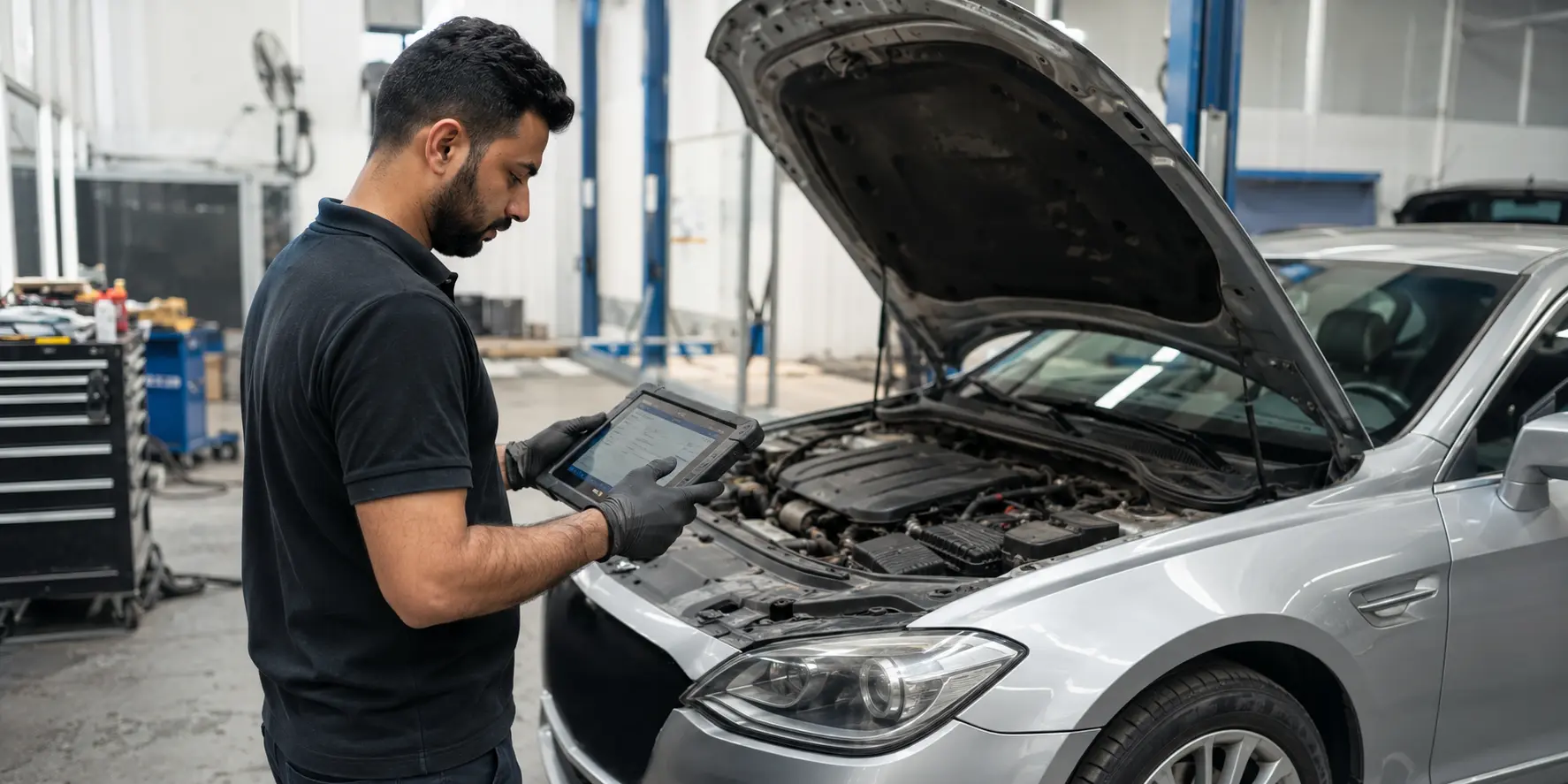
Independent pickup workshop in Dubai

Great Wall repair Dubai

Arrange Great Wall repair in Dubai for a Wingle or POER pickup with starting, engine, cooling, transmission, four-wheel-drive, brake, steering, suspension, AC or electrical concerns. The first inspection is built around the VIN, installed powertrain and how the vehicle is used.

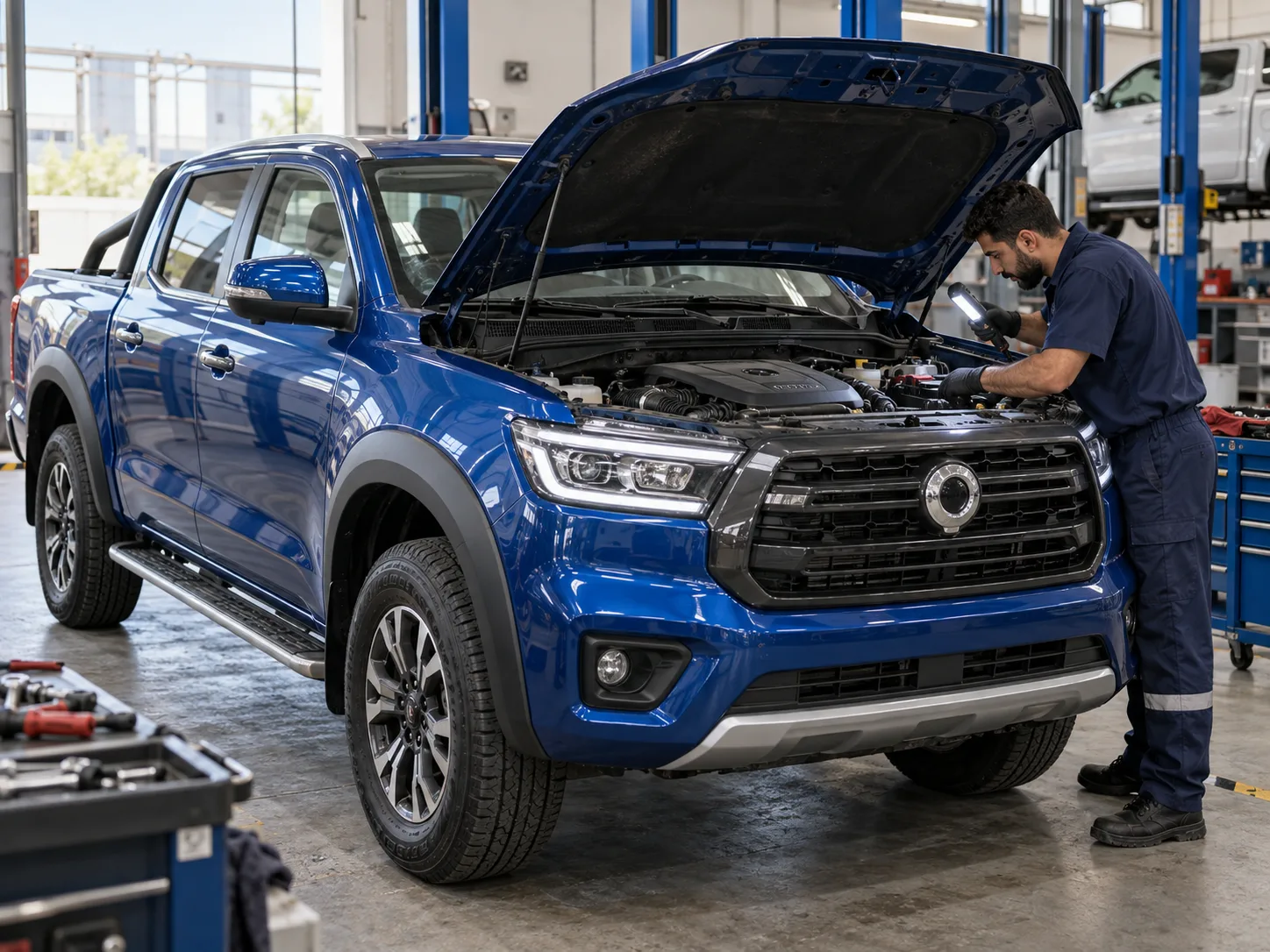
Blue Great Wall vehicle prepared for a repair assessment in Dubai
Model, fuel type, driveline and operating load shape the correct first test.
Identify the pickupVIN, year and source market
State the powertrainPetrol, diesel, gearbox and drive
Describe its workLoad, towing, site or daily use
Keep the evidenceWarnings, videos and invoices

The operating profile matters

Tell us what your Great Wall carries and where the symptom starts

Two visually similar pickups can need different inspection priorities because the installed engine, gearbox, four-wheel-drive system, tyres, accessories and working conditions are not the same.

Make the complaint repeatable

Record whether the pickup was cold or warm, empty or loaded, in two-wheel or four-wheel drive, idling or moving, and whether the AC was running. Include the exact warning text and what happened immediately before it.

If the problem is intermittent, a short video and a note of road speed, gear, engine load and temperature can preserve clues that are absent by the time the vehicle reaches the workshop.

Daily urban use

Short trips, repeated stops and extended idling can change battery state, cooling demand and the conditions in which a hesitation or AC concern appears.

Carrying a load

State the approximate load and whether noise, vibration, temperature or braking behaviour only changes when the bed is loaded.

Site and unpaved use

Report dust exposure, deep sand, water, stones or underbody contact. Do not wash away fresh leak or impact evidence before inspection.

Towing or accessories

Declare tow wiring, extra lighting, trackers, inverters, winches or other installations, with the date the symptom began.

Pickup identity

Wingle and POER badges do not define the complete application

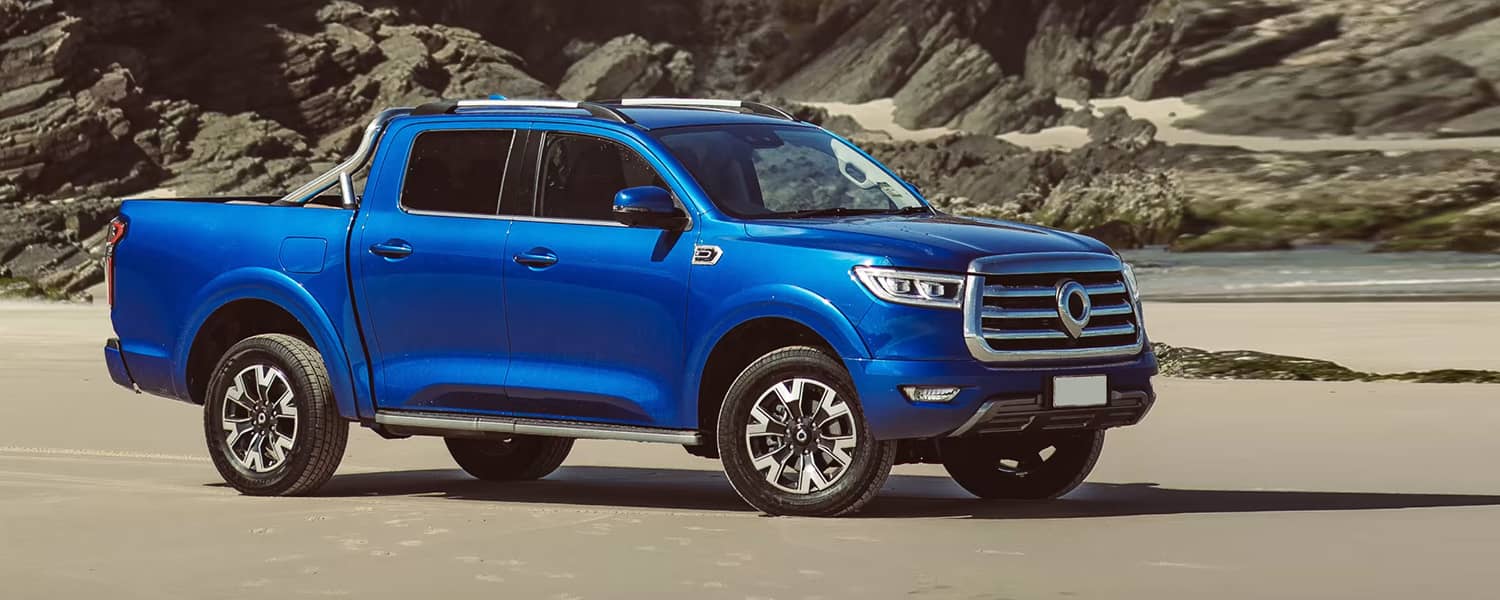
The official UAE range includes Wingle 5, Wingle 7 and POER pickup lines, with different cab, fuel and drive configurations. Earlier vehicles and imports can follow another specification. The VIN and the installed component references remain more useful than a model name alone.

Wingle 5Wingle 7POERPetrolDieselTwo-wheel driveFour-wheel driveSingle or double cab

Send the registration card, VIN, model year, odometer reading and source market. If a part was already replaced, send its invoice and a clear photo of any readable number. This reduces the risk of ordering a component that looks correct but has a different connector, calibration, ratio or mounting detail.

Great Wall Motor is a group name as well as a familiar pickup label. If the vehicle is a Haval SUV rather than a Wingle or POER pickup, the Haval repair page gives the more relevant model and powertrain questions. This distinction keeps the booking focused on the actual badge and vehicle.

Evidence by system

Match the Great Wall complaint to the first useful checks

A trouble code or a noise can narrow the search, but it should be interpreted with the vehicle condition and physical measurements.

Starting and engine response

Slow cranking, no start, rough idle, smoke, hesitation or reduced power can involve electrical supply, air, fuel, ignition, boost, sensors, wiring or mechanical condition. Record the fuel level, cranking sound and whether a jump start changed anything. The engine repair guide explains when pressure, compression, leakage or cooling evidence may be needed before an internal repair is discussed.

Transmission and clutch behaviour

Delayed engagement, harsh selection, flare, slipping, clutch judder or gear noise needs the exact transmission, temperature, load and service history. Fluid condition can be relevant, but a fluid change is not a diagnosis for every shift complaint. A manual clutch concern and an automatic control concern follow different test routes.

Four-wheel drive and driveline

A selection warning, binding, vibration or noise can involve tyres, wheel speed information, switches, actuators, wiring, transfer components, propeller shafts, joints or differentials. State the selected mode and surface. Do not repeatedly force a change of mode when the system is making an unusual mechanical sound.

Temperature and cabin cooling

A rising gauge, coolant loss, fan concern or weak AC should be described separately. Cooling diagnosis can include leakage, pressure, airflow, circulation and control checks. AC diagnosis separates refrigerant condition, compressor command, airflow, temperature control and electrical supply rather than assuming that every weak system only needs gas.

Steering, suspension and tyres

Knocks, wandering, heavy steering, pulling and uneven wear require tyre size and pressure, wheel condition, joints, bushes, dampers, alignment and impact history to be considered together. A loaded pickup can reveal movement that is not obvious when the bed is empty.

Brakes and stability warnings

Pedal change, noise, vibration, pulling and an ABS or stability message are different complaints. Friction wear, hydraulic condition, wheel-speed data, tyres and road-test evidence can point in different directions. State whether the event happens empty, loaded or only after longer driving.
Use changes the diagnosis

A pickup repair decision needs the duty context

The workshop should understand the event that created the complaint, not just the component the driver suspects.

Overheats in traffic

Note ambient conditions, AC use, fan behaviour, coolant evidence and whether temperature falls once road speed increases. That pattern helps separate airflow from other cooling possibilities without proving a part.

Vibrates under load

Record vehicle speed, engine speed, gear, load and whether the vibration is felt through the seat, floor or steering. Tyres, wheels, mounts and driveline parts do not create the same pattern.

Loses power on an incline

Preserve the warning history and note smoke, boost sound, transmission response, temperature and fuel level. Avoid clearing codes before the assessment.

Shows a four-wheel-drive warning

State the surface, selected mode, wheel and tyre sizes, any recent battery work and whether the warning appeared before or after movement. The safe first step is not repeated mode selection under load.

Pulls while braking

Describe pedal feel, road crown, load distribution, tyre condition and whether the symptom is consistent. A brake inspection also considers steering and suspension condition.

Diagnosis before replacement

A Great Wall fault code describes a detected condition

It does not automatically identify the failed component. The next test depends on what the module saw, when it saw it and what else was happening.

The first review may include current and stored faults, freeze-frame information, network communication and relevant live values. Those results are checked against voltage, connections, wiring, fluid condition, temperature, pressure, movement or mechanical measurements. The computer diagnostic process explains why the scan result needs confirmation.

Intermittent symptoms sometimes need a staged visit. The initial inspection can document the complaint, verify electrical supply, inspect visible conditions and attempt a safe reproduction. Further dismantling or monitoring should be proposed only when the first evidence justifies it. This protects the owner from a string of speculative parts.

If another workshop has already scanned the pickup, bring the full report rather than a single code typed into a message. A timestamp, status, freeze-frame and related network faults can change the interpretation. Also state whether the battery was disconnected or the codes were cleared after the event.

Application before ordering

Confirm the Great Wall component against the installed vehicle

Pickup parts can vary with build date, cab, engine, transmission, drive type, market and equipment. The estimate should show how the application was checked.

Vehicle reference

Use the VIN, build information, registration details and source market. A badge search is only a starting point.

Installed reference

Compare the readable part number, connector, mounting, dimensions, ratio or specification where the job allows.

Part category

State whether the proposal is new, remanufactured, used or customer supplied, with the applicable return and warranty terms.

Related materials

List the correct fluids, seals, fasteners, filters and consumables rather than hiding them inside a vague package.

Setup requirements

Confirm whether adaptation, coding, calibration or another specialist operation follows installation.

Verification plan

Define the pressure, function, scan, alignment or road test that checks the original complaint after work.

Availability should be checked before dismantling when the pickup is needed for work. An estimate can separate inspection, parts sourcing, installation and verification so the owner knows which stage is authorised. Non-returnable and special-order items should be identified before approval.

Aftermarket wiring deserves its own note. Tow plugs, work lights, trackers, audio, inverters and chargers can change electrical loads or network behaviour. The electrical repair guide shows how supply, grounds, protection and current draw are checked without automatically blaming the newest accessory.

Service records that help

Build Great Wall maintenance around specification and use

A universal pickup package cannot account for every engine, transmission, drive system, load pattern or source market.

Engine oil and filters

Confirm oil specification, capacity and filter application from the relevant vehicle information. Record mileage and date. A dashboard reminder does not replace the service history.

Fuel and air path

Filter selection depends on the installed engine. Dust, poor response, smoke or hard starting is documented as a complaint instead of being folded into routine replacement without evidence.

Cooling system

Inspect level, condition, leakage evidence, hoses, reservoir, radiator area and fan behaviour. Repeatedly topping up fluid can hide the rate and source of loss.

Transmission and driveline

Identify the gearbox, transfer arrangement and applicable procedure before discussing fluids. Shift or four-wheel-drive symptoms require diagnosis beyond routine service.

Brakes, tyres and chassis

Record friction wear, fluid condition, tyre size, pressure, tread, damage and uneven wear. Load use and underbody contact belong in the inspection history.

Battery and electrical supply

Measure battery condition and charging performance, then consider parking, short trips and added accessories. Record replacement specification and any setup performed.

Clear approval boundaries

Know what is included before the Great Wall repair starts

A useful estimate names the evidence, parts basis, labour scope, exclusions and verification method. It also says what could change after access.

Diagnostic starting scopeInitial inspection, measurements and reproduction attempt, with the limit of that allocation.
Dismantling boundaryWhat must be removed to inspect concealed damage and when a revised approval will be requested.
Parts basisReference, condition, supplier dependency and any non-returnable status.
Related operationsFluids, alignment, programming, calibration or specialist work that is included or excluded.
Vehicle downtimeEstimated inspection and repair stages, subject to findings and confirmed parts availability.
Handover evidenceThe checks performed against the original complaint and any remaining observation.

For internal engine, gearbox or multi-system work, diagnosis and dismantling may be separate approvals. The major repair planning guide explains how staged decisions keep a complex estimate understandable when the full condition is hidden at intake.

Workshop sequence

How a Great Wall repair visit moves from symptom to decision

  1. Step 1

    Send the pickup details

    Provide the VIN, model, year, mileage, fuel type, drive type, use and exact symptom.

  2. Step 2

    Confirm safe arrival

    State whether it starts, steers, brakes, holds fluid and can move without severe warning or noise.

  3. Step 3

    Inspect the relevant system

    The complaint is reproduced where safe and compared with electronic, visual and measured evidence.

  4. Step 4

    Review the findings

    The proposed scope explains the evidence, parts basis, exclusions and any further diagnostic stage.

  5. Step 5

    Authorise the work

    Parts and labour proceed after approval. A concealed finding returns for a new decision.

  6. Step 6

    Verify the complaint

    The handover records the relevant function check and any follow-up observation.

A useful handover record

Compare the repaired Great Wall with the original operating condition

A pickup that only failed while loaded or hot should not be declared repaired merely because it idled without a warning. The verification must be safe, lawful and relevant to the event described at intake.

The job card should identify which codes or measurements changed, which parts and fluids were used, which setup was completed and what test was performed. When the original payload or road condition cannot be reproduced at the workshop, the handover should say so and explain what the owner or fleet should observe on the next normal route.

Keep the invoice with the VIN, mileage and part references. If a warning returns, note whether it appears under the same load, temperature, mode and speed. That comparison is much more useful than beginning a second visit with no connection to the first evidence.

Direct answers

Great Wall repair questions before booking

Do you assess Great Wall Wingle and POER pickups

Bookings can be considered after the VIN, model year, fuel type, transmission, drive configuration and concern are shared. Those details determine the relevant inspection and parts route.

Can a four-wheel-drive warning be diagnosed

Yes, subject to the vehicle and available test scope. The selected mode, tyres, wheel-speed information, electrical supply, switches, actuators, wiring and mechanical condition may all be relevant. One warning does not prove an internal transfer failure.

Do you diagnose diesel smoke or loss of power

The complaint can be assessed. Smoke colour, operating temperature, load, warning history and recent work help choose the initial air, fuel, boost, emissions, electrical and mechanical checks. The exact fitted system is confirmed first.

Can you quote a Great Wall repair from a fault code

A code can help plan the first test, but it rarely proves the full repair. A written estimate follows the necessary confirmation, parts application check and access assessment.

Should I drive an overheating pickup to the workshop

Do not continue driving with a severe temperature warning, rapid coolant loss, steam or a strong mechanical noise. Share the warning and visible condition so a safe transport decision can be made.

What should I send before the appointment

Send the VIN, model, year, mileage, source market, petrol or diesel type, gearbox, drive type, exact warning or symptom, recent work and normal load or towing use.

Prepare the first inspection

Send the Great Wall identity and operating condition

Share the VIN, pickup model, fuel and drive type, mileage, warning history and whether the problem appears empty, loaded, cold, hot or under acceleration.