Free workshop inspection
Describe the problem in your own words. You do not need to identify the failed part.
Independent FAW workshop in Al Quoz 4
Warning lights, weak AC, overheating, or a gearbox that feels different? Book FAW repair and service in Al Quoz 4, Dubai. Start with your model and symptom. We inspect the vehicle free of charge and explain the estimate before paid work begins.
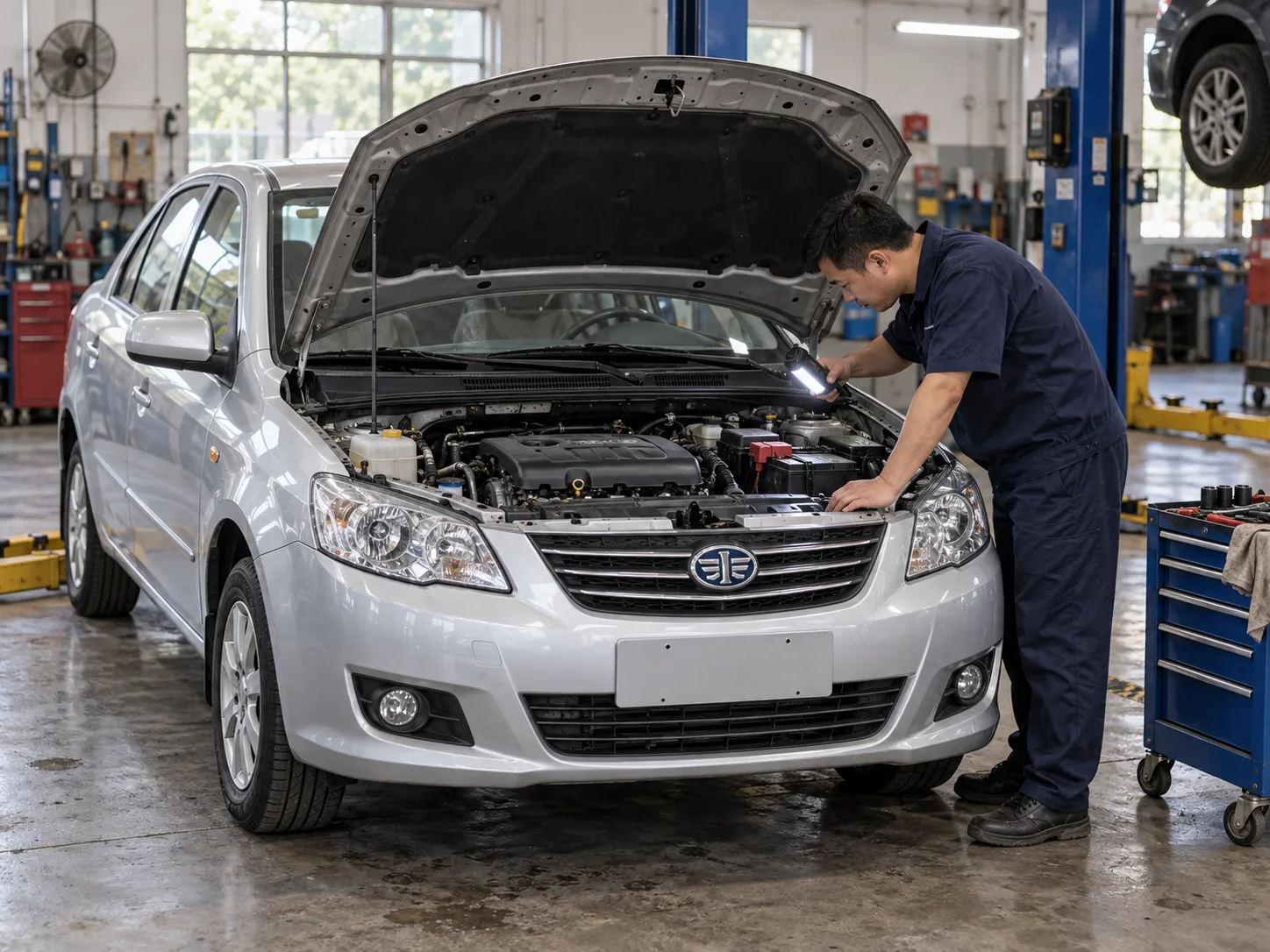
Describe the problem in your own words. You do not need to identify the failed part.
Review parts, labor, relevant supporting work, and the payable total before approval.
Share your Dubai location and vehicle condition to arrange suitable collection.
Start with what the car is doing
You do not need to identify the failed part before booking. Tell us the FAW or Bestune model and the symptom. We begin with the systems most likely to explain that complaint, then confirm the cause before recommending a repair.
A battery warning, engine light, transmission message or no-start condition can come from low voltage, charging faults, sensors, wiring, fuel delivery or control communication. Repeatedly clearing codes can remove useful clues. Send a dashboard photo if convenient and arrange the free inspection.
Misfires, delayed response, rough idle and reduced power may involve ignition parts, air leaks, fuel pressure, cooling problems, exhaust restrictions or stored control faults. We check the symptom under the right conditions before quoting coils, injectors or larger engine work.
Delayed drive engagement, jerking, slipping or a gearbox warning needs fluid-condition checks, a scan and an assessment of when the problem occurs. A software or electrical fault should not be mistaken for a complete transmission failure.
Dubai heat can expose low refrigerant, fan faults, condenser restrictions, pressure-sensor problems or compressor wear. We check vent temperature, system pressure and cooling-fan operation before deciding whether the car needs a service, leak repair or component replacement.
Clunks, vibration, pulling and uneven tire wear may come from bushings, links, mounts, wheel bearings, alignment or damaged wheels. The inspection separates the noise source from related wear so the quote focuses on the parts that need attention.
Stop driving if temperature rises, steam appears or coolant is escaping quickly. A leak can involve hoses, the radiator, thermostat, water pump, reservoir or engine sealing. Continued driving can turn a manageable cooling repair into major engine damage.
Choose the service that matches the symptom
We service FAW and Bestune passenger vehicles for routine maintenance, warning diagnosis and mechanical or electrical repairs. The model name is enough to start. We request the VIN later when it is needed to match a part or confirm a vehicle-specific procedure.
Scan relevant systems, record warning details, review live data and plan any focused electrical or mechanical tests needed to confirm the fault.
Diagnosis and repair for oil leaks, overheating, misfires, timing concerns, poor power, abnormal noise and internal engine damage.
Checks for shifting complaints, fluid leaks, mounts, sensors, wiring, control faults and mechanical wear before repair or replacement is considered.
AC performance testing, leak diagnosis, fan and compressor checks, radiator service, coolant leaks, thermostats and water pumps.
Brake pads, rotors, fluid, control arms, bushings, links, shocks, bearings and alignment-related checks for safe, stable driving.
Oil and filter service, air and cabin filters, spark plugs, fluid checks and mileage-based maintenance using the specification for the exact vehicle.
Plan the likely cost
These nonbinding AED ranges cover common FAW and Bestune jobs. The final price depends on the model, confirmed fault, parts choice, labor, fluids, programming and vehicle condition. Your written quote explains the complete approved scope and VAT treatment before work begins.
| FAW service | Estimated price | Typical scope | Main price variables |
|---|---|---|---|
| Oil and filter service | AED 350 to 650 | Correct-grade engine oil, oil filter and basic service checks | Oil capacity, filter type and additional scheduled items |
| Computer diagnostic assessment | AED 250 to 550 | Relevant system scan, warning review and initial live-data checks | Intermittent faults, electrical testing and road testing |
| Front brake pad replacement | AED 550 to 950 | Front pad set, installation and braking inspection | Model, parts grade, sensor and rotor condition |
| AC diagnosis and service | AED 350 to 750 | Performance checks, pressure review and service where suitable | Leaks, refrigerant type, fan or compressor faults |
| Suspension arm or bushing repair | AED 650 to 1,500 | One confirmed arm or bushing repair with fitting | Axle, component design, parts source and alignment |
| Cooling-system repair | AED 650 to 1,800 | Confirmed hose, thermostat, pump or radiator-related repair | Failed component, coolant, access and overheating damage |
| Transmission diagnostic | AED 450 to 950 | Scan, fluid and operating-condition assessment | Extended testing, fluid service, electrical or internal faults |
| Major engine repair | AED 3,500 to 12,000+ | Confirmed cylinder-head or internal engine repair scope | Damage, machining, parts availability and replacement options |
The initial workshop inspection is free. Advanced diagnostics, dismantling and specialist tests are priced separately when required. Compare quotations by the included work, parts category, warranty terms, and complete payable total.
Send the model and symptom. We will start with the free inspection and explain the next step.
Three useful cost examples
These planning examples show how the repair scope affects the total. They are not claims about completed customer vehicles. Inspection, parts availability and vehicle condition determine the final quote.
Work: Engine warning diagnosis, ignition-coil testing, one coil replacement and verification drive.
Condition: Example assumes one failed coil, accessible parts and no injector or wiring fault.
AED 980 total
Work: Front brake pad replacement, rotor measurement, caliper inspection and road check.
Condition: Example uses a suitable aftermarket pad set and assumes the rotors remain serviceable.
AED 720 total
Work: AC performance diagnosis, leak check, refrigerant service and cooling-fan verification.
Condition: Example assumes no compressor, condenser or evaporator replacement is required.
AED 590 total
A confirmed diagnosis helps separate routine maintenance from a focused repair or major assembly work. Compare the complete scope before deciding.
Use the correct schedule for due oil, filters, and fluids. A warning light or driving complaint needs its own checks and is not automatically resolved by servicing.
A confirmed leak, worn component, or electrical fault may be repaired without replacing the complete system. Check surrounding parts before choosing the scope.
For internal engine or transmission damage, compare specialist rebuilding where available with a suitable replacement. Include labor, fluids, setup, lead time, and written warranty terms.
Rebuilding depends on usable components, machining, and specialist support. A replacement assembly may require companion parts or programming. Confirm feasibility and the total installed price before dismantling or ordering.
Build a part passport
This page covers FAW repair inquiries and earlier or imported passenger vehicles. For dedicated Bestune maintenance and model-specific bookings, use our Bestune repair and service page. A related brand name does not establish parts compatibility.
Parts data can be harder to verify on an older or imported vehicle. The answer is a stronger component record, not a broader guess.
A seller may group Bestune, Besturn and FAW terms to improve product visibility. That does not prove a sensor range, module software, transmission component, filter, lamp or suspension part fits the individual vehicle. The workshop should compare the vehicle record and installed reference with the supplier information. For Hongqi vehicles within the wider FAW Group, use the separate Hongqi repair Dubai route.
Electronic components can add immobilizer, security, coding and software conditions. Ask whether the proposed part is new, remanufactured, used or customer supplied, and whether it can be returned if configuration proves incompatible. Those conditions belong in the estimate before ordering.
Mechanical parts also need application checks. Engine size alone does not settle mounts, cooling, belts, ignition or filters. Transmission description alone does not settle fluid or internal parts. Axle, trim and equipment can change brake and suspension references.
Codes become questions
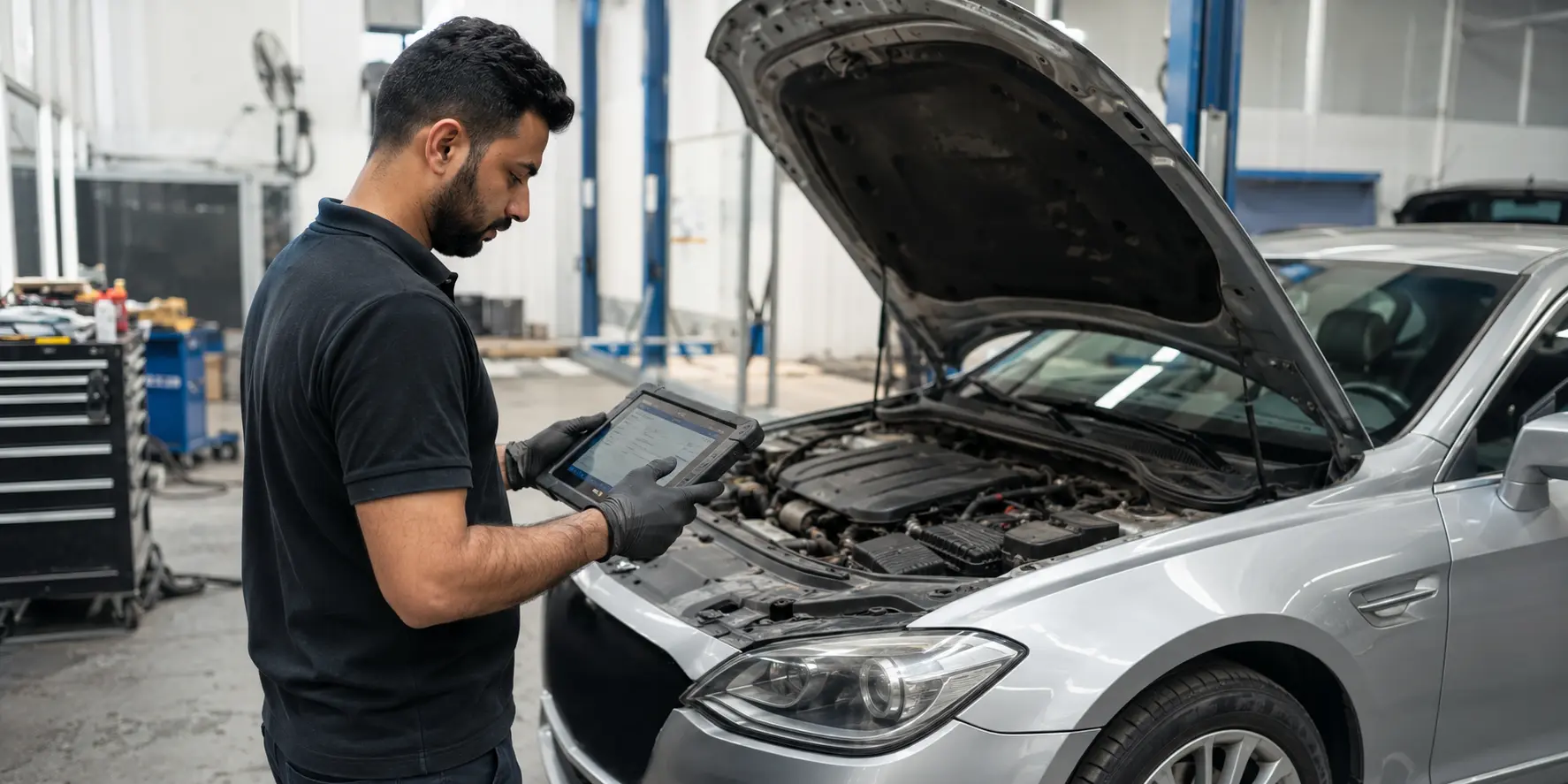
A scan can identify communicating modules, stored events and live values. It still needs correct vehicle selection and confirmation outside the scan tool.
Record active and stored faults, freeze-frame information, dashboard messages and battery condition before clearing. A reset can erase useful timing.
Check supply, grounds, connectors, visible wiring, fluid condition and physical damage. Imported or previously repaired harnesses may not match standard diagrams.
Signal, pressure, temperature, movement, leakage, mechanical condition or another relevant value is tested according to the complaint.
The computer diagnostic guide explains why a code description is not a parts order. If the wrong model profile is chosen, translated descriptions or data labels can also mislead. The VIN and installed system must anchor the session.
Intermittent faults may need observation or circuit isolation. Agree the first diagnostic allocation and how additional time will be authorized. Do not replace several control units because communication returned after a battery reset.
For electrical concerns, tell the workshop about trackers, cameras, amplifiers, chargers, lighting, alarms, refrigerated bodies or other conversions. The car electrical repair page explains how supply, protection, sleep behavior and loads are tested.
Stop or continue
Do not road-test a fault when steering, braking, lubrication, temperature or electrical safety is uncertain. Stop safely and confirm the arrival plan with the workshop.
Stop safely, switch off as appropriate and do not open a hot cooling system. Discuss recovery and photograph the warning when safe.
Stop the engine according to the vehicle information. Continuing to run it can increase damage before diagnosis.
A red warning, sinking pedal, major pull, loss of assistance or poor control requires an arrival plan, not another test drive.
Identify the general location without touching unknown fluid. Do not keep topping up a critical system to reach the workshop.
Knocking, grinding, binding or a change that follows impact should be described and recorded without forcing the vehicle to move.
Stop using the affected circuit, switch off when safe and avoid increasing fuse ratings or bypassing protection.
A traceable maintenance record
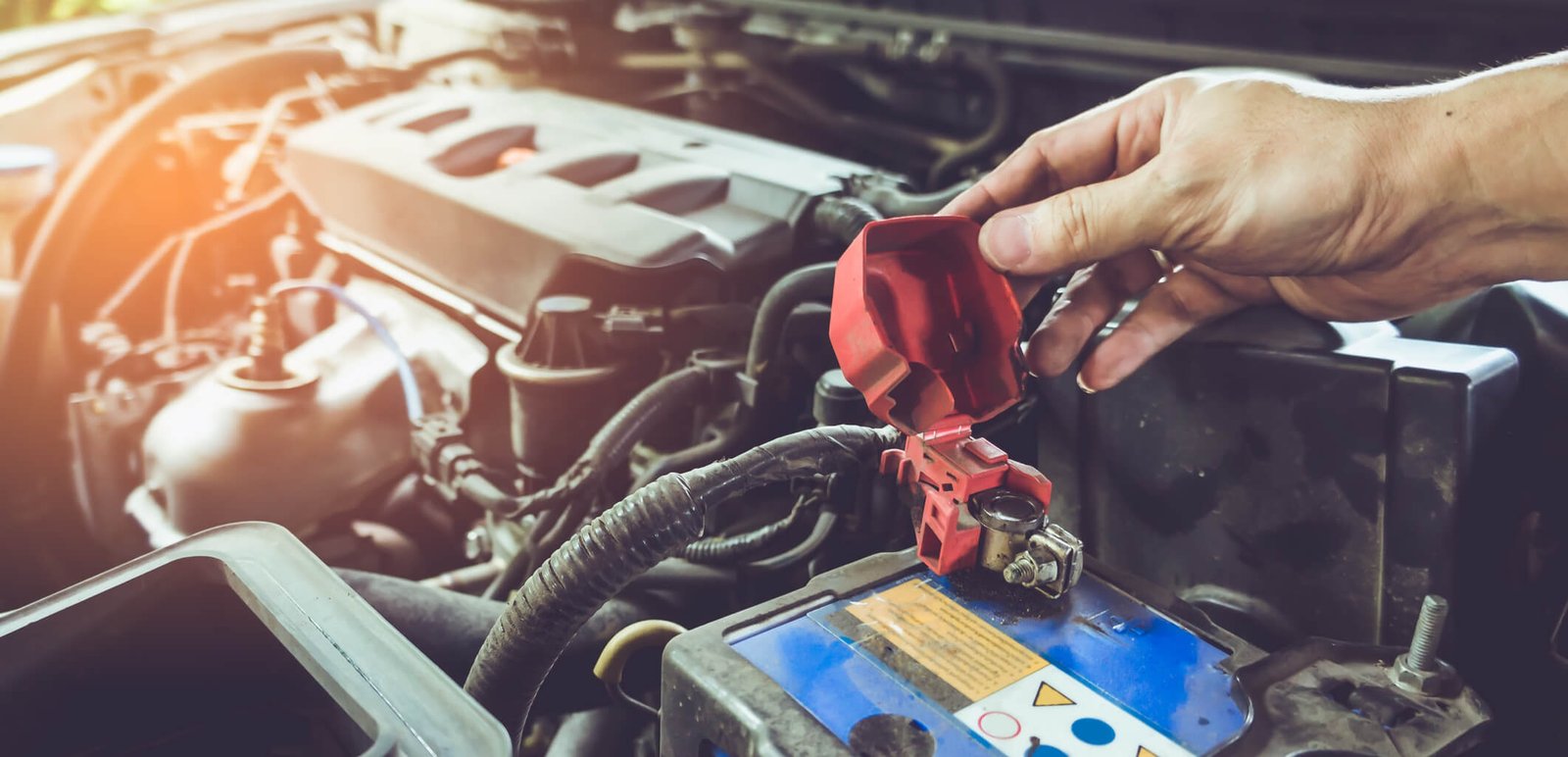
The applicable owner information, powertrain, age, mileage and use determine the maintenance plan. A copied package cannot account for every imported or earlier vehicle.
Record oil specification, quantity, filter reference and date. Include air and fuel-system items only when they apply to the exact engine and schedule.
Inspect level, condition, leakage, hoses, radiator area and fan behavior. A falling level needs a cause, not repeated topping up.
Identify the installed unit before selecting fluid or discussing an interval. A shift complaint remains a diagnostic item even when maintenance is due.
Use measurements and clear observations. Fleet or load use can change wear patterns, but every recommendation still needs vehicle-specific information.
Record battery technology, rating, replacement date, load result and charging performance. Long parking and short trips belong in the interpretation.
Maintain a wiring diagram or installation record for body equipment, trackers, cameras and extra loads. Repairs should preserve circuit protection.
Separate scheduled maintenance from a reported fault on the work order. A service can include observations, but it cannot prove the cause of an intermittent warning or vibration without the appropriate diagnostic time.
Review the confirmed finding, recommended repair, selected parts, labor, and supporting work. Ask whether programming, alignment, fluids, seals, or outside specialist work are included.
Keep the invoice, relevant service specifications, and completed checks. We explain any remaining advisories separately so you know what was repaired and what can be planned later.
Coverage depends on the part and work performed. Confirm the written terms before approval and keep any return-check instructions. An intermittent concern may need monitoring under the conditions that originally triggered it.
Read our workshop standards for how inspection findings and repair approvals are handled.

Vehicle to verified result
Tell us your model and the symptom. VIN or component details can follow if they are needed to match parts.
Provide the event order, condition, dashboard photo, recent work and any driver log.
State whether the vehicle starts, steers, brakes, holds fluid and can be driven safely.
The workshop selects the correct system information and compares scan, physical and measured information.
The estimate identifies references, categories, setup, exclusions and availability before ordering.
The handover records the relevant function, road, scan, pressure or alignment check.
Staged approvals
Rare, imported or high-mileage vehicles can add data, access and parts uncertainty. The estimate should expose that uncertainty instead of hiding it inside a package.
Initial scan and inspection may be enough, or the vehicle may need observation, trim removal, wiring access or mechanical dismantling.
Availability, supersession, shipping, return conditions, used-part history and specialist setup affect time and price.
A scan clear, road test, pressure result, alignment, load test or function check closes the work according to the complaint.
For substantial engine, transmission or multi-system work, approve diagnosis, access, parts and final repair separately. The major repair planning guide provides those decision gates and helps prevent an open-ended dismantling instruction.
Use FAW passenger-vehicle information to check brand and model context. Manufacturer market listings do not confirm the equipment fitted to an imported vehicle. Follow the owner handbook supplied for your model year, engine, and market when planning maintenance.
Carry out only safe owner checks described in that handbook. Leave hot cooling systems, moving components, electrical diagnosis, and work beneath the vehicle to suitably equipped technicians.
Displayed prices are indicative planning figures, not fixed offers. VAT treatment is confirmed separately in the written quotation, which states the complete payable total before approval.
Direct answers
Yes. Bestune is a passenger-vehicle brand owned by FAW Group and was previously known as Besturn. The exact vehicle, generation and market still need identification before repair.
Bookings can be assessed for these Bestune models after the VIN, year, engine, transmission, trim and complaint are provided. Parts and procedures vary by specification.
These vehicles can be considered for independent assessment. Start with the model and your concern. We request powertrain or market details later if needed.
The workshop must first review source market, VIN, installed components, available technical data and parts suitability. Scope can be narrower where information, security access or parts are unavailable.
No. A code records a condition or circuit. Supply, wiring, signal, pressure, temperature and physical condition may need testing before a sensor is ordered.
FAW, Bestune and Besturn terms can be mixed in listings. Physical badge, VIN and component labels help attach the correct information to the vehicle.
A preliminary availability check may be possible with the VIN and installed reference. Final compatibility, access and setup often require inspection.
Discuss recovery for overheating, oil-pressure warnings, serious brake or steering changes, rapid fluid loss, electrical smoke, severe mechanical noise or uncertain safe control.
Start with your model and concern
Looking for a FAW workshop near you in Dubai? Call or WhatsApp our Al Quoz 4 workshop with your model and concern. Arrange a free inspection, free pickup and delivery, or an on-site inspection by arrangement. Any paid diagnosis is explained before approval.