Targeted component repair
AED 650 to 3,500For one confirmed worn bush, link, mount, joint or shock. Related parts on the axle are checked so one visible symptom is not treated as the whole fault.
Chevrolet suspension repair in Al Quoz 4
Fix clunks, uneven ride height, pulling, bouncing and unstable handling after the worn component is identified. We inspect steering, suspension, tires and alignment as one connected system.
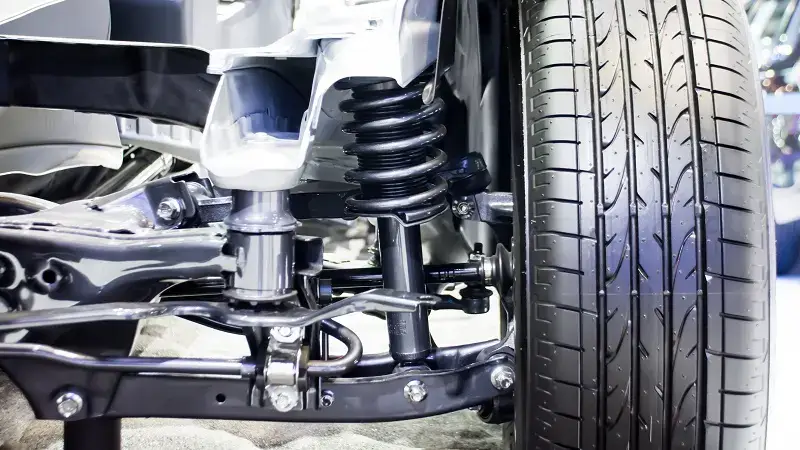
Choose targeted, axle-level or ride-height repair
One worn link needs a different plan from paired struts or an air-suspension fault. Component play, leakage, ride height and tire wear determine whether the repair stays localized or covers the axle.
For one confirmed worn bush, link, mount, joint or shock. Related parts on the axle are checked so one visible symptom is not treated as the whole fault.
For paired shocks, control arms, multiple bushes or related steering parts. Pairing is advised only when condition and performance justify it.
For air suspension, magnetic dampers, compressor faults, multiple worn parts or impact movement. Diagnosis separates leaks, sensors, wiring and mechanical wear.
Suspension quotes should identify the axle position, parts, labor and alignment requirement. Replacing the noisiest item without checking connected joints can leave the Chevrolet unstable or noisy.
Estimated complete costs
Suspension cost depends on the failed component, side, axle, vehicle weight, electronic or air equipment and alignment needs. Inspection is required before the planning ranges become a fitted quote.
| Service | Estimated AED | Typical scope |
|---|---|---|
| Suspension inspection | Free workshop inspection | Ride height, play, leakage and tire assessment |
| Link or bush work | AED 450 to 1,800 | Parts and labor by axle position |
| Control arm replacement | AED 1,200 to 4,500 each | Arm or bush assembly and checks |
| Shock or strut replacement | AED 1,500 to 6,500 per axle | Units, labor and related setup |
| Air suspension repair | AED 1,200 to 12,000+ | Leak, compressor, valve or sensor work |
Independent suspension repair may be substantially below agency pricing when the same arms, bushes, dampers, hardware, labor and alignment operations are included.
The suspension quote lists VAT, parts, labor and alignment separately. Opposite-side work is recommended only when condition, axle balance or the selected part policy supports it.
Suspension layouts across Chevrolet models
Chevrolet suspension layouts vary by platform, drivetrain, wheel package and trim. We confirm the exact chassis and fitted ride-control equipment before selecting parts.
Large body weight, towing and long wheelbases load shocks, arms, bushes and rear-leveling equipment. Stance and axle behavior are checked together.
Pickup suspension varies by drivetrain, bed, load package and modifications. Lift kits and nonstandard wheels change geometry and clearance.
Crossovers and sedans can develop mount noise, arm-bush wear, link or bearing symptoms that sound similar. Inspection separates the systems.
Lifted, lowered, imported, fleet and older Chevrolets can be inspected. Nonstandard wheels, spacers and previous suspension changes are recorded because they affect diagnosis and alignment.
Chevrolet suspension repair cost scenarios
These scenarios compare control-arm work, paired front struts and rear shock replacement. They show how axle position, alignment and component grouping change the final suspension bill.
Typical job estimate
Front lower control arms and links replaced after play was confirmed. Four-wheel alignment followed. Final pricing varies with inspection, specification, parts and related work.
Typical job estimate
Front struts and upper mounts replaced as an axle pair after weak damping and mount noise. Final pricing varies with inspection, specification, parts and related work.
Typical job estimate
Rear shocks replaced and hardware checked after repeated bouncing with an unloaded bed. Final pricing varies with inspection, specification, parts and related work.
When normal driving is unsafe
A wheel that rubs, sits backward or leans suddenly may have a bent arm, joint or steering component.
Severe pulling, wandering or steering that will not return can reduce emergency control.
A low body can damage the tire, wiring or air spring. Restarting the vehicle repeatedly does not repair a leak.
Explain whether the Chevrolet is leaning, rubbing, clunking heavily or has a displaced wheel. We will advise whether pickup or recovery is safer than driving.
Symptoms and inspection
Know what you are approving
The estimate identifies left, right, front or rear and states whether the part is individual or paired. This prevents vague suspension packages.
Tie rods, steering joints, wheel bearings, rims and tires can create related symptoms. Only affected components are added to the approved repair.
Geometry is measured after loose or bent parts are corrected. The quote states whether alignment is included and whether tire wear may limit the final result.
A practical workshop sequence
Only confirmed suspension work proceeds. Tires, wheels, steering parts and alignment corrections are kept separate and added only after evidence and approval.
After the workshop visit
The vehicle should follow the road predictably after mechanical repair and alignment. Road crown and tire condition are considered when judging a remaining pull.
Use the type of bump, turn or braking condition that produced the original sound. A different nearby noise is documented separately.
New edge wear can reveal pressure, alignment or remaining component problems. Measure early instead of waiting until the tire is damaged.
Workshop and collection options
The free workshop inspection uses safe lifting and loaded checks to find movement that cannot be confirmed from a parked photograph. Free pickup and delivery are available. Tell us if the Chevrolet sits low, rubs a tire or feels unstable so collection can be planned correctly. A mobile assessment can observe stance and visible damage, while alignment and mechanical play checks need workshop equipment.
Related Chevrolet chassis services
Open the Chevrolet repair hub for broader steering, brake and maintenance options.
Use tire services when the main concern is tire age, puncture damage or replacement rather than suspension wear.
Choose accident repair if an impact moved a wheel, damaged the subframe or affected several body and mechanical systems.
Questions that change the buying decision
Compare the complete suspension outcome, including hardware, axle balance and final geometry, rather than selecting the cheapest individual component.
Some Chevrolet arms allow separate bushes, while others are supplied as assemblies or have a ball joint integrated into the arm. Labor, press access, arm condition and parts availability determine the useful choice. A low bush-only price is not attractive when the remaining arm or joint is already worn.
A shock is normally separate from the spring, while a strut assembly carries additional suspension and steering loads. Mounts, bearings, bump stops and spring condition can affect the installed scope. The quote identifies the actual assembly instead of using one generic shock price.
Alignment adjusts angles within the movement allowed by sound components. Loose bushes, worn joints, bent arms and damaged wheels can prevent the settings from holding. We correct confirmed mechanical faults first, then measure geometry and steering center so the final adjustment has a useful foundation.
A low corner can be caused by the air spring, line, fitting, valve block, sensor or control command. A weak compressor may be the result of repeated leakage rather than the first fault. Pressure retention and operation are checked before replacing the most visible or expensive component.
Feathering, inside-edge wear, cupping and mismatched tread can reveal different combinations of alignment, damping and pressure problems. Tire wear is supporting evidence, not a complete diagnosis. The tire may also need replacement when structural damage or insufficient tread prevents a safe final road test.
Your suspension estimate names the failed area, chosen parts and required follow-up checks, so unrelated wear cannot silently expand the job.
Direct answers
Links, bushes, joints, mounts, shocks and loose hardware are common causes. Tire, brake and steering faults can sound similar.
Often, but the recommendation depends on both units, axle behavior and specification.
Only when mechanical parts, tires and wheels can hold the setting. Worn or bent parts come first.
Yes. Diagnosis can cover air springs, lines, compressor, valves, relays, sensors and control faults.
Book prompt inspection. Stop driving when steering changes, a wheel moves, the car sits low or control feels unstable.
Yes. Uneven wear and pressure differences help explain alignment or damping problems.
Link or bush work is usually shorter than strut, arm or air-system repair. Timing follows parts and alignment needs.
Free pickup and delivery are available. Tell us if the vehicle sits low or feels unsafe.
Yes. Lift kits, lowering parts and nonstandard wheels are recorded because they affect geometry.
They are estimates. Model, axle, specification, parts and related damage determine the written total.
Book a Chevrolet suspension inspection
Send the Chevrolet model and describe the noise, pulling, bouncing or ride-height problem. We will inspect the loaded components, explain the confirmed repair and state whether alignment is needed.