Keep a serviceable assembly
A leaking housing, damaged connector or worn mounting may be repairable without replacing the larger unit. Ask what has actually failed and how the proposed repair will be checked.
Brilliance service in Al Quoz 4
Is your Brilliance running roughly, losing coolant or making a new noise? You don’t need to know which part has failed. We’ll check the problem and explain whether a focused repair, routine service or a larger job is justified.
Get help with engine, transmission, AC, electrical, brake and suspension concerns, with a written estimate before repairs.
Oil and filter service AED 420 to 750. Brake pads AED 550 to 1,050 per axle. Planning estimates; the quote confirms fitment, inclusions and VAT.
A leaking housing, damaged connector or worn mounting may be repairable without replacing the larger unit. Ask what has actually failed and how the proposed repair will be checked.
For confirmed internal damage, compare the full repair cost with an identified replacement. A rebuild only makes sense when the required components and testing are available.
Braking, steering and overheating concerns take priority. Comfort improvements and unrelated maintenance can be priced separately so you can make an informed spending decision.
Free initial workshop inspection and free pickup and delivery help you get started. Advanced tests are explained and priced before you agree to them.
Use these estimates to compare the work involved. Parts choice, vehicle version and access can change the total. The final quote confirms parts, labor, testing and the VAT-inclusive payable amount. Confirm whether VAT is included when comparing these estimates.
Complaint review, scan and focused initial tests. Intermittent faults and extended wiring investigation can require more time.
Matching engine oil and filter, fitting and basic condition checks. Additional scheduled items are listed separately.
Compatible pad set, installation and brake condition checks. Discs, caliper repairs and hydraulic faults are excluded.
A confirmed external component repair with fitting and testing. Hose, housing, radiator, fan or pump requirements change the total; engine damage is separate.
Testing and the agreed leak, control or component repair. Refrigerant type, access and the failed component affect the quote.
Defined worn components, fitting and checks. Quantity and axle must be stated; a link repair and multiple damper replacement are different jobs.
Engine rebuilding and gearbox overhaul require a separate assessed quotation. It should identify internal damage, machining or outside work, parts, removal and installation, fluids and final tests. A broad price for “transmission repair” would mix very different jobs.
Tell us the model and the concern, or share a written quote you want to compare. We’ll review the work and parts included before discussing alternatives.
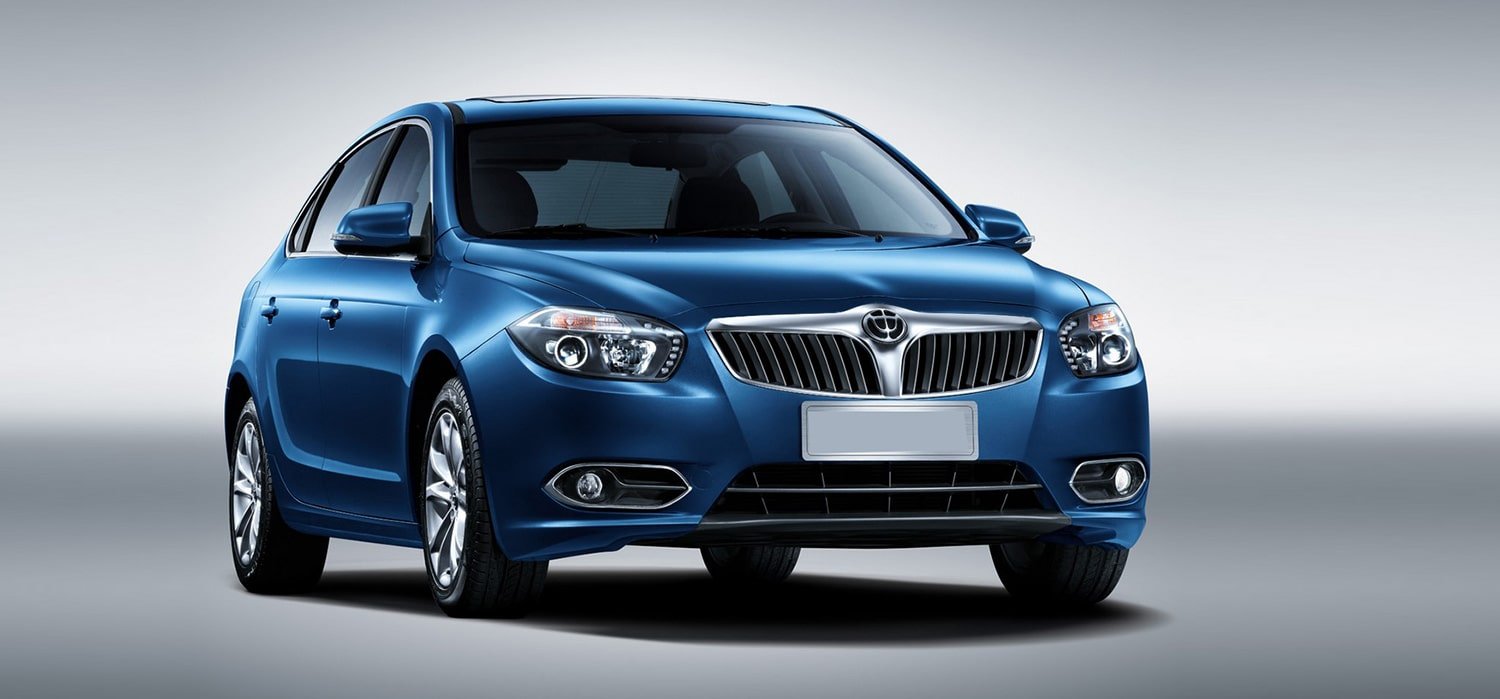
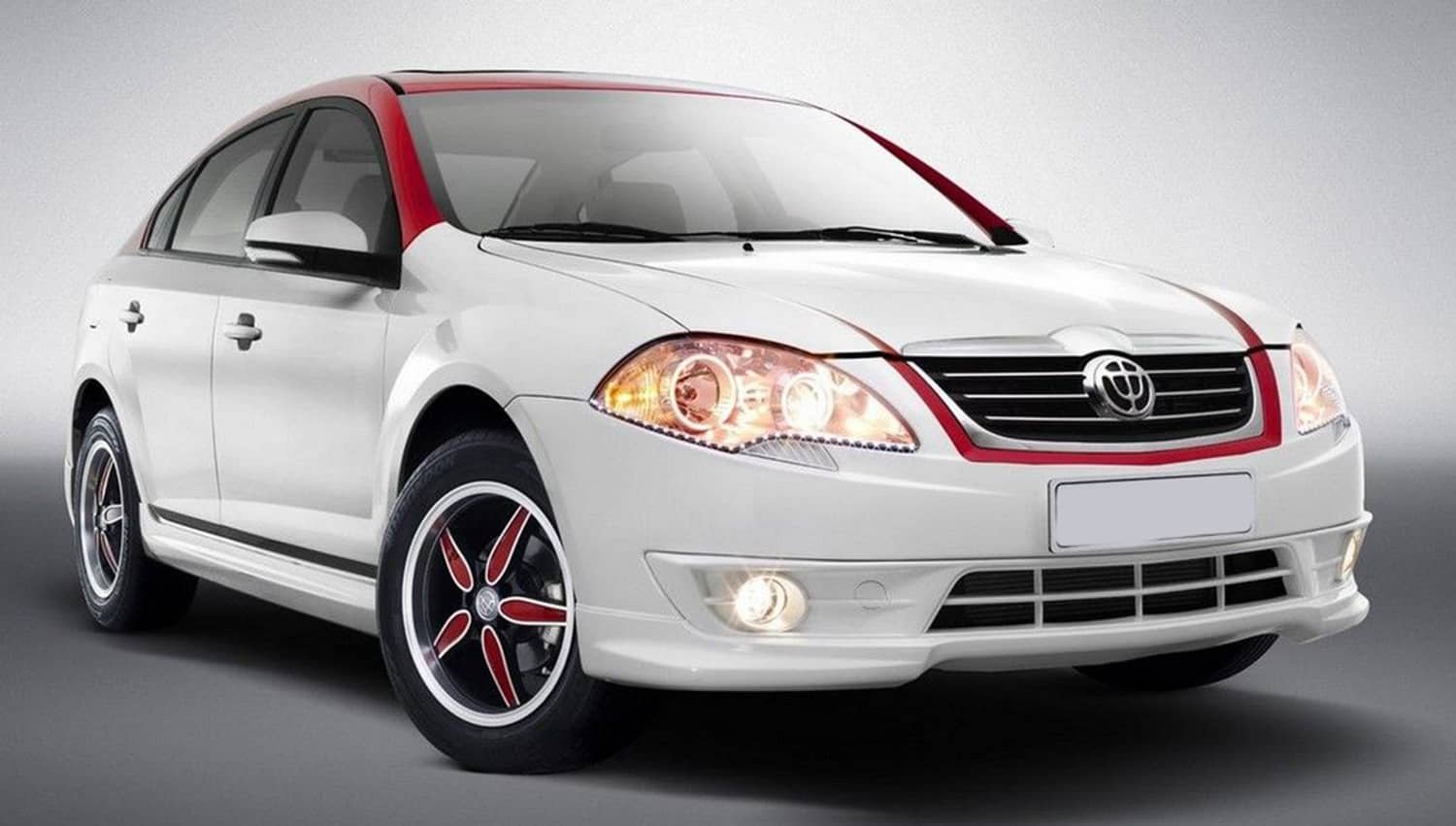
An H330, H530 and V5 should not be treated as one parts application. We record the model, year and installed engine or transmission before choosing fluids or ordering components.
The archived Brilliance H530 manufacturer brochure describes a 1.6-liter version with Mitsubishi technology. That does not establish compatibility with a Mitsubishi part, or the specification of every H530 sold in another market.
For older or imported cars, previous repairs may also matter. A photo of the fitted part number can be more useful than a catalog image when confirming the replacement.
Rough running can involve spark plugs, ignition coils, air leaks, fuel supply or mechanical condition. An ignition coil provides the voltage used to create the spark. Testing should identify the cause before a set of coils is quoted. See our engine repair service.
Check battery condition, charging and electrical connections before assuming several control units have failed. A recurring flat battery may need a drain test, which checks for excessive current while the car is parked.
Record whether it happens cold, hot or after standing. Mounting movement, fluid issues, controls and internal wear need different repairs. Our diagnostic assessment starts with the reported behavior rather than a guessed replacement.
These are different complaints. Low airflow calls for filter, blower and air-distribution checks; warm air with normal airflow needs cooling-performance tests. Adding refrigerant will not correct every AC fault.
Check disc and pad condition, wheel and tire condition, and movement in suspension joints. A road test helps connect the noise to a physical finding. Wheel alignment alone does not repair a worn joint.
A clearly identified aftermarket service part can be worth considering when its specification and supplier are suitable. For a rebuilt or used assembly, ask what was inspected, what testing is included and what the warranty covers.
Brand partnerships and similar-looking housings are not fitment evidence. Match the installed number, mounting, connector and required calibration. Confirm programming access before committing to an electronic replacement.
Local stock is checked when quoting. We don’t promise immediate availability for every Brilliance component.
These are Typical job estimate scenarios, not records of completed repairs. They assume matching parts can be sourced and the described fault is confirmed. Request the final VAT-inclusive total before approval.
Typical job estimate
AED 1,280
A cooling repair for a confirmed external housing leak.
Assumes no overheating damage. Radiator, water pump and internal engine work are excluded.
Typical job estimate
AED 1,050
A front-axle pad replacement when the discs and calipers remain serviceable.
Discs, sensors and hydraulic repairs are not included.
Typical job estimate
AED 780
Electrical diagnosis followed by one confirmed, accessible wiring repair.
Excludes an alternator, control module, hidden harness damage or extensive dismantling.
Stop safely and switch off if the engine overheats or loses oil pressure. Don’t keep restarting it to get to the garage, and never open a hot cooling system.
Fuel leakage, severe smoke, or loss of braking or steering control also calls for help before driving. Call the workshop about suitable recovery. A warning photo is useful only when it is safe to take one.
Start with your model and one clear concern. Mileage, a previous invoice or a warning photo can follow if they help. For routine servicing, the last service record helps avoid repeating work that is not due.
You can visit the Al Quoz 4 workshop or ask about free pickup and delivery. A mobile assessment is available by arrangement; confirm its visit fee and limits separately from the free workshop inspection.
Contact us with the model and the concern. We assess maintenance, mechanical and electrical work, then confirm the parts and diagnostic access needed for that vehicle before agreeing a repair.
An oil and filter service is estimated at AED 420 to 750 for the described scope. Extra filters, plugs, fluids and existing faults are separate. The written quotation confirms the exact work and VAT-inclusive payable total.
Yes. The initial workshop condition review is free. Computer diagnosis is estimated at AED 180 to 420, and extended testing or dismantling is agreed separately.
A photo can help identify the message, but it cannot prove which component has failed. We can discuss the first checks and diagnostic budget before inspecting the car.
Compare the installed total, compatibility, condition and warranty first. An inexpensive used unit may still need fitting, fluids and setup, and uncertain condition can mean paying labor twice.
No. Start with the model and the problem. The VIN, which is the vehicle identification number, is follow-up information when needed for exact parts or specification checks.
We can discuss appointment availability when you contact us. A repair completion date depends on diagnosis, delivery of the correct parts and testing after installation.
No. Auto Repair UAE is an independent workshop in Al Quoz 4, Dubai. We do not claim manufacturer authorization or promise access to every factory software function.
A new noise, a warning or a service reminder is enough to start the conversation. Contact Auto Repair UAE in Al Quoz 4, Dubai, and we’ll help arrange the appropriate first check.
Ask about the free initial inspection and pickup arrangements. For another vehicle, see our Chinese car repair services.