Independent workshop · Al Quoz 4
Range Rover Repair in Dubai
Book Range Rover service and repair at our Al Quoz 4 workshop. We inspect warning lights, air suspension, brakes, cooling, electrical, AC and drivetrain concerns, then explain the repair choices and written estimate before work begins. See indicative costs below or tell us the model and symptom to start.
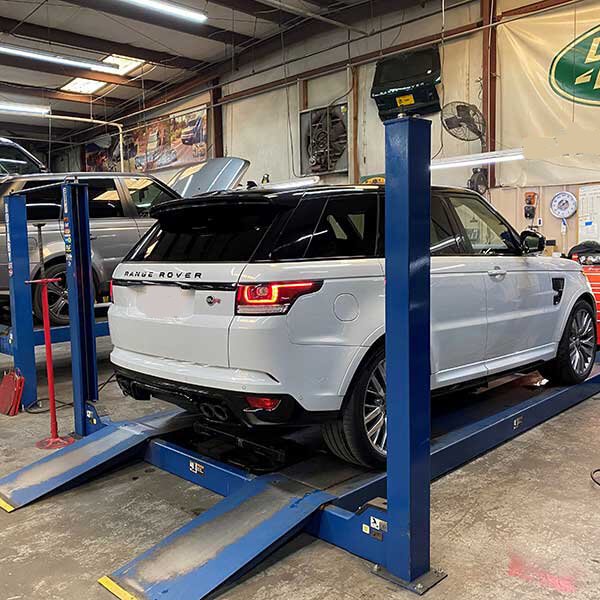
Common concerns
Range Rover problems we inspect
A Range Rover may show several warnings from one low-voltage or communication event, while a mechanical concern may appear only under load, at a certain temperature or at a specific ride height. The first inspection should follow what the vehicle actually does.
Warning messages
Tell us the warning and when it appeared. We compare scan data with battery voltage, wiring and component operation before recommending a part.
Suspension height changes
A low corner, slow lift or frequent compressor operation can call for leak, pressure, sensor and mechanical checks. Stop driving if clearance or control is unsafe.
Cooling or fluid loss
Coolant loss or rising temperature needs leak and cooling checks; a hose, pump, thermostat, fan or engine fault is confirmed by testing. Stop safely if the vehicle overheats.
Gear selection or vibration
Delayed engagement or shudder may need gearbox, driveline, mount, tyre and engine checks. An oil service is not a cure for confirmed internal damage.
Battery or starting issues
Repeated flat batteries or several warnings together call for battery, charging and current-draw checks before replacement.
Braking or steering changes
Pulling, vibration, grinding or a changed pedal needs prompt brake, tyre, steering and suspension inspection. A severe change in braking needs safe transport.
Available work
Range Rover service and repair choices
Choose the work you need, or describe the symptom and let our inspection identify the right starting point. We quote the fitted parts and labor after checking the vehicle.
Engine and cooling
Oil or coolant loss, overheating, smoke, misfire, abnormal noise and reduced power may require leak checks, pressure testing, live data and mechanical inspection.
Transmission and driveline
Delayed engagement, harsh changes, vibration or noise should be mapped to temperature, load, road speed and selected gear. Fluid condition, mounts, shafts, joints and internal operation may need separate checks. Compare service, a targeted repair, rebuild or replacement when the fault is confirmed. See the Land Rover transmission repair choices.
Air suspension and chassis
A low corner, slow lifting, repeated compressor operation or ride-height warning can involve air leaks, valve operation, pressure supply, height sensing or mechanical wear. See the Land Rover suspension repair options for a detailed air-system assessment.
Brakes, steering and tyres
Pulling, vibration, uneven wear, heavy steering and noise should be assessed as a connected chassis concern. Measurements and physical condition matter more than replacing the part named by the first symptom.
Electrical and communication
Multiple warnings, intermittent controls, battery drain and communication faults can share power, ground or network causes. Preserve fault data before clearing codes and record any recent battery, coding, accessory or module work.
Maintenance and baseline checks
For an imported, recently purchased or incompletely documented vehicle, establish present fluid, filter, brake, tyre, battery and stored-data condition. Separate immediate defects from maintenance that can be planned later.
Estimated workshop prices
Range Rover repair prices in Dubai
These market-based estimates support planning. Final prices vary with the model, engine, fitted system, fault, parts, access, related damage, and VAT treatment. The written quote confirms the complete approved scope.
| Service | Estimated price | Included scope |
|---|---|---|
| Computer diagnosis | AED 250 to 650 | Scan, data review, and relevant initial checks |
| Oil and filter service | AED 650 to 1,600 | Correct oil, filter, level check, inspection, and reset where supported |
| Front brake pads | AED 1,200 to 3,200 | Fitting, hardware checks, disc measurement, and final test |
| Air suspension diagnosis | AED 350 to 950 | Height, pressure, leak, compressor, valve, sensor, and supply checks |
| Cooling repair | AED 850 to 5,500+ | Pressure test and the approved hose, pump, thermostat, radiator, or related work |
| Battery replacement | AED 900 to 2,400 | Testing, correct fitment, charging check, and registration when needed |
Equivalent independent workshop work can be 65% to 70% lower than agency pricing when parts and scope are comparable. Diagnosis, labor, parts, fluids, calibration, exclusions, and VAT treatment must be compared together.
Your visit
How inspection and approval work
The initial workshop inspection is free. We explain any paid testing or dismantling before it starts, then give you a written repair estimate to approve.
Capture the complaint
Record the vehicle identity, symptom, warning text, history and operating conditions.
Inspect and test
Connect scan data with physical checks, measurements and visible condition.
Define the scope
Separate confirmed work from optional, preventive or still-provisional items.
Verify the result
Return to the original complaint and document how the result was checked.
Repair choices
Repair, replace or test further
We explain the finding and the choice it supports. A fault code can direct testing, but it does not automatically prove that the named component needs replacement.
| Finding | Possible next step | Your quote explains |
|---|---|---|
| A visible leak or damaged connection is confirmed | Define access, related seals or lines and the condition of surrounding parts. | Confirmed repair scope, required parts and the planned verification method. |
| A code is stored but the symptom is not reproduced | Check the stored conditions, power supply, wiring and live operation before choosing a part. | What has been tested, what remains uncertain and whether further diagnosis is needed. |
| A component works but performance is outside specification | Compare input, output and related system conditions before repair or replacement. | The measurement supporting the recommendation and any connected work required. |
| The vehicle has several age-related concerns | Prioritise safety, active faults and leak or overheating risks before convenience items. | Immediate work, work that can be monitored and maintenance that can be scheduled. |
Model differences
Which Range Rover do you drive?
Range Rover, Sport, Velar and Evoque have different engines, brakes, electrical systems and suspension equipment. Tell us the model and concern first; we request the VIN when a specific part or procedure needs matching. Plug-in hybrid and electric variants need vehicle-specific safety procedures. We confirm which work this independent workshop can accept before high-voltage components are handled.
Range Rover
Air suspension, cooling, electrical and comfort equipment vary by generation, engine and wheelbase. We confirm the fitted system before quoting a component.
Range Rover Sport
Brakes, suspension and wheel equipment vary. A braking vibration and a ride-height warning call for different checks.
Range Rover Velar
Battery condition, warnings, climate controls and intermittent screen concerns need checks that suit the actual equipment.
Range Rover Evoque
Engine and driveline versions differ. We match service parts and fault testing to the vehicle rather than its badge.
After inspection
Choose the right repair and parts
We distinguish a service item from a failed component and explain the parts and labor in the written estimate. A warning or symptom alone does not establish which assembly needs replacing.
Service or targeted repair
Oil, filters, fluids and wear items are quoted for the exact engine and equipment. A confirmed hose, sensor, seal or connection fault may be repaired without buying a larger assembly. Maintenance and active-fault work appear as separate items.
Parts and fitment
Ask for a genuine, original-equipment or suitable alternative part when available. The quote names the selected specification, quantity, fitting labor and related fluids or hardware. We use vehicle identification for exact matching when needed.
Major components and setup
For a gearbox, air strut, compressor or electronic unit, the quote compares the viable repair and replacement routes after testing. New, refurbished or remanufactured choices, calibration, programming, alignment and final checks are specified where applicable.
Workshop inspection
Inspect before approving parts
Lift access, diagnostic power support, leak testing, measurements, and controlled road testing help separate one failed component from related wear.
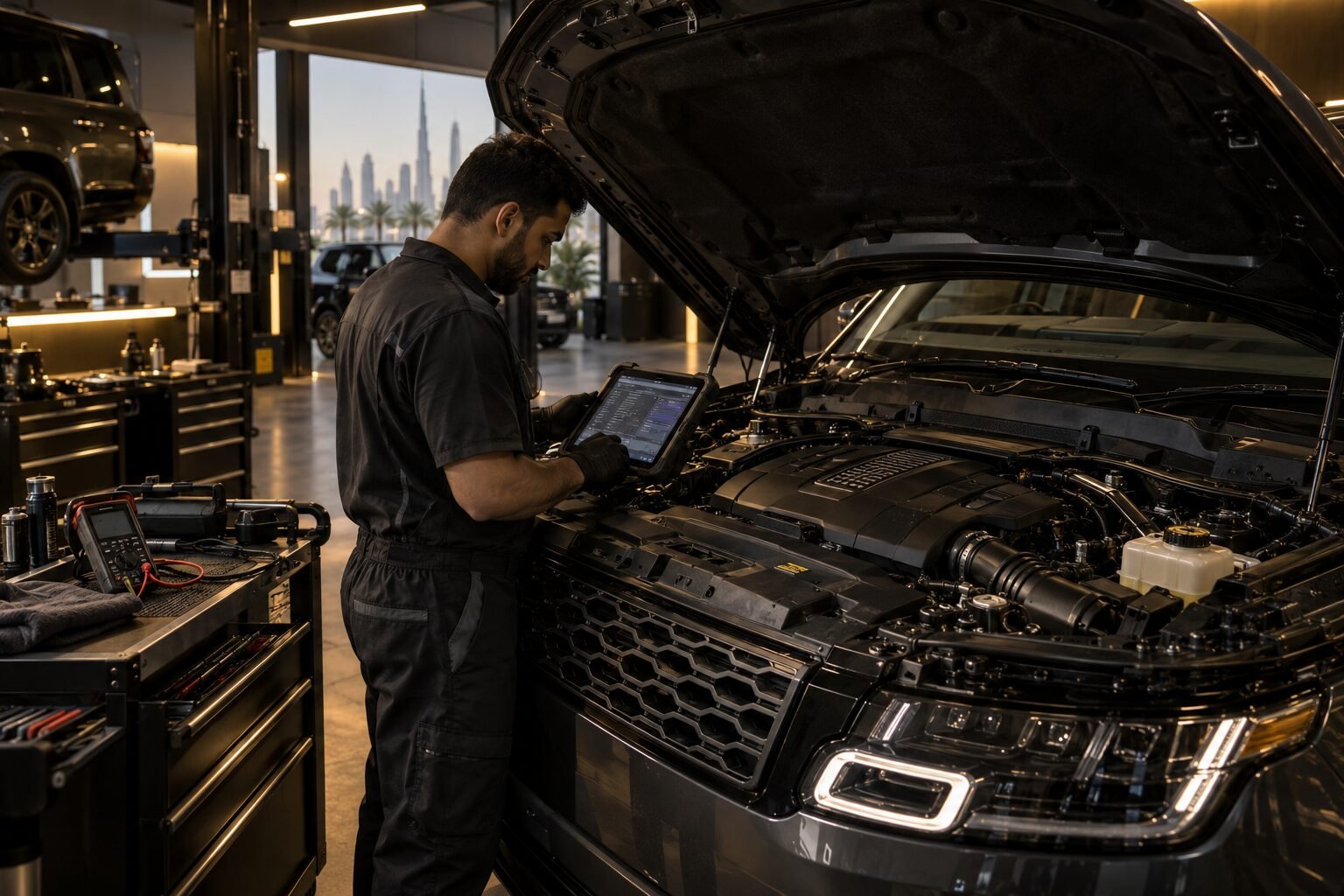
Diagnostic checks
Live data, power supply, physical condition, and the reported symptom are considered together.
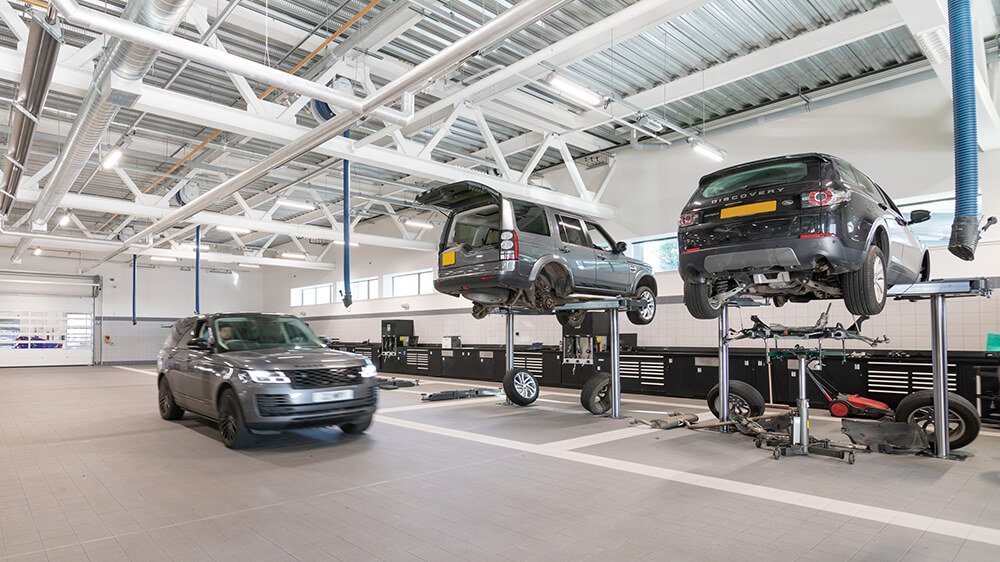
Mechanical access
Leaks, joints, brakes, suspension, driveline, and underbody condition can be checked safely.
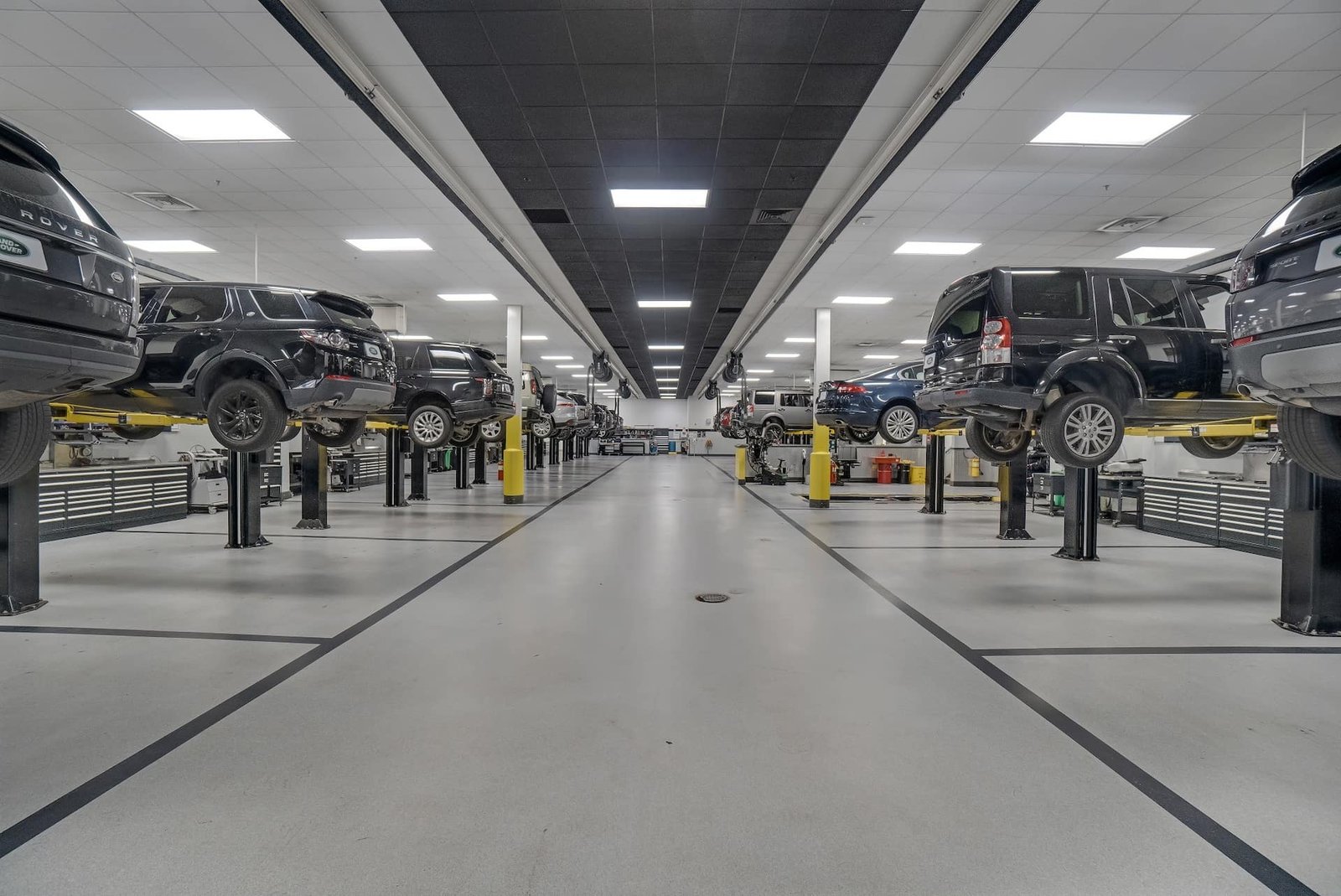
Final verification
The complaint, fluid levels, warnings, fitment, and repair result are reviewed before handover.
Typical job estimates
Range Rover workshop cost scenarios
These estimates apply to the stated work and conditions. Final prices depend on inspection, parts choice, access, and related work found before approval.
Typical job estimate
2018 Range Rover Sport
AGM battery testing, replacement, secure fitting, registration, and final starting check. No cable, alternator, or battery-drain repair included.
AED 1,650 estimated
Typical job estimate
2020 Range Rover Velar
Front brake pads, sensor check, disc measurement, caliper inspection, fitting, and road test. Discs remain serviceable.
AED 1,850 estimated
Typical job estimate
2017 Range Rover Evoque
Cooling pressure test, replacement of one confirmed leaking hose assembly, coolant refill, bleeding, and temperature verification. No overheating damage included.
AED 1,450 estimated
Estimate factors
What changes the repair cost
No reliable major-repair price can be produced from a model name, warning light or photograph alone. The useful estimate begins with a defined inspection and states what remains provisional until access or testing confirms it.
Vehicle identity
VIN, engine, generation, fitted options and market specification affect parts and procedures.
Access and testing
Diagnostic time, dismantling access, leak tracing and controlled road testing can change the scope.
Parts basis
Availability, correct specification, new or approved alternative options and related one-time-use items matter.
Connected damage
Heat, fluid loss, contamination, wear or a previous repair can reveal additional work after inspection.
Owner questions
Range Rover repair questions
Clear information at the start helps the workshop choose the right inspection route and helps you understand the estimate before authorising work.
Can a warning light confirm which part failed?
No. It shows that the vehicle detected a condition. Voltage, communication, wiring, fluid, pressure, temperature and mechanical operation may need testing before the failed component is confirmed.
Should I keep driving with a suspension warning?
That depends on the warning and the vehicle’s behaviour. Stop safely and call if ride height is severely uneven, steering or braking changes, a tyre contacts the body, or the vehicle cannot maintain a safe position.
Can you price a repair from a photograph?
A photograph may show location and visible damage, but not access, hidden breakage, vehicle specification or connected work. An early figure should identify what is provisional and what inspection is required.
Do I need service records for a recently purchased vehicle?
No. The model and concern are enough to start. A purchase inspection or service record can help if you have it; we assess the vehicle’s present condition and separate urgent defects from planned maintenance.
Do Range Rover and Land Rover models use the same parts?
No. Parts and procedures can vary by VIN, production date, engine, gearbox, fitted options and source market. Confirm the exact application before approving a non-returnable component.
What should a diagnostic estimate include?
It should state the complaint being investigated, the initial inspection scope, what has been confirmed, what remains uncertain and how additional work will be authorised.
How should an intermittent fault be reported?
Record when it happens, whether the vehicle is cold or warm, speed, load, weather, warning text and any recent work. A safely recorded short clip can help when the concern cannot be reproduced on demand.
What should I check when collecting the vehicle?
Return to the original complaint. Ask how it was reproduced before repair and how the result was verified. Review the invoice, dashboard and any supplied diagnostic, alignment or battery records.
Book a defined inspection
Book your Range Rover workshop visit
Send the model and a short description of the service or problem. We can arrange a free workshop inspection, free pickup and delivery, or discuss a dedicated on-site assessment. Extra details are requested only when needed for safe diagnosis or parts matching.