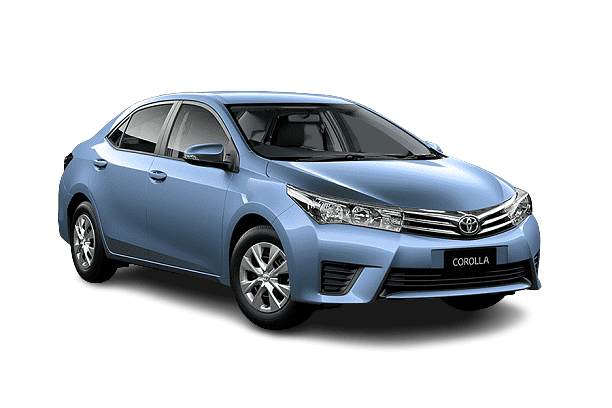
The car with the lowest fuel bill is not always the cheapest car to own. A higher purchase price, larger tyres, insurance, depreciation, finance costs, or poor parts support can erase the saving at the pump. The right choice depends on your annual mileage, ownership period, driving route, and the condition of the exact vehicle.
Compare total ownership cost for three to five years. Add purchase and finance costs, fuel or charging, insurance, tyres, scheduled maintenance, a repair reserve, and expected depreciation. Shortlist only vehicles that meet your space and route needs, then inspect a used vehicle before paying a deposit.
This guide uses current UAE examples as comparison points. Model prices and specifications can change, so confirm the exact trim and written quotation before buying.
01
What makes a car economical in the UAE?
Purchase price
A lower purchase price reduces finance cost and depreciation exposure, but an unusually cheap used car can become expensive if it needs tyres, AC, suspension, battery, engine or transmission work soon after purchase.
Fuel or electricity
Annual kilometres matter more than an isolated economy figure. A driver covering 35,000 km per year can justify paying more for efficiency more easily than someone covering 7,000 km.
Insurance and registration
Premiums vary by vehicle value, driver profile, coverage and insurer. A higher-value hybrid or EV may save energy while still costing more to insure than a simple compact petrol car.
Tyres and wear items
Large wheels and performance tyres can erase part of a fuel saving. Check replacement tyre size, brake cost and whether the car uses an uncommon specification before buying.
Service and repair access
A mainstream model with readily available parts can be cheaper to keep than a technically efficient import with weak local parts or software support.
Depreciation
Resale loss can be the largest ownership cost on a newer car. Compare expected resale demand, warranty and market support rather than focusing only on fuel spend.
02
Current 2026 UAE examples worth comparing
| Model | Current official UAE fact checked | Why it can fit an economy shortlist | What to check before buying |
|---|---|---|---|
| Toyota Raize 2026 | From AED 63,900 for 1.2L; 1.0 turbo also offered | Low current entry price for a small crossover-style vehicle | Compare real fuel use, cabin/cargo needs and insurance against a sedan or hatchback |
| Toyota Yaris 2026 | From AED 64,900; 1.5L CVT | Simple compact-sedan package for daily commuting | Price tyres, insurance and servicing; confirm fuel figure for the exact trim rather than using an old web estimate |
| Toyota Urban Cruiser 2026 | From AED 79,900; official 19.6 km/L for 1.5L | Compact SUV space with a published UAE economy figure | Compare higher purchase price against Raize/Yaris if you do not need the extra SUV packaging |
| Toyota Corolla Hybrid 2026 | From AED 89,900; official 30.3 km/L | Strong manufacturer-published efficiency for drivers with high annual mileage | Calculate how long the fuel saving takes to recover the purchase-price difference versus a petrol alternative |
| Hyundai Accent | Current UAE specification lists 1.6 MPi gasoline, 6-speed automatic | Mainstream compact sedan with conventional drivetrain | Ignore old UAE articles claiming a current diesel; quote the actual local trim and insurance |
| Suzuki Swift | Current UAE model uses a 1.2L petrol engine and is marketed for fuel efficiency | Light compact hatchback that can suit city commuters | Get current dealer price and exact UAE consumption data rather than importing a foreign-market figure |
03
AED per 100 km is easier to understand than km/L
Fuel-economy figures become more useful when converted into money. If a car travels 20 km per litre, it uses about 5 litres per 100 km. Multiply that by the current price of the fuel grade the car requires. If another car returns 15 km/L, it uses about 6.67 litres per 100 km. The difference is 1.67 litres for every 100 km.
Now multiply by your annual mileage. At 30,000 km per year, small differences in consumption can become meaningful. At 6,000 km per year, paying a large premium solely for fuel savings can take much longer to recover. The correct economic choice therefore depends on your kilometres, fuel grade and purchase-price difference.
04
When a hybrid makes financial sense
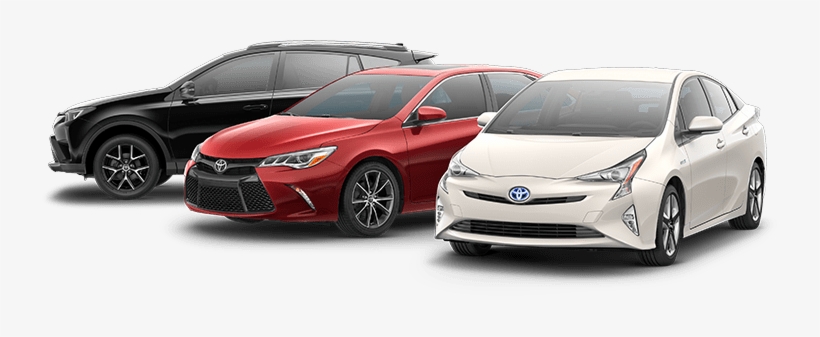
Hybrids recover energy during deceleration and can reduce engine running time in suitable conditions. They are especially attractive to drivers with high annual mileage and plenty of urban or mixed driving. Toyota UAE’s current Corolla Hybrid, for example, publishes a 30.3 km/L fuel-economy figure and starts at AED 89,900.
That does not mean it beats every cheaper petrol car on total cost. Compare the hybrid’s purchase price with a petrol alternative, estimate annual fuel saving, then consider insurance, warranty, resale and how long you expect to keep the vehicle. A buyer who changes cars every two years can reach a different conclusion from someone keeping a car for eight.
A used hybrid should also be inspected as a hybrid. Check fault history, cooling, 12V battery condition and the hybrid system rather than treating it like a petrol car with an extra badge.
05
When the cheapest petrol car is still the economical choice
A conventional compact petrol car can be financially strong because the purchase price is lower and the technology is familiar to many workshops. If you have modest annual mileage, the money saved up front can outweigh the fuel advantage of a more expensive hybrid for years.
Models such as Yaris, Accent, Swift, Dzire and similar mainstream compacts deserve comparison because of packaging, availability and conventional service routes. Do not assume they are identical, though. Compare required fuel grade, tyre size, transmission, service pricing, warranty and resale demand for the exact UAE specification.
06
Small SUVs cost more to move than their price tag suggests
Compact SUVs are popular because of seating height and cargo flexibility, but taller bodies and larger tyres can affect efficiency. A Raize or Urban Cruiser may still be economical for the owner who needs that packaging, while a sedan or hatchback can be cheaper for a commuter who mostly drives alone.
Toyota’s current Urban Cruiser example is useful because its UAE page publishes 19.6 km/L. That gives you a number to put into a running-cost calculation. The Raize starts lower at AED 63,900, so the economic question becomes whether its real-world operating cost and smaller format better suit your needs than paying more for a larger compact SUV.
07
Electric cars require a different cost calculation
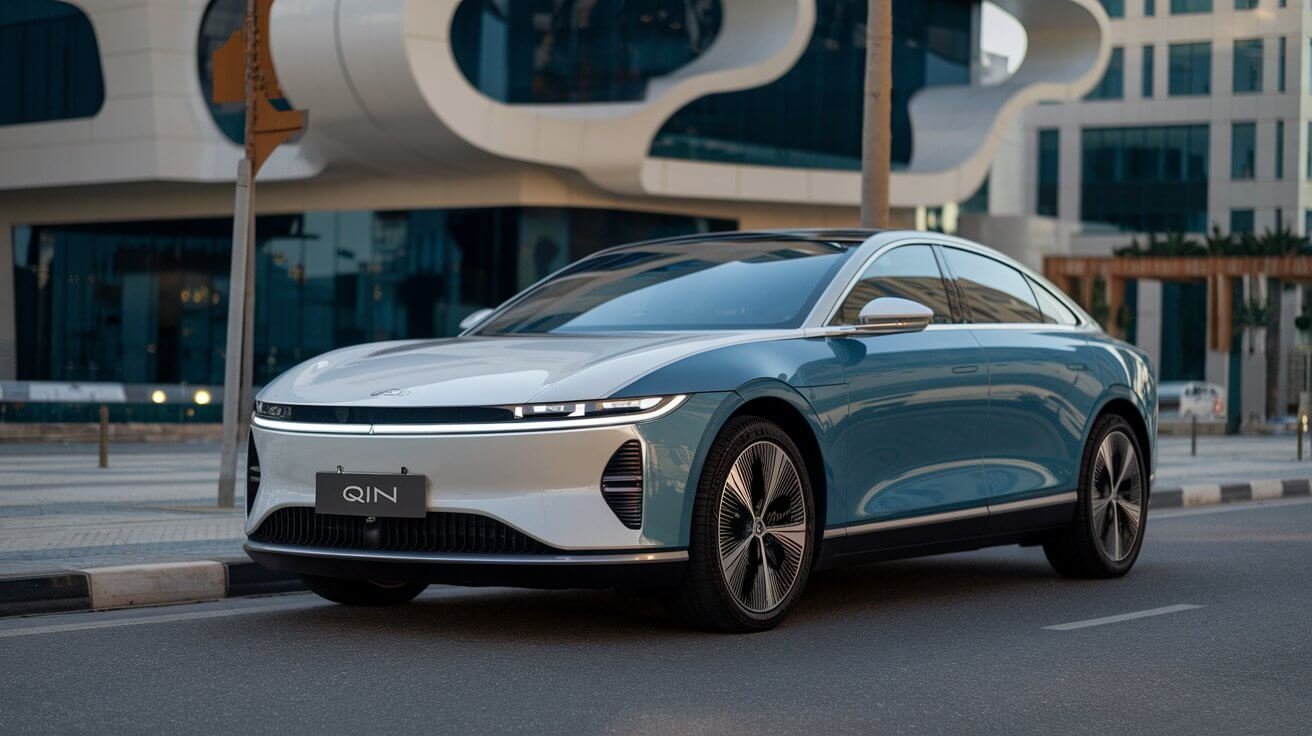
An EV has no petrol bill and has fewer conventional engine service items, but “lower maintenance” does not mean zero maintenance or guaranteed lower total ownership cost. Tyres, suspension, brakes, AC/thermal systems, 12V batteries, body repairs and insurance still matter. Depreciation and traction-battery warranty can dominate the ownership calculation.
Home charging access is one of the biggest variables. A driver who can charge conveniently at home has a different ownership experience from someone dependent on public charging. Apartment access, tariff structure, charger availability, road-trip routes and the vehicle’s charging curve all matter.
Be particularly careful with privately imported EVs sold below local-market prices. Software, charging compatibility, warranty, high-voltage parts and diagnostic access can make a cheap purchase expensive later. Do not count a government “EV incentive” into your calculation unless you have verified that it currently applies to your emirate, vehicle and ownership situation.
08
Used cars can be more economical than new cars, but only after inspection

A used car has already absorbed part of its depreciation, which can make it a strong value. The risk is deferred maintenance. A low asking price loses its advantage quickly if the car needs four tyres, AC work, suspension bushes, brake discs and a transmission repair soon after purchase.
Before buying, use a pre-purchase and computer inspection to assess faults, accident evidence, AC, tyres, brakes, suspension, leaks and drivetrain condition. On hybrids and EVs, add the applicable electrified-system checks.
09
Seven seats can change the economy calculation
A family that genuinely needs three rows should compare economical cars within that need rather than buying a five-seater that cannot do the job. A compact seven-seater may use more fuel than a small sedan but still be more economical than running two cars for family trips. Our refreshed 2026 UAE 7-seater guide focuses on third-row space, luggage and family use rather than old price lists.
If maximum passenger capacity matters, the 8-seater guide gives the next comparison point. The economical choice is the smallest vehicle that safely and comfortably performs the job you actually need.
10
Do not ignore AC cost in the UAE
A weak AC system can turn an otherwise efficient car into an expensive ownership experience. Compressor, condenser, evaporator, fan and refrigerant-circuit repairs vary widely by model. Test the AC after the car has been heat-soaked outside, not only in an air-conditioned showroom or during a cool morning.
On hybrids and EVs, the thermal system can also support battery and power-electronics temperature control, so cooling faults can have wider consequences than cabin comfort alone.
11
Tyre size is an underrated ownership-cost signal
Before choosing the highest trim, price the exact tyre size. Large 19-, 20- or 21-inch tyres can cost much more than smaller common sizes and may be more vulnerable to wheel damage. If two trims use the same powertrain but different wheel packages, the lower trim can be more economical to own even when the official fuel figure is similar.
Correct pressure and alignment also matter. Underinflation and poor wheel alignment increase rolling resistance and tyre wear. A fuel-efficient powertrain cannot compensate for tyres being run in poor condition.
12
Service history is part of economy
Skipping maintenance can make a car look cheap for one year and expensive the next. Follow the manufacturer schedule for the exact model and adjust attention for dust, short trips, heavy traffic, towing or off-road use where the manufacturer defines severe conditions. Our guide to service frequency in UAE conditions explains how to avoid a universal interval that does not fit every vehicle.
For used cars, documented maintenance is often worth paying more for. A slightly higher-priced car with consistent service history, good tyres and a healthy AC system can be cheaper than the lowest-priced example in the listings.
13
A simple ownership-cost worksheet
| Cost | What to enter | Why it matters |
|---|---|---|
| Purchase + finance | Down payment, financed amount, interest/profit and fees | Higher efficiency may not recover a large finance premium |
| Annual energy | Annual km ÷ efficiency × fuel/electricity cost | Turns brochure efficiency into your actual use |
| Insurance | Real quote for your profile and coverage | Can vary sharply between models |
| Tyres | Price all four in the exact factory size | Large wheels can add significant recurring cost |
| Scheduled service | Dealer/workshop plan for expected annual km | High-mileage drivers hit intervals sooner |
| Repair reserve | Age, warranty, known model risks and inspection | A used bargain needs room for wear items |
| Depreciation | Expected resale value after your ownership period | Often larger than the fuel difference |
14
Which type is economical for you?
Low annual mileage
Prioritise purchase price, insurance and depreciation. A simple compact petrol car can beat a more expensive hybrid if you do not drive enough to recover the premium.
High annual mileage
Fuel efficiency becomes more important. Use your kilometres to calculate how quickly a hybrid or very efficient petrol model recovers its higher price.
Family needing SUV space
Compare compact SUVs by real fuel use, tyre size and insurance instead of buying a larger SUV than necessary.
Home-charging access
An EV can be compelling when charging is convenient and local support is strong. Include insurance, depreciation and tyres in the calculation.
15
Depreciation can outweigh years of fuel savings
Fuel is easy to see because you pay for it every week. Depreciation is less visible because it appears when you sell. On a newer car, the difference between purchase price and resale value can be far larger than the difference in petrol spend between two efficient models.
Before paying a premium for a technology or trim, look at the likely used-market audience. Mainstream models with broad parts and service support can be easier to resell. A rare specification may be appealing when new but have a smaller buyer pool later. That does not mean you should always choose the most common car; it means resale belongs in the same worksheet as fuel.
Finance magnifies the point. If a more efficient car costs AED 25,000 more and that difference is financed, the fuel saving must recover both the price premium and financing cost before it becomes the cheaper ownership option.
16
Use three fuel-price scenarios instead of one
Fuel prices change. A better comparison uses a low, middle and high fuel-price scenario. Calculate annual fuel litres for each car from your expected kilometres and realistic economy, then multiply by three possible fuel prices. If the buying decision changes dramatically with a small fuel-price movement, purchase price and depreciation may be more important than the brochure efficiency gap.
Also check the required fuel grade. A car that requires premium fuel can cost more per kilometre than the km/L figure alone suggests. Use the grade specified by the manufacturer; do not save money by routinely using an octane rating below the vehicle requirement.
17
City commuting and highway driving reward different cars
Hybrid systems can perform especially well in stop-start urban use because they recover energy and can reduce engine running at low speeds. Long steady highway journeys reduce some of that advantage, although an efficient hybrid can still perform well. A small naturally aspirated petrol car may also return strong highway economy without the higher hybrid purchase price.
For a Dubai-Abu Dhabi commuter, seat comfort, tyre noise, adaptive cruise availability and highway stability deserve more weight than they would for a driver doing short neighbourhood trips. The most economical car is still a poor choice if the owner replaces it quickly because it is uncomfortable for the route.
18
Delivery, ride-hailing and business mileage require a separate calculation
High-utilisation vehicles accumulate service intervals, tyres and depreciation much faster than private cars. For business use, downtime becomes a cost too. A model with slightly higher fuel use but excellent parts availability and quick service turnaround can outperform a technically more efficient vehicle that spends days waiting for parts.
If the vehicle is used commercially, confirm insurance, licensing and warranty conditions for that use. Manufacturer warranty terms and service plans can differ from normal private ownership. Do not assume a private-car cost model applies unchanged to fleet or ride-hailing work.
19
AC efficiency and cooling-system health affect real fuel use
Air conditioning is not optional for much of the UAE year. A petrol engine may use more fuel when the AC system is working hard, while hybrids and EVs also consume energy for cabin and battery thermal management. Comparing cars with AC switched off in ideal test conditions does not tell you exactly what your summer commute will cost.
When buying used, poor AC can also create an immediate repair bill. A weak compressor, condenser problem, refrigerant leak, cooling fan fault or blocked cabin filter should be diagnosed rather than accepted as “normal in Dubai heat.”
20
Wheel alignment and tyre pressure are economy maintenance
A fuel-efficient car with poor alignment or underinflated tyres wastes energy and tyres simultaneously. Use the manufacturer pressure label, inspect tyres for uneven wear and align the vehicle when symptoms or suspension work justify it. Do not inflate beyond specification simply to chase lower rolling resistance.
Tyre choice matters too. Different products balance rolling resistance, wet braking, heat performance, noise, durability and cost. The cheapest tyre per unit can be poor value if it wears quickly or compromises braking. Economy should never mean reducing safety margin.
21
Extended warranties and service plans need arithmetic
A prepaid service plan can make ownership cost more predictable, but compare exactly what it covers and at which mileage intervals. An extended warranty can reduce risk on complex vehicles, but exclusions, claim limits and required servicing matter. Neither product is automatically a saving.
For a straightforward compact car with inexpensive routine parts, keeping a repair reserve may make more sense than buying every add-on. For a complex hybrid, EV or premium model, predictable coverage can be more valuable. Read the written terms rather than valuing a package only by its headline price.
22
Economy does not mean choosing the smallest possible car
A car that is too small for your work or family use can create extra trips, rental costs or an early replacement. A slightly larger hatchback or compact SUV can be more economical over the full ownership period if it prevents you from changing vehicles when your needs grow.
Define the non-negotiables first: number of passengers, luggage, child seats, commute distance, parking, off-road use and home charging. Then compare total cost within vehicles that meet those requirements. This avoids “saving” money on a car that cannot do the job.
Workshop support in Al Quoz 4
Inspect the vehicle before you decide
Use the ownership guide to shortlist the car, then confirm its actual condition with a pre-purchase inspection.
Clear answers
Frequently asked questions
What is the cheapest current Toyota example in the UAE in 2026?
Toyota UAE currently lists the Raize from AED 63,900, followed closely by the Yaris from AED 64,900. Transaction prices and promotions can change, so confirm the current quote.
Which current car has a strong official fuel-economy figure?
Toyota UAE currently publishes 30.3 km/L for the 2026 Corolla Hybrid. Whether it is the most economical car for you still depends on purchase price, annual mileage, insurance and resale.
Does the UAE Hyundai Accent have a diesel engine?
The current Hyundai UAE specification reviewed for this guide lists a 1.6 MPi gasoline engine and 6-speed automatic.
Is an EV always cheaper to own in the UAE?
No. Energy cost may be lower, especially with convenient home charging, but purchase price, insurance, tyres, depreciation, charging access, warranty and repair support also matter.
Should I buy the car with the highest km/L?
Not automatically. Calculate total cost for your annual mileage and ownership period. A cheaper car with slightly worse fuel economy can cost less overall if the purchase-price and depreciation difference is large.