Engine and drivability diagnosis
Rough running, misfire, hard starting, smoke, abnormal noise and loss of power are investigated from the actual symptom and operating data where available. On a low-production V8 hypercar, ignition, fuel, air, boost, cooling and mechanical condition need to be separated before expensive parts are ordered.
Supercharger and turbo system faults
The ST1 combines a supercharger and turbocharger, while TS-series cars use twin centrifugal superchargers. A generic “turbo repair” package is therefore misleading. We identify the exact induction system and inspect boost behavior, belts or drives where applicable, hoses, leaks, controls and related engine data before deciding what needs repair.
Cooling and heat management
High-output engines create substantial thermal load, and Dubai ambient temperatures make marginal cooling easier to expose. We inspect coolant condition, leaks, fans, radiators, hoses, heat shielding and temperature behavior before assuming the engine itself is damaged. Any overheating event is treated as evidence that needs a cause and a consequence check.
Gearbox and clutch behavior
Shift delay, harsh engagement, clutch slip, hydraulic concerns and gearbox warnings need the exact transmission and control strategy identified first. A road-legal TSR-S and a track-focused TSR should not be treated as ordinary automatic-transmission vehicles. Fluid and component work follows the actual specification.
Electrical and control faults
Battery condition, grounds, connectors, network communication and control-unit faults can create symptoms that appear mechanical. We record when the fault occurs, check supply voltage and use compatible diagnostic information where available before replacing modules. Manufacturer-controlled programming is only offered if the needed access can be confirmed.
Fuel and ignition systems
Misfire or poor performance can involve ignition, injectors, fuel pressure, air leaks, boost control or mechanical condition. We do not replace complete fuel or ignition systems because a code names a cylinder. Testing is chosen to prove the failed part or subsystem and to identify whether another fault caused it.
Brakes, tires and wheel-end condition
Brake vibration, pull, abnormal pedal feel and wheel vibration are assessed across friction components, calipers, tires, wheels and bearings. Hypercar tire specification, age and heat history matter, so the installed tire and wheel package is recorded before a chassis conclusion is made.
Suspension and alignment
Aero-sensitive, high-performance cars react strongly to ride-height, tire and alignment changes. We inspect suspension joints, dampers, ride-height evidence, wheel condition and tire wear before an alignment is attempted. If setup data or specialist equipment is required, that requirement is confirmed before promising the final geometry.
Aerodynamic and body components
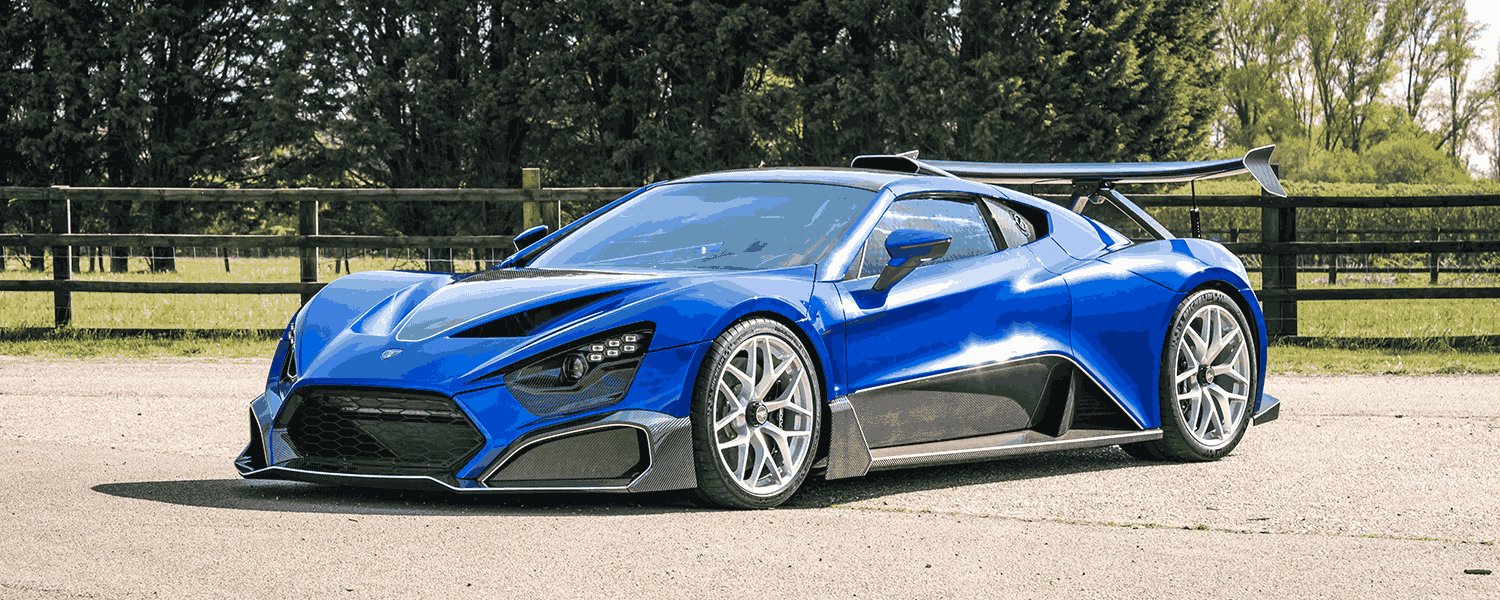
TSR-S and other Zenvo models use specialised aerodynamic hardware and low-volume body components. Damage, looseness or warning messages around active or fixed aero should be inspected without forcing mechanisms. Replacement, repair and calibration requirements are identified before panels or control components are removed.
Air-conditioning and cabin systems
Weak cooling is tested through vent temperature, airflow, compressor operation, refrigerant-circuit evidence and electrical control. Adding refrigerant without leak evidence or pressure diagnosis can hide the real fault. Rare hose and condenser packaging should be checked before a common replacement part is assumed to fit.
Body, glass and cosmetic repair
Carbon-composite and low-production exterior parts need a careful repair-versus-replacement decision. Before a panel, lamp, glass piece or trim part is removed, availability and fastener strategy are considered. The goal is to preserve original components where appropriate and avoid creating a parts problem during an unrelated repair.
Pre-purchase and condition inspection
A used Zenvo deserves documentation review alongside mechanical inspection. We look for warning history, cooling, boost behavior, gearbox operation, brakes, tires, suspension, leaks, electrical functions, accident evidence and prior repair quality. On a rare car, provenance and the technical quality of previous work can materially affect future serviceability.