Temperature or fluid concern
Do not continue if overheating, pressure loss or visible leakage is suspected.
Gumpert repair, service and diagnostics
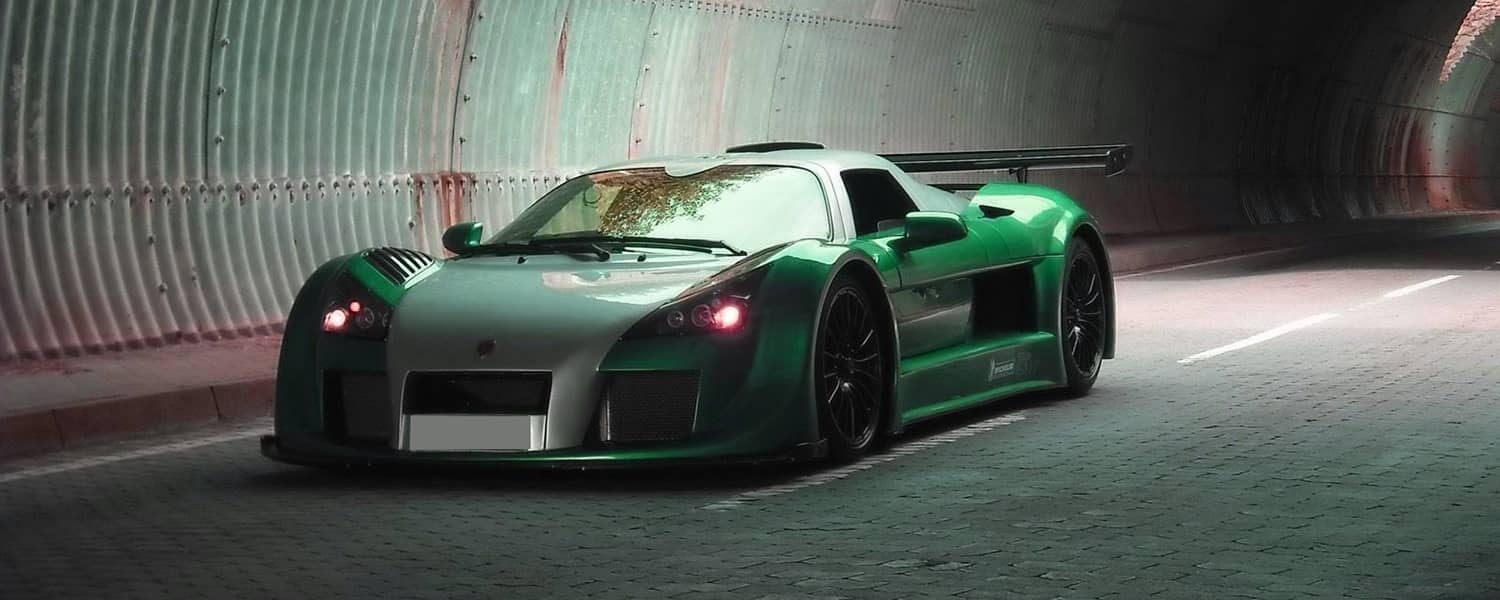
Get Gumpert repair, maintenance and diagnostics in Al Quoz 4, Dubai. Tell us the model and service or symptom to book a free inspection, request free pickup and delivery, or arrange a dedicated on-site inspection.
01
Tell us what is happening
Tell us about the warning, noise, leak, vibration or handling change. The model and a short description are enough to book. If braking, steering, wheel condition or fluid loss is unsafe, stop driving and request pickup.
Do not continue if overheating, pressure loss or visible leakage is suspected.
Send the complete warning and explain whether power or idle changed.
Record gear, speed, load and whether the noise changes on overrun.
Describe pedal feel, pulling, vibration and recent road or track use.
Confirm approach angle, wheel condition and whether the car rolls and steers.
Share storage duration, fuel age and battery-maintenance history.
02
Gumpert repair services
Choose a service below or book a free inspection if the cause is unclear. We will identify the affected system and explain suitable repair choices.
Gumpert warning lights, scan data, measurements and physical checks.
How diagnostic testing worksMaintenance based on mileage, history and vehicle requirements.
Routine service informationCooling, leaks, smoke, noise and performance concerns.
Engine repair informationShift quality, fluid condition, noises and warning messages.
Transmission repair informationPads, discs, fluid, pedal feel and braking performance.
Ride, handling, shocks, bushes and uneven stance.
Play, stiffness, noise, pulling and steering-fluid concerns.
Weak cooling, airflow, odor and system faults.
Inspection, value and convenience
Use these estimated ranges to plan common Gumpert inspection and maintenance work. Your written quote confirms the parts, labor, fluids, specialist work and VAT treatment for your vehicle.
| Service | Estimated price | Typical inclusions |
|---|---|---|
| Advanced diagnostics after the free inspection | AED 450 to 1,200 | Agreed scan-data review, targeted measurements and diagnostic labor after the free visual assessment. Extended dismantling or specialist testing is separate. |
| Oil and filter service | AED 1,100 to 3,250+ | Specified oil, filters, normal consumables, labor and service checks. Oil quantity, access and fitted components affect the total. |
| Brake inspection and service | AED 750 to 1,800 | Condition measurements, fluid and hardware checks, cleaning and labor. Replacement discs, pads, calipers or specialist parts are additional. |
| Battery and charging service | AED 900 to 2,200 | Battery testing, charging-system checks and compatible battery installation when required. Battery type and access affect the price. |
| AC performance diagnosis | AED 350 to 850 | Temperature, pressure, leak and control checks. Refrigerant, replacement parts and extended leak repair are quoted separately. |
These prices are estimates and may vary according to the service required or the issue found. The final written quotation depends on inspection, the exact build, access, fault severity, parts sourcing, labor, specialist work, additional work and VAT. The free initial inspection is AED 0. Engine, gearbox, carbon-body, bespoke-component and fabrication work require individual pricing and may exceed this range. Review each paid stage and written inclusion before approval.
A free inspection provides an initial assessment of the reported concern. Chassis information, installed components and recent use help define suitable checks. More involved testing, disassembly or specialist work is explained and priced before it begins.
Our service van is available for remote car checkups at your location. This gives you another way to discuss the vehicle’s condition before arranging movement. The scope and any on-site inspection fee are explained before dispatch. Photos of access or clearance may help if collection is difficult.
Free pickup and delivery are available. Tell us if the car has low clearance, locked wheels, a non-running condition, or a steering or brake concern so we can plan safe collection.
The written estimate separates the repair, any outside specialist work, parts supply and final checks. Availability and timing are confirmed before dismantling. You approve any additional cost before it is added.
Typical repair costs
These are typical job estimates, not confirmed workshop records or fixed quotations. The exact model, parts condition, access and specialist requirements can change the total.
Typical job estimate
AED 2,850 estimated total
Assumed concern: annual service due. Estimated specified oil and filter AED 1,600; access, service labor, fluid checks and battery test AED 1,250. Additional filters, leaks or age-related items would be quoted separately after inspection.
Typical job estimate
AED 4,200 estimated total
Assumed concern: coolant seepage traced to a serviceable hose connection. Estimated diagnosis AED 700; hose, clamps and coolant AED 1,100; access, replacement, bleeding and temperature checks AED 2,400. Custom hoses, pumps, radiators or major dismantling would change the final price.
Typical job estimate
AED 1,750 estimated total
Assumed concern: weak starting with a failed battery confirmed. Estimated compatible battery AED 1,100; installation, charging test and electrical checks AED 650. Specialist battery specifications, access work or a separate current-drain diagnosis would be additional.
Your free inspection identifies the suitable repair choice. We confirm parts availability, labor, VAT treatment and expected timing in writing before work begins.
A rare component should be assessed for condition, compatibility and available support before choosing a repair.
If a necessary part or specialist service is unavailable, further dismantling may be deferred. You should know any storage, transport, research or outside-work charges before agreeing to the next stage. A completion date can only be estimated once the repair and supply requirements are understood.
Parts, specialists and timing
The initial assessment identifies the work that can proceed with available equipment and information. Any need for outside tooling, programming, fabrication or engineering is explained before dismantling.
You receive a written estimate showing parts availability, expected timing and the work included. Any change is explained and priced before we add it.

The exact vehicle matters
You can book with the model and a short description. For parts matching or lifting, we may later request optional details about the build, modifications, storage history or installed component.
| Optional vehicle detail | Why it helps | What it confirms |
|---|---|---|
| Chassis/build identity and registration | Separates the exact vehicle from a generic Gumpert or later Apollo-brand assumption. | Model information and parts matching. |
| Full exterior, underbody and access photos | Shows clearance, body condition, tow points and transport constraints. | Whether road arrival, enclosed transport or another method is appropriate. |
| Engine-bay, gearbox and component labels | Documents the installed mechanical configuration and supplier references. | Diagnostic information, fluids and compatible parts. |
| Wheel, tire, brake and lifting information | Prevents assumptions around center-lock or specialist hardware and approved support points. | Safe handling and suitable equipment. |
| Modification and track-use record | Identifies non-original calibration, cooling, suspension or safety equipment. | Whether baseline specifications remain applicable. |
The Gumpert Apollo was a low-volume performance car, and surviving examples may differ materially. The present Apollo brand also has later products; that history does not make their documentation interchangeable. We assess the actual vehicle and explain the available work. Any outside specialist requirement, availability and cost must be agreed before that stage proceeds.
When driving is unsafe
Heat, fluid loss, brake uncertainty, severe vibration, underbody contact or a long period in storage can make driving the vehicle to a workshop the wrong first step.
For a car that has stood for weeks or months, send the storage duration, battery-maintainer history, fuel age, visible leaks, tire condition and whether the engine has already been started. Starting a stored performance car only to see if a warning clears may circulate degraded fluid, worsen an unseen leak or make the original problem harder to identify. A stationary visual and fluid assessment can be safer than repeated attempts.
Battery voltage also affects module communication and warning behavior. A weak supply should be measured and stabilized correctly before data is treated as a component failure. If an external power source has been used, state where it was connected and what happened.
Optional photos of the front splitter, side clearance, wheel position, access area and underbody help us plan safe loading. Tell us if the car can select neutral, roll, steer and build brake pressure when collection is needed. A locked wheel, damaged suspension or leaking system changes both recovery and workshop handling.
From symptom to repair plan
Start with the cause, not a list of replacement parts. Checks begin without dismantling. Any further testing or disassembly is explained and priced before you approve it.
Rising temperature, fluid odor, residue, oil-pressure concerns or unusual fan behavior guide the inspection.
A similar-looking donor component does not confirm the correct specification.
Age, storage, track use and previous impact can change what needs attention, even on a low-mileage car.
Body damage needs structural and mounting checks before it is treated as cosmetic.
Photograph labels, fasteners, damage and modifications before work begins.
Review battery supply, leaks, temperatures, tires and support requirements.
Use available fault data and physical tests matched to the concern.
Explain findings, suitable parts and the cost before dismantling.
Use stationary, low-speed or road checks only when safe.
Parts and installation
Even where an engine, sensor, bearing or brake component has roots in a larger supplier family, the Gumpert installation may use different machining, calibration, cooling, mounting or hardware. Cross-reference claims must be verified on the actual car.
Record the removed component, markings, dimensions, connector, orientation, surrounding hardware and reason for failure. Search by chassis and build information first, then compare any supplier reference physically. If an original part is unavailable, the proposed alternative should identify what is known, what requires adaptation and what testing or specialist review is needed.
Used parts add condition and history risk. Fabricated or remanufactured parts add material, tolerance, testing and traceability questions. We explain the condition, testing and fitment risks before offering either option.
Reading available fault information does not prove access to proprietary calibration, immobilizer, module programming or control logic. We explain whether a control unit can be inspected, repaired, bench-tested or programmed before you purchase it.
Low annual mileage does not remove time-based maintenance needs. Use the handbook and reliable service records for the actual build.
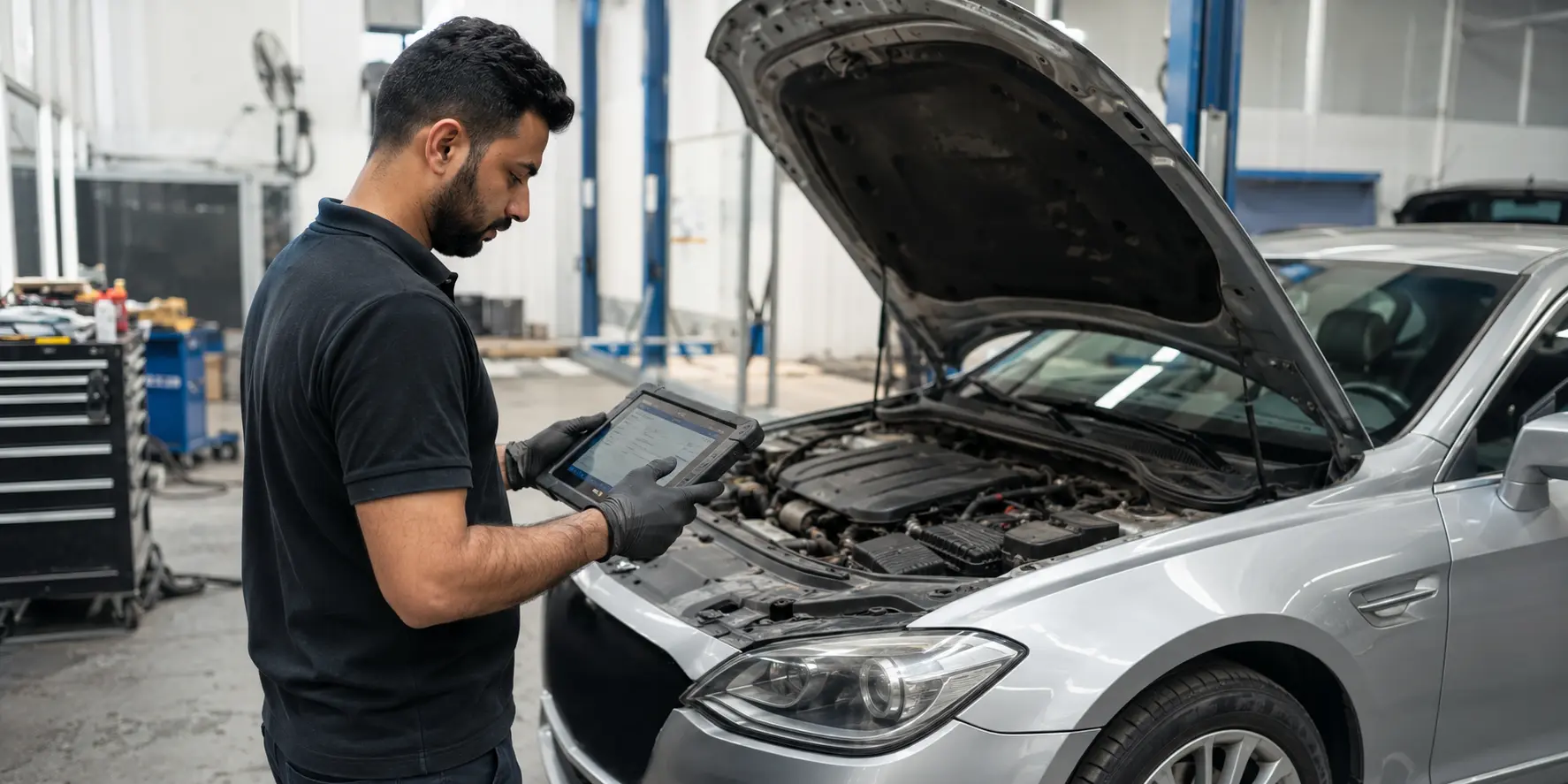
Battery condition, tire age and damage, fluid levels, visible leaks, hose deterioration and brake condition can matter after storage. Service intervals and fluid specifications come from the vehicle information, not assumptions based on another manufacturer’s engine.
An oil service or battery replacement is not proof that an overheating event, repeated discharge, misfire or unusual noise has been resolved. Each concern needs its own findings and final check. Any additional filters, fluids or age-related repair should be itemized.
Follow the handbook for permitted visual checks with the car parked and cooled. Do not open a hot cooling system, attempt a road test with uncertain brakes, or lift the car without verified support points and suitable equipment.
After your service
Every inspection should leave the vehicle with better records than it arrived with, even if the outcome is referral or a staged repair.
Auto Repair UAE provides independent Gumpert inspection and repair. When a job needs model-specific engineering, tooling or parts support, we explain the requirement and confirm the available next step before dismantling.
Review the recommended repair route, parts availability and any specialist support before transport or work begins.
Contact our Al Quoz 4 workshop in Dubai with the model and a short description of the problem. You do not need to identify the failed component before asking for help.
Before you book
Practical answers about inspection, parts, transport and your workshop visit.
Technical details and service records can follow when needed. Your initial workshop inspection is free.
Discuss the exact warning first. If temperature, fluid, braking, steering or wheel safety is uncertain, do not drive it.
No. Availability and lead time need to be checked for the exact chassis and component before disassembly.
Describe clearance, steering, wheels and running condition so the suitable recovery or transport route can be discussed.
A general inspection can be scoped, but motorsport setup and event requirements are separate specialist work.
Send the model and a short description of the service or problem. Photos, chassis details and repair history are optional and may be requested later when needed.
Yes. Free inspection is available. Share the model and concern so we can plan the initial inspection. Further testing, dismantling or specialist work is explained and priced separately before approval.
A dedicated on-site inspection can be requested using our service van. Send your location and a short description of the car. The on-site inspection scope and any fee are agreed before dispatch. Free pickup and delivery are also available.
Your next step
Send the model, service or symptom, and your preferred visit or pickup details. We offer free workshop inspection, free pickup and delivery, and dedicated on-site inspections.