Starting and engine response
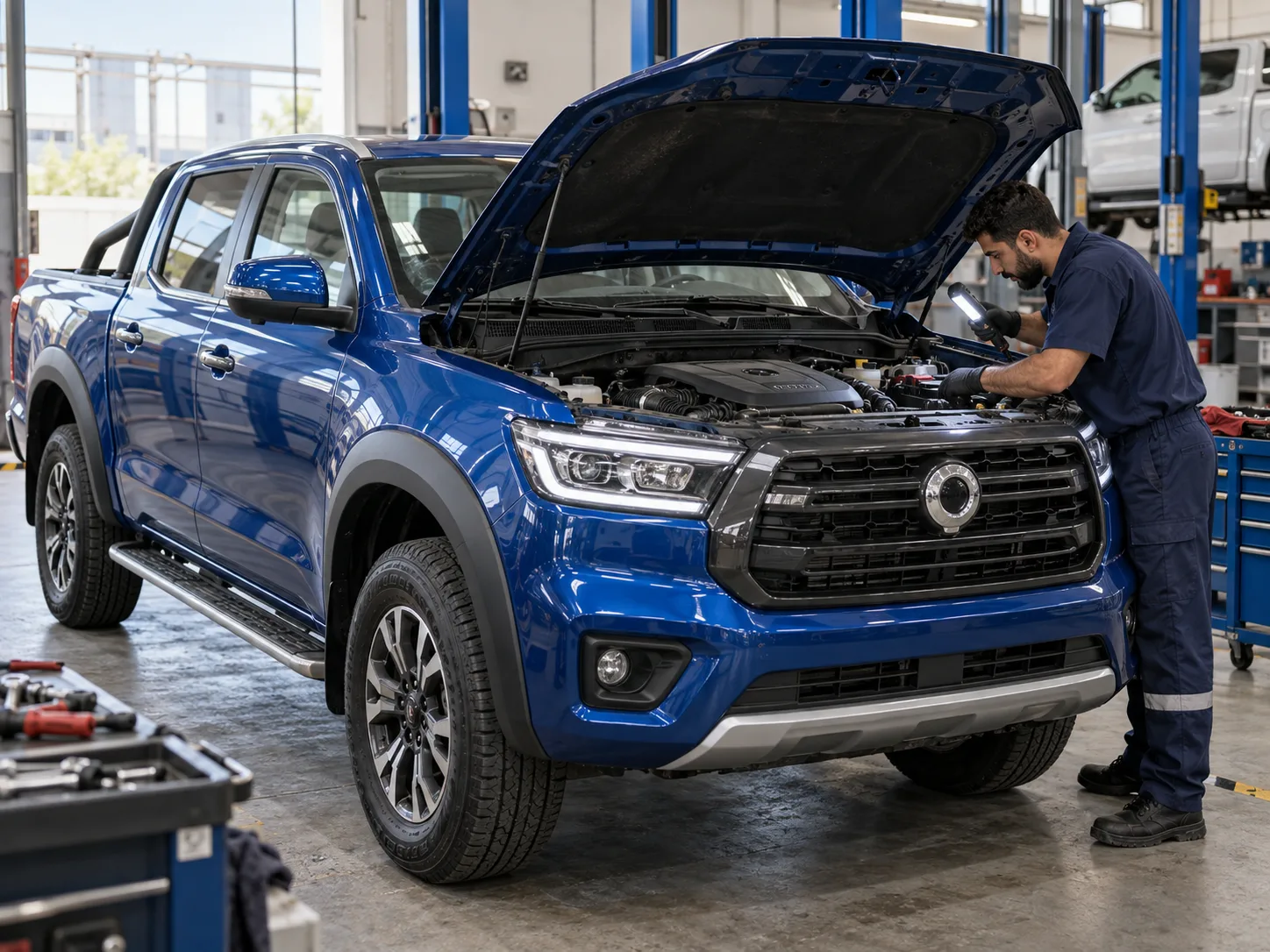
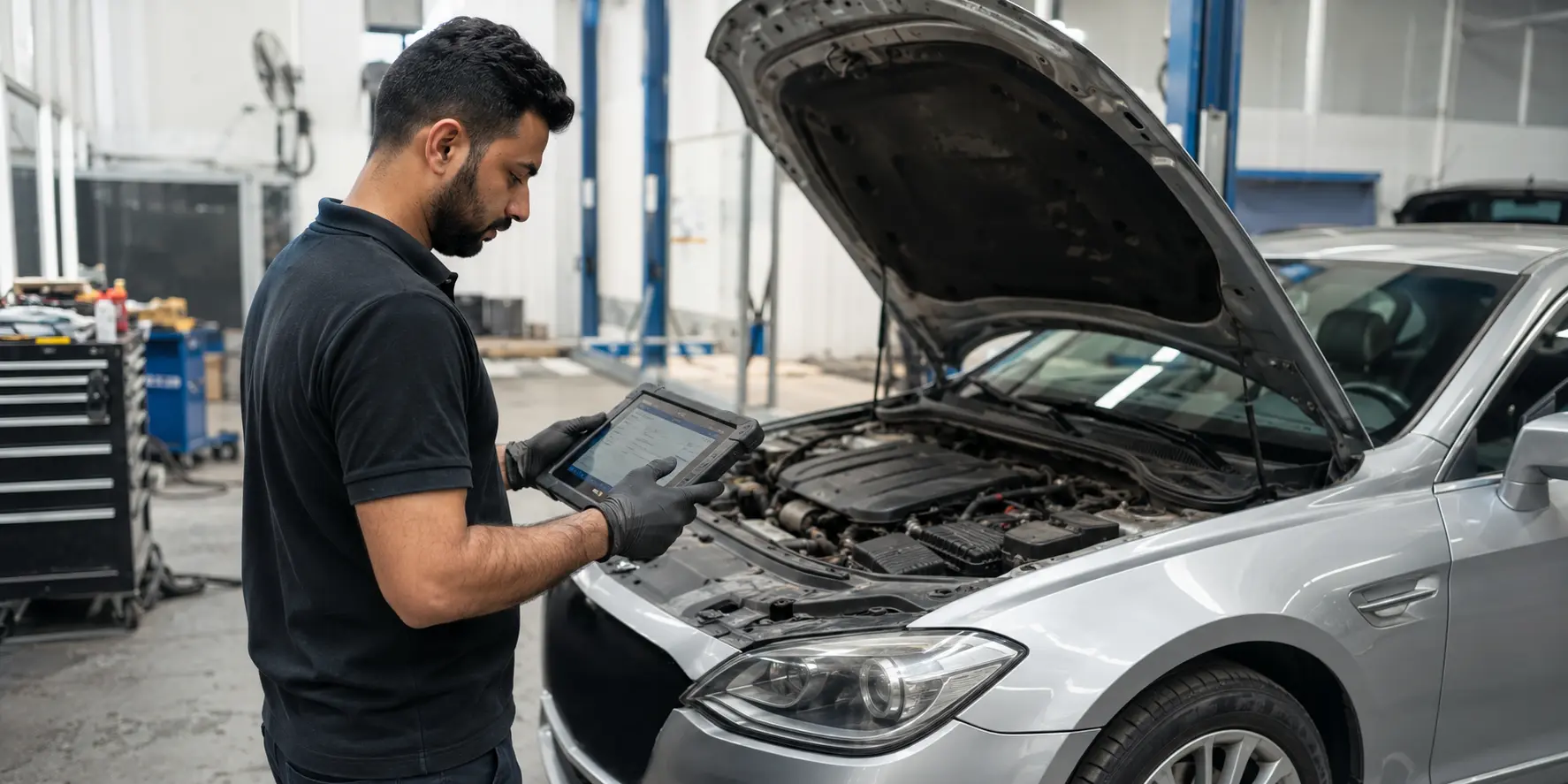
Slow cranking, no start, rough idle, smoke, hesitation or reduced power can involve electrical supply, air, fuel, ignition, boost, sensors, wiring or mechanical condition. Record the fuel level, cranking sound and whether a jump start changed anything. The engine repair guide explains when pressure, compression, leakage or cooling findings may be needed before an internal repair is discussed.
Transmission and clutch behavior
Delayed engagement, harsh selection, flare, slipping, clutch judder or gear noise needs the exact transmission, temperature, load and service history. Fluid condition can be relevant, but a fluid change is not a diagnosis for every shift complaint. A manual clutch concern and an automatic control concern follow different test routes.
Four-wheel drive and driveline
A selection warning, binding, vibration or noise can involve tires, wheel speed information, switches, actuators, wiring, transfer components, propeller shafts, joints or differentials. State the selected mode and surface. Do not repeatedly force a change of mode when the system is making an unusual mechanical sound.
Temperature and cabin cooling
A rising gauge, coolant loss, fan concern or weak AC should be described separately. Cooling diagnosis can include leakage, pressure, airflow, circulation and control checks. AC diagnosis separates refrigerant condition, compressor command, airflow, temperature control and electrical supply rather than assuming that every weak system only needs gas.
Steering, suspension and tires
Knocks, wandering, heavy steering, pulling and uneven wear require tire size and pressure, wheel condition, joints, bushes, dampers, alignment and impact history to be considered together. A loaded pickup can reveal movement that is not obvious when the bed is empty.
Brakes and stability warnings
Pedal change, noise, vibration, pulling and an ABS or stability message are different complaints. Friction wear, hydraulic condition, wheel-speed data, tires and road-test findings can point in different directions. State whether the event happens empty, loaded or only after longer driving.