Temperature rising at low speed
Cooling checks may involve radiator airflow, fan operation and a pressure test for leaks. Cleaning dust from the front of the car won’t repair a leaking hose or a failed fan.
Independent workshop in Al Quoz 4
A warning light, rough gear change or AC that turns warm can leave you wondering how much the repair will cost. We check the cause, explain your options and quote the work before you approve it.
Oil and filter service estimates run from AED 260 to 550. Start with a free initial inspection, with advanced testing quoted separately.
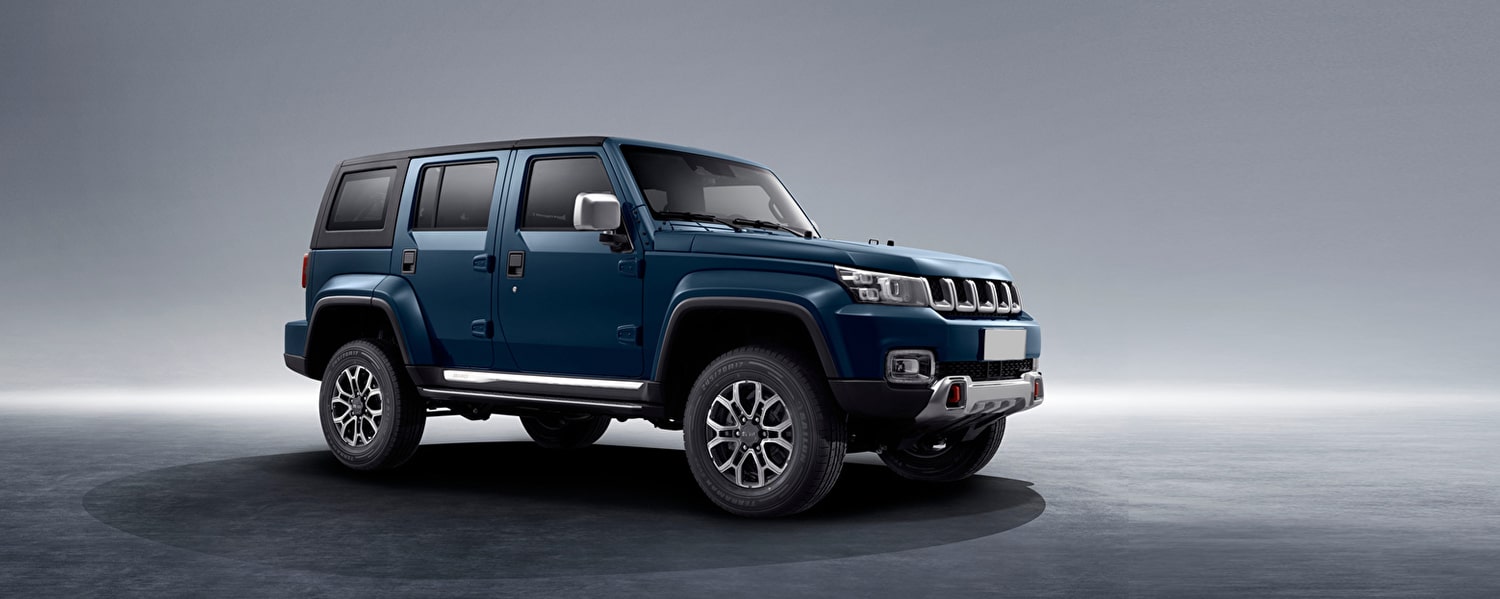
These planning estimates suit common gasoline BAIC applications and include the described parts, labor and an allowance for applicable VAT. Your model, selected parts and inspection findings determine the final written quote.
| Work | Estimated price | Included and excluded |
|---|---|---|
| Initial workshop inspection | Free | Condition and symptom review. Advanced testing or dismantling is separate. |
| Oil and filter service | AED 260 to 550 | Engine matched oil, compatible filter, fitting and supported service reset. Extra filters and fault repairs are separate. |
| Focused computer diagnosis | AED 180 to 420 | Scan, fault review and initial tests. Extended wiring checks or dismantling need another estimate. |
| Brake pads | AED 380 to 850 per axle | Compatible replacement pads, installation and brake checks. Discs and calipers are excluded. |
| Pads and two brake discs | AED 900 to 1,850 per axle | Matched replacement parts, fitting and operation checks. Hydraulic or electronic repairs are separate. |
| Conventional 12V battery | AED 350 to 850 fitted | Compatible battery, installation and charging check. AGM, lithium and hybrid traction batteries are excluded. |
| Accessible cooling hose repair | AED 350 to 950 | A confirmed small leak repair, replacement hose, fitting and leak checks. Radiator replacement and engine damage are excluded. |
| Suspension link or bushing | AED 400 to 1,250 | One defined repair with compatible parts and fitting. Complete arms, shocks and alignment may cost extra. |
| Transmission fluid service | AED 650 to 1,450 | Specified fluid and labor, with an accessible filter or gasket only where listed. Internal gearbox repairs are excluded. |
Engine rebuilding, gearbox overhaul and hybrid system work need a separate assessment. The estimate must identify the damaged parts, access work and any specialist work before you compare totals.
Tell us the model and the service or problem. We’ll help you work out what needs checking before you commit to a repair.
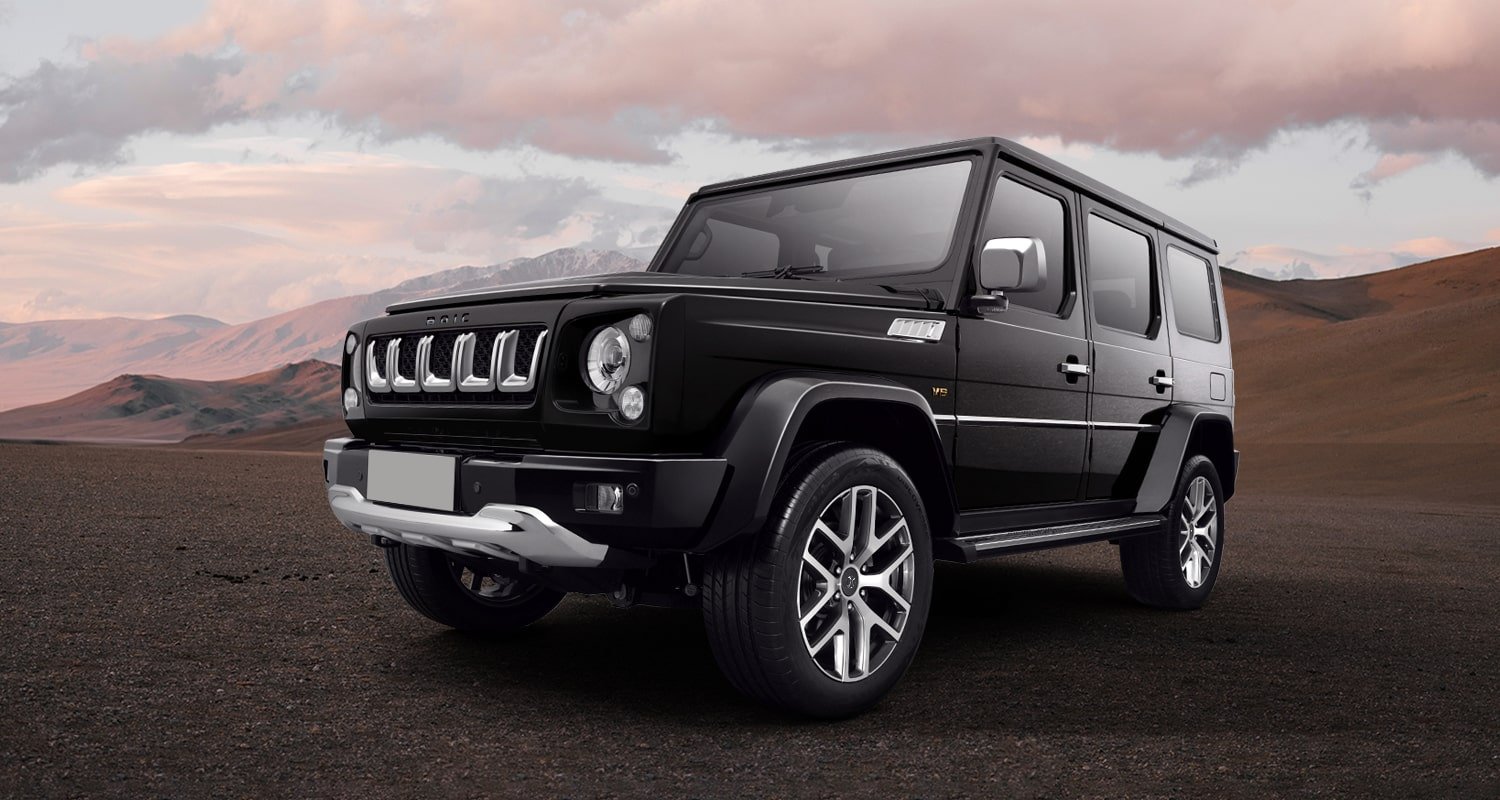
For a BJ40, BJ60 or BJ80, a new vibration after a sand trip calls for different checks than an engine light on the morning commute. Tell us about towing, an underbody impact or a change in four wheel drive operation, where fitted.
BJ30 and imported versions need particular attention to the installed drivetrain. A similar badge doesn’t mean the same transmission or hybrid equipment.
Hesitation, jerky shifting and weak cabin cooling are useful starting descriptions. We match testing to the engine and transmission in your SUV before suggesting a fluid service or replacement part.
For example, BAIC’s 2022 X55 specification sheet lists manual and continuously variable transmission versions. It isn’t a specification for every later X55.
A trip off road doesn’t automatically mean something is damaged. A fresh noise, leak or temperature change is the reason to check.
Cooling checks may involve radiator airflow, fan operation and a pressure test for leaks. Cleaning dust from the front of the car won’t repair a leaking hose or a failed fan.
Inspect guards, mounts, joints and shafts where fitted. A loose guard may need a small repair; a damaged driveline joint needs a different quote.
Check tire damage and suspension play before paying for alignment. Alignment alone won’t correct a bent wheel or worn joint.
A scan records what the car detected. Pressure, electrical and mechanical checks then help distinguish a leak, ignition fault or sensor issue from internal damage. A confirmed hose or wiring repair can avoid replacing a working component.
We look for the leak and assess whether overheating has caused further damage. A contained leak may need a hose or seal; repeated overheating can require additional engine tests before a repair is quoted.
The checks depend on the transmission type. Fluid condition, electrical inputs and mounts can affect shifting, so a warning doesn’t automatically mean a replacement gearbox. Rebuilding only makes sense after internal damage and parts availability are established.
Weak airflow and air that flows strongly but stays warm need different checks. A blocked filter, refrigerant leak and compressor fault have different repair costs. See our AC repair service before booking a recharge alone.
Due for an oil change with no new symptoms? Use the schedule for your model, mileage and time since the last service. We can quote the specified oil, filters and checks without turning routine maintenance into an open ended repair list.
If a warning, leak or starting problem has appeared, mention it when booking. Diagnosis may need to be priced separately from the service.
Stop driving if the engine overheats, oil pressure is lost or braking or steering control changes. Park safely and call for advice about recovery. Never open the coolant cap while the system is hot.
A lower parts price is only useful if the component fits and the repair lasts. The vehicle identification number, or VIN, helps check the correct application before ordering.
We’ll explain availability and the quoted warranty terms. Special order parts can affect the collection date, so agree on the lead time before the vehicle is dismantled.
For warranty claims, recalls or manufacturer controlled software, contact the authorized network before approving independent work.
These are illustrative budgets based on the ranges above, including a VAT allowance. They are not records of completed repairs or fixed offers.
Typical job estimate AED 390
Engine matched oil, compatible oil filter, labor, level check and supported service reset.
Assumes normal access and no active leak. Extra filters, plugs and diagnosis are excluded.
Typical job estimate AED 650
A compatible aftermarket front pad set, fitting, disc and caliper checks, and an operation check.
Assumes the discs and calipers remain serviceable. Replacement discs or seized components require a revised quote.
Typical job estimate AED 550
One compatible conventional 12V battery, fitting and a basic charging check after the battery is tested.
Only for a matching conventional battery application. AGM batteries, electrical drain tracing and unrelated faults are excluded.
Visit Auto Repair UAE in Al Quoz 4, Dubai. Our Chinese car repair services cover other brands too.
Use the manual supplied for your own vehicle. Manufacturer material does not establish this workshop’s authorization.
The initial workshop condition review is free. A computer diagnosis is estimated at AED 180 to 420; extended testing or dismantling is quoted separately before it begins.
Yes, start with the model and the work or symptom. We can discuss the likely budget. Exact parts prices may need the year or VIN, while an unknown fault usually needs inspection.
Tell us your model and the warning or change you noticed. On versions equipped with four wheel drive, the checks may involve tires, electrical inputs, actuators or mechanical components. We confirm the equipment needed before accepting the work.
Hybrid versions need different procedures and equipment. Contact us with the exact model and concern first. High voltage work and manufacturer controlled programming require separate capability confirmation and may need referral.
A defined service with available parts is easier to schedule than an intermittent fault or imported component. We confirm the work time and parts lead time after the initial assessment, then update you if either changes.
Bring the earlier invoice or test report if you have it. Tell us whether the symptom stayed the same or changed after the repair. That helps avoid repeating work without checking the current fault.
Your next step
Tell us your model and what’s changed. We’ll help arrange the first check and explain any paid testing before you approve it.
Talk to the workshop
Your model and a short description are enough to start.
Need help getting here? Ask about pickup or suitable recovery.