Prevent avoidable lubrication problems
Why the correct oil and level matter
Viscosity describes how oil flows across temperature ranges, but the manufacturer approval also reflects performance requirements. Two containers with the same large viscosity numbers may not meet the same specification. The filter must also fit correctly, seal reliably, and support the engine’s flow and bypass requirements.
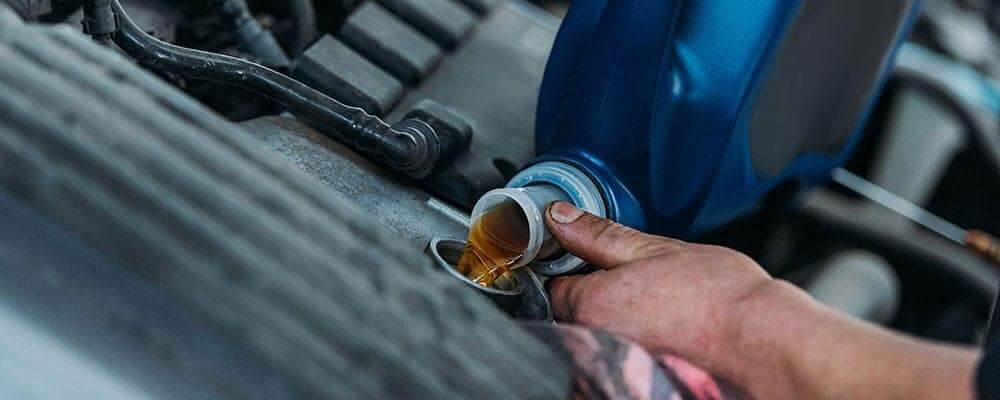
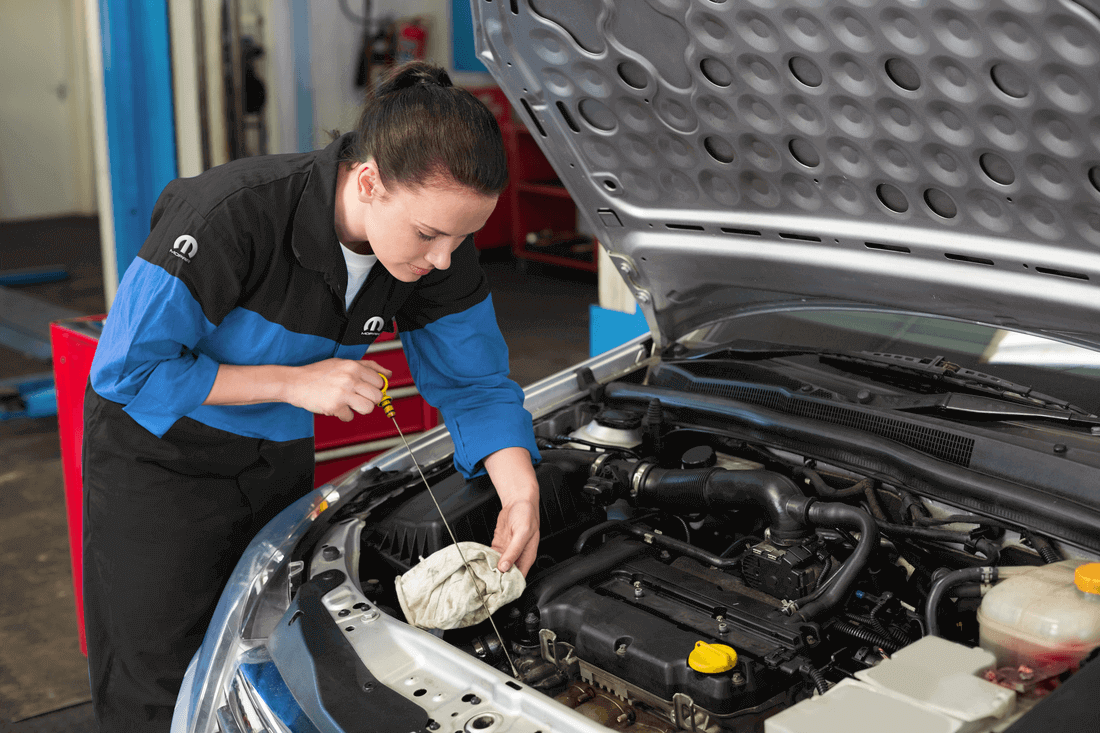
Overfilling is not extra protection. Too much oil can contribute to aeration, crankcase pressure, leaks, catalyst damage, or abnormal running. Underfilling reduces the reserve available for cooling and lubrication. Some Dodge models use a dipstick, while others need a specific temperature or electronic-level procedure.
After filling, the engine is run and checked for leaks. The level is then confirmed after the required settling period or model procedure. A reminder reset records the service interval, but it does not correct an inaccurate fill or replace a physical check.
Filter-housing and drain-plug condition also affect the result. A reused damaged seal, overtightened plug, cracked cap, trapped old gasket, or dirty sealing surface can create a leak after otherwise correct work. We inspect those contact points, use the suitable seal, and avoid treating excessive tightening as a substitute for proper fit.
The final check is completed with the vehicle positioned as the level procedure requires. If the reading is unclear, inconsistent, or affected by a warning, the answer is not to add oil blindly. We allow the correct settling time, repeat the measurement, and investigate the level sensor or lubrication system when evidence points beyond routine service.
- Correct viscosity and required approval
- Suitable filter and sealing ring
- Drain plug, threads, and washer condition
- Measured quantity and final level
- Visible leak and warning-light check
- Recorded mileage and next-service guidance