Paint correction and protection in Al Quoz 4
Car Painting and Paint Protection in Dubai
Repair damaged or faded paint, then choose protection that suits the finish. A single-panel repaint is estimated at AED 620 to 1,335 before 5% VAT. We inspect the panels and give you a written quote before work begins.
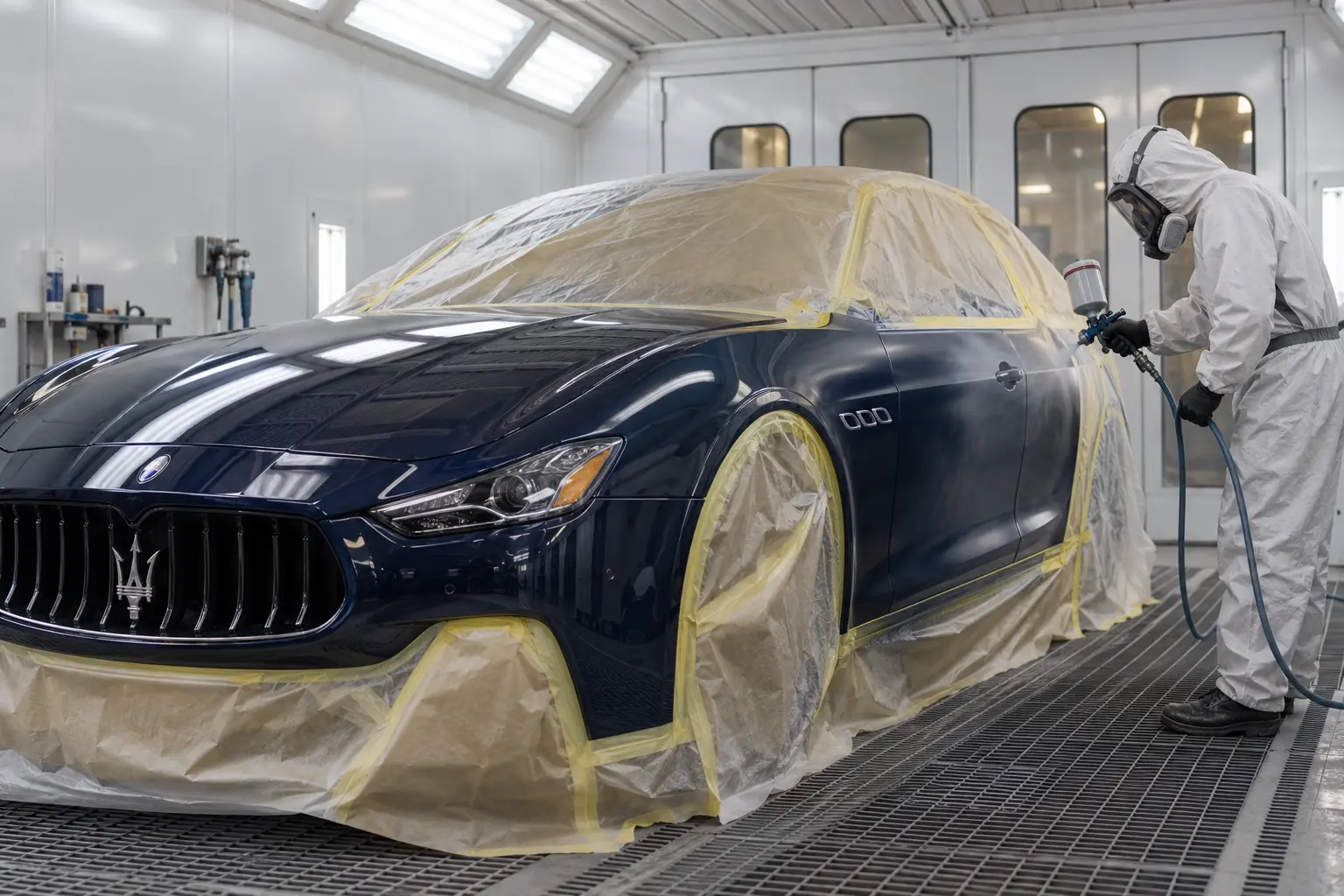
Start with the visible problem
What needs to be corrected?
A scratch does not always require a complete panel repaint. Clear-coat marks may improve with polishing, while damage that reaches the color or primer usually needs local refinishing. Dents, cracks, corrosion, previous filler, peeling clear coat, or a poor earlier repair can increase the preparation needed before new paint is applied.
Color difference is another common concern. Sun exposure, age, panel orientation, earlier repairs, and paint type can make the original color look different from a formula mixed only by code. We compare the affected area with adjacent panels before deciding whether a direct panel match, blending, or a larger refinishing area is appropriate.
Scratches and chips
We check depth, exposed material, edge damage, and whether polishing, touch-up, or repainting is suitable.
Fading and clear-coat failure
Dullness may respond to correction, but peeling or failed clear coat normally needs preparation and refinishing.
Mismatched previous paint
Shade, metallic orientation, texture, gloss, and blend edges are reviewed before a corrective plan is prepared.
Choose by condition and goal
Painting and protection services
Panel painting repairs localized damage and preserves unaffected areas. Full-body painting may suit widespread finish failure, extensive repairs, or an approved color change. Paint correction removes or reduces surface defects within the safe thickness of the existing finish. Protection is applied only after the surface is clean and suitable.
Paint protection film and ceramic coating serve different purposes. PPF provides a physical sacrificial layer against many chips and light abrasions. Ceramic coating improves water behavior, gloss, and ease of cleaning, but it is not a substitute for impact-resistant film. Some customers combine front-area PPF with coating on the remaining panels.
Estimated Dubai budgets
Car painting and paint protection prices
All AED ranges below are planning estimates before VAT; 5% VAT is not included in the displayed prices. Final cost changes with vehicle size, panel material, dent and corrosion repair, colour and blending, removal of trim, film coverage, and paint preparation. We confirm the work and payable total in writing after inspection.
The estimate identifies painted panels, preparation, refitting and any separate body work. For PPF, it names the covered panels, film product and edge treatment. Compare those details before comparing totals.
Single panel repaint
AED 620 to 1,335Estimated per-panel range with preparation and refinishing for suitable damage.
Bumper paint repair
AED 665 to 1,430Estimated range based on cracks, deformation, sensors, removal, and finish.
Exterior full-body repaint
AED 7,620 to 20,950Planning range for exterior painted panels. Door openings, jambs, inner edges, trim removal and colour change must be itemised in the quote; do not assume they are included.
Front-area PPF
AED 3,335 to 7,145Selected front panels and preparation. The quote identifies bumper, hood, fenders or mirrors covered, edge treatment and film product. Coverage varies by package.
Full-body PPF
AED 10,475 to 22,855Estimated range based on vehicle size, film, coverage, edges, and complexity.
Ceramic coating
AED 1,145 to 6,190+Full-vehicle exterior packages range from basic protection to correction and coating; preparation and coated surfaces determine the quote.
Inspection before refinishing
What we check before painting
We inspect the finish in suitable light and identify scratches, chips, dents, cracks, peeling, contamination, corrosion, and previous repairs. Panel alignment and adjacent color are checked because paint alone cannot correct a distorted gap, damaged mounting point, or unfinished body repair.
The surface under the paint matters. Aluminum, steel, plastic, composite panels, old filler, exposed primer, and bare metal require different preparation. Rust must be assessed beyond the visible stain. Painting over active corrosion or unstable previous material can produce bubbling, lifting, or early failure.
For protection work, the existing paint is checked for chips, touch-ups, overspray, polishing marks, coating residue, and repaint edges. Film and coating preserve what is beneath them, so defects should be discussed before installation rather than hidden under a protective product.
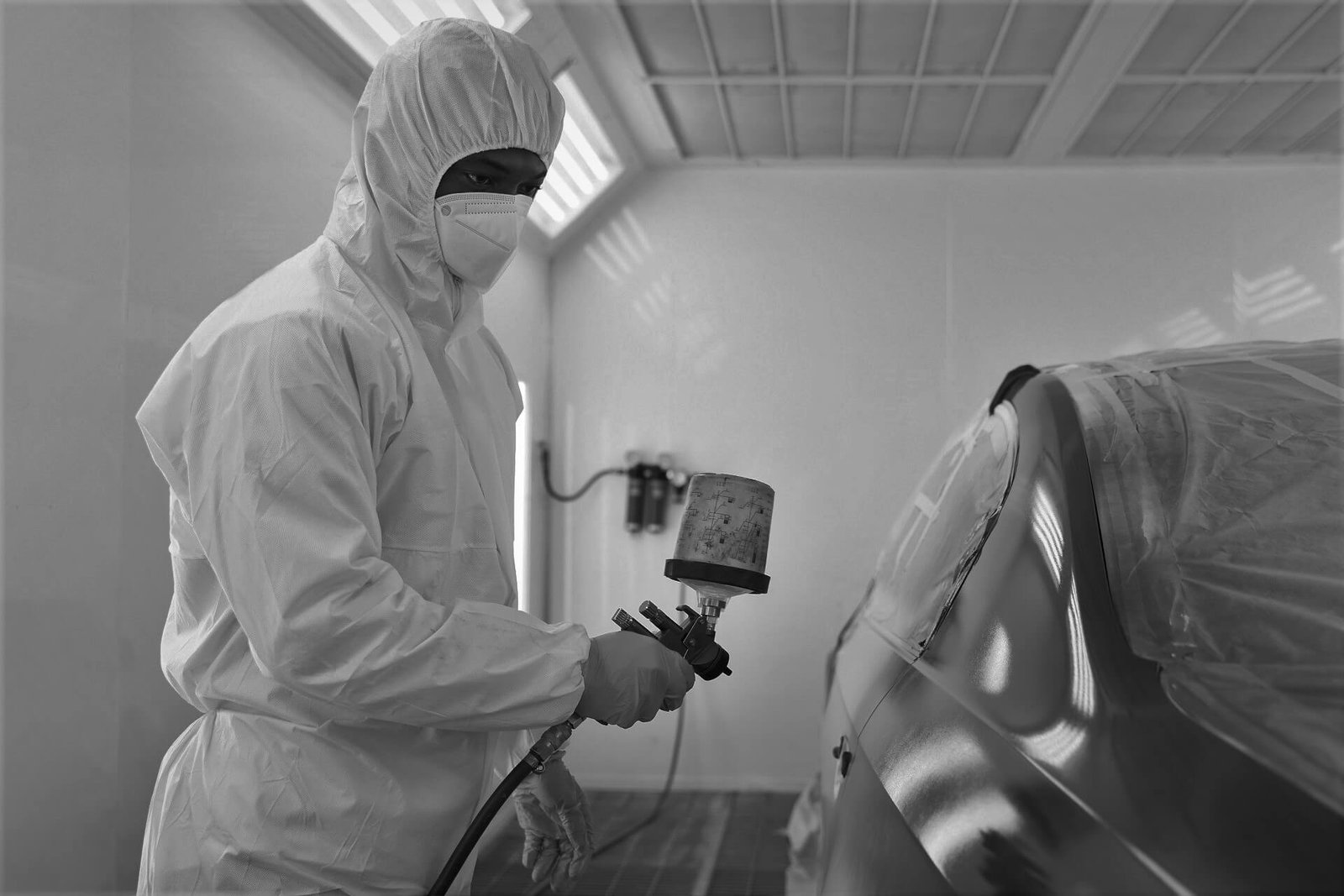
Avoid paying for the wrong treatment
Polish, repaint, PPF, or ceramic coating?
Choose polishing
Suitable when defects are mainly within the clear coat and enough safe paint thickness remains. Polishing cannot rebuild missing color, repair cracks, or remove deep scratches that reach primer.
Choose repainting
Suitable for exposed primer, deep scratches, repaired dents, peeling finish, corrosion repair, or color mismatch that correction cannot solve. Preparation and blending affect the result.
Choose protection
PPF suits areas exposed to chips and abrasion. Ceramic coating supports gloss and easier washing. Neither product repairs existing damage, so correction should be completed first.
These treatments can be combined after damaged paint is repaired. For defects that remain in the clear coat, see our car polishing options and prices. For coating preparation, package levels and care, see ceramic coating in Dubai. This page helps you decide which panels need painting and which finish may benefit from protection.
Color-change work needs a clearly defined scope. Door openings, engine-bay edges, luggage-area edges, trim removal, badges, sensors, cameras, and legal registration requirements can affect the project. We do not describe an exterior-only spray as a complete color conversion.
Controlled refinishing process
How the paint service works
Inspect
Review the finish, panel shape, prior repairs, and customer goal.
Approve
Confirm panels, preparation, paint system, protection, price, and timing.
Prepare
Repair, clean, sand, mask, prime, and protect adjacent components.
Refinish
Apply matched color and clear coat under the selected process.
Finish
Reassemble, polish where required, inspect, and explain aftercare.
Preparation can take longer than spraying because it creates the foundation for the finish. Trim may need removal, edges must be feathered correctly, primer must cure, and the surface must be clean before color. Metallic and pearl colors need controlled application so flake direction and shade remain consistent.
After painting, the finish is checked for color, gloss, texture, masking edges, contamination, and panel condition. Protection film or coating is installed only after the new finish has reached the appropriate stage for the selected product. Timing is confirmed for the actual paint system and job.
Protection fitted to the use
Paint protection film coverage choices

Front-area PPF may cover the bumper, part or all of the hood, front fenders and mirror caps. There is no single panel list for every package. Full-front coverage can reduce visible lines across major panels, while full-body coverage extends to the painted surfaces named in the quote. Larger SUVs and added mirrors, edges or panels can exceed the base front-area estimate.
Film does not make paint impossible to damage. Sharp impacts, severe abrasion, poor washing, lifting edges, contamination, and previous paint weakness can affect the result. Repainted panels should be identified before installation because adhesion and later removal depend on the quality and cure of the underlying finish.
We explain which edges are wrapped, which are relief-cut, and where panel design prevents a hidden edge. Sensors, cameras, badges, handles, trim, and complex curves can change installation time and scope. The written estimate states the selected coverage rather than using the vague phrase “full protection.”
Budget examples
Example paint and protection budgets
The following are hypothetical examples, not completed customer jobs. Each displayed total is an estimate before 5% VAT; request a written quote to confirm the work and payable amount for your car.
Typical job estimate
2020 Toyota Camry bumper and fender
Minor surface repair, preparation, color matching, refinishing, and finish inspection on two affected areas.
AED 1,715 to 2,855Typical job estimate
2022 BMW X5 front-area PPF
Planning example for a large SUV with bumper, full hood, fenders, mirror caps and more edge work than a smaller front-area package.
AED 4,760 to 7,145Typical job estimate
2019 Nissan Patrol paint correction
Decontamination, measured correction of suitable defects, finishing polish, and ceramic coating application.
AED 2,665 to 4,760Approve the complete repair
What your paint estimate should identify
A useful estimate should make the visible finish, preparation, protection, and handover expectations easy to compare. Ask which panels are being repaired, which adjacent areas may be blended, and which trim or fittings need removal. Confirm whether dent repair, crack repair, corrosion treatment, primer, colour, clear coat, polishing, film and coating are included. The displayed estimates exclude 5% VAT; the written quote confirms the final total and any added work.
Panel and preparation scope
The estimate should name every affected panel and state whether the job includes straightening, plastic repair, filler work, corrosion removal, sanding, primer, or sealing. It should also distinguish a local repair from a complete panel repaint. If blending into an adjacent panel is advised, the reason should be explained before approval.
Finish and protection scope
Confirm the intended color, gloss level, texture, film coverage, coating preparation, and treatment of badges, sensors, cameras, handles, and edges. For PPF, ask which panels are fully covered and how visible edges are managed. For coating, confirm whether paint correction is included or priced separately.
Timing and handover checks
Repair time depends on preparation, curing, parts removal, paint complexity, and protection work. At collection, view the vehicle in suitable light and check color transition, gloss, surface texture, panel edges, trim fit, cleanliness, warning lights, and the agreed protection coverage. Any care restrictions should be provided clearly.
Photos are useful for an initial conversation, but they cannot show paint thickness, unstable earlier filler, hidden corrosion, fine color variation, or every dent contour. The final estimate should follow a physical inspection. If additional damage appears after trim or old material is removed, work should pause for a revised scope rather than continue without approval.
For accident-related repairs, keep the estimate, photographs, and insurer or claims instructions together. Approval from an insurer does not automatically define the best refinishing method, and a workshop estimate does not guarantee insurer payment. Confirm who authorizes supplements, which parts or operations are accepted, and whether you may proceed before the claim decision is complete.
Protect the finished work
Aftercare for paint, PPF, and coatings
Fresh paint needs the aftercare specified for the materials and cure stage used on the job. Avoid aggressive chemicals, automatic brushes, abrasive compounds, and unnecessary polishing until the workshop confirms they are suitable. Bird droppings, tree sap, fuel, and other contamination should be removed carefully rather than left on the surface.
PPF and coatings also need gentle washing. Use clean wash tools, suitable products, and safe drying methods. Pressure washers should not be aimed closely at film edges. If an edge lifts, a panel is struck, or contamination becomes trapped, arrange inspection rather than cutting or gluing the film at home.
During the first days
Follow the handover instructions for washing, moisture, heat, and surface contact.
During routine washing
Use suitable shampoo, clean microfiber materials, and methods that reduce new swirl marks.
After new damage
Inspect chips, lifting film, cracks, dents, or contamination early before the affected area spreads.
Workshop support across Dubai
Visit our Al Quoz workshop
Our workshop is in Al Quoz 4, Dubai. Free pickup and delivery can be arranged. A dedicated on-site inspection van is available by arrangement for an initial assessment, while painting, controlled preparation, and most protection installation are completed at the workshop.
Send the vehicle model, year, affected panels, and a few clear photos if available. Photos help with initial planning, but the final scope is based on an in-person surface and panel inspection. You can begin without identifying the paint code or deciding which protection product you need.
Direct service answers
Car painting and paint protection FAQs
How much does it cost to paint one car panel?
A single-panel repaint is estimated at AED 620 to 1,335 before 5% VAT. Dent or corrosion repair, panel material, colour matching, blending and trim removal can change the written quote.
Can a deep scratch be polished out?
Polishing works only on suitable defects within the clear coat. A scratch that reaches color, primer, plastic, or metal usually needs touch-up or refinishing. Inspection prevents excessive polishing of already thin paint.
Should I choose PPF or ceramic coating?
Choose PPF for a physical layer against many chips and abrasions. Choose ceramic coating for gloss, water behavior, and easier cleaning. They can be combined when the paint condition and budget support it.
How long does a panel paint repair take?
Timing depends on preparation, dent or corrosion repair, primer and paint curing, color complexity, dismantling, and workshop capacity. A simple panel may take a few days, while larger work needs a vehicle-specific schedule.
Can you match metallic or pearl paint?
Yes, but the paint code is only the starting point. Existing fade, metallic orientation, application technique, and adjacent panels influence the match. Blending may be recommended where a direct edge would remain visible.
Can PPF be installed over repainted panels?
It may be possible after the repaint has cured appropriately and the finish is sound. The repaint quality and cure must be checked because film adhesion and later removal depend on the underlying paint.
Does ceramic coating stop stone chips?
No. Ceramic coating is not an impact-resistant film. It can support gloss and maintenance, but PPF is the more suitable choice when stone-chip protection is the main goal.
Can you collect the vehicle for painting?
Yes. Free pickup and delivery can be arranged. Share the vehicle, location, affected panels, and access details so the inspection and collection can be planned correctly.
Inspect, choose, and approve
Book car painting or paint protection
Send the vehicle model, year, affected panels, and your preferred result. We will arrange inspection and prepare a written scope and estimate.