Paint care in Al Quoz 4, Dubai
Car Polishing in Dubai
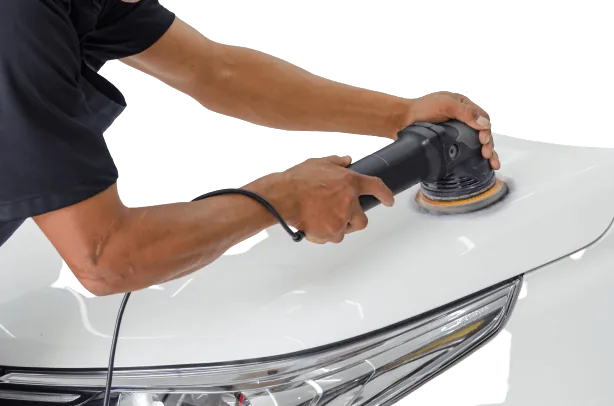
Car polishing can restore gloss and reduce light swirls, haze and shallow marks in healthy paint. Gloss enhancement starts at AED 335 before VAT. We inspect the finish and test a small area before recommending a light polish or deeper paint correction.
Estimated polishing prices
Car polishing prices
These displayed AED estimates are before VAT; 5% VAT is added to the final written quote. Full-vehicle enhancement and correction packages include paint protection after polishing. The written quote names the product, the painted panels covered and any preparation or protection exclusions before work begins. Ceramic coating is a separate service. We inspect the paint and agree the likely result before confirming the final price.
| Work | Estimated price | What the range covers |
|---|---|---|
| Gloss enhancement, small or medium car | AED 335–620 | Wash preparation, light machine polish and wipe-down. A protection application is included; the exact product and treated panels are named in the quote. |
| Gloss enhancement, large SUV | AED 525–855 | Wash preparation and a light polish across the larger painted area. A protection application is included, with the exact product and treated panels named in the quote. |
| Single-stage paint correction | AED 715–1,285 | Decontamination, a test spot, one correction stage and finish check. A protection application is included; the exact product and treated panels are named in the quote. |
| Multi-stage paint correction | AED 1,335–2,665 | More extensive preparation, controlled compounding, refining and a finish check. A protection application is included; the exact product and treated panels are named in the quote. |
| Local panel polishing | AED 170–430 per panel or localized area | Inspection and local polishing where paint condition allows. Any wax or sealant on the panel, and its cost, is stated in the quote. |
Vehicle size, paint hardness and condition, old coatings, previous repairs, the number of correction stages and the protection product change the quote. Chips, exposed primer, peeling clear coat and paint repair are outside these polishing ranges. A dedicated on-site inspection van is quoted separately if requested.
Choose the right level
Gloss enhancement or paint correction?
A light polish refreshes a generally healthy finish. Correction targets defects in the clear coat and takes more time. We agree the expected improvement before using a more aggressive process.
Light gloss enhancement
For dullness and fine wash marks on paint that is otherwise sound. The aim is a cleaner, brighter finish, not complete removal of every visible mark.
Single-stage correction
For moderate swirls and haze when a test spot shows useful improvement in one machine-polishing stage. The result depends on paint hardness and defect depth.
Multi-stage correction
For heavier, correctable marks where compounding followed by refining is justified. We do not keep cutting paint to chase a scratch that needs another repair.
What the finish allows
Which marks can polishing improve?
Fine swirls, haze, some water-spot etching and shallow scratches may respond to polishing when the clear coat is healthy. Wash dirt and bonded contamination need cleaning or decontamination first. A test spot shows how the specific panel responds.
A scratch through colour, a stone chip, a dent or peeling clear coat cannot be polished away. Repainted panels can differ in thickness and hardness, so we check their history and condition before working. A paint-depth reading helps assess risk but cannot tell us the exact amount of clear coat remaining.
Ordinary gloss polishing is unsuitable for matte or satin paint and should not be applied to a wrap or paint protection film without checking that surface and its care instructions.
At the workshop
How we assess and polish the paint
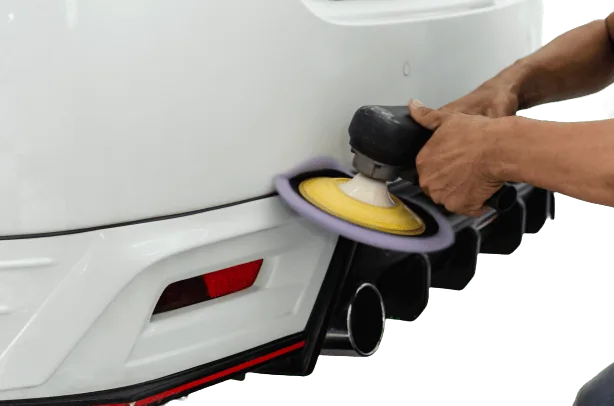
Auto Repair UAE in Al Quoz 4 checks the vehicle before confirming the package. The aim is an agreed finish with an appropriate amount of correction.
- 01
Inspect and test
We check the finish under useful light and ask about repainting, coatings or film. A small test spot shows which marks can improve without unnecessary cutting.
- 02
Prepare and polish
We wash and decontaminate the agreed painted areas as needed, then complete the approved enhancement or correction stages.
- 03
Check and protect
We remove residue, review the same area in comparable light, explain any marks that remain and apply the protection product named in the quote.
The test spot helps us agree an achievable finish before the full job. At handover, ask to see the corrected area under comparable lighting so remaining marks are clear. The number of panels, paint preparation and correction stages determine the workshop time; we confirm the appointment and expected handover before work starts.
After the correction
Protection and care after polishing
Polishing refines the surface; a wax or sealant adds a protective finish but does not repair remaining scratches. The full-vehicle enhancement and correction ranges include this finish. Your quote names the exact protection product and the painted panels receiving it and whether preparation or aftercare changes the price. Local panel protection is included only when the quote says so. Ceramic coating is separate; ask for a ceramic coating assessment after paint preparation.
Use a clean wash mitt, suitable shampoo and soft drying towels to reduce new swirl marks. Tell us if the vehicle already has a coating, wrap or PPF before booking. For interior and broader vehicle cleaning, see the car detailing service.
Before you book
Car polishing questions
How much does car polishing cost in Dubai?
A small or medium car gloss enhancement is estimated at AED 335–620, a large SUV at AED 525–855, single-stage correction at AED 715–1,285 and multi-stage correction at AED 1,335–2,665. Local panel polishing is AED 170–430 per panel or localized area. These ranges are before VAT; the inspection confirms the recommended work and final price.
Will polishing remove scratches and swirl marks?
It can reduce light swirls, haze and some shallow clear-coat scratches. Marks through colour or primer, chips and peeling clear coat need another repair. A test spot gives a realistic view of the improvement on your paint.
What is the difference between enhancement and correction?
Enhancement is a lighter polish for gloss and fine marks. Paint correction uses a more focused stage, or multiple compounding and refining stages, to reduce eligible defects. More stages take longer and remove more clear coat, so we choose the level after inspection.
How long does polishing take?
A local panel needs less workshop time than full-car enhancement, while multi-stage correction takes longest. We cannot give a reliable number of hours before checking the paint and testing a small area. Tell us if you need same-day return; we will confirm whether a suitable slot is available and give you an expected handover time before work starts.
Is ceramic coating included in the polishing price?
No. Full-vehicle enhancement and correction prices include a protection application, with the exact product and treated panels named in your quote. Local panel protection is specified separately. Ceramic coating needs a separate quotation after checking the paint and the coating product.
Can you polish matte paint, a wrap or PPF?
Standard gloss correction is not suitable for matte or satin paint. Wrapped or film-covered panels also need surface-specific care. Tell us the finish before booking so we can inspect it and propose an appropriate service.
How do I book a paint inspection?
Call +971 50 608 7150 or send the vehicle model and clear daylight photos on WhatsApp. We can arrange the free workshop inspection in Al Quoz 4 and discuss free pickup and delivery. Any requested dedicated on-site inspection van is quoted separately.
Book an inspection
Find the right polish for your paint
Tell us the vehicle model, the marks you can see and whether panels have been repainted, wrapped or coated. We will confirm what polishing can achieve and give a written quote before work begins.