
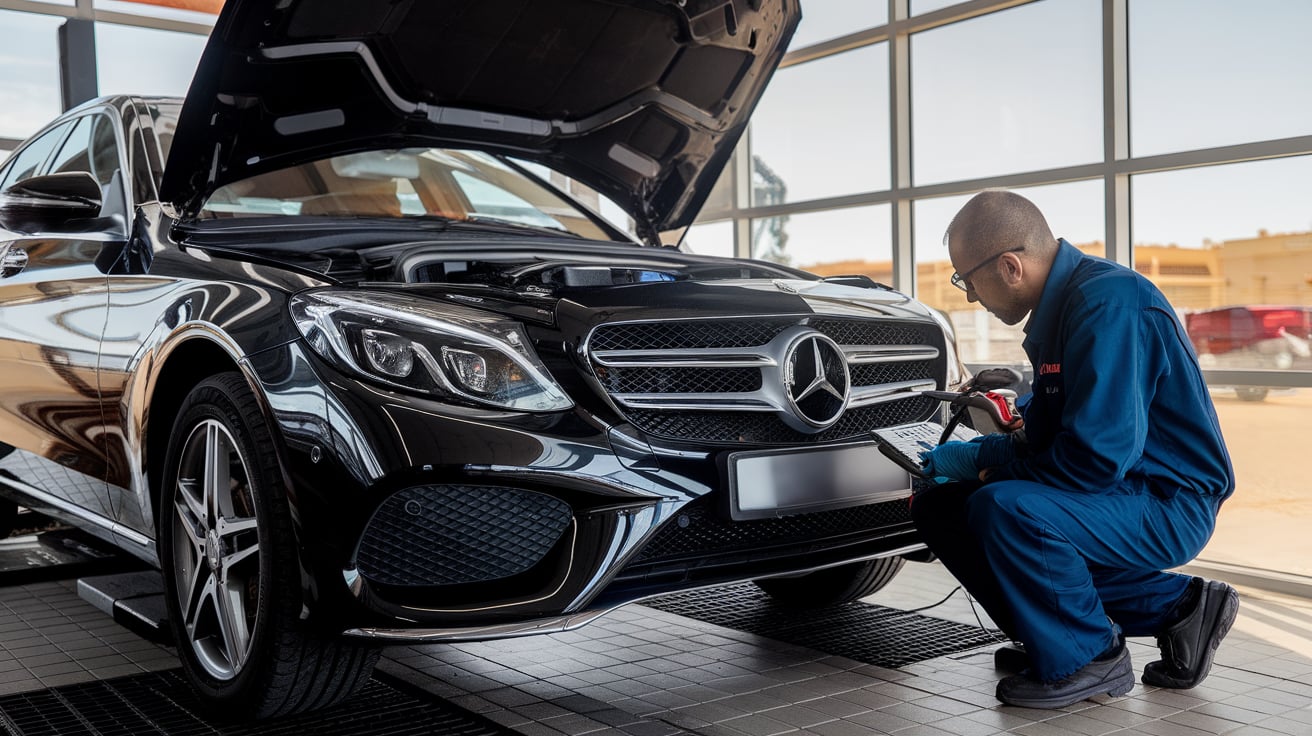
Dubai’s heat is relentless. Engines run hot, traffic crawls, and your radiator fluid becomes a frontline defense. Yet many drivers still pour water into the radiator, assuming it’s good enough. But is it? Radiator fluid isn’t just about cooling, it’s about protecting your engine under pressure. The two common choices, water and coolant,serve similar functions but behave very differently in extreme conditions.
Water is simple, accessible, and effective at absorbing heat. But it boils quickly, evaporates fast, and offers no protection against rust or corrosion. Coolant, on the other hand, is engineered to handle extremes. It contains additives that regulate temperature, prevent internal damage, and extend system life. So which fluid is right for your car in Dubai’s climate? Let’s break down the science, the risks, and the real-world performance of coolant vs water.
What Is Coolant and How Does It Work?
Engines don’t just run, they burn. Every mile you drive, combustion inside the cylinders generates intense heat. Without a way to pull that heat out, your engine would seize, warp, or worse. That’s where coolant comes in.
Coolant, also called radiator fluid, is a heat-transfer liquid made from water and antifreeze compounds like ethylene glycol or propylene glycol. It flows through the engine block, absorbs heat, and carries it to the radiator. There, it releases the heat into the air before cycling back to do it all over again. Here’s how it works, step by step:
- The water pump pushes coolant through internal passages in the engine.
- As it moves, it absorbs heat from metal surfaces.
- The hot radiator fluid reaches the radiator, where thin tubes and fins help it cool down.
- Fans or airflow from driving help dissipate the heat.
- The cooled coolant returns to the engine, keeping temperatures stable.
But it’s not just about heat.
- Coolant raises the boiling point and lowers the freezing point of the fluid.
- It contains corrosion inhibitors that protect aluminum, steel, and rubber components.
- It prevents scale buildup and internal rust, especially critical in Dubai’s climate.
Fact: A 50/50 mix of coolant and water can handle temperatures from -34°F to 265°F. That’s not just chemistry, it’s protection. Without proper radiator fluid, your engine’s lifespan shortens. With it, you get consistent performance, fewer breakdowns, and peace of mind.

What Happens When You Use Water Alone?
It sounds harmless, right? Just water in the radiator. No additives, no chemicals. But in Dubai’s heat, that choice can quietly wreck your engine. Water alone lacks the chemical backbone of a coolant. It boils fast, evaporates quickly, and leaves behind mineral deposits that clog internal passages. Worse, it promotes rust formation, especially in aluminum blocks and steel components. That rust doesn’t just sit there. It eats through gaskets, corrodes pumps, and weakens seals. Radiator fluid is engineered to do more than cool.
- It resists boiling under pressure.
- It prevents internal corrosion.
- It stabilizes temperature across the system.
Using tap water? You’re introducing calcium, magnesium, and other minerals that crystallize inside the radiator. Even distilled water, while cleaner, lacks the additives needed to protect metal surfaces. Coolant contains antifreeze, buffers, and corrosion inhibitors that water simply doesn’t offer. Without it, your engine’s lifespan shortens, and repair costs rise. Radiator fluid isn’t just a liquid. It’s a barrier between your engine and the damage you can’t see until it’s too late.
Coolant vs Water | Technical Comparison Table
Water cools fast, but not smart. It boils early, freezes quickly, and corrodes metal. Coolant, on the other hand, is engineered to handle extremes. It protects, stabilizes, and lasts longer. Here’s how coolant and radiator fluid stack up against plain water:
| Feature | Coolant | Water |
| Boiling Point | ~265°F (with pressure) | 212°F |
| Freezing Point | ~-34°F (with antifreeze) | 32°F |
| Corrosion Resistance | High (with inhibitors) | None |
| Thermal Conductivity | Moderate | High |
| Longevity | 30,000–60,000 miles | Short-term only |
| Maintenance Impact | Low (if flushed properly) | High (due to deposits and rust) |
Fact: Over 40% of engine failures are linked to poor cooling system maintenance. Coolant isn’t just better, it’s built for the job. Radiator fluid with the right mix keeps your engine safe, especially in Dubai’s heat.
Types of Coolants and Their Applications
Not all coolants are created equal. From classic green radiator fluid to modern hybrids, each type serves a specific vehicle, climate, and service interval. Choosing the wrong one? That’s a shortcut to corrosion, overheating, and costly repairs.
🔧 Coolant Types Overview
| Coolant Type | Base | Key Traits | Best For |
| IAT (Inorganic Additive Technology) | Ethylene glycol | Phosphate/silicate additives; short service life | Older vehicles (pre-1995) |
| OAT (Organic Acid Technology) | Ethylene or propylene glycol | Long-life organic acids; no silicates | Modern cars (GM, VW, Honda) |
| HOAT (Hybrid OAT) | Ethylene glycol | Mix of IAT & OAT; added corrosion inhibitors | Chrysler, Ford, European models |
| Hybrid Coolants | Varies | Custom blends for EVs, hybrids, or high-temp engines | Specialized systems (Dubai heat, EVs) |
Application Insights
- Compatibility: Never mix coolant types,chemical reactions can reduce protection and clog systems.
- Vehicle Type: Luxury and hybrid vehicles often require HOAT or hybrid coolants for advanced thermal control.
- Service Intervals:
- IAT: ~30,000 miles
- OAT/HOAT: ~100,000 miles
- Hybrid: Varies by OEM spec
Always check your owner’s manual or consult a certified technician before switching coolant types. Coolant isn’t just fluid, it’s engineered protection. The right radiator fluid keeps your engine cool, clean, and corrosion-free.

Climate-Specific Considerations | Hot vs Cold Regions
Coolant performance isn’t universal; it’s climate-dependent. Whether you’re navigating Dubai’s desert heat or braving sub-zero winters, your radiator fluid must be engineered for the extremes.
In hot regions, the priority is boiling point elevation. Engines run hotter, and ambient temperatures push cooling systems to their limits. A high-performance coolant resists vaporization, prevents overheating, and maintains stable viscosity under stress. Dubai’s climate, for example, demands hybrid or HOAT coolants with robust thermal buffers and corrosion inhibitors to protect aluminum components and turbo systems.
In cold regions, the challenge flips: freezing point depression becomes critical. Water-based fluids can crystallize, expand, and crack engine blocks. Here, coolants with strong antifreeze properties, typically OAT or HOAT, ensure fluidity and protection even at -30°F. They also prevent sludging and maintain pump efficiency during cold starts.
Radiator fluid must also adapt to seasonal shifts. In temperate zones, multi-season coolants offer balanced protection, but in extreme climates, specialized blends are non-negotiable. Coolant isn’t just about cooling; it’s climate armor. Choose wisely, flush regularly, and never compromise on compatibility.
Impact on Engine Components and Longevity
Coolant isn’t just a heat-transfer fluid; it’s a chemical shield for your engine. When properly formulated and maintained, radiator fluid protects critical components like the water pump, head gasket, and aluminum blocks from thermal stress and chemical degradation.
Without the right coolant, engines face internal rust, scaling, and aluminum corrosion, especially in high-performance or turbocharged systems. Over time, fluid breakdown leads to acidic conditions that eat away at seals, gaskets, and even cylinder heads. The result? Leaks, overheating, and premature engine wear.
Coolant also lubricates moving parts within the cooling system, reducing friction and extending the life of the water pump. Its additives prevent electrolysis and cavitation, two silent killers of metal surfaces in modern engines. Many service centers pair coolant checks with car battery diagnostic tools to catch electrical issues early, since voltage irregularities often affect cooling system sensors.
Neglecting coolant maintenance or using low-quality blends can cause deposits that restrict flow, spike temperatures, and warp the head gasket. In extreme cases, this leads to engine seizure or total failure. Coolant is more than temperature control. It’s the difference between a healthy engine and a costly rebuild.
Service Provider’s Role in Radiator Fluid Management
Coolant care isn’t just a DIY task; it’s a precision job best handled by professionals. A qualified service provider plays a critical role in managing radiator fluid, ensuring your engine stays protected from overheating, corrosion, and premature wear.
Professional Inspection and Diagnosis
Coolant care isn’t just a DIY task; it’s a precision job best handled by professionals. A qualified service provider plays a critical role in managing radiator fluid, ensuring your engine stays protected from overheating, corrosion, and premature wear. Through professional inspection, technicians assess coolant levels, test fluid integrity, and identify signs of breakdown or contamination. They use specialized tools to detect leaks, pressure imbalances, and blockages that can compromise flow and thermal regulation.
Fluid Replacement and Flushing Service
Fluid replacement is more than a top-up. A proper flushing service removes old coolant, rust, and debris, restoring system efficiency and preventing internal damage. This is especially vital in high-performance or climate-sensitive vehicles, where fluid degradation can lead to aluminum corrosion or head gasket failure.
Scheduled Maintenance and Compatibility Checks
Scheduled maintenance intervals, typically every 30,000 to 100,000 miles, depending on coolant type, are enforced by service providers to prevent costly engine repairs. They also ensure compatibility between coolant types, avoiding chemical reactions that can clog or corrode the system.
Extending Engine Life Through Expert Care
In short, the right technician doesn’t just replace coolant, they extend your engine’s life. Trusted auto repair experts in Dubai can also test system pressure, inspect pump condition, and ensure the cooling system meets OEM protection standards.

Common Myths About Coolant and Water
Coolant myths are everywhere, from DIY forums to outdated advice passed down through generations. Many drivers still believe that water is a safe substitute for radiator fluid or that coolant color determines compatibility. These misconceptions can lead to overheating, internal corrosion, and expensive engine damage. Understanding the truth behind coolant and radiator fluid myths is essential for proper maintenance and long-term engine health.
Myth 1: “Water Works Just Fine”
While water has excellent thermal conductivity, it lacks corrosion inhibitors. Using water alone as radiator fluid can lead to rust, bacterial growth, and overheating. It boils at 212°F, while a 50/50 coolant mix elevates the boiling point to ~265°F, critical for desert driving and turbocharged engines.
Myth 2: “Coolant Color Determines Type”
Color is just a dye. The real difference lies in the chemical formulation, OAT, HOAT, IAT, etc. Mixing colors without checking compatibility can trigger chemical reactions, clog the system, and damage components.
Myth 3: “Universal Coolants Work for Every Car”
There’s no true “one-size-fits-all” coolant. OEMs design cooling systems around specific formulations. Using a generic blend can shorten service intervals and compromise protection.
Myth 4: “Coolant Doesn’t Need Regular Replacement”
Over time, radiator fluid breaks down, losing its protective properties. Skipping scheduled flushes leads to internal rust, gasket wear, and pump failure. Maintenance isn’t optional; it’s engine insurance. And much like delaying transmission repair, ignoring coolant breakdown quietly creates expensive system failures long before the problem becomes obvious.
Signs Your Radiator Fluid Needs Replacement
Coolant isn’t forever. Over time, radiator fluid degrades, loses its protective properties, and can even damage your engine if ignored. Spotting early signs of coolant failure helps prevent overheating, corrosion, and costly repairs. Here’s what to watch for:
Low Coolant Levels
If your coolant reservoir consistently reads low, even after topping it off, it’s a red flag. This could indicate a leak in the system or a fluid breakdown. Coolant rarely evaporates, so frequent refills point to a deeper issue.
Discoloration or Rust
Healthy radiator fluid is typically bright green, orange, or pink depending on type. If it appears brown, cloudy, or rusty, it’s contaminated. This signals internal corrosion and a breakdown of protective additives.
Overheating Symptoms
An overheating engine, rising temperature gauge, or steam from under the hood are classic signs your coolant isn’t doing its job. These symptoms often result from old fluid losing its thermal efficiency.
Visible Leaks or Sweet Smell
Puddles under the car or a sweet odor near the engine bay suggest a coolant leak. Left unchecked, this can lead to head gasket damage and pump failure.
Follow OEM-recommended service intervals and inspect your radiator fluid seasonally, especially before summer or winter extremes.

Why Coolant Is Always the Recommended Choice
Coolant isn’t optional, it’s an engineered necessity. While water may seem like a quick fix, it lacks the chemical stability, corrosion resistance, and thermal range needed to protect modern engines. Whether you’re driving through Dubai’s heat or navigating tight engine compartments, coolant is the only fluid designed to regulate temperature, prevent damage, and extend engine life.
- Performance Benefits: Coolant absorbs and dissipates heat far more efficiently than water alone. It maintains optimal operating temperatures even under load, preventing overheating and vapor lock. In turbocharged or high-compression engines, this thermal control is non-negotiable.
- Long-Term Protection: Unlike water, radiator fluid contains corrosion inhibitors that shield aluminum, steel, and rubber components from internal rust and electrolysis. It also lubricates the water pump and seals, reducing wear and extending system longevity.
- Cost Efficiency Over Time: Though coolant costs more upfront, it saves thousands in long-term repairs. Fluid breakdown leads to head gasket failure, pump damage, and radiator corrosion, all preventable with proper coolant use and scheduled flushing.
Professional recommendation: Always use OEM-specified radiator fluid. Mixing types or diluting with water compromises protection and voids warranties.
Choose the Right Radiator Fluid for Your Vehicle
Choosing the correct coolant isn’t just about color; it’s about chemistry, compatibility, and long-term engine health. Whether you drive a hybrid, a luxury sedan, or a turbocharged SUV, the right radiator fluid ensures optimal performance and protects against overheating, corrosion, and fluid breakdown.
- Match Coolant to Vehicle Spec: Always consult your owner’s manual or OEM guidelines. Using the wrong coolant type—OAT, HOAT, IAT- can trigger chemical reactions, clog passages, and void warranties.
- Prioritize Fluid Reliability: Look for coolants with proven stability across temperature extremes. Extended-life formulations offer better protection and longer service intervals, especially in harsh climates like Dubai.
- Build a Maintenance Strategy: Coolant isn’t forever. Plan regular inspections, fluid testing, and flushing services to maintain system integrity and avoid costly engine repairs.
Don’t guess, choose coolant based on your engine’s design, climate exposure, and manufacturer recommendations.